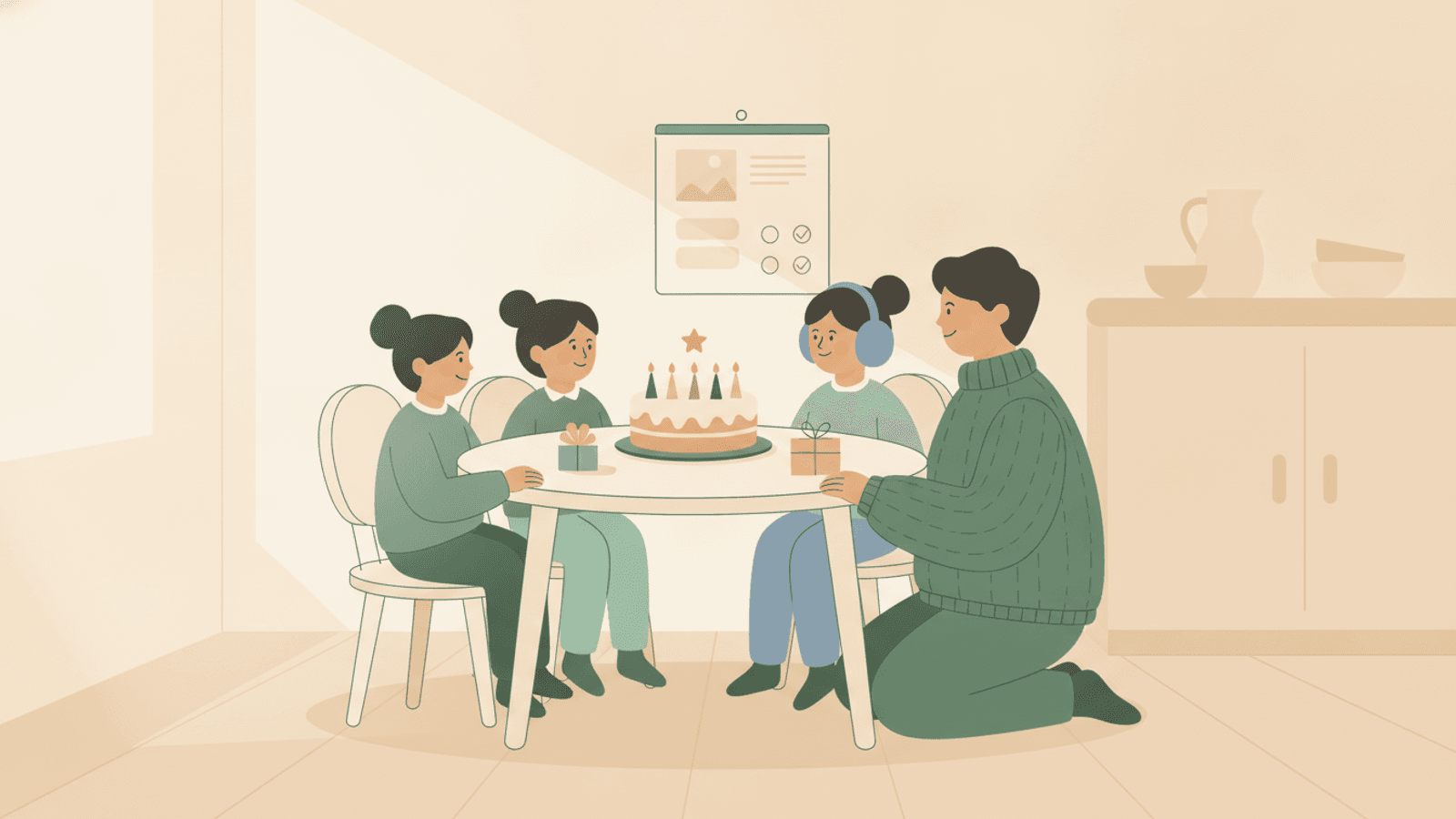
Birthday Parties and Neurodivergent Children: Going to One, and Hosting One
Noise, chaos, cake and twenty children. Here is how to plan a party your neurodivergent child can actually enjoy, at either end of the invitation.
Practical support and cognitive tools for families living with ADHD, autism, or other neurodivergent traits. Learn how visual schedules, clear communication, and structured environments can reduce friction, prevent meltdowns, and increase your child's independence in daily activities.
Noise, chaos, cake and twenty children. Here is how to plan a party your neurodivergent child can actually enjoy, at either end of the invitation.
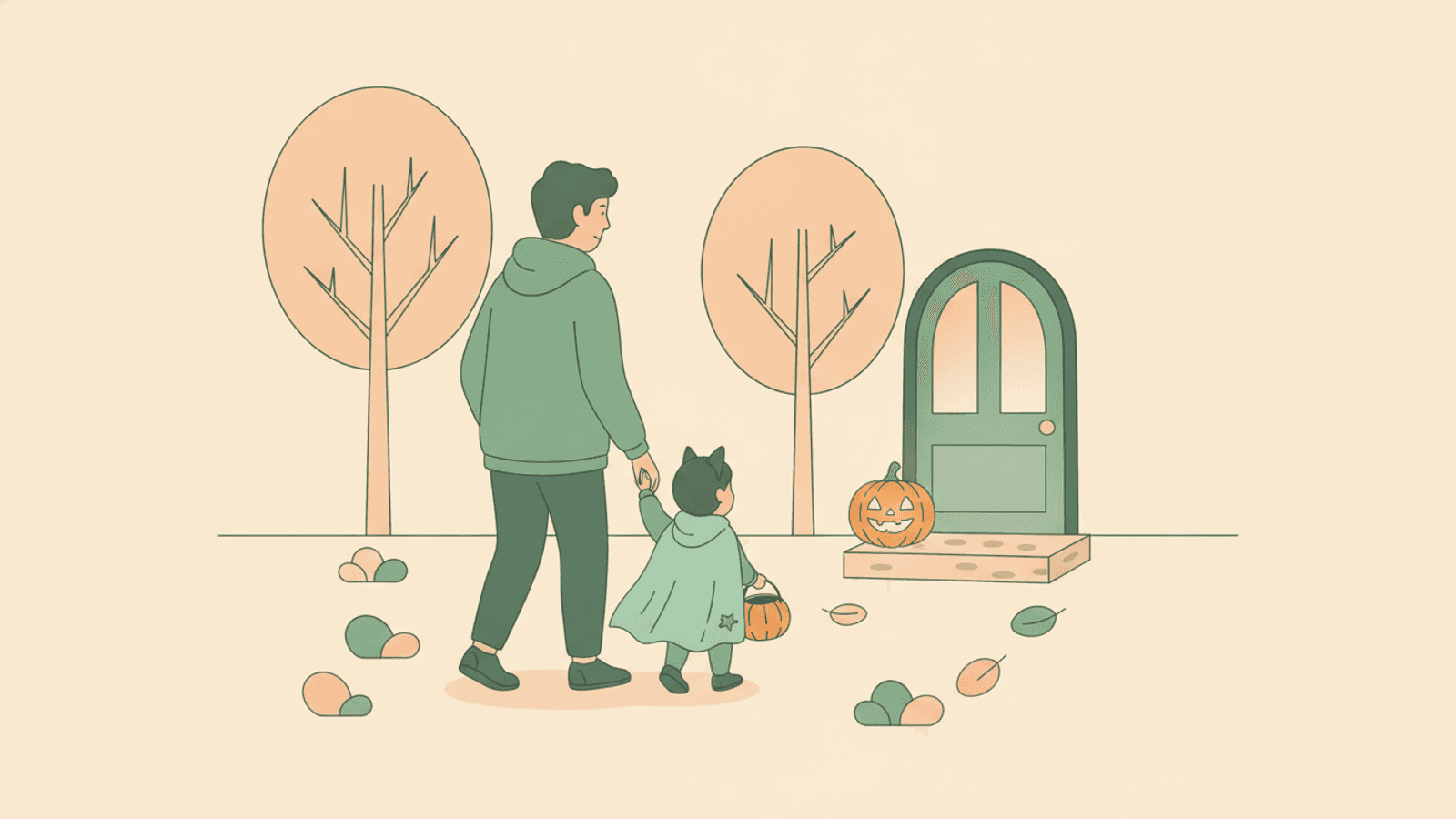
Halloween is a sensory event dressed up as a party. Here is how to plan a version your child can manage, including the exit.
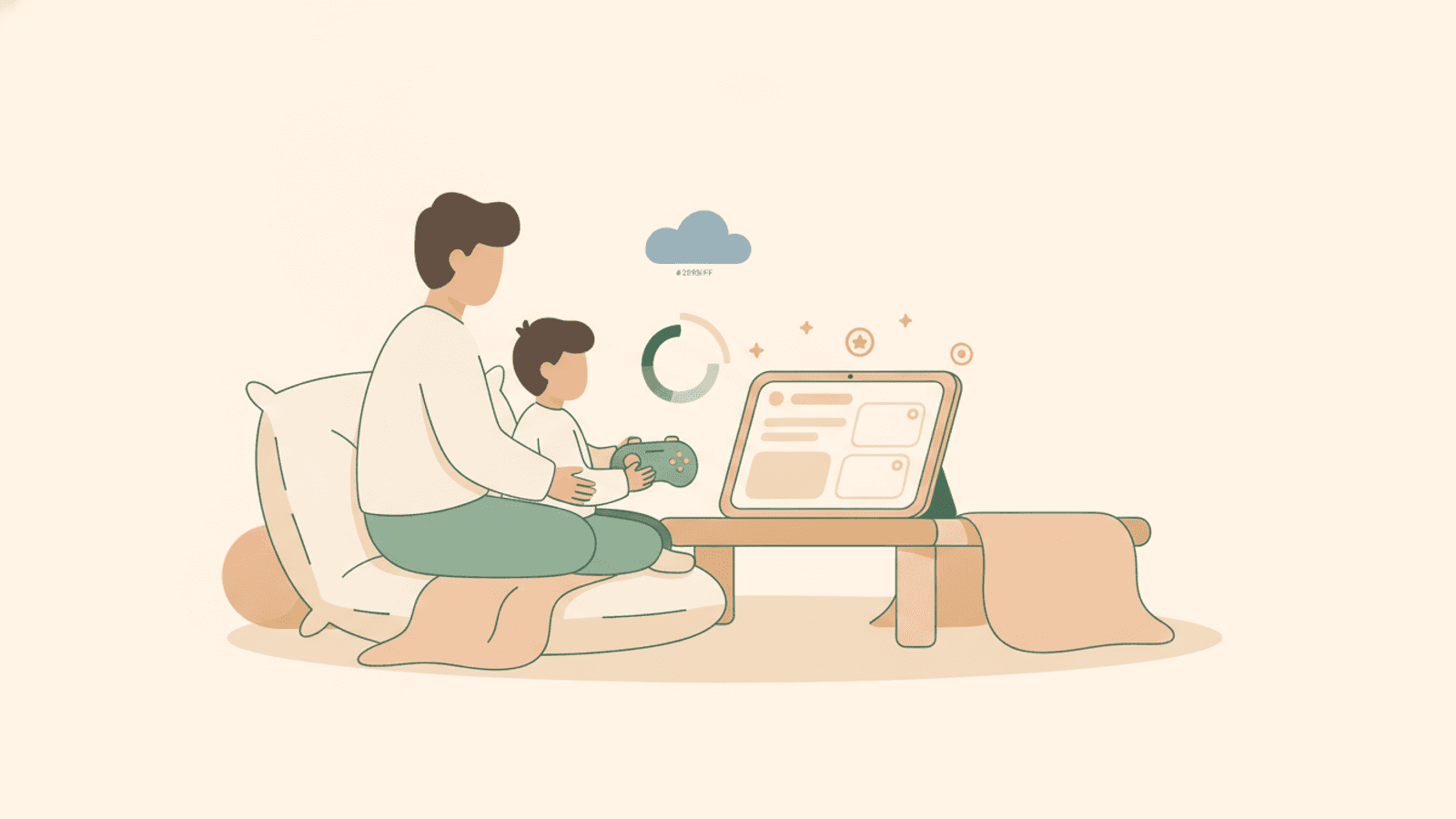
Games are almost perfectly designed for the ADHD brain, which is why stopping feels so hard. Here is why gaming is so compelling for children with ADHD, the genuine risks and upsides, and how to keep it balanced with clear limits and collaboration rather than banning.
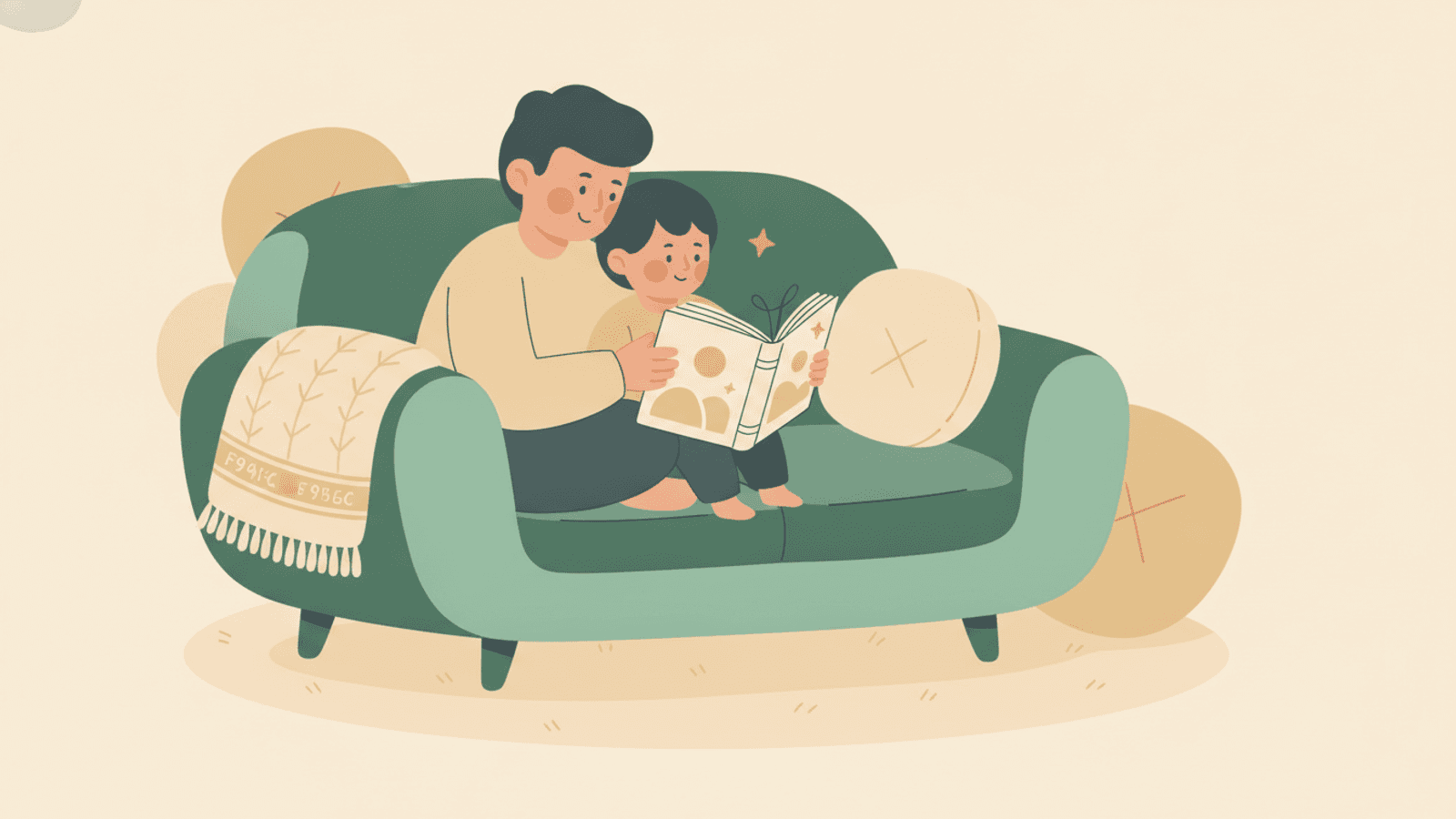
A new situation, an unfamiliar place, a skill that has not clicked — for an autistic or anxious child, the unknown can be overwhelming. A social story is a simple, personalised tool that turns “what will happen?” into something concrete and reassuring.
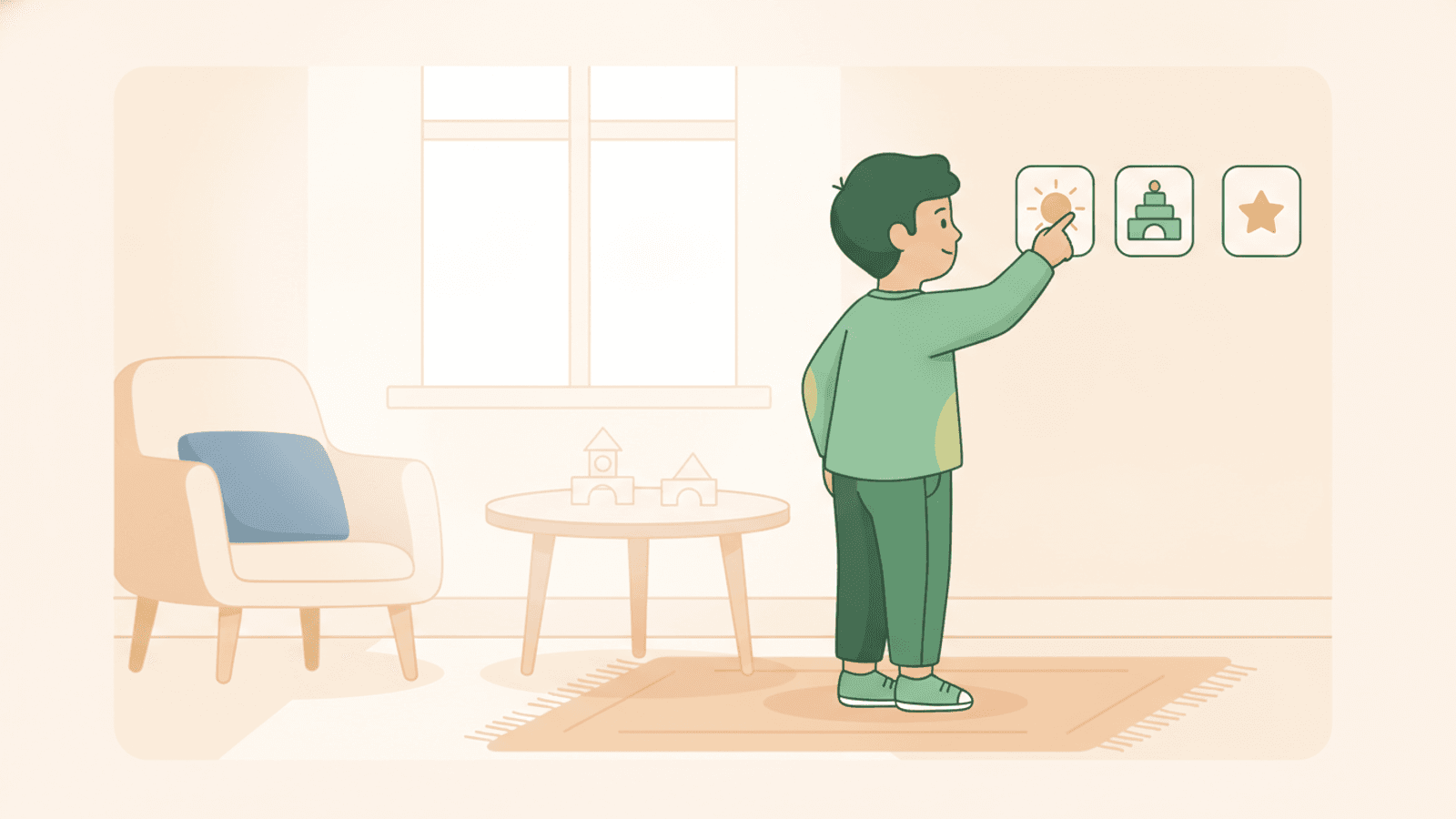
Visual schedules are one of the most powerful tools for a neurodivergent child, but a common question is whether to show the whole day or just the next step. The answer depends on the child and the moment. Here is how to choose.

Some children resist even the things they want to do, melt down at the smallest request, and seem driven to avoid all demands. For these children, the usual toolkit of rewards and consequences can make everything worse. This may be a profile known as PDA.
Hand-flapping when excited, rocking when overwhelmed, humming, spinning, repeating a favourite phrase — these are stims, and they are a normal and important part of how many neurodivergent children regulate themselves. Understanding stimming, rather than trying to stop it, makes a huge difference.
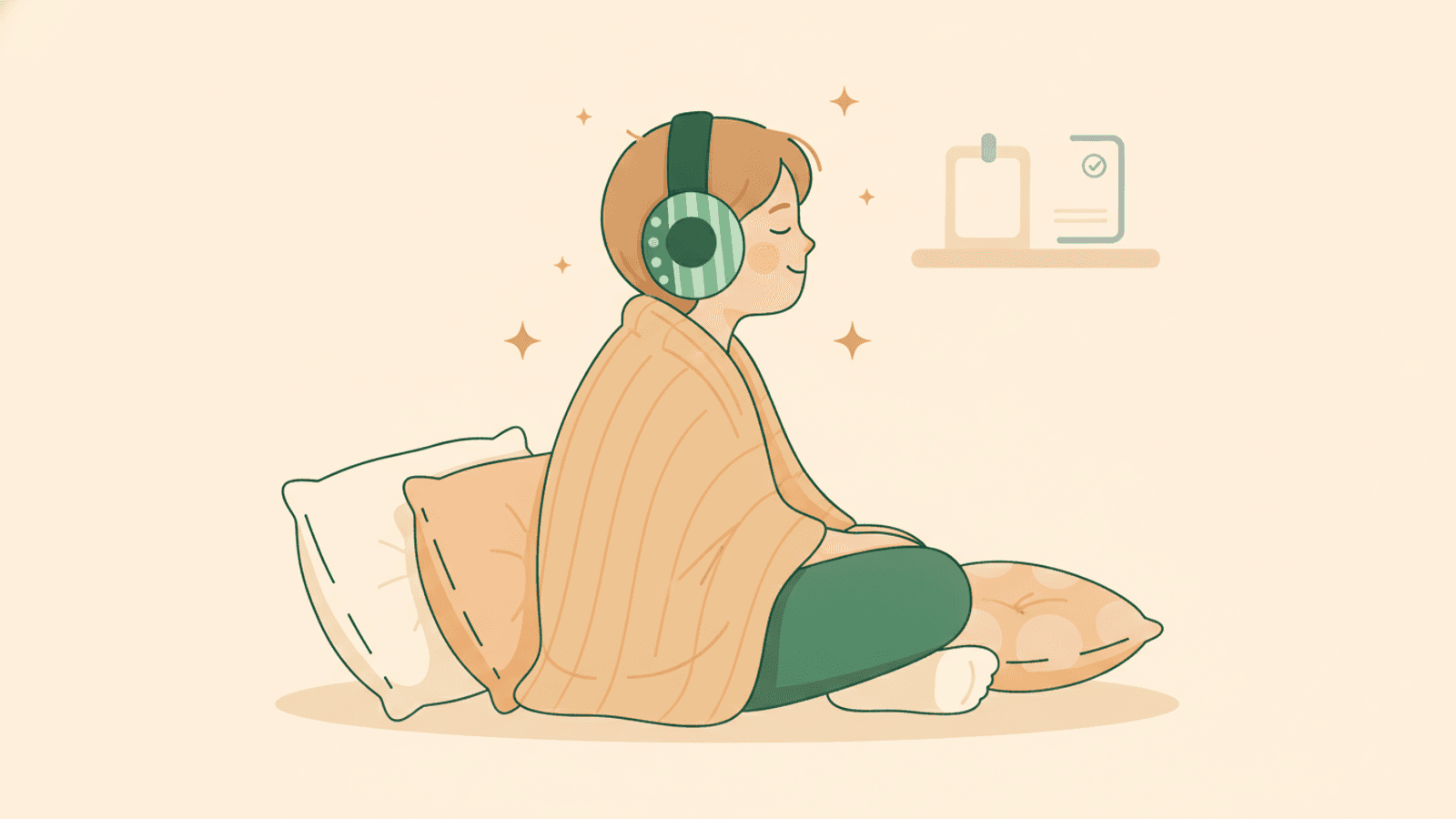
The vacuum sends them running, the hand dryer causes a meltdown, a busy room is unbearable — for a child with noise sensitivity, everyday sounds can feel painfully loud or genuinely distressing. It is real, and home can be made much calmer.
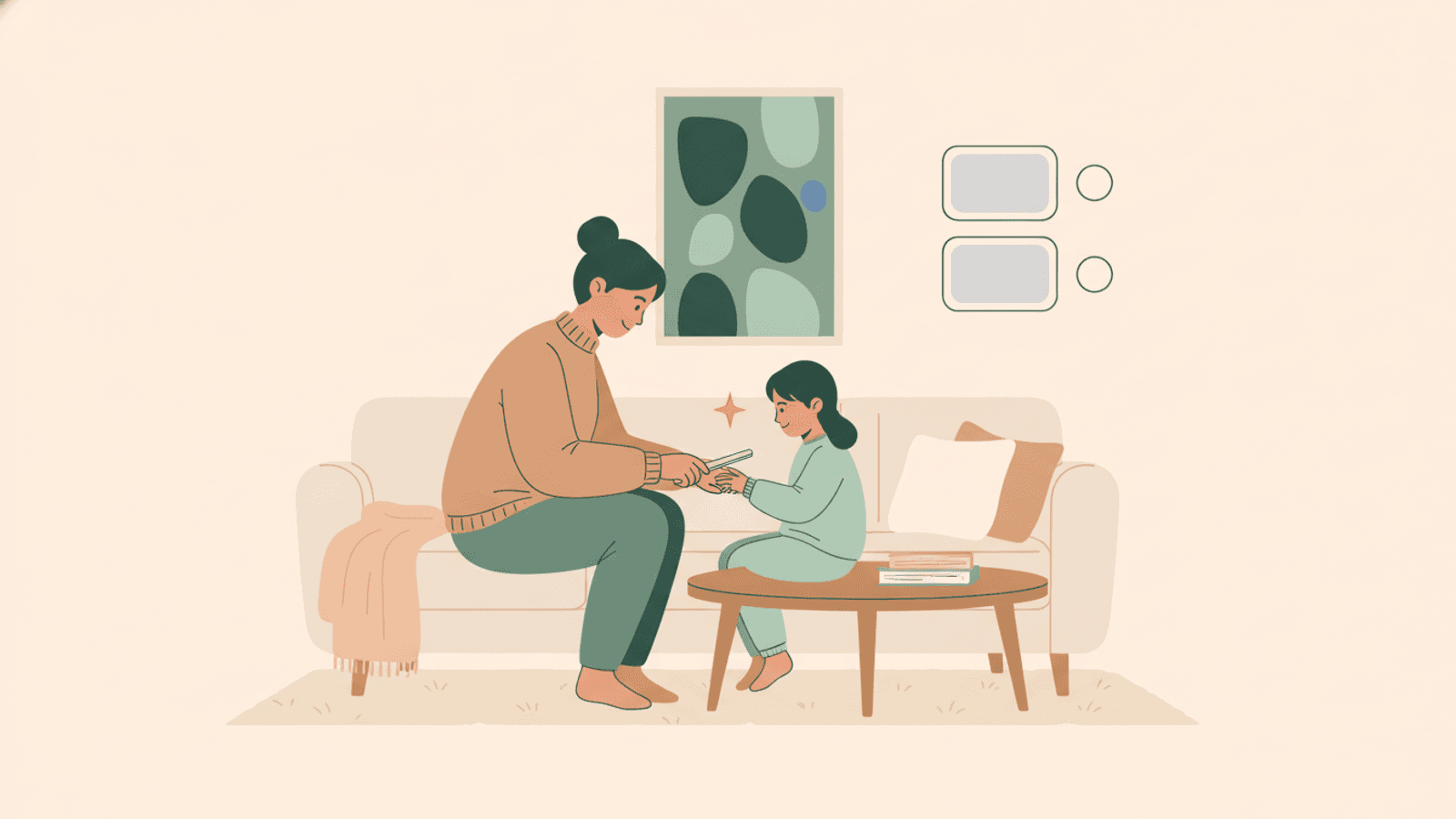
The click of the clipper, fingers snatched away, a meltdown over something that takes two minutes — cutting a child’s nails can be a surprisingly big battle. For a sensory-sensitive or anxious child it is genuinely hard. Here is how to make it calmer.
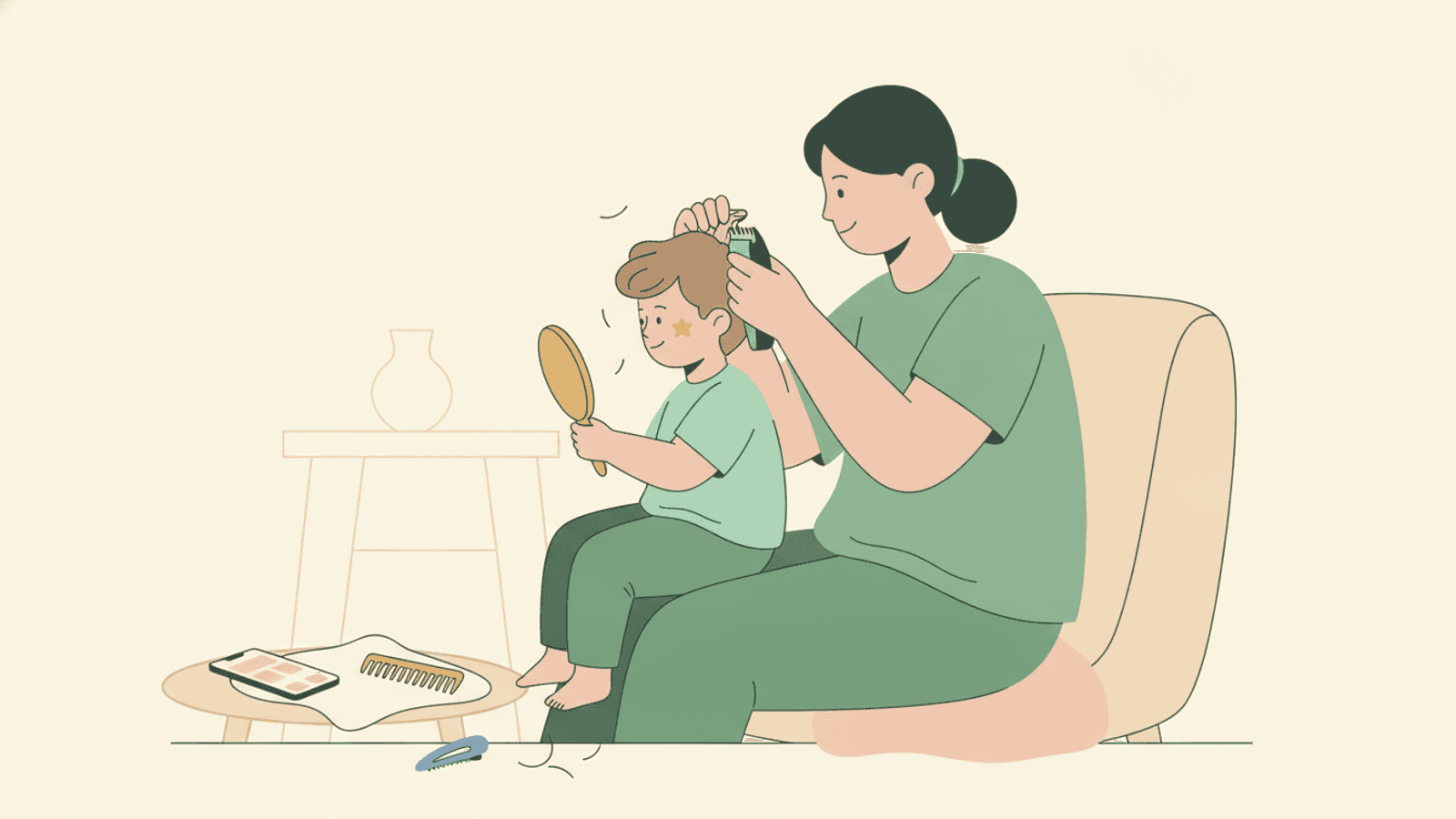
The buzz of the clippers, bits of hair down the neck, a stranger’s hands on their head and no idea what is happening — haircuts can be genuinely overwhelming for a sensory-sensitive child. With preparation and the right setup, they can get much easier.
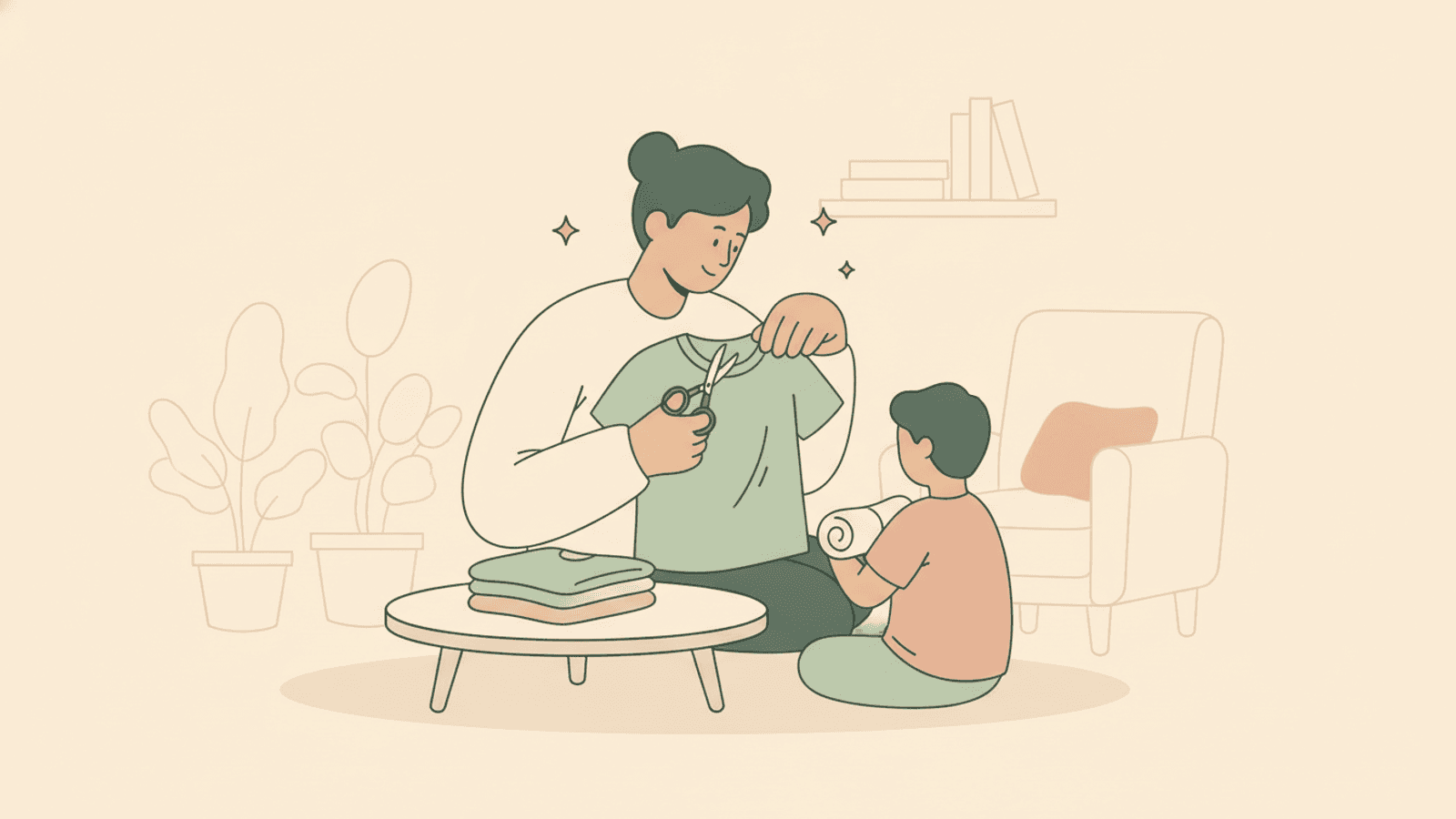
The seam on the sock is “wrong,” the label scratches, the jeans are unbearable, and getting dressed becomes a daily war. For a child with clothing sensitivity, certain fabrics and seams genuinely feel painful — it is not fussiness. Here is how to make dressing bearable.
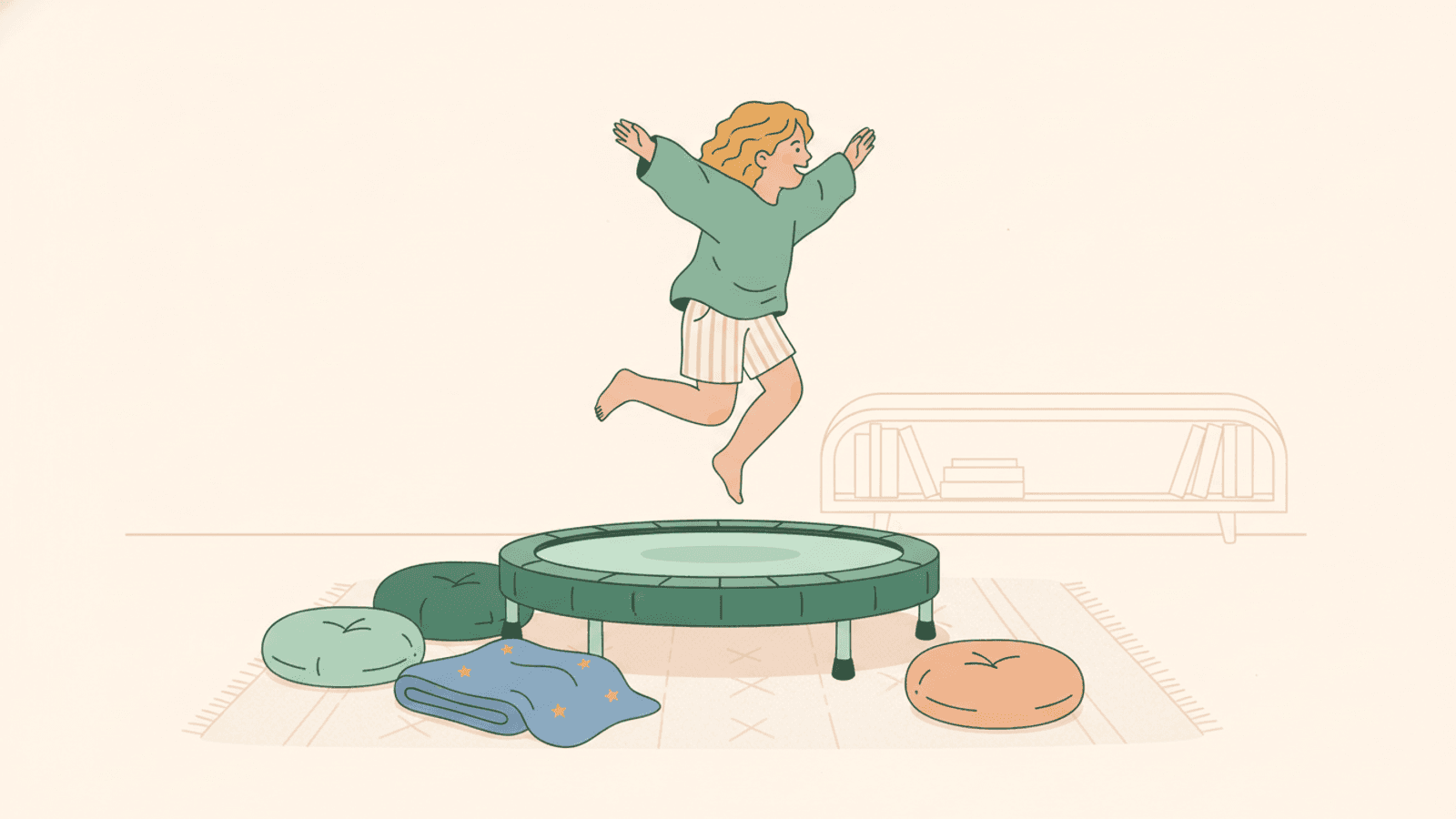
Some children climb the walls and crash into everything; others cover their ears and shrink from mess. Both are chasing the right amount of sensory input. A “sensory diet” — a planned menu of sensory activities through the day — can keep a child calm and regulated.
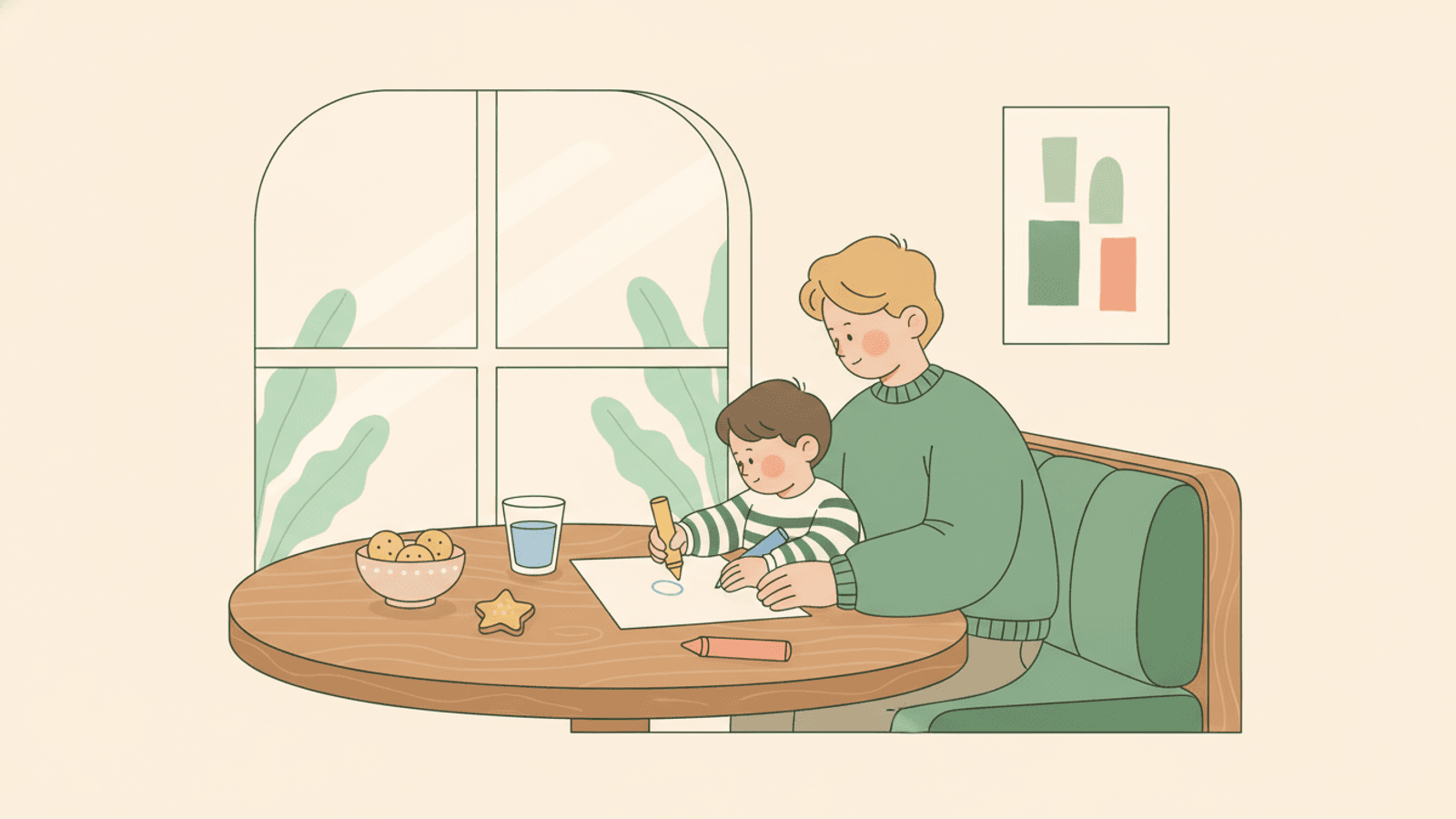
Eating out with a child who has ADHD or autism can feel like more trouble than it is worth: the waiting, the noise, the unfamiliar food, the sitting still. With a little preparation, though, restaurants can become manageable, even enjoyable.
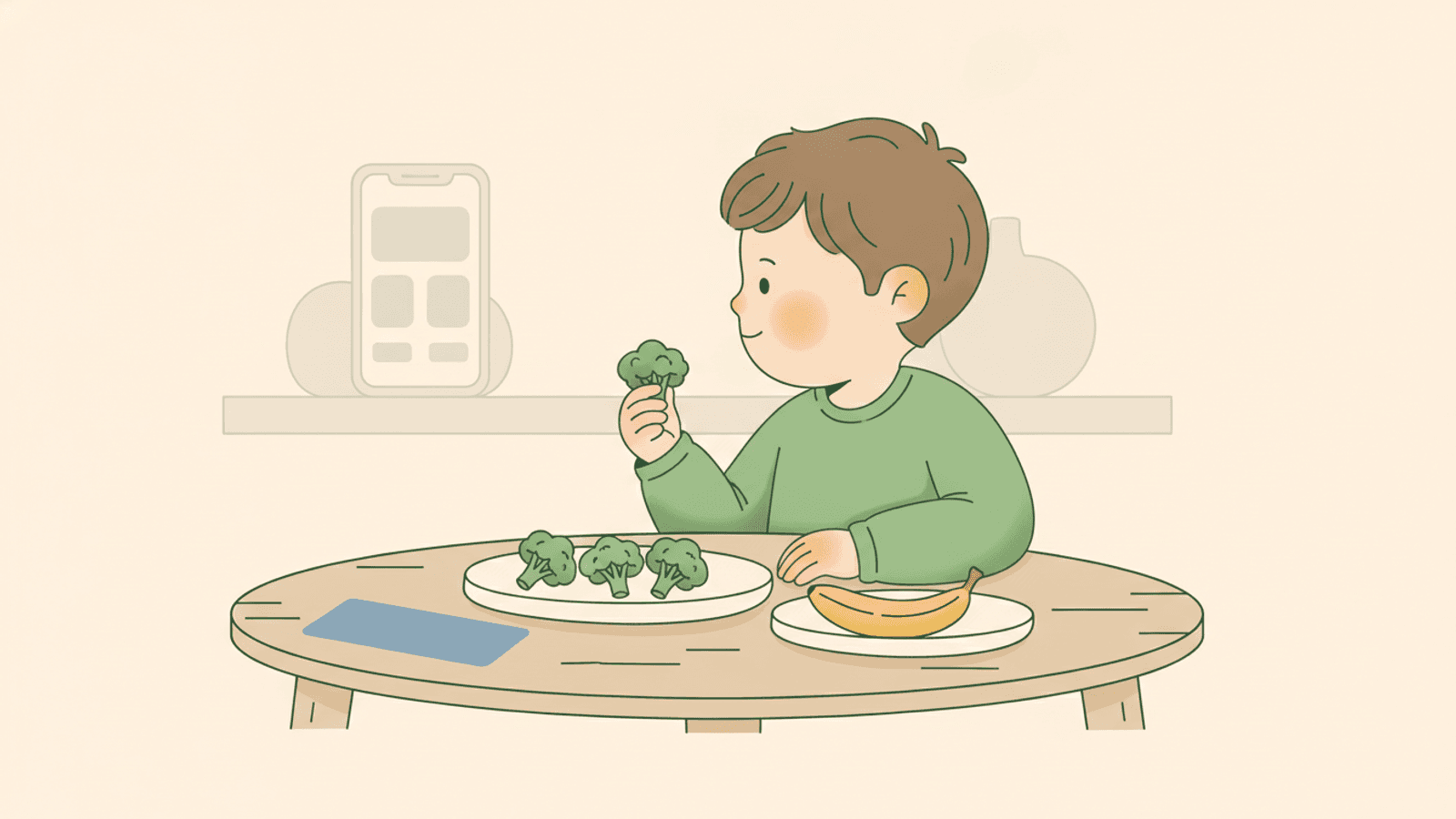
If your child eats the same ten foods on rotation, "just try it" rarely works. Food chaining is a gentle, step-by-step method that bridges from foods they already love to new ones, one tiny change at a time.
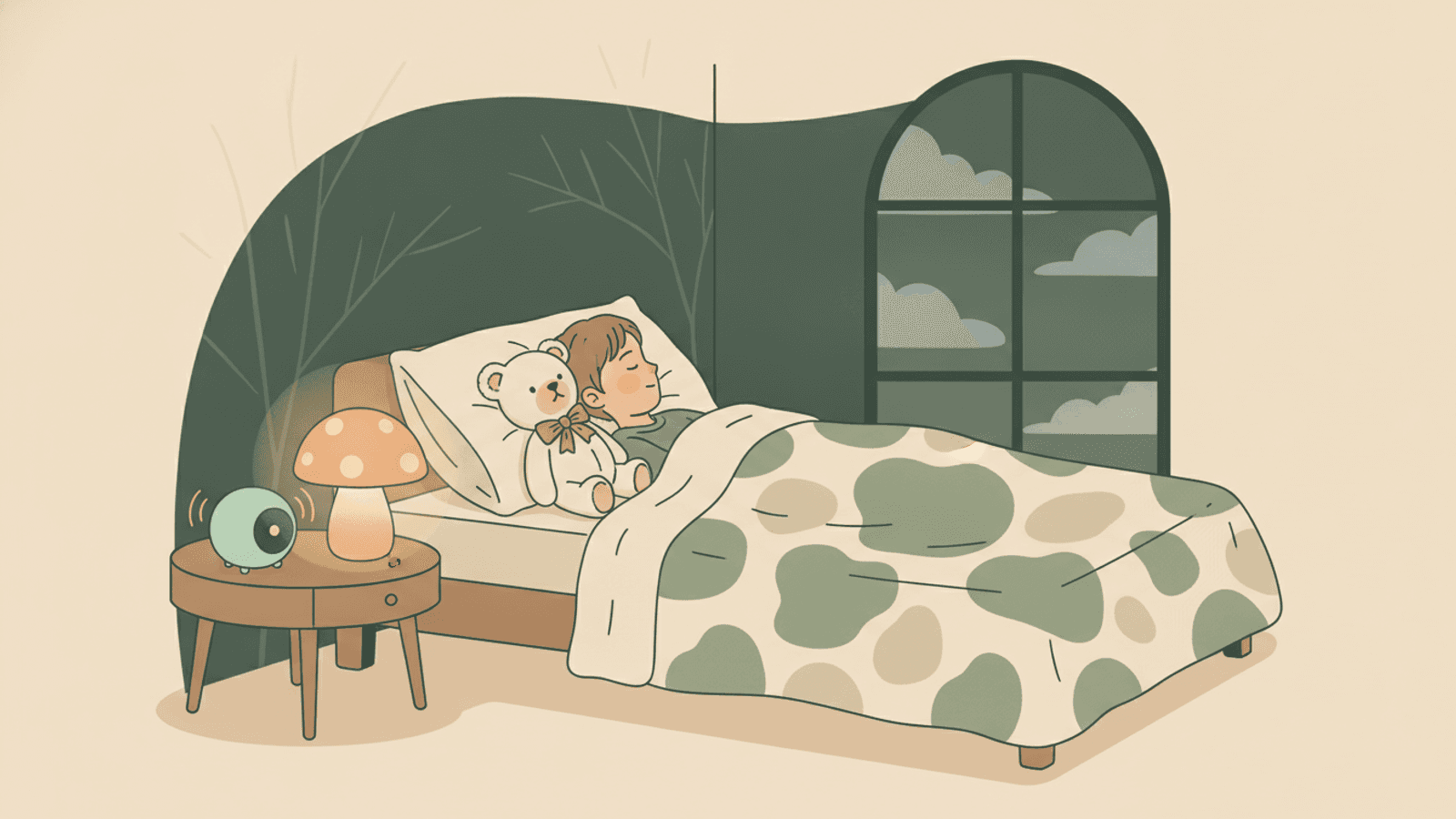
Sleep problems and ADHD go hand in hand — trouble falling asleep, restless nights and exhausting mornings are extremely common. Understanding why makes them easier to tackle. Here's what's going on and the routine changes that help most.

"Five more minutes" means nothing to a child who can't feel time. Time-blindness is a real cognitive feature — especially in ADHD — and it explains why traditional clocks fail. A guide to visual time aids, from physical Time Timers to free alternatives that work just as well.
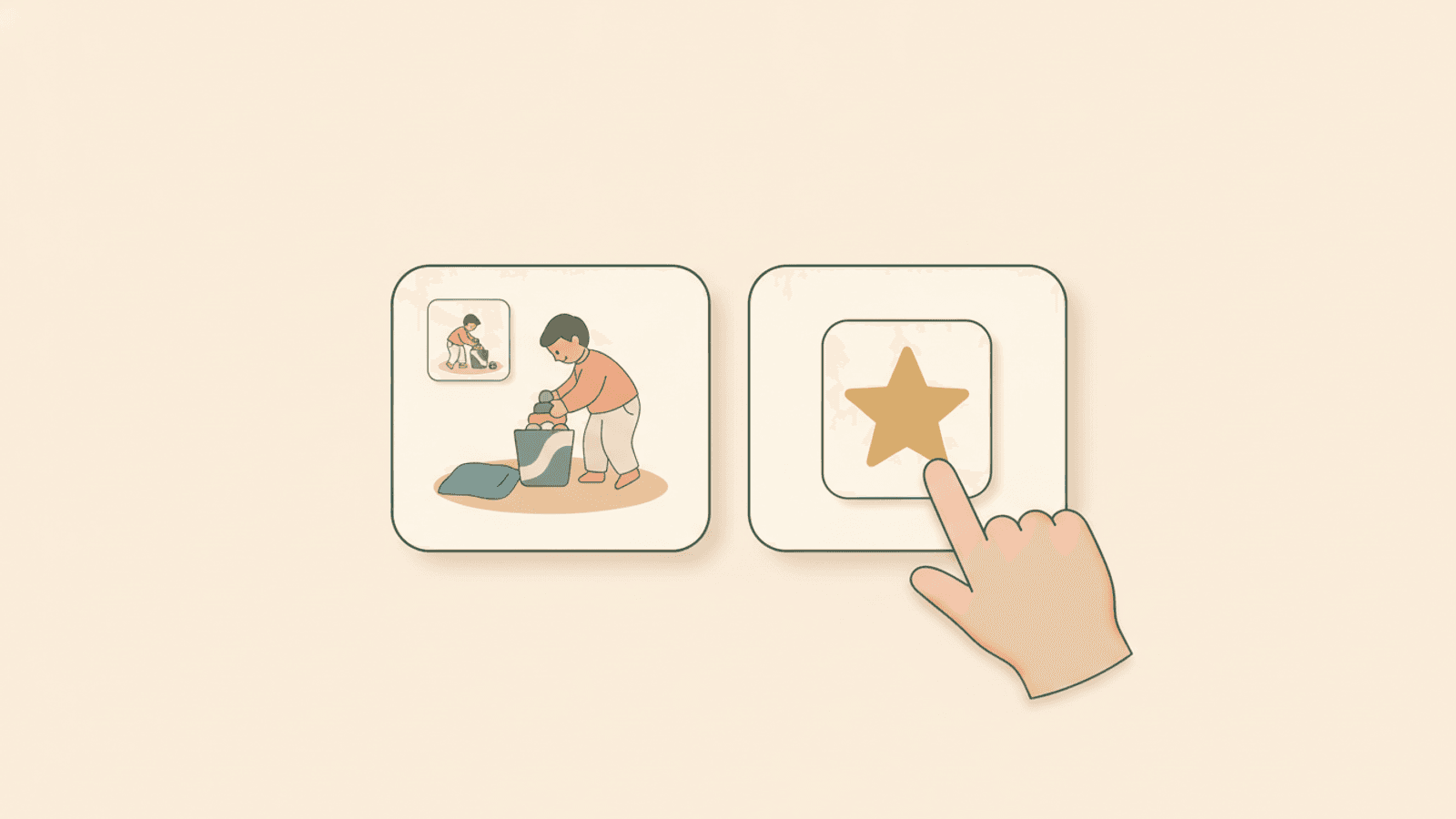
When a full schedule is too much, two pictures are often enough. The first–then board is the smallest visual support there is — and one of the most powerful for hard transitions.
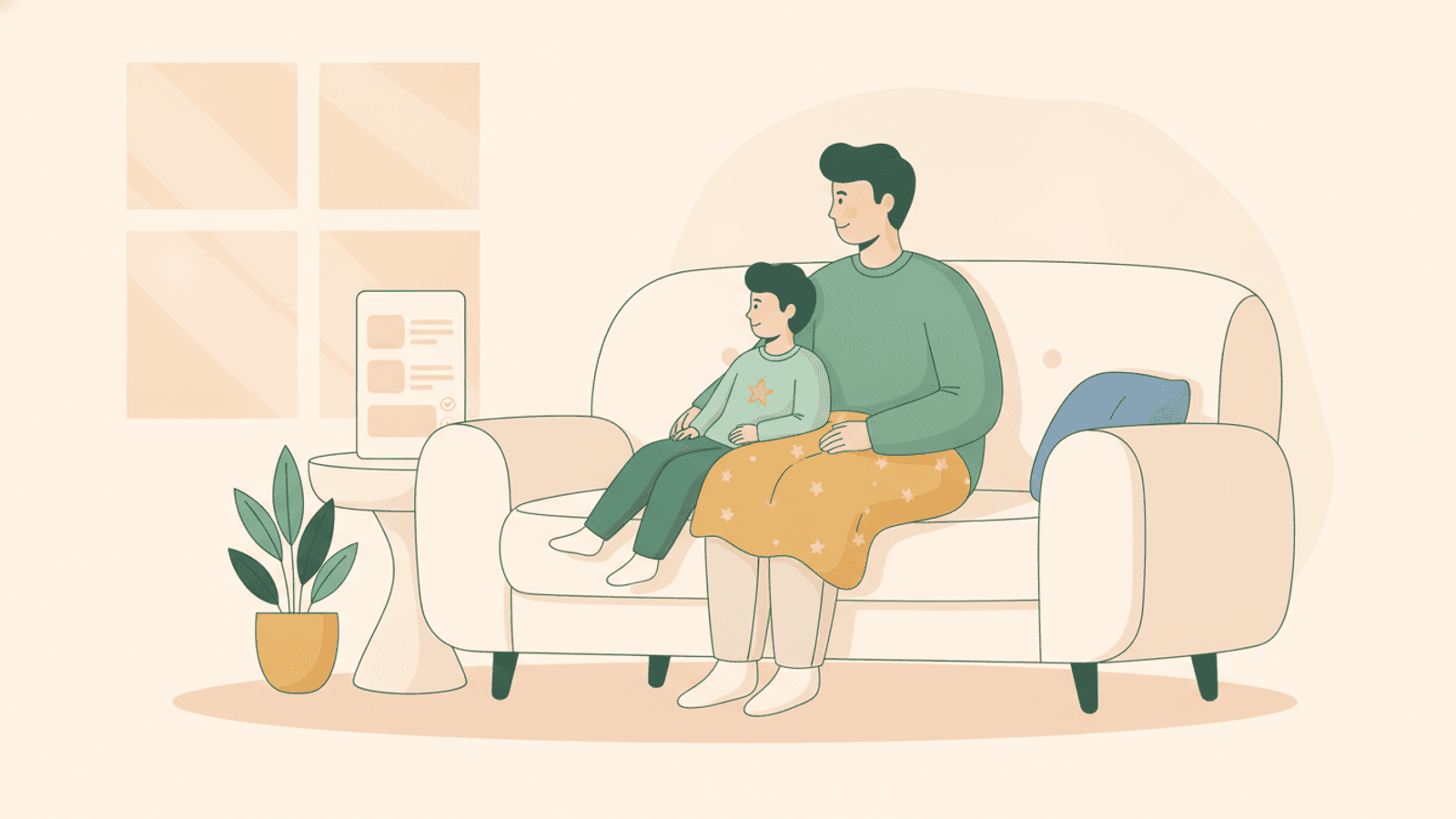
A new diagnosis brings relief and a hundred questions at once. You don’t have to do everything today. Here are the first, calm steps that actually help — starting with everyday life.
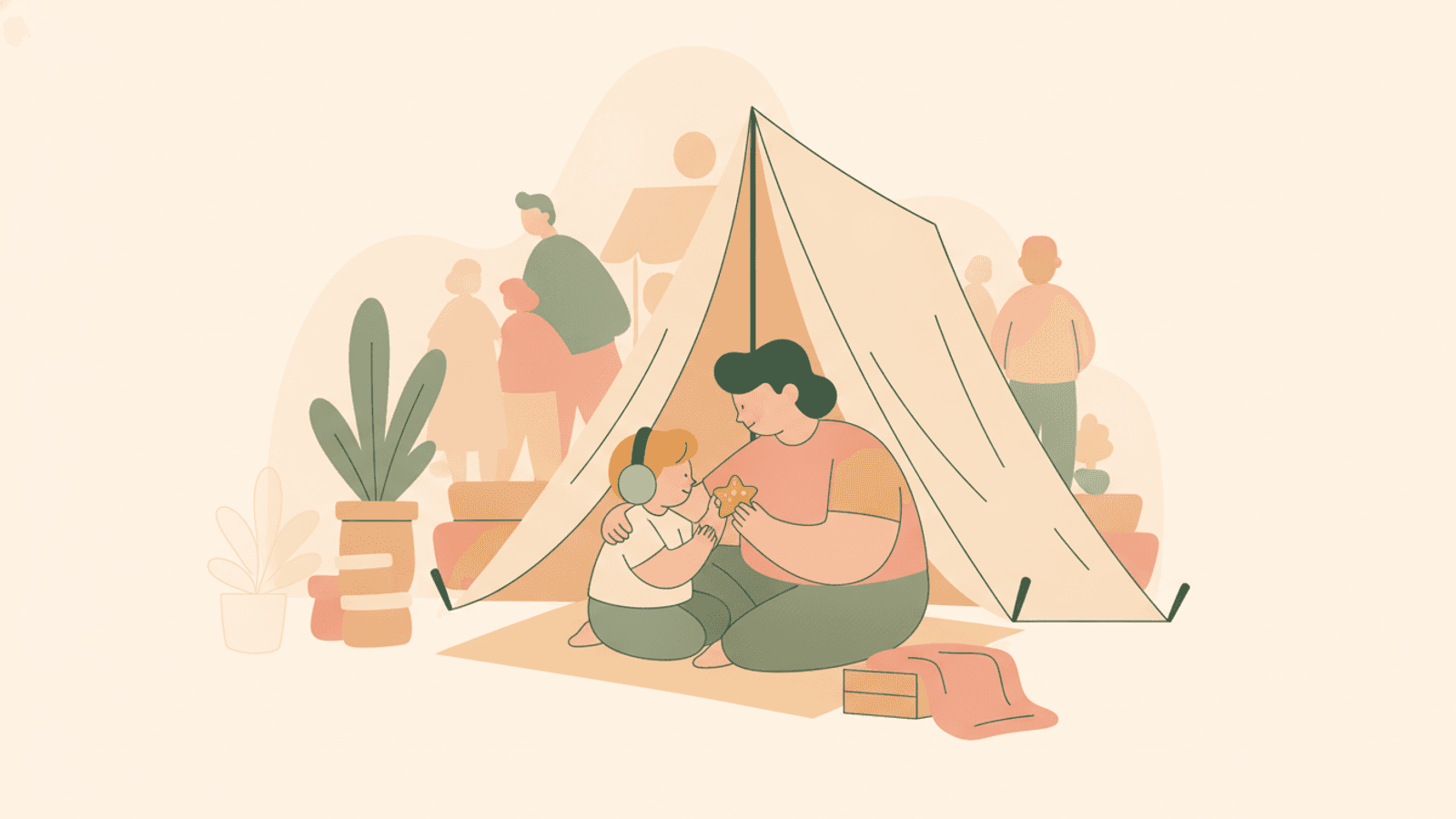
Summer is full of festivals, markets and busy beaches — and full of sensory triggers. Here’s how to prevent overload, spot the early signs, and recover when it tips over.

If toothbrushing is a nightly battle, the problem usually isn't motivation — it's sensory overload, transition friction, or both. Seven practical fixes ranked from easiest to hardest, including what to do when your dentist starts asking questions.
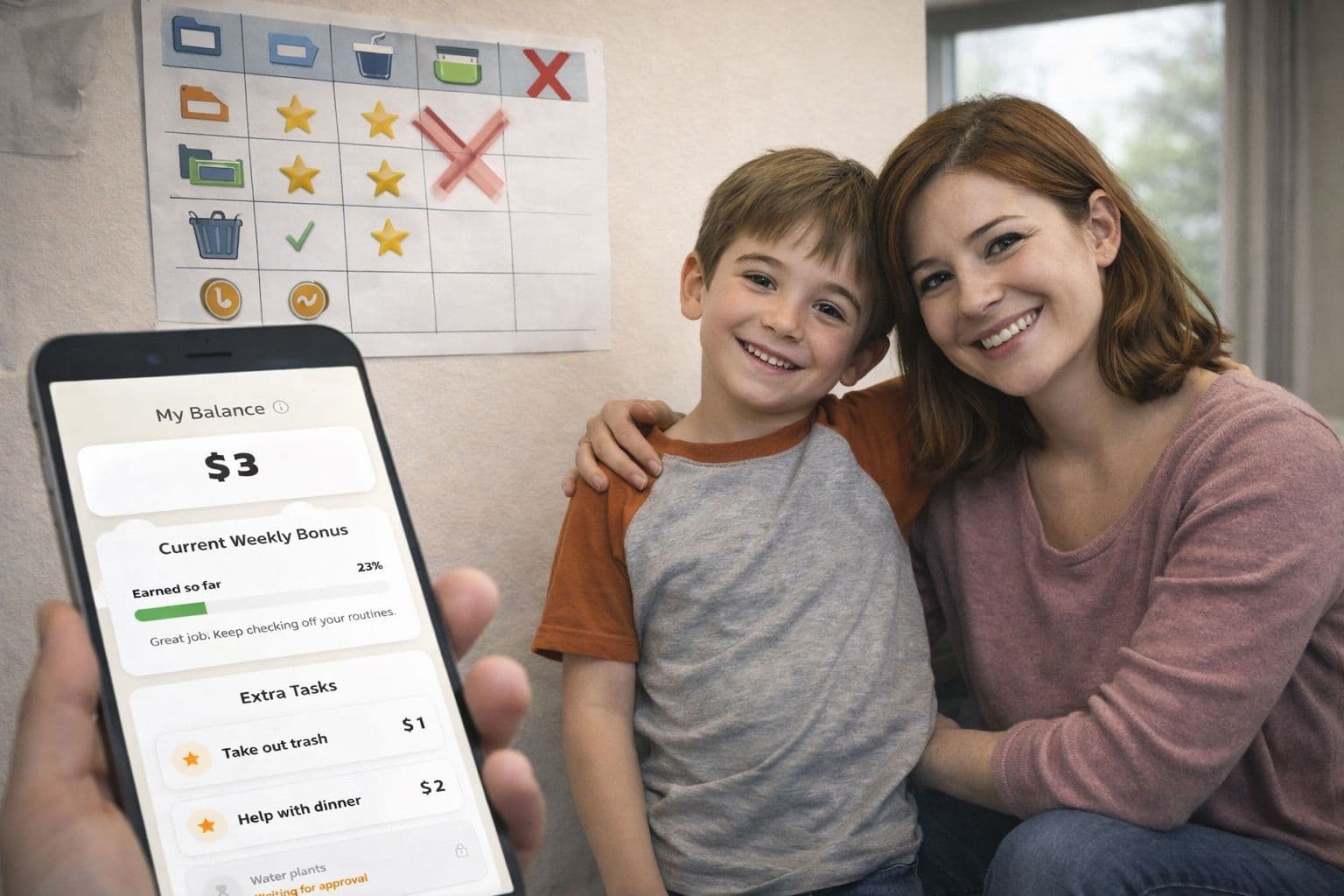
Many parents of children with neurodiversity (NDD) struggle to get daily tasks done, even when the child has a clear schedule. The difference between knowing what to do and actually having the energy to start the task often comes down to motivation.
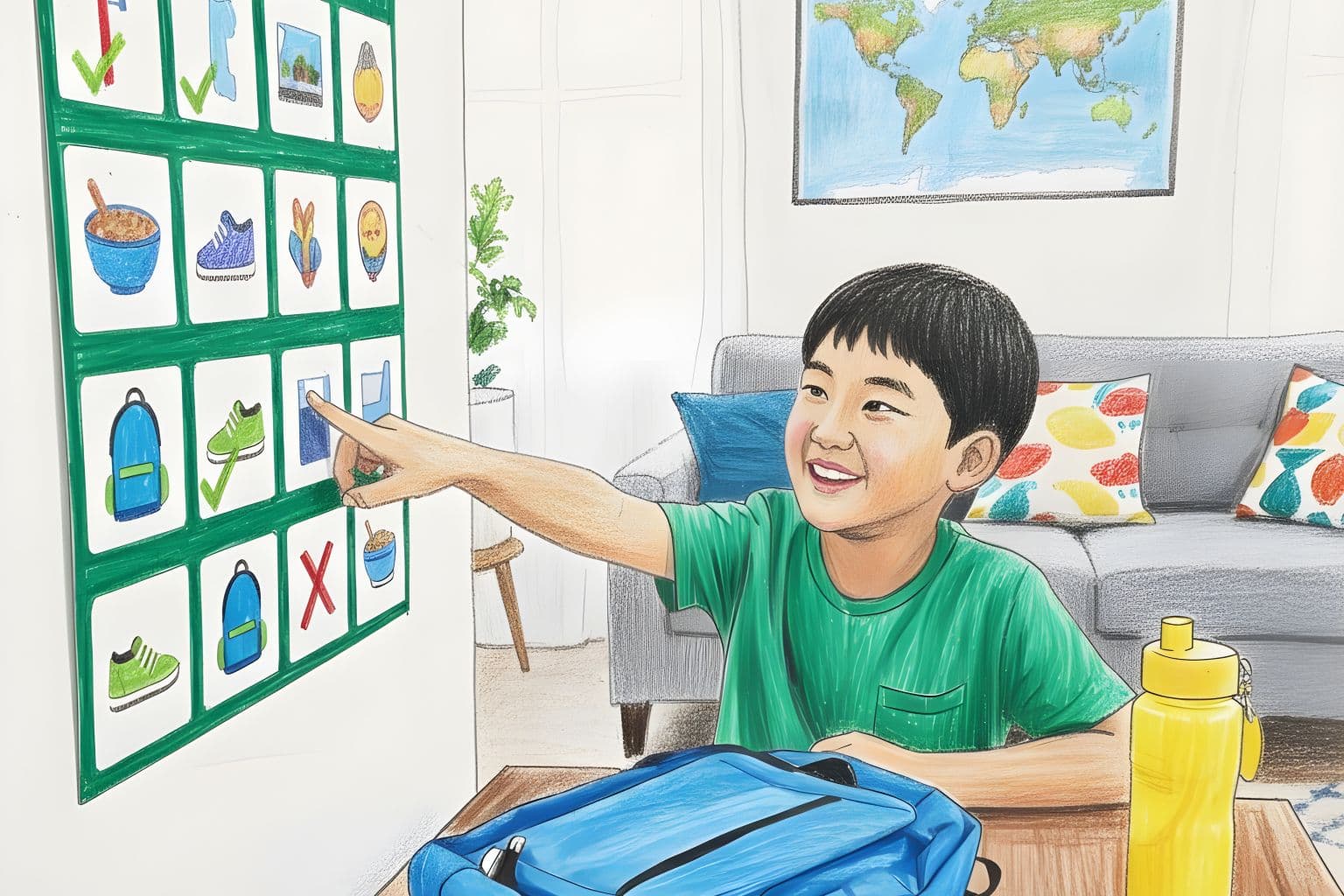
For many children with neurodevelopmental disorders (NDD) such as ADHD or autism, everyday life can feel like a puzzle with a thousand pieces. Verbal instructions easily get lost in the noise, transitions create anxiety, and the ability to self-organize is a constant challenge. This is where visual supports come in as a lifesaver—a concrete tool that creates clarity, predictability, and thus, security.