Visual Supports: The Key to a Calmer Life with Neurodiversity
For many children with neurodevelopmental disorders (NDD) such as ADHD or autism, everyday life can feel like a puzzle with a thousand pieces. Verbal instructions easily get lost in the noise, transitions create anxiety, and the ability to self-organize is a constant challenge. This is where visual supports come in as a lifesaver—a concrete tool that creates clarity, predictability, and thus, security.
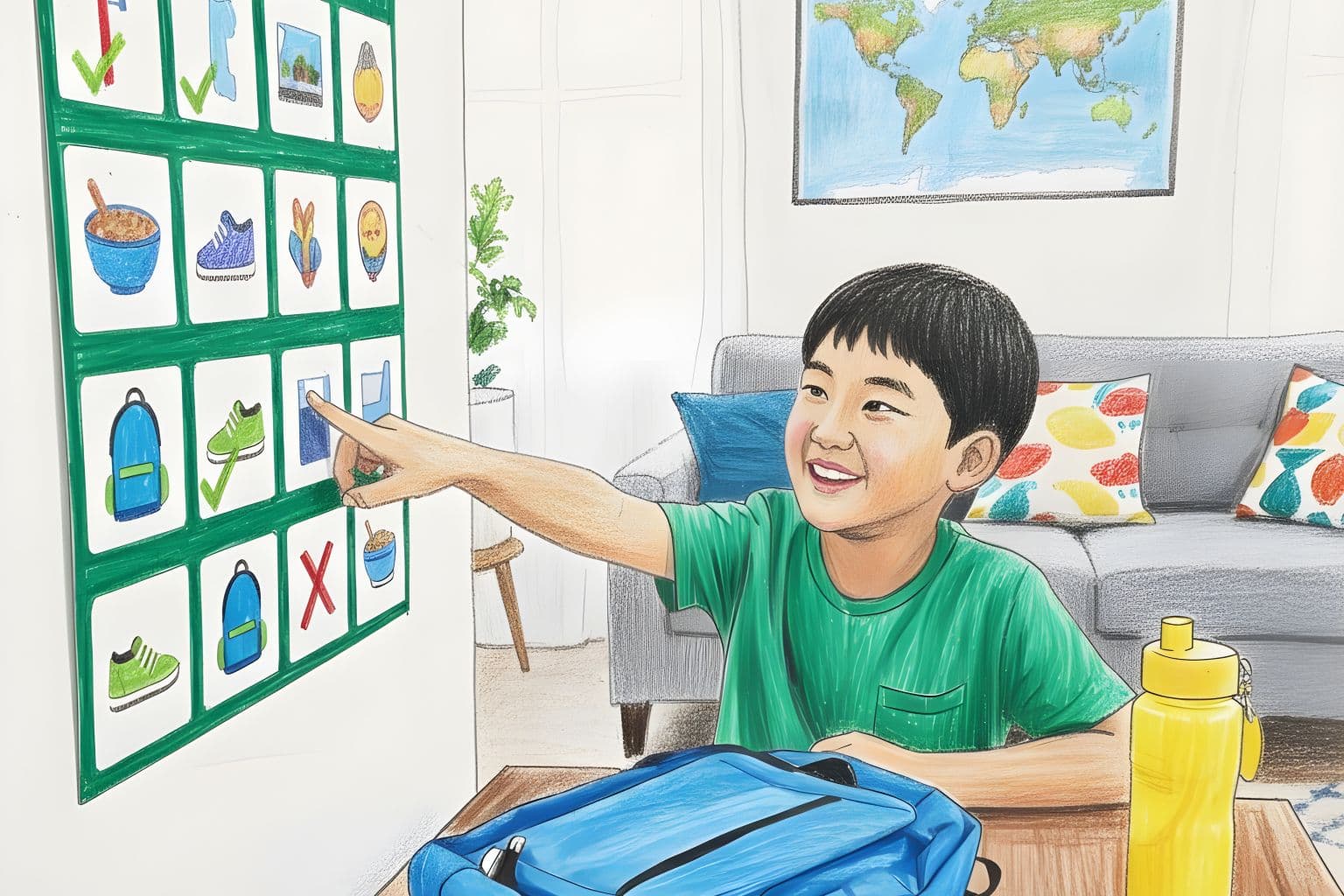
1. Why Visual Supports Work for the Neurodivergent Brain Neurodivergent brains tend to process information differently. Verbal instructions are fleeting and require the child to hold a lot of information in working memory simultaneously. Visual supports, however:
- Are concrete: A picture of a toothbrush is clearer than hearing "brush your teeth."
- Are permanent: The image remains available to look at repeatedly.
- Reduce overload: The child doesn't need to interpret tone of voice or body language.
2. Create Predictability and Reduce Anxiety One of the biggest challenges for many with NDD is uncertainty. What's happening now? What should I do next? A visual daily schedule or a routine with visual supports provides a clear overview of what to expect. This reduces anxiety around transitions and gives the child a sense of control over their own day.
3. Promote Independence and Self-Esteem When the child can check off tasks on a visual list, responsibility shifts from the parent to the child themselves. This builds an incredible sense of competence and self-esteem. Instead of being told what to do, the child becomes their own "manager" of the routine. Apps like Routined are perfect for this, as the child can check off digitally and receive visual feedback.
4. Reduce Conflicts and Nagging in Everyday Life Nagging often arises when verbal instructions are not received or followed. With visual supports, it is no longer the parent who is nagging, but the routine (or the app) that shows the next step. This de-escalates the situation and allows the parent to act as a coach instead of a police officer, significantly reducing conflicts.
5. Adapt and Involve the Child The key to success with visual supports is to adapt them to the child's age, interests, and specific needs. Involve the child in choosing images or creating routines. When they feel ownership, the motivation to follow the routine increases.