Empty bag
A school bag isn't one thing — it's several errands at once. The lunchbox heads to the kitchen, the gym clothes to the laundry, the note to the fridge door. The visual support below splits the bag into destinations instead of one big pile.
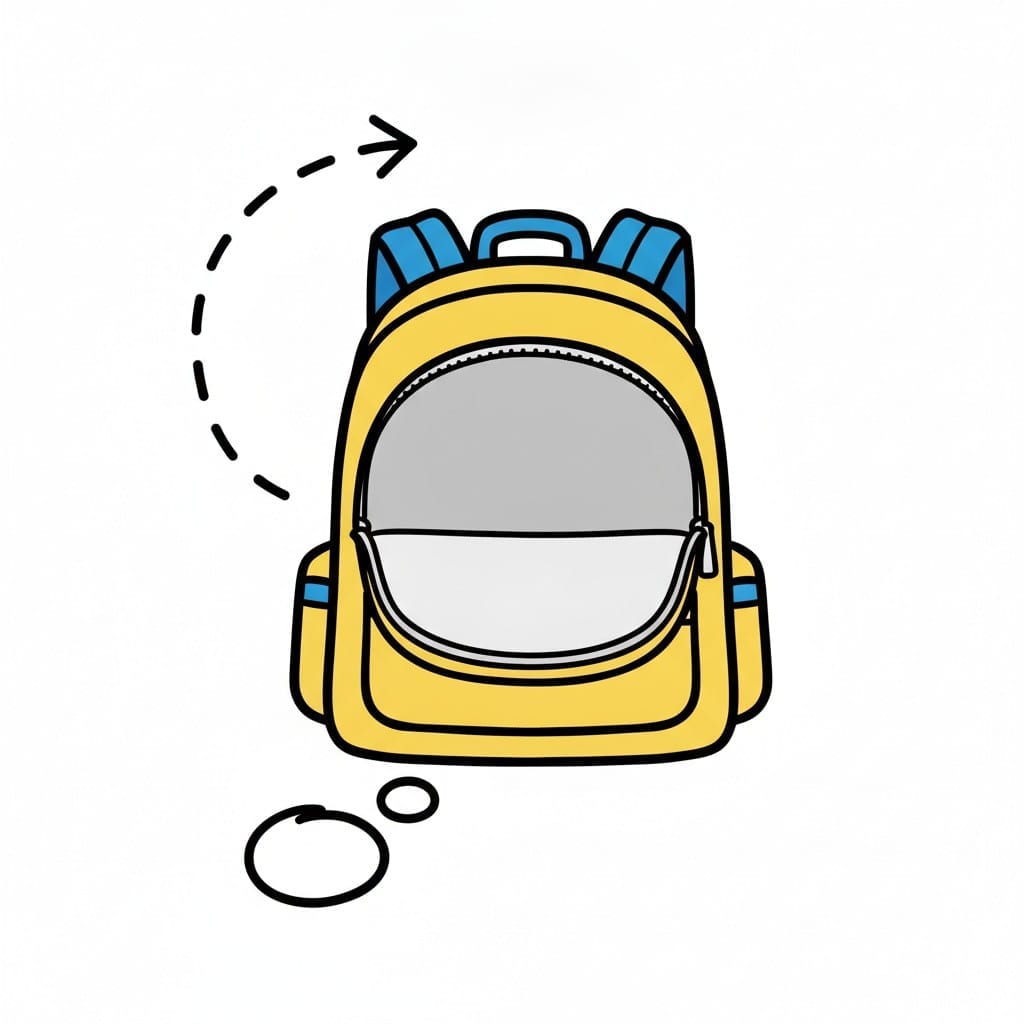
Open yellow backpack
A yellow backpack with blue straps and an open main compartment, with a dashed arrow pointing away from the bag.
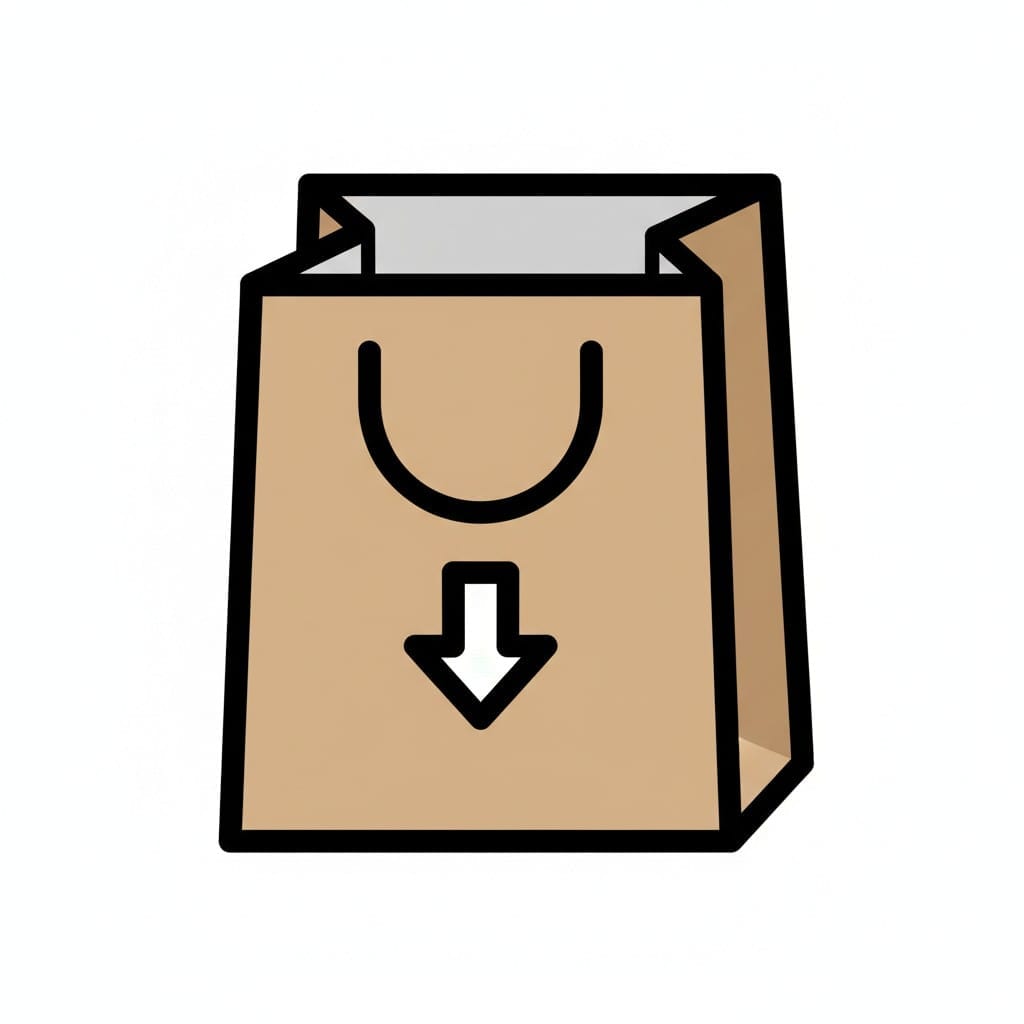
Empty bag
A brown paper bag with a downward arrow, symbolizing emptying.
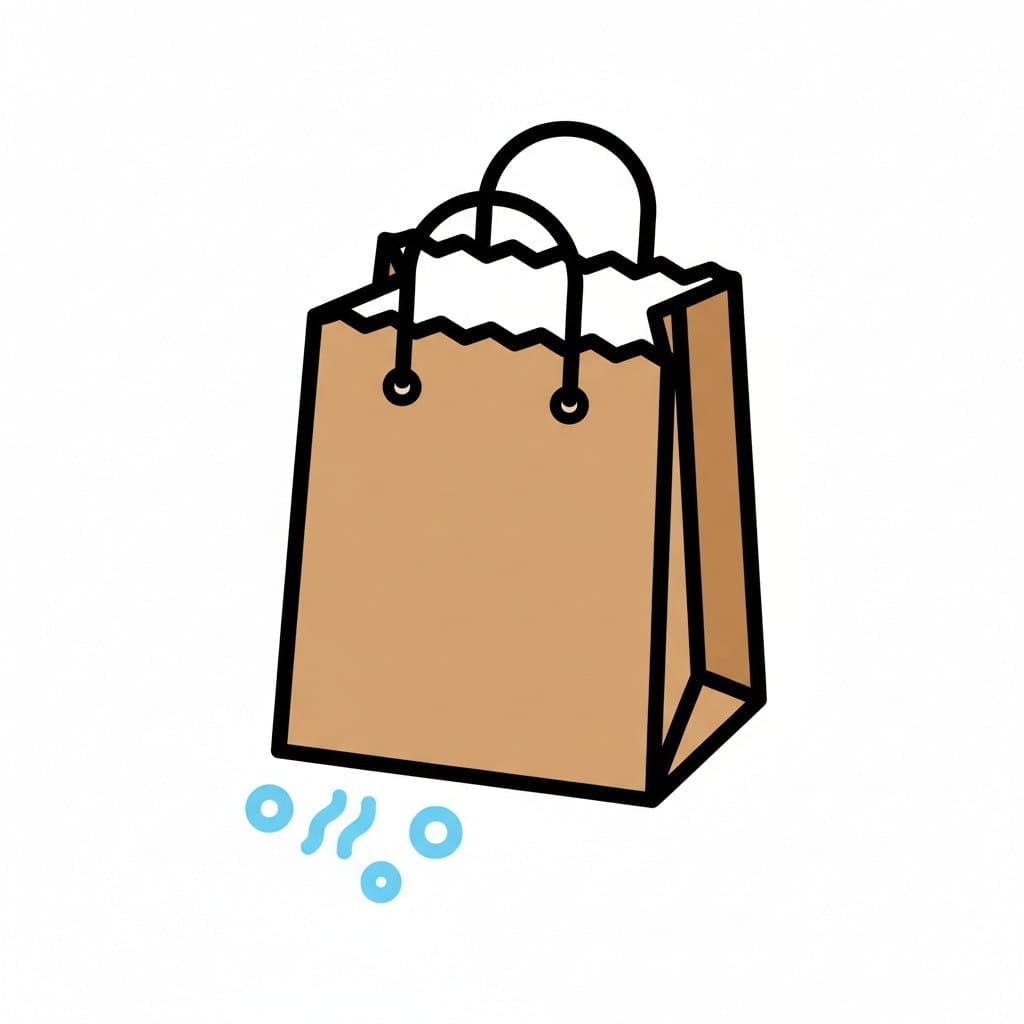 ♀
♀Empty bag
A brown paper bag with small blue abstract shapes, representing items, spilled out below it.
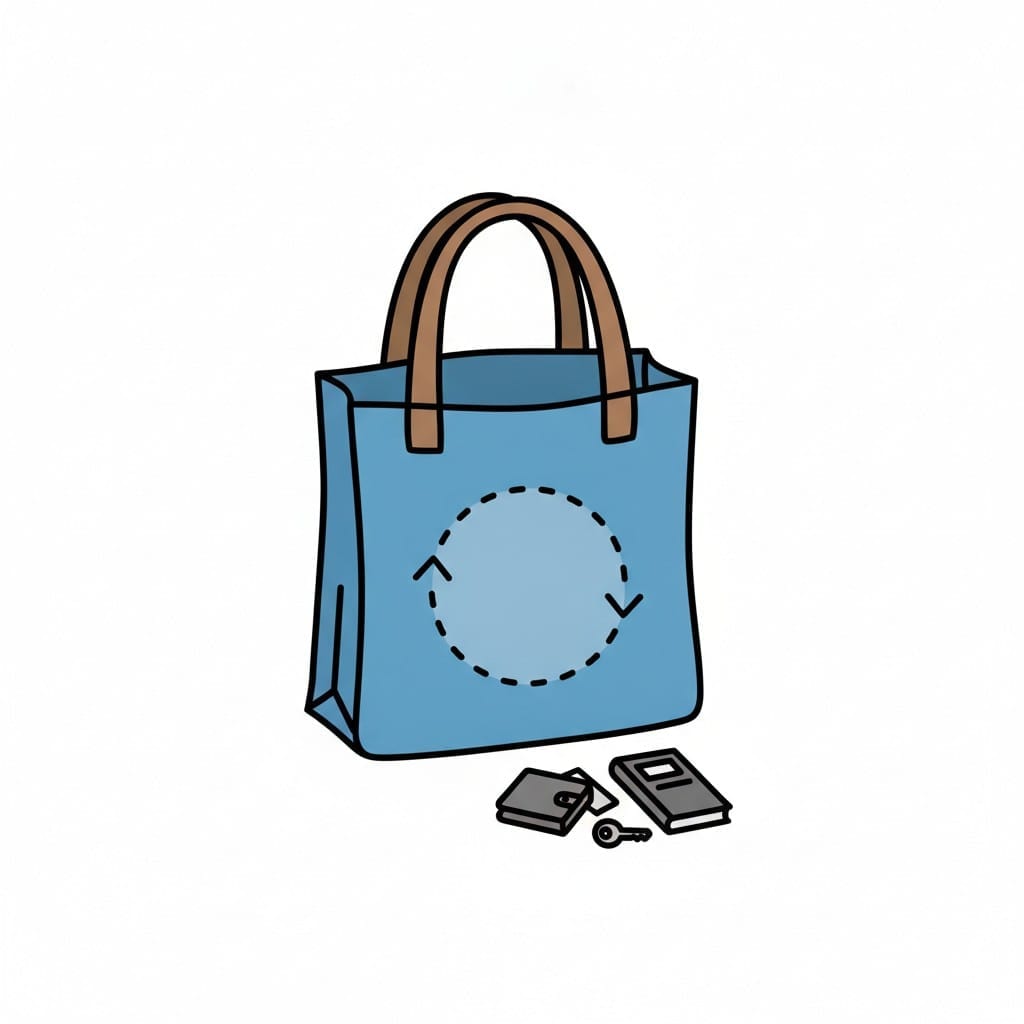
Emptied blue tote bag
A blue tote bag with brown handles and a dashed circle on the front, with a wallet, a key and a book placed outside the bag.
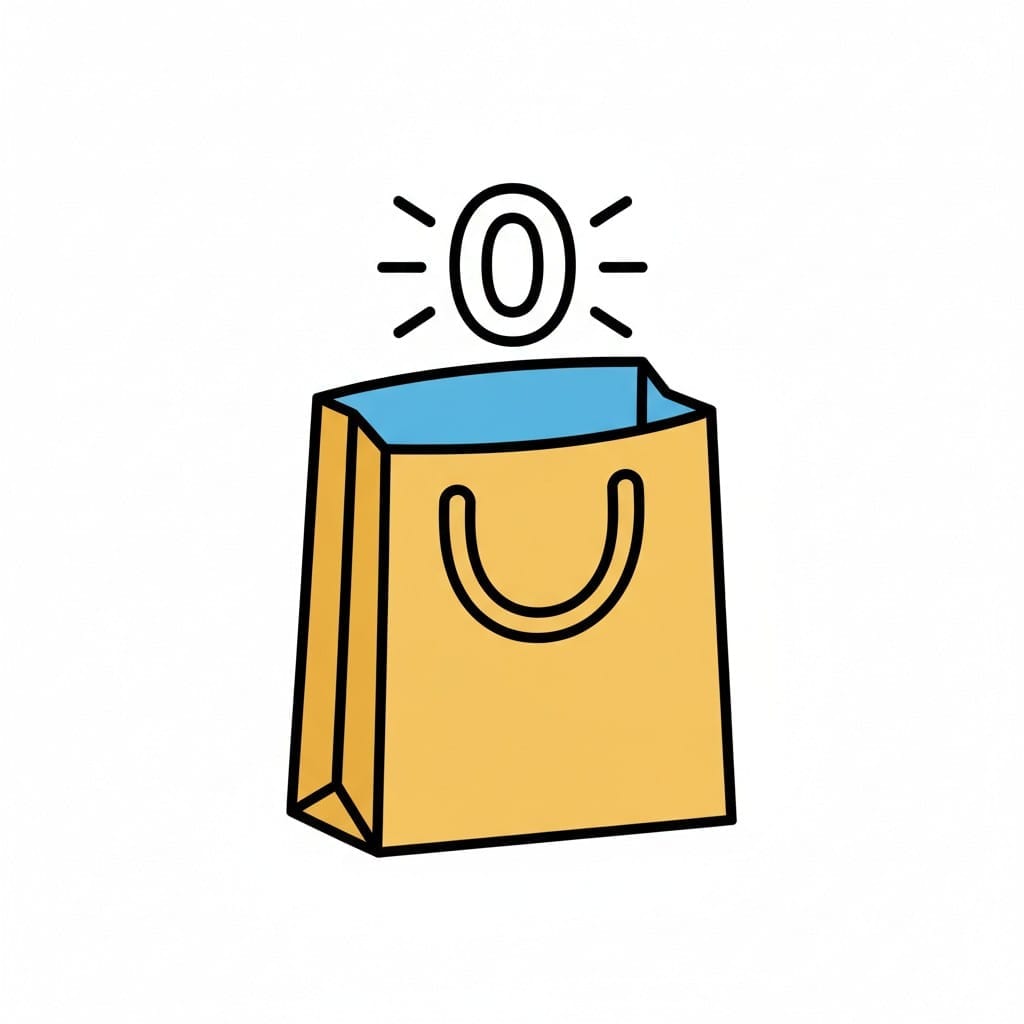
Empty yellow paper bag
An empty yellow paper bag seen from above with a zero surrounded by rays above the opening.
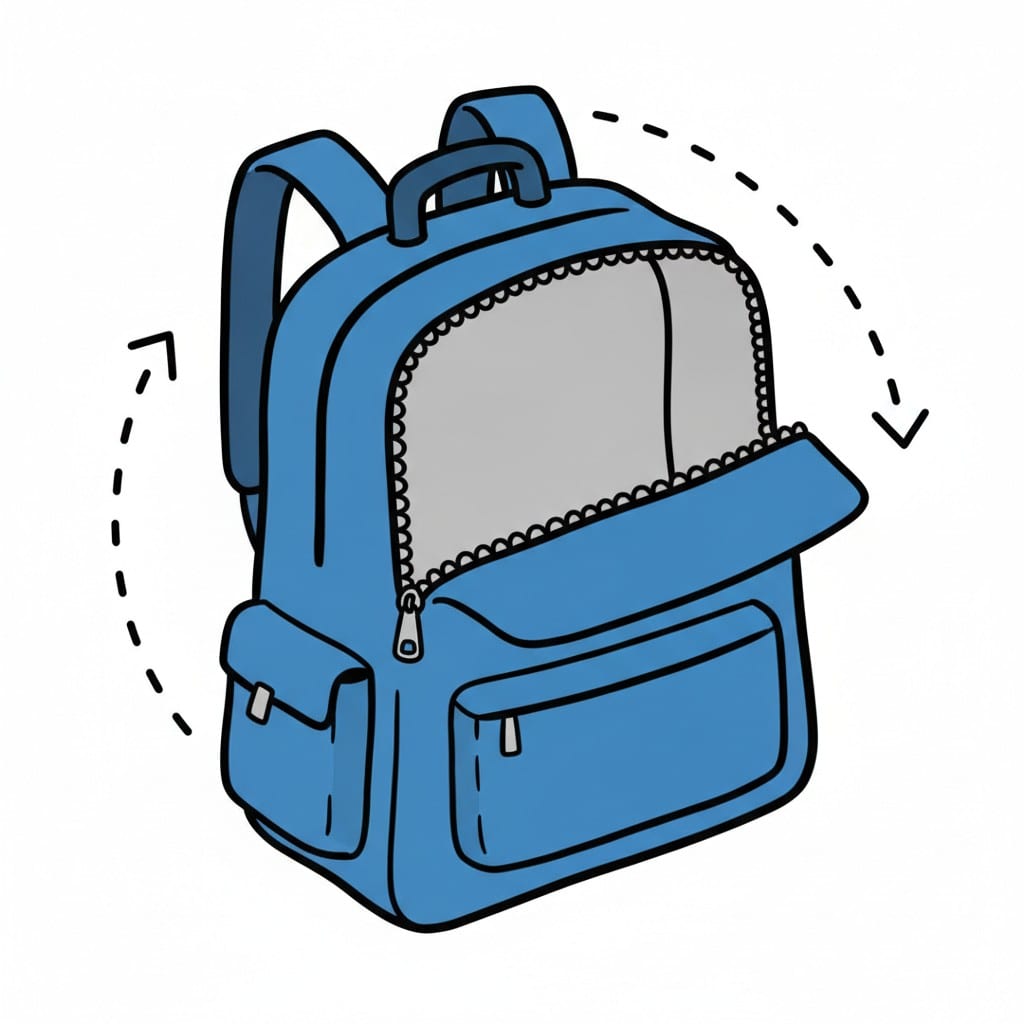
Open blue backpack with arrows
A blue backpack with the zip open and an empty compartment, with dashed arrows on both sides.
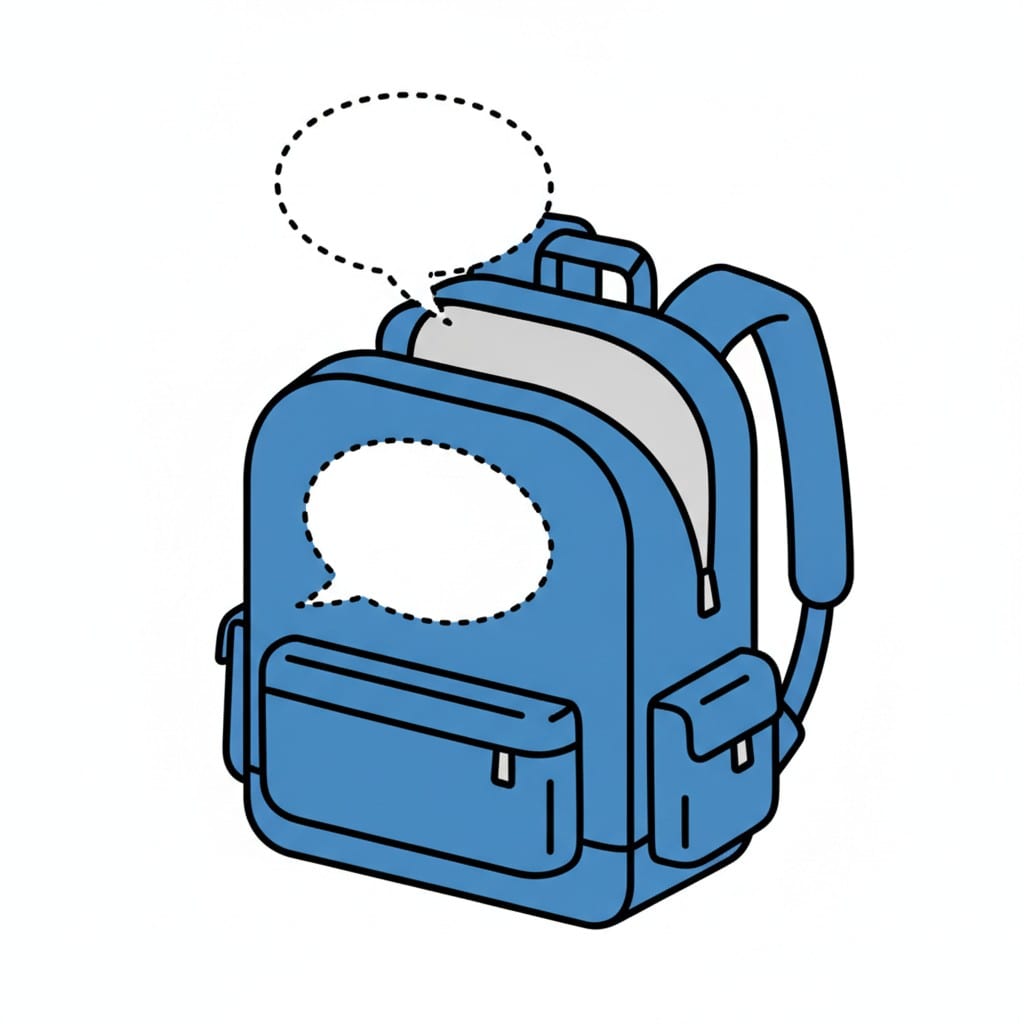
Blue backpack with empty speech bubbles
A blue backpack with an open compartment and two dashed empty speech bubbles beside it.
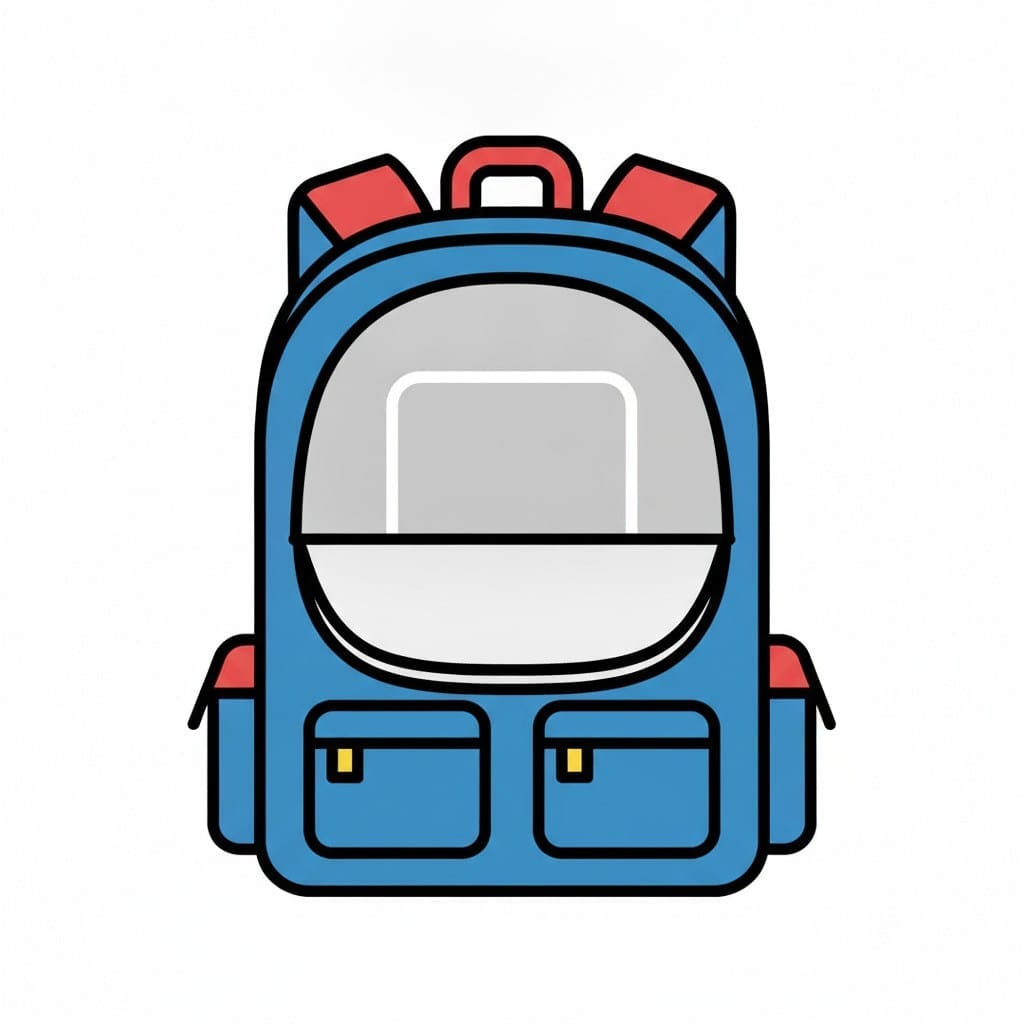
Blue backpack with red straps
A blue backpack with red shoulder straps, an open empty main compartment and two pockets with yellow zips.
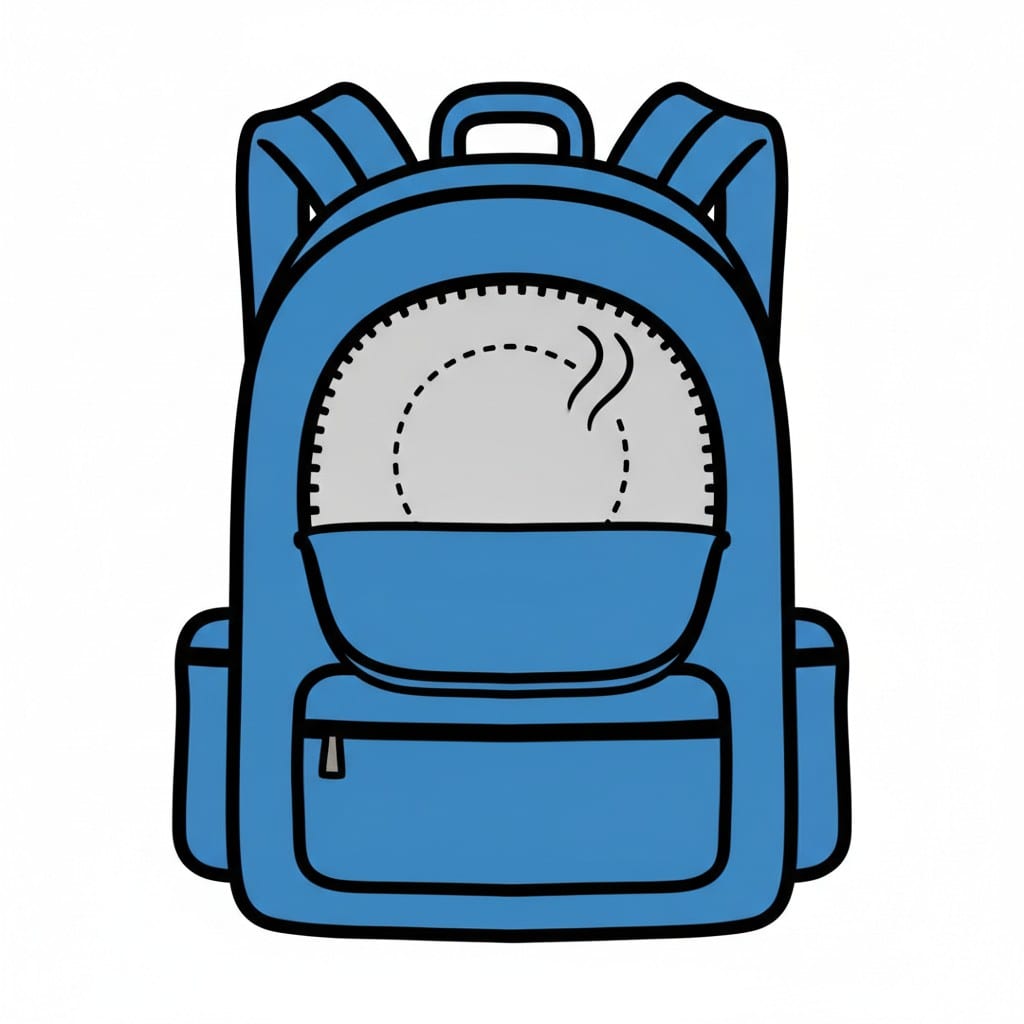
Blue backpack with an empty pocket
A blue backpack seen from the front with the main compartment unzipped and empty and a zip pocket at the bottom.
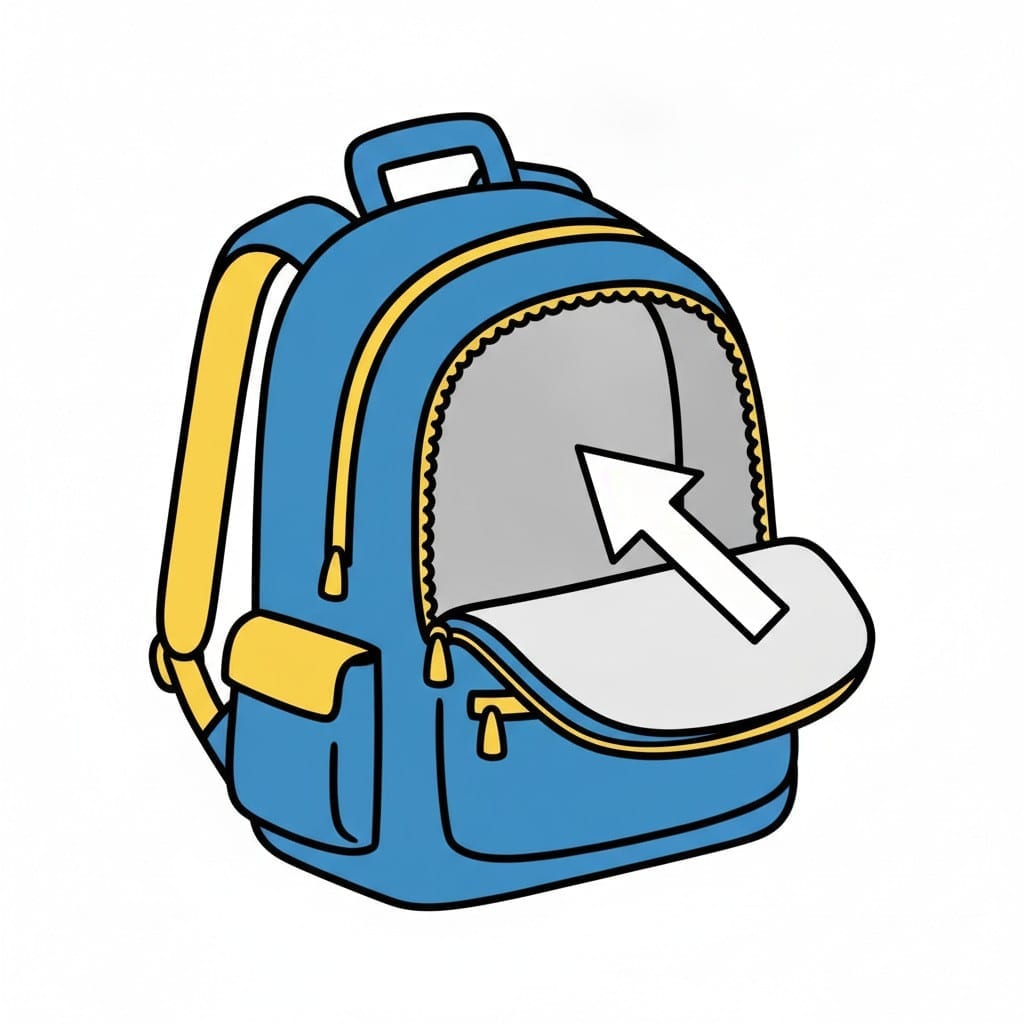
Blue backpack with an arrow
A blue backpack with yellow zips and an open compartment, with a white arrow pointing into the bag.
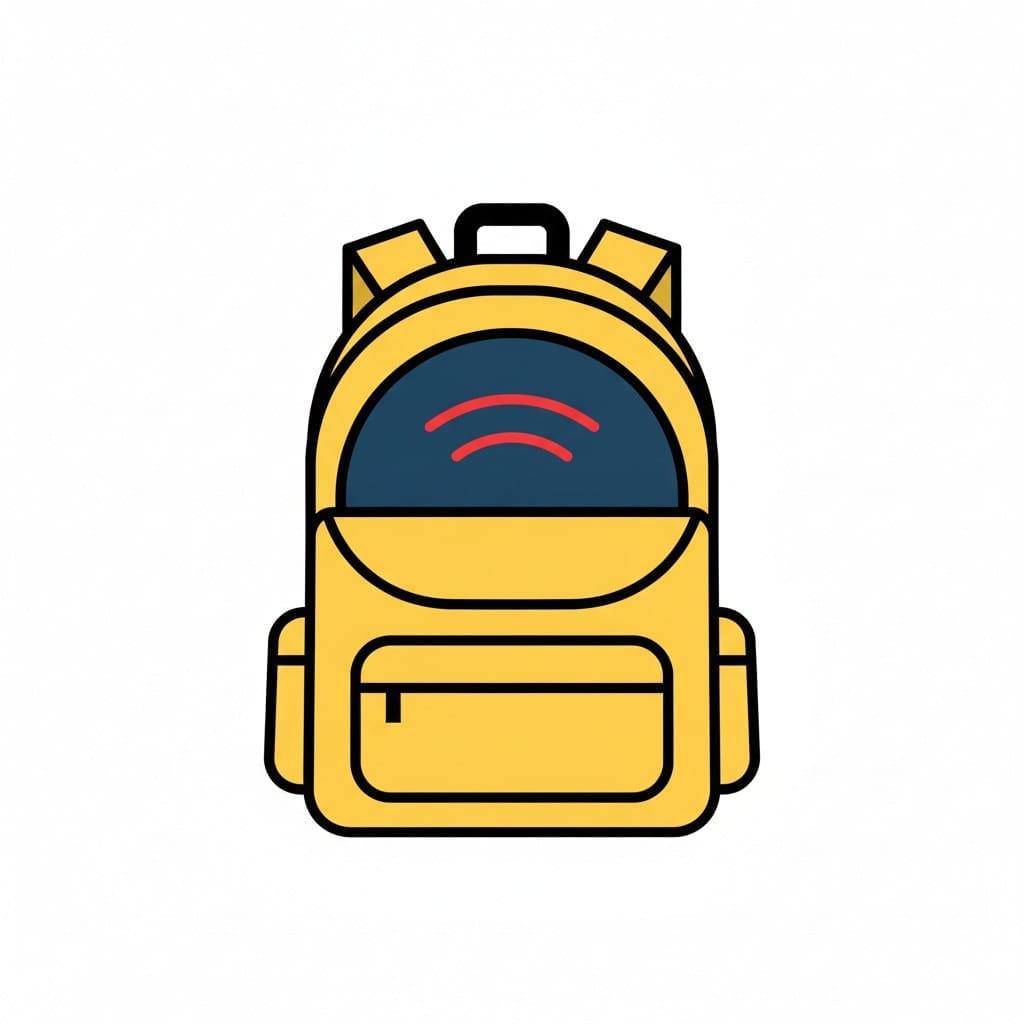
Yellow backpack with an empty compartment
A yellow backpack with an open dark blue main compartment showing two red arcs and a pocket at the bottom.
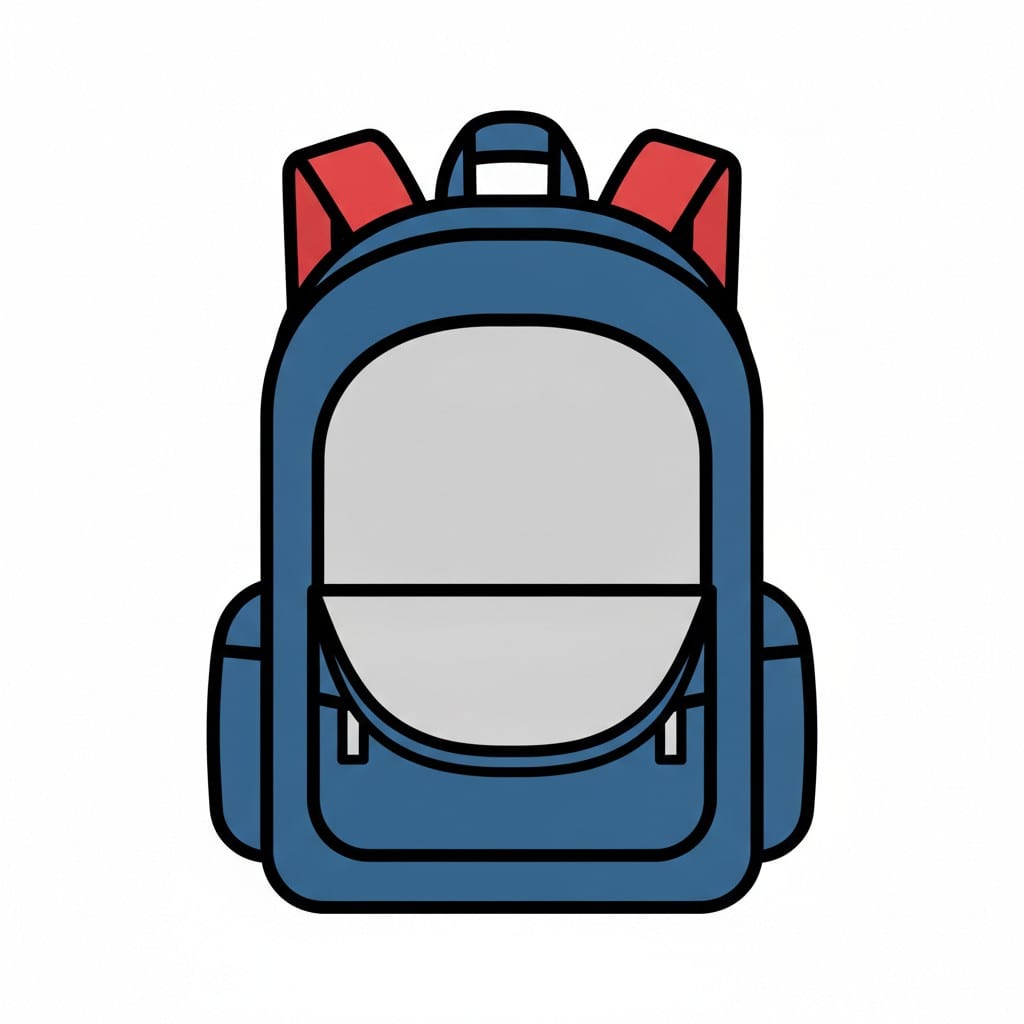
Dark blue backpack with an empty front pocket
A dark blue backpack with red shoulder straps and a large empty grey front pocket.
About this visual support
What looks like one step — empty the bag — is really four or five. The lunchbox has to reach the kitchen before it gets forgotten at the bottom with the crumbs. The gym clothes should land in the laundry basket while they still smell distinct enough to end up in the right wash. The note from the teacher has to reach an adult who can read it before Monday. And the bag itself has to hang where it belongs, so the next morning doesn't start with searching.
It isn't the amount of stuff that's tricky, it's that everything has to go in different directions at once. Pictures handle exactly that part: each item in the bag gets its own card and its own destination. When your child sees the row, they understand the task isn't finished just because the zipper is open.
A concrete tip for the bag: use a separate card row for each room destination — kitchen, laundry basket, fridge door, hook. Then it's your child moving the things, not you calling out what's next. In the Routined app you can build the sequence so it kicks in when the school day ends and closes when the bag hangs empty on its hook.
Use this image in a schedule
Build your own visual schedule with this image and download it as a print-ready PDF. Completely free.
More similar visual supports
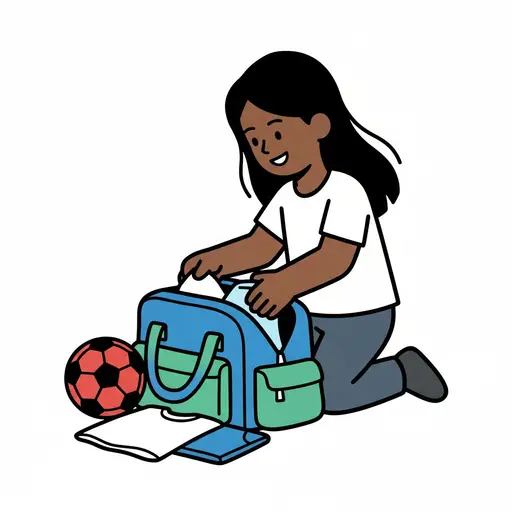
Unpack school sports bag
A girl kneels and unpacks a blue and green sports bag. A soccer ball and papers ...
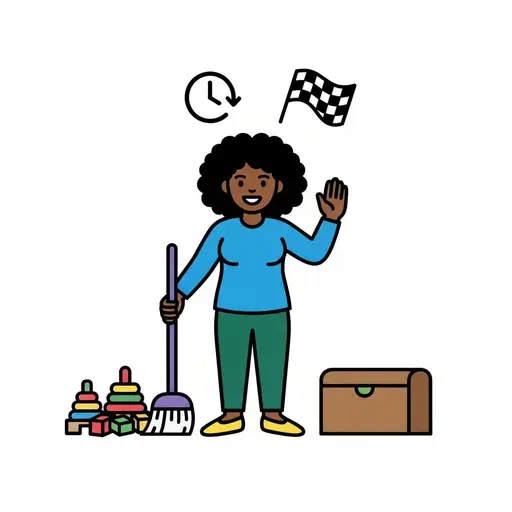
Finish up
An adult with a mop holds up a hand beside a clock and a finish flag, with toys ...
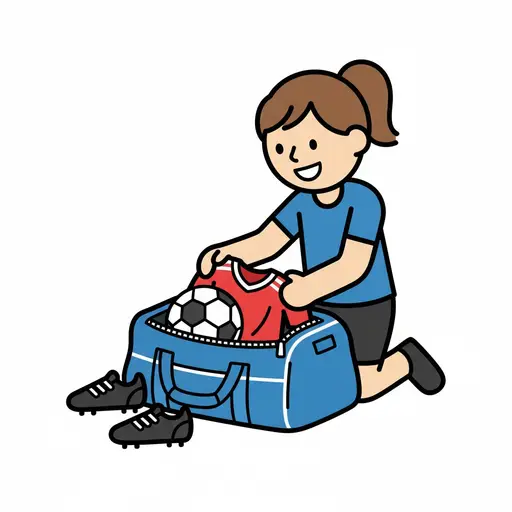
Unpack soccer bag
A person kneels, unpacking a soccer jersey and a soccer ball from a blue sports ...
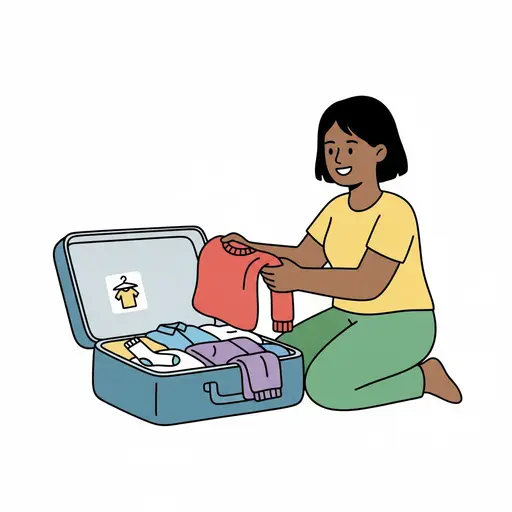
Unpack bag
A smiling person kneels and takes a red top out of a blue suitcase full of folde...
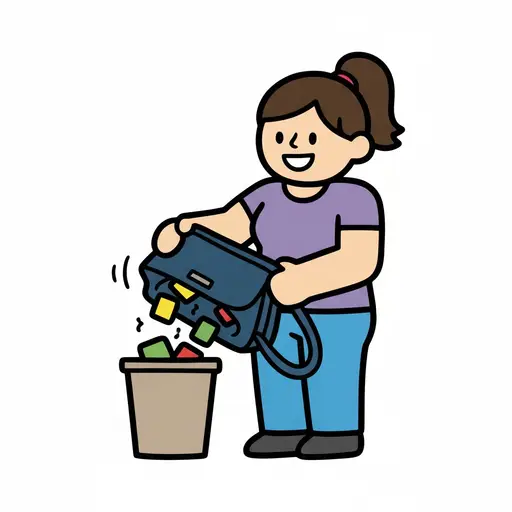
Empty your bag
A person empties a bag with colorful items into a trash bin.
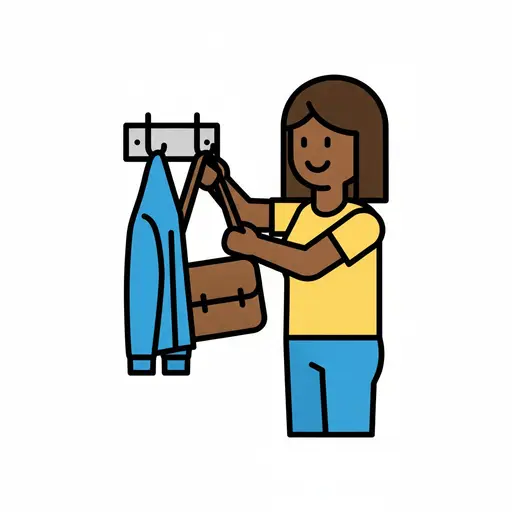
Hang up coat and bag
A smiling person hangs a blue jacket and a brown shoulder bag on a row of hooks ...
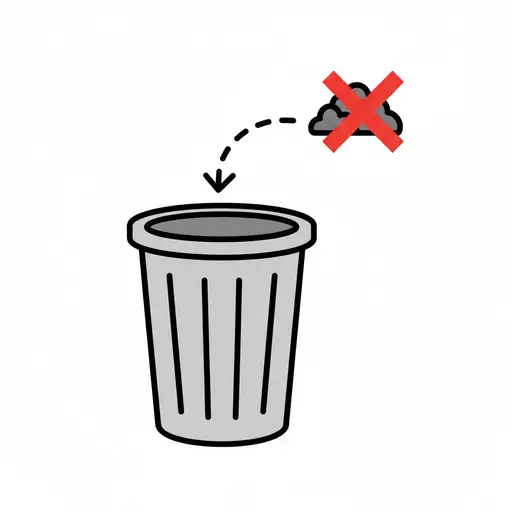
Empty the wastebasket
An empty wastebasket with an arrow from a crossed-out rubbish cloud.
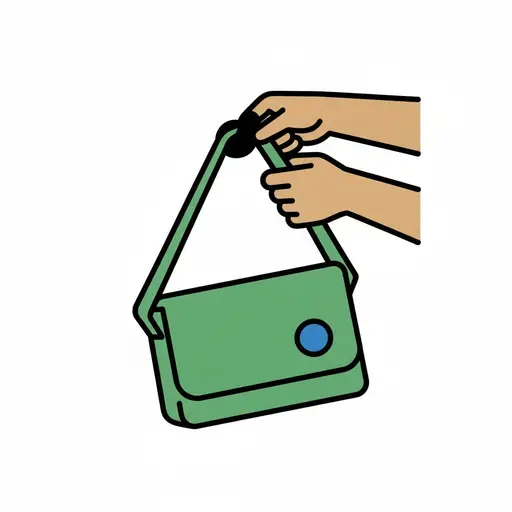
Hang up the bag
Hands hang a green shoulder bag on a hook.
This visual support in other languages
Take the visual supports with you
In Routined you build schedules from these pictures, add timers and voice instructions, and your child follows the day on their own.


* 14-day free trial, then $2.39 a month or $20.99 a year (US pricing). Cancel anytime.