Empty trash
The smell hits when the lid lifts, the bag is heavier than expected, and the walk to the bin carries the risk of a leak. No wonder children hesitate. The images below break the task into shorter, less overwhelming pieces.
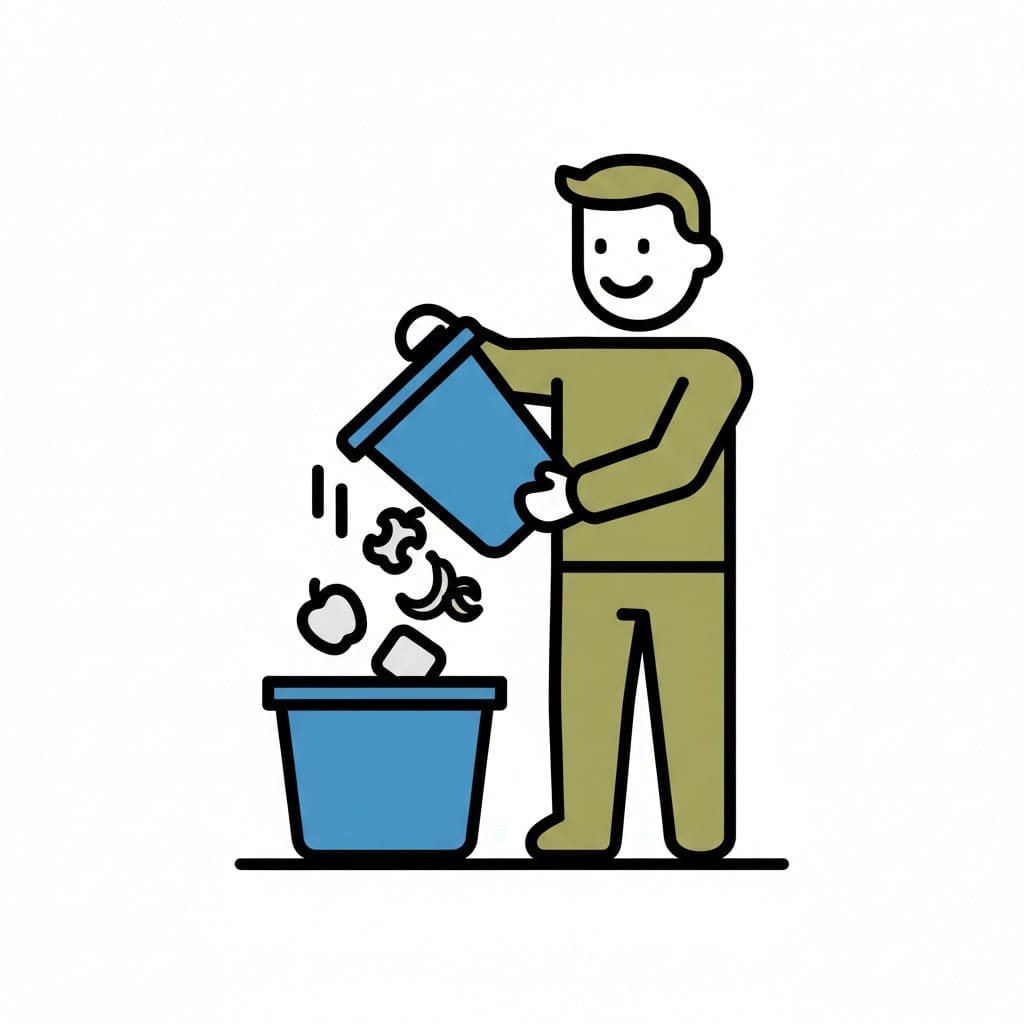 ♂
♂Empty trash
An illustration of a man emptying a small blue trash can into a larger one.
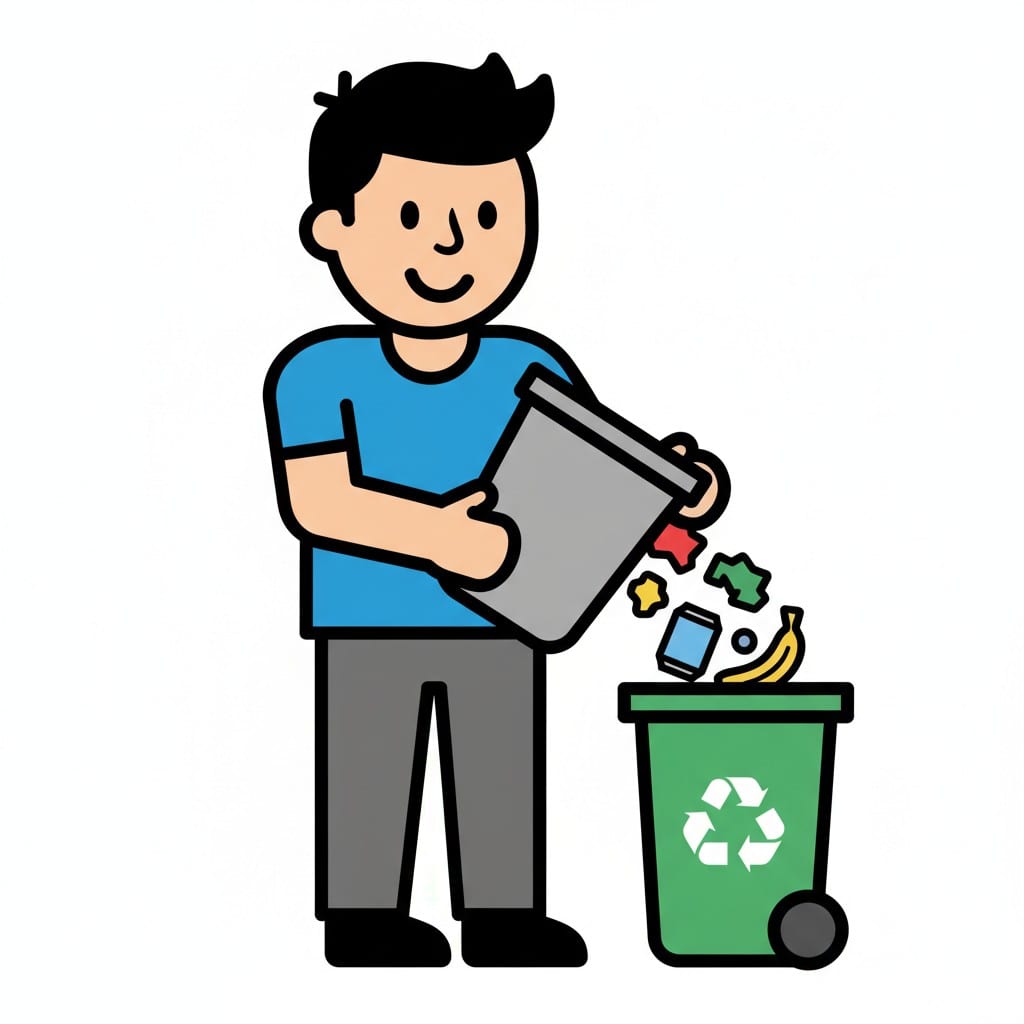 ♂
♂Empty trash
An illustration of a boy emptying a small gray trash can into a large green recycling bin with a recycling symbol on it. Assorted trash falls into the bin.
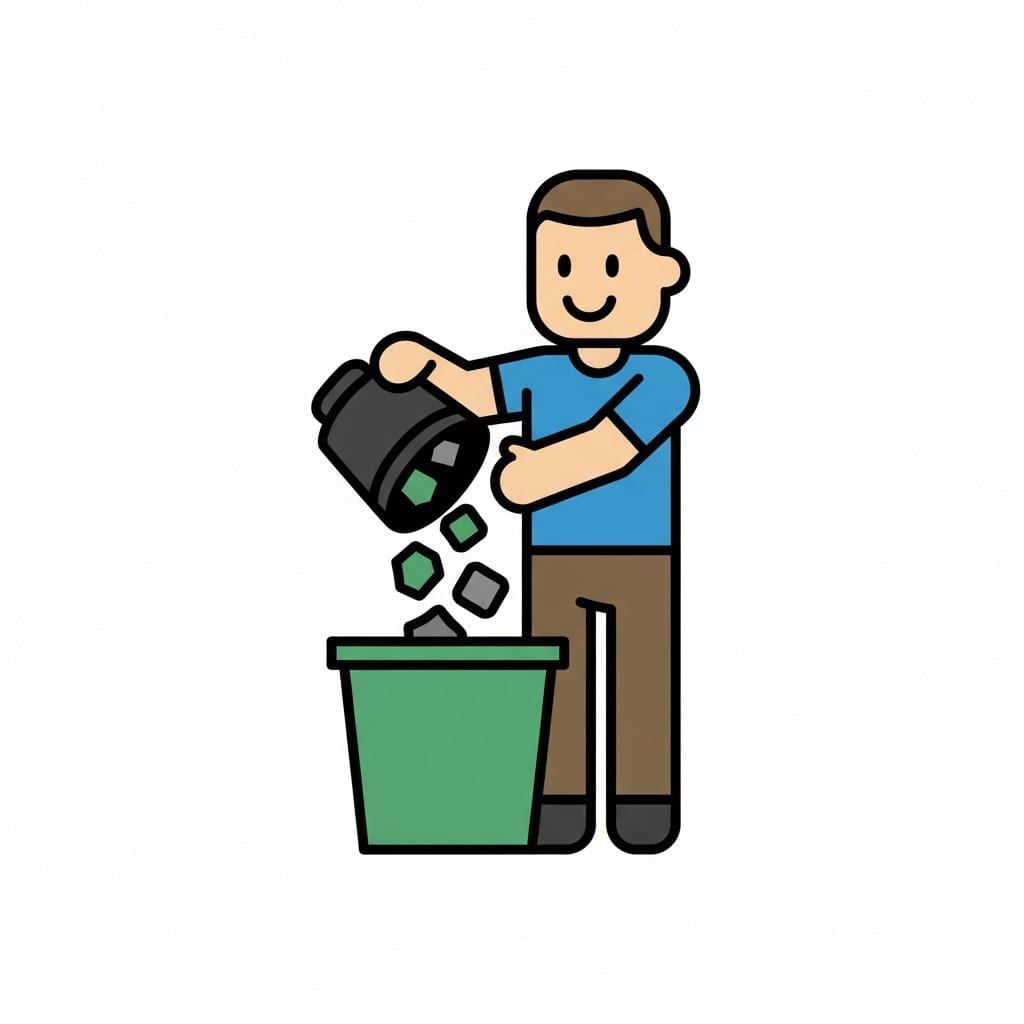 ♂
♂Man pouring a bin into a green container
A man in a blue t-shirt tips a small black bin upside down over a larger green container so the rubbish falls in.
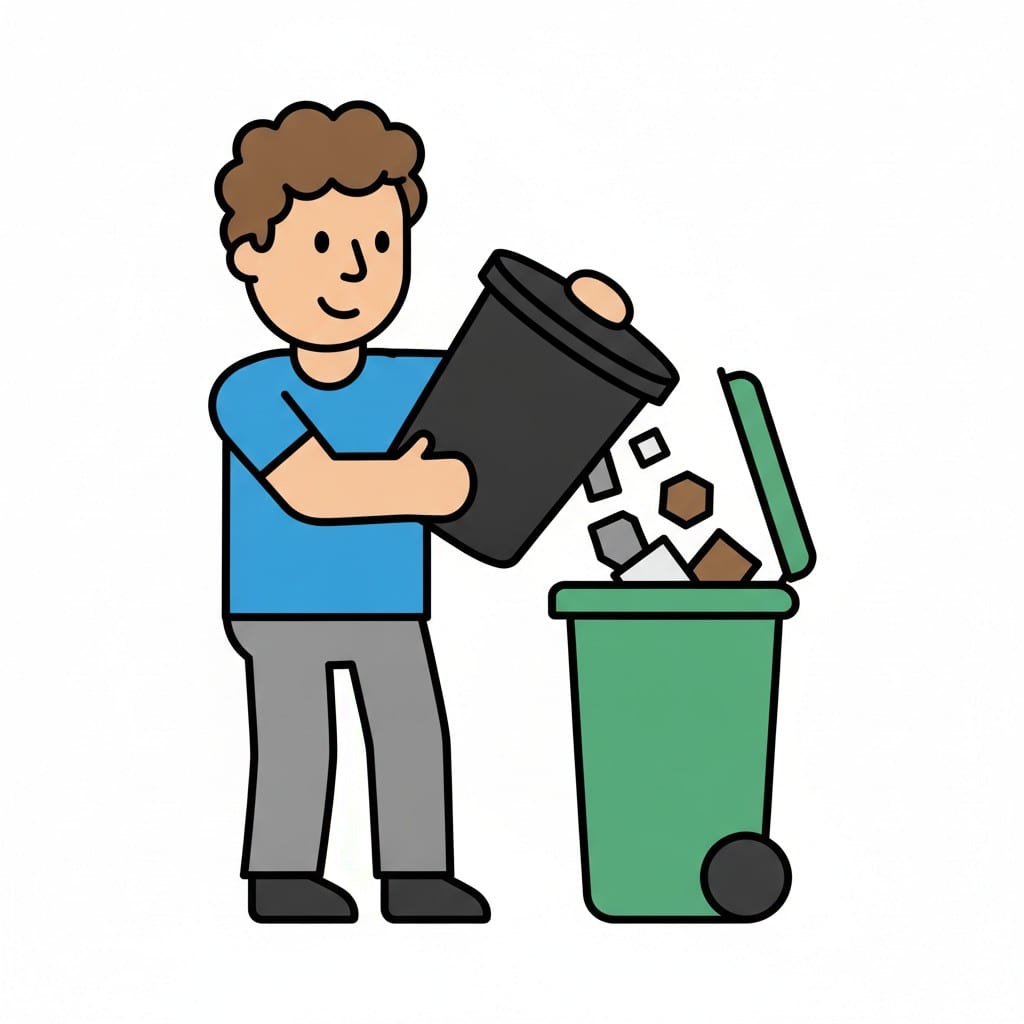 ♂
♂Boy emptying the trash
A boy empties a small bin into a green wheelie bin.
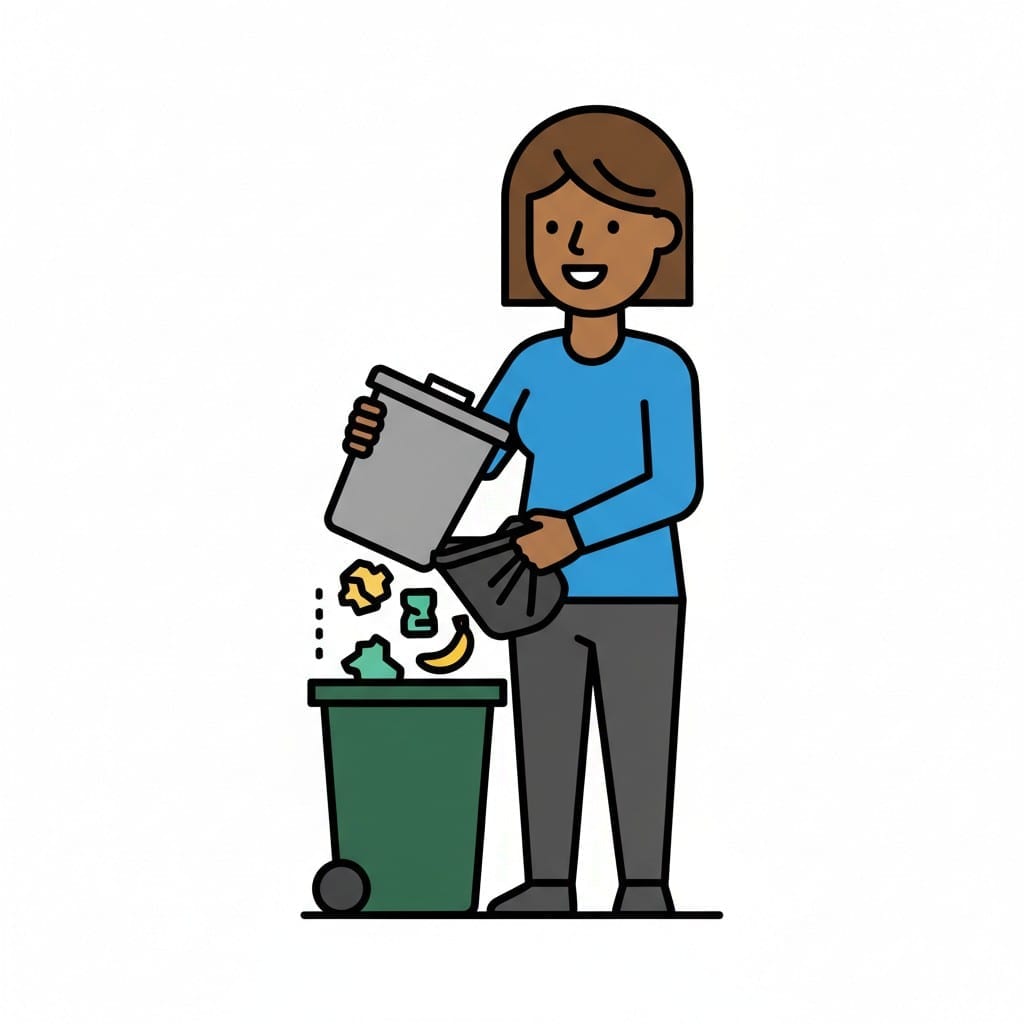 ♀
♀Emptying into the wheelie bin
A woman tips the contents of a grey wastebasket into a green wheelie bin while holding a black rubbish bag in her other hand.
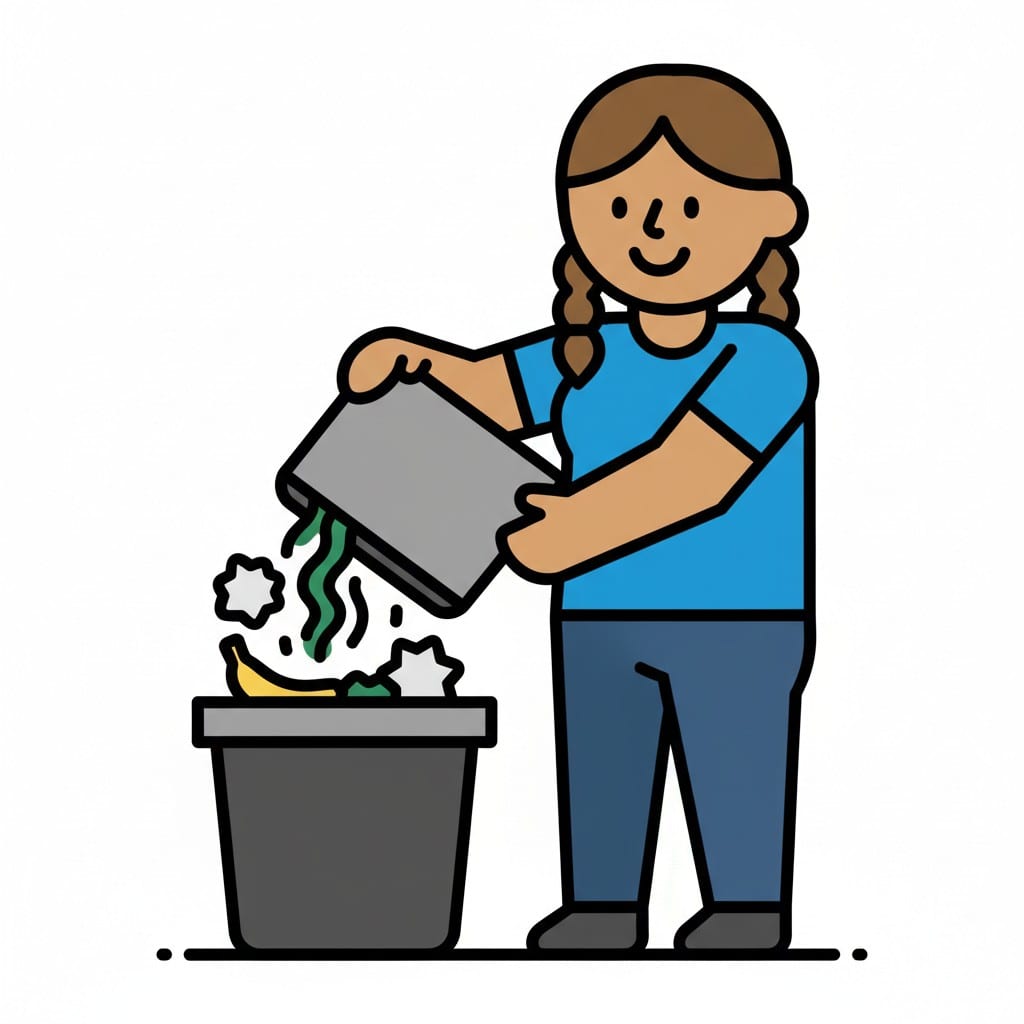 ♀
♀Emptying the wastebasket
A girl with braids tilts a grey wastebasket over a large dark bin so the rubbish falls inside.
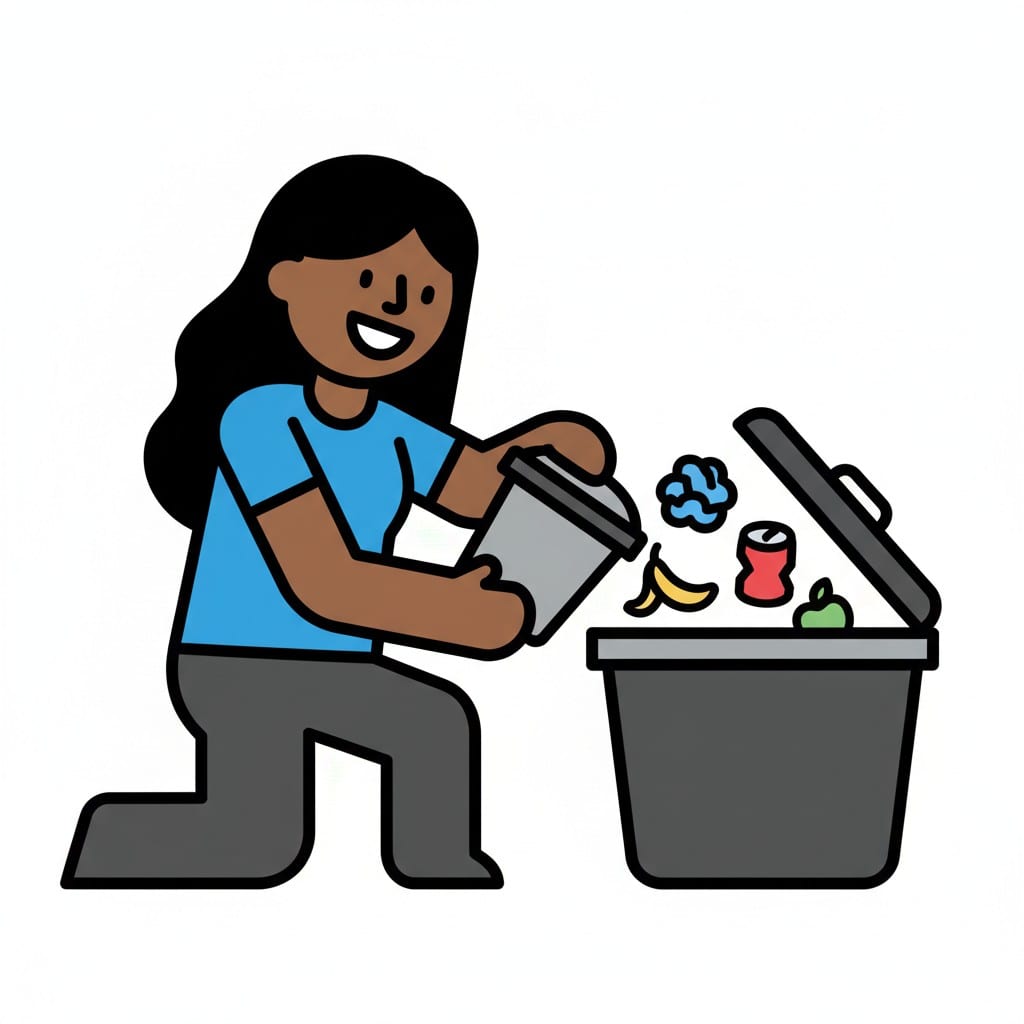 ♀
♀Emptying into the bin
Down on one knee, a woman empties a small grey bin into a large container with an open lid as a banana peel and a can tumble in.
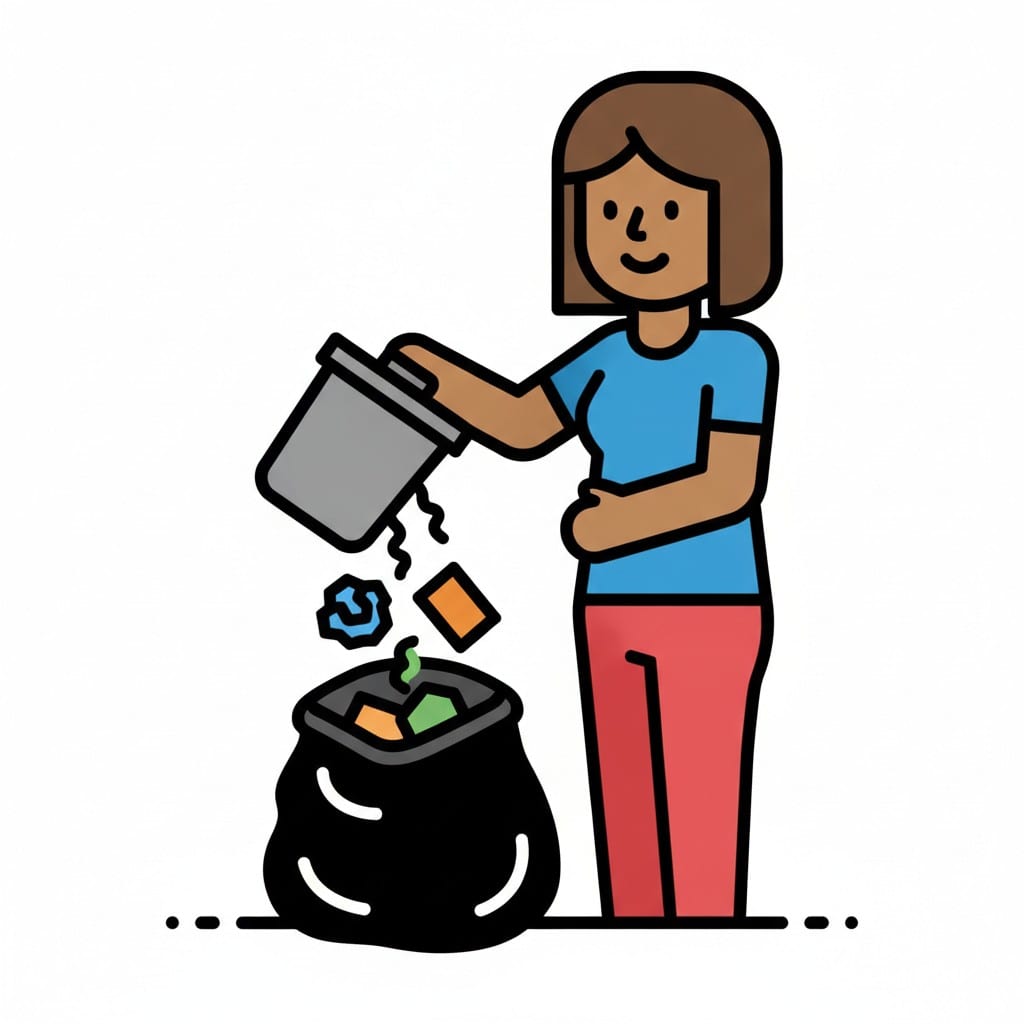 ♀
♀Emptying into a bin bag
A woman in a blue t-shirt turns a grey wastebasket upside down over a black rubbish bag standing on the floor.
About this visual support
The task itself is not complicated. What is complicated is everything happening in the body at the same time. The lid lifts and a wave of smell pushes toward the face. The bag hangs lopsided and the weight feels uneven. The thought of plastic splitting halfway across the hall stays in the background the whole way. For a child who is sensitive to smell or unpleasant textures, that is enough to make the chore feel worse than it actually is.
The visual support shifts the focus from the bodily reaction to one small action at a time: tie the bag, lift, walk, drop in the bin. Once the child sees the whole thing is only four or five frames long, the short uncomfortable stretch becomes easier to push through without freezing.
One concrete tip: keep a bundle of spare bags right next to the bin so the step of tying and replacing is done before the smell exposure begins. That halves the time the lid stays open. In the Routined app the routine can be paired with a timer that shows the whole thing takes only a minute or two.
Use this image in a schedule
Build your own visual schedule with this image and download it as a print-ready PDF. Completely free.

More similar visual supports
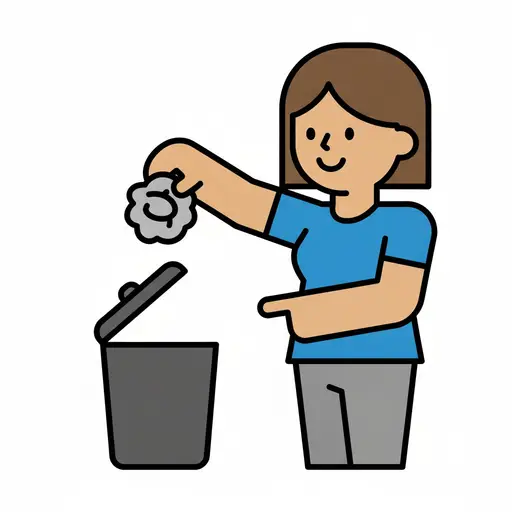
Throw away trash
A woman drops a crumpled ball of paper into a grey bin with an open lid.
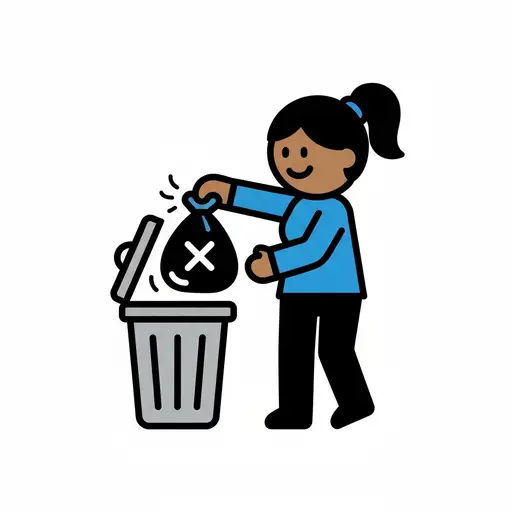
Throw out trash
A girl drops a bag of trash into an open bin.
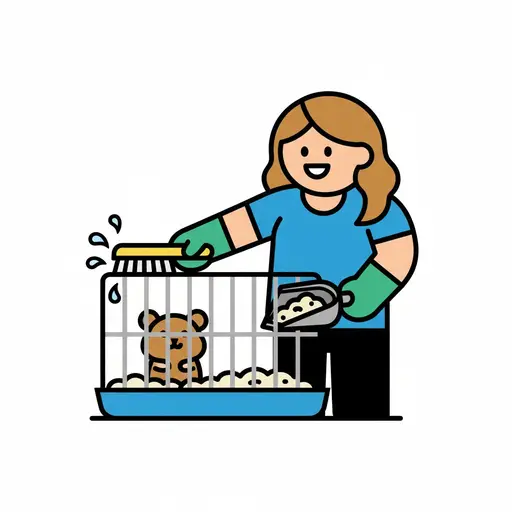
Clean cage
A woman with brown hair, wearing a blue t-shirt and green gloves, cleans a hamst...
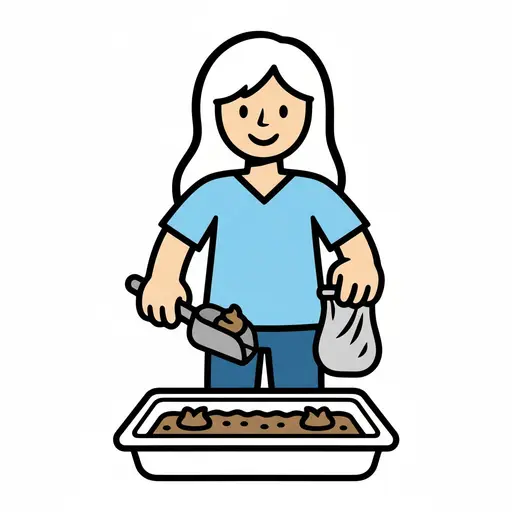
Clean litter box
A woman with long hair holds a scoop of used litter in one hand and a grey bag i...
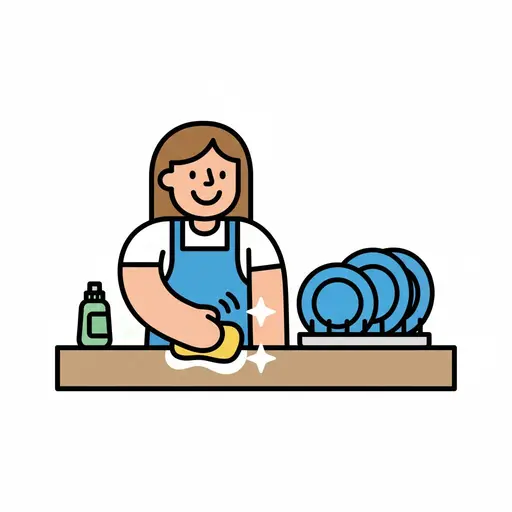
Clean the kitchen
A woman in a blue apron wipes the kitchen counter with a yellow sponge, with was...
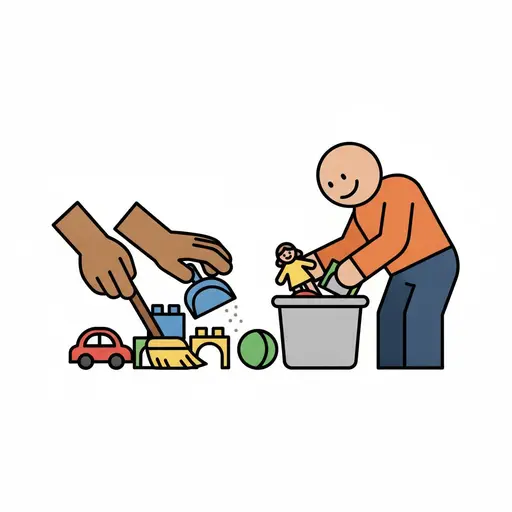
Clean up
An adult puts toys in a tub while two hands sweep up blocks and a toy car.
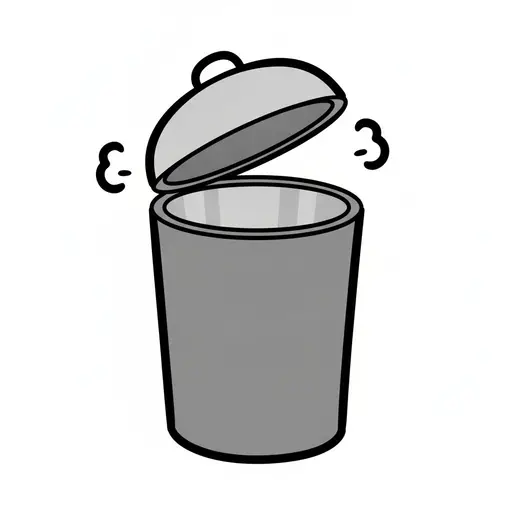
Empty the bin
A cartoon grey bin with its lid lifting open.
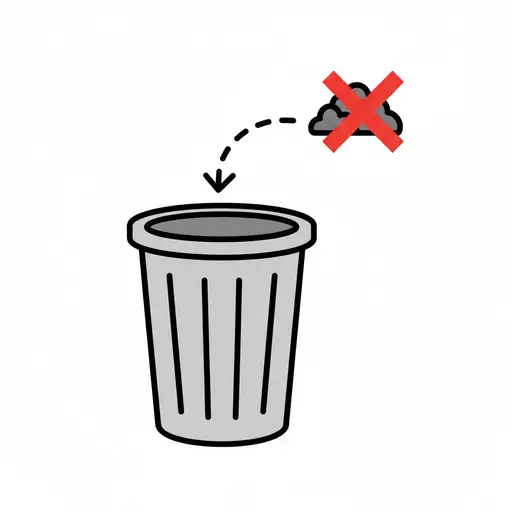
Empty the wastebasket
An empty wastebasket with an arrow from a crossed-out rubbish cloud.
Take the visual supports with you
In Routined you build schedules from these pictures, add timers and voice instructions, and your child follows the day on their own.


* 14-day free trial, then $2.39 a month or $20.99 a year (US pricing). Cancel anytime.