Unload the dishwasher
Glasses clink, forks drop, and suddenly you stand with a plate in your hand without knowing where it lives. Unloading the dishwasher is a sorting task, not a simple lift. The visual support below shows where each piece belongs.
 ♂
♂Unload dishwasher
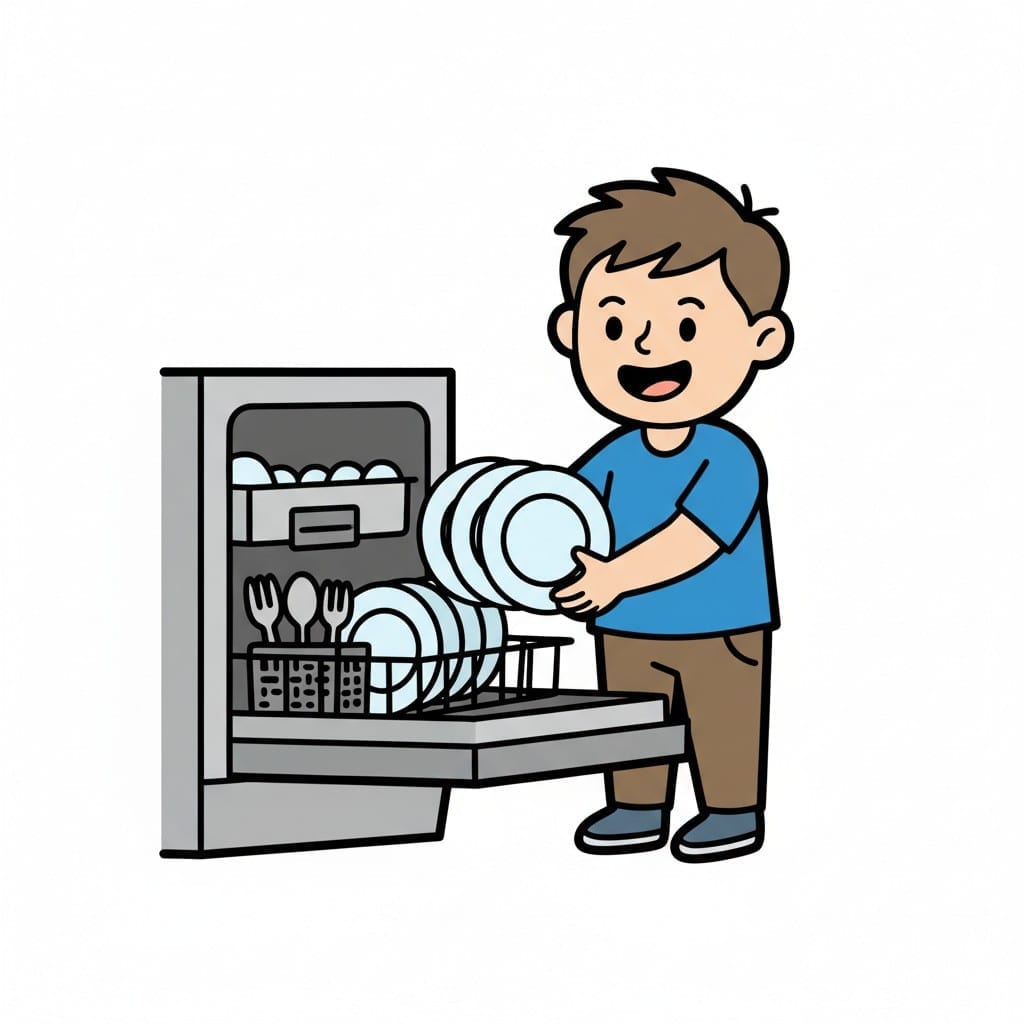
A boy stands next to an open dishwasher and is taking out clean plates.
 ♂
♂Unload dishwasher
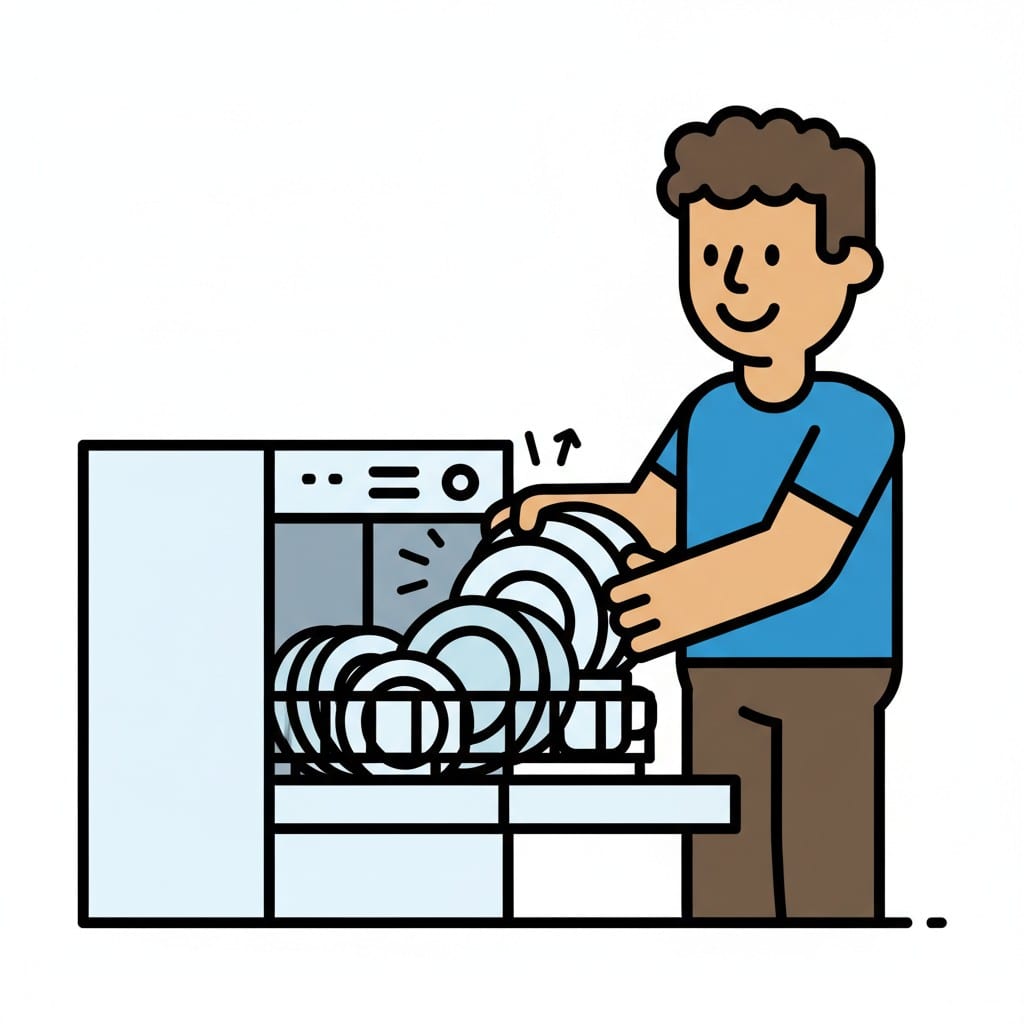
A man takes plates out of a dishwasher.
 ♂
♂Man lifting out a plate
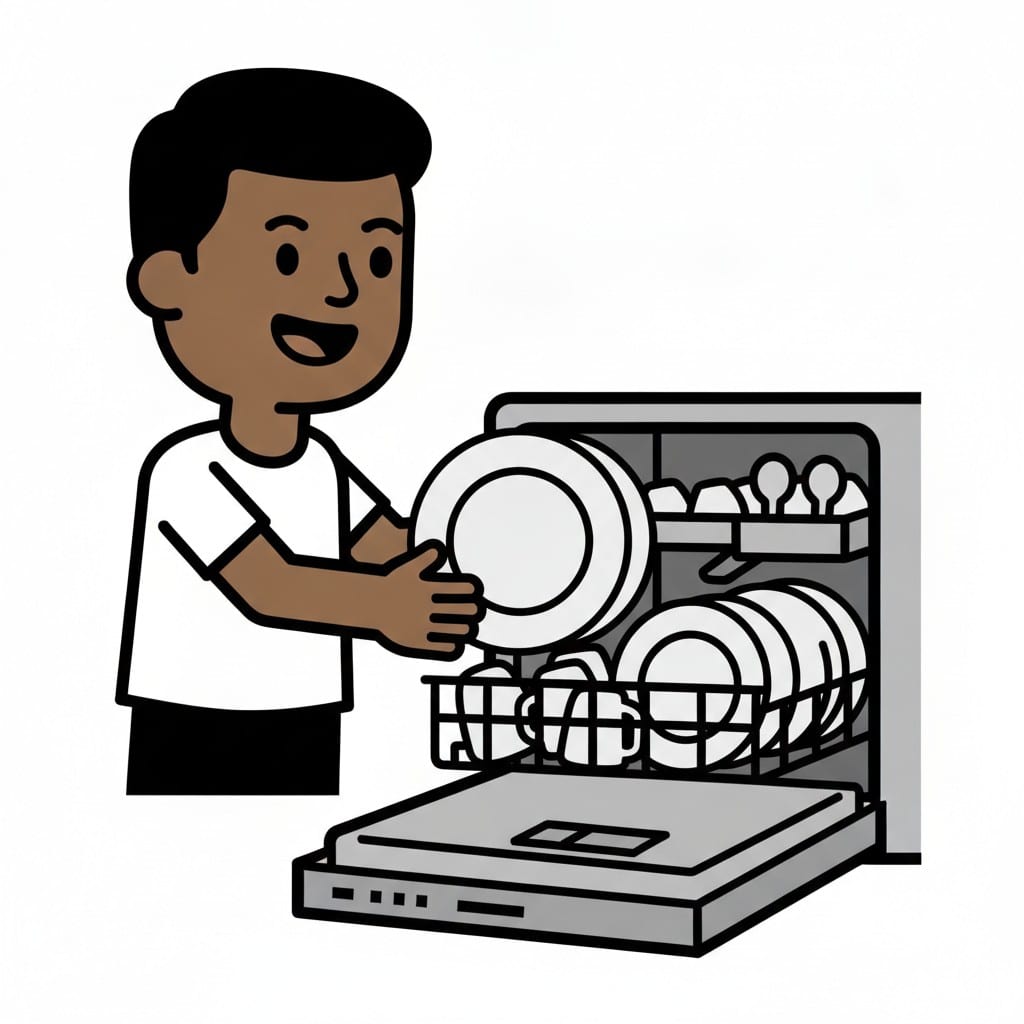
A smiling man lifts a clean plate out of an open dishwasher filled with dishes.
 ♀
♀Unload dishwasher
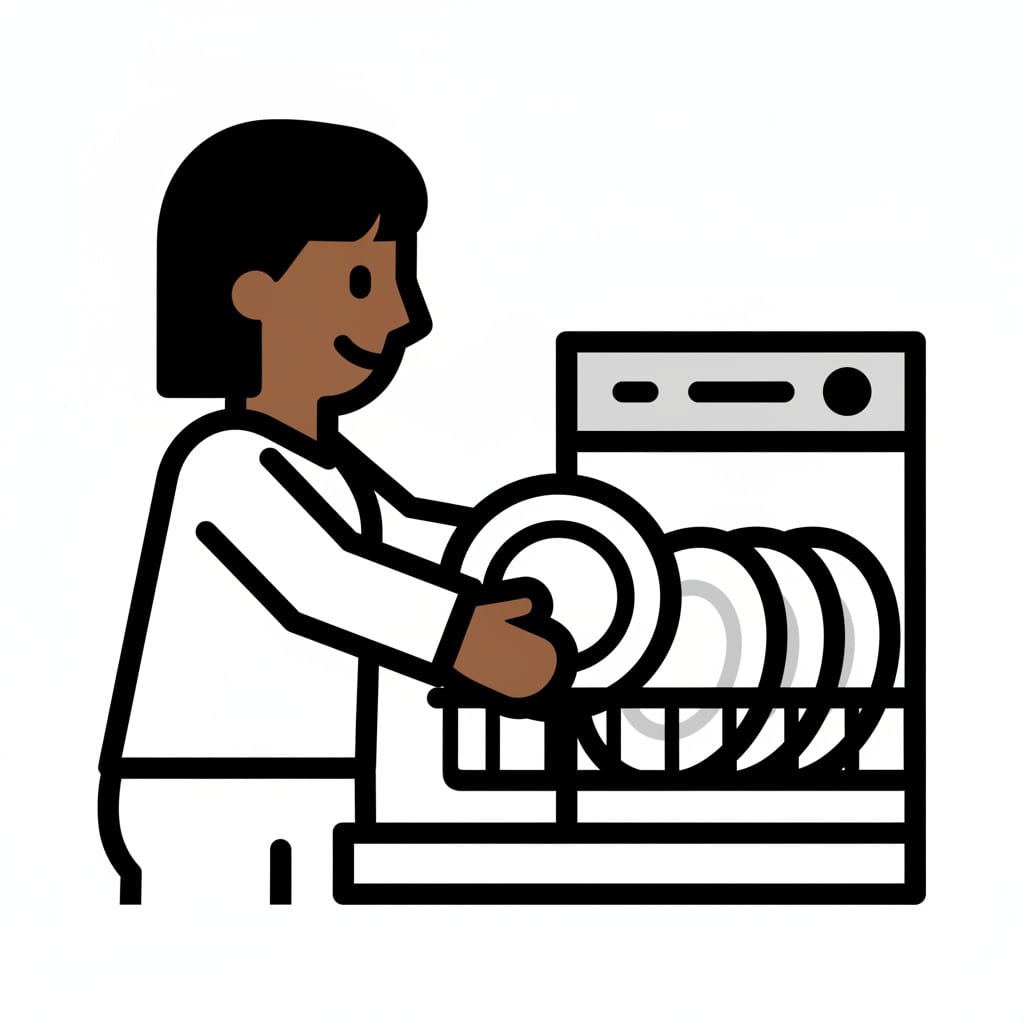
A woman takes plates out of a dishwasher.
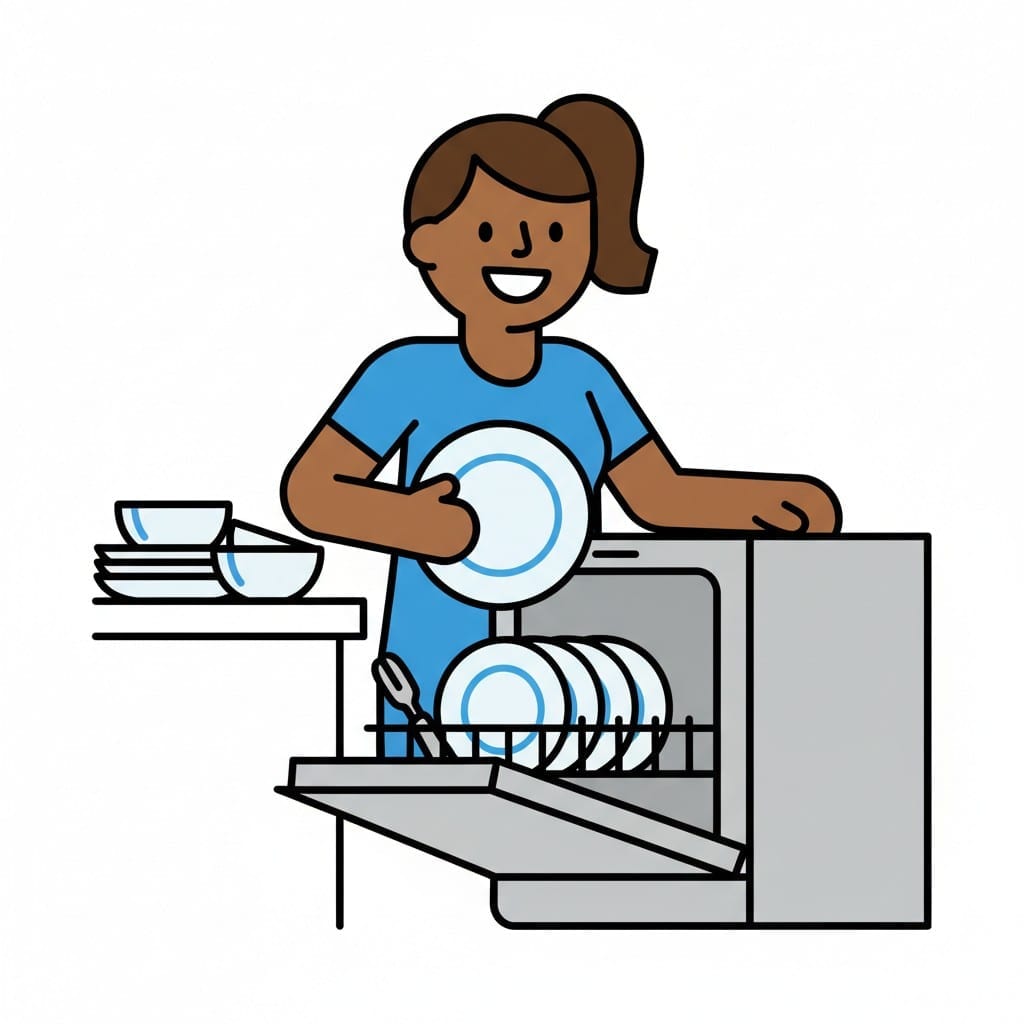 ♀
♀Woman taking out plates
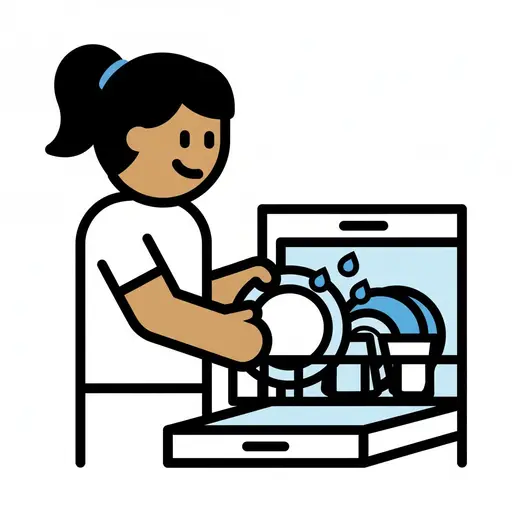
A woman with a ponytail holds up a plate from the open dishwasher while bowls stand stacked on the counter.
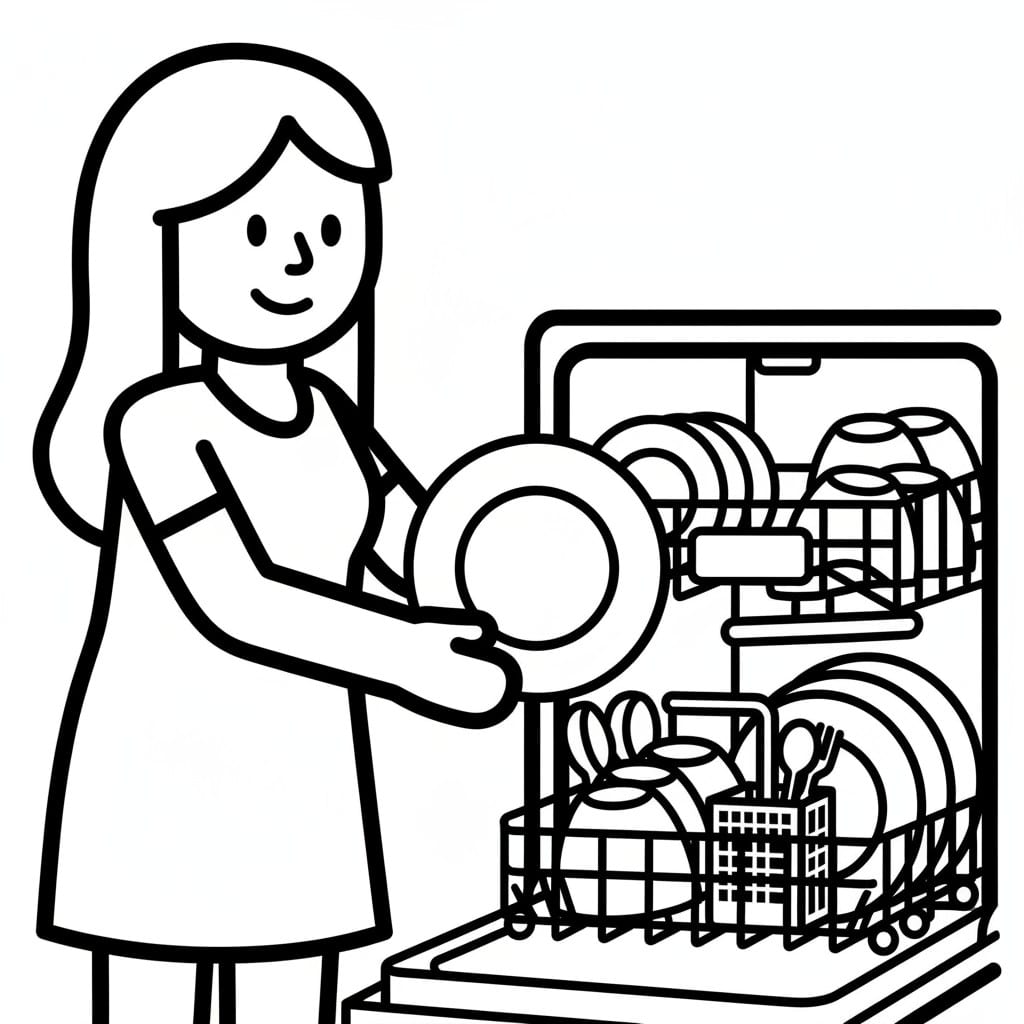 ♀
♀Woman with a plate by the dishwasher
In a black and white drawing, a woman with long hair holds a plate beside an open dishwasher loaded with cups and cutlery.
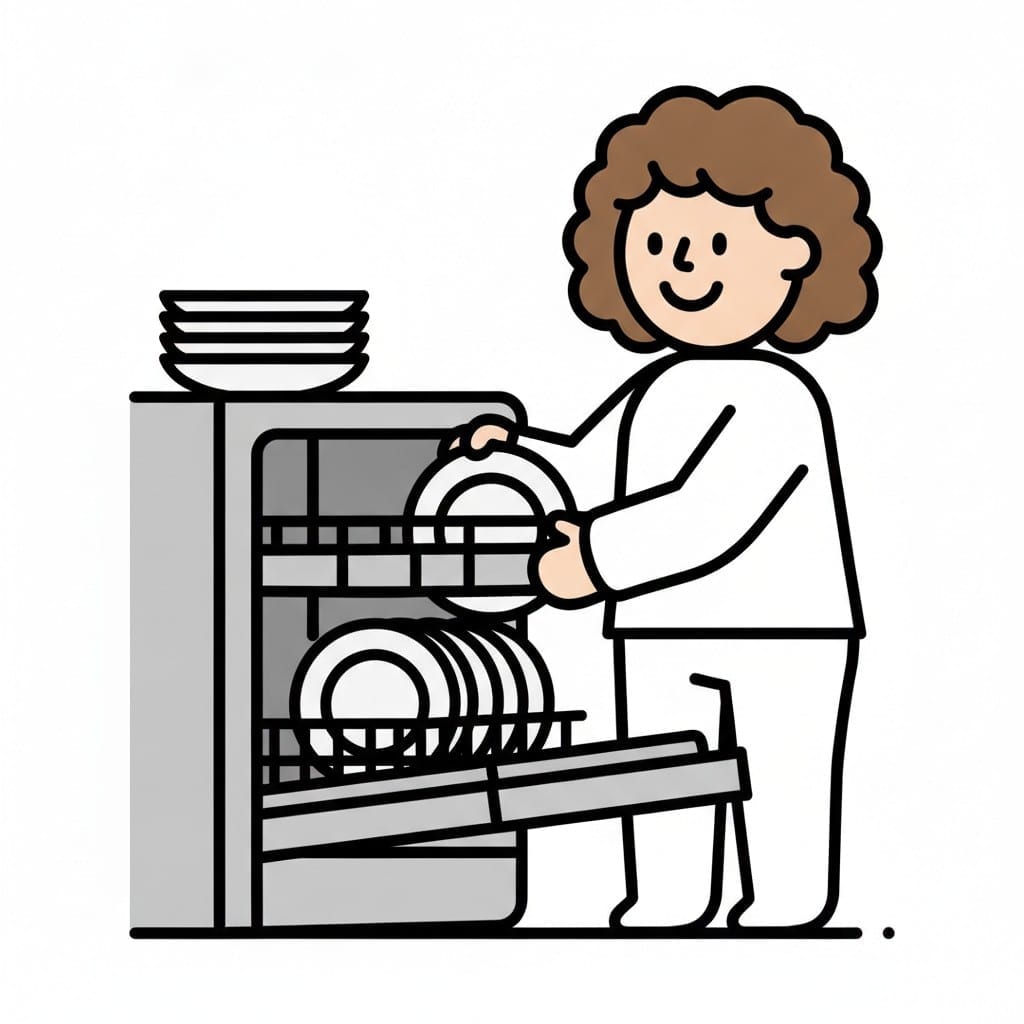 ♀
♀Woman stacking plates
Seen from the side, a woman with curly hair takes a plate from the dishwasher while a stack of plates rests on top of the machine.
About this visual support
What sounds like a quick job is really forty small decisions in a row: where does the bowl go, which drawer hides the whisks, do the glasses sit by size or by colour. Add the risk of dropping something on the tile floor, and the task is bigger than its surface. Many children do not get stuck on the lifting itself but on holding every destination in their head at the same time.
The visual support flattens that decision load by pairing each item with its place. Plates to the cupboard above the microwave, glasses to the top shelf, cutlery to the drawer with the divider. When the picture shows both the object and its destination, the child does not also have to memorise the kitchen, and energy lasts the whole machine instead of half.
One activity-specific trick: always start with the cutlery. Once knives and forks are out of the basket, the risk of cuts drops and the rest of the machine feels safer to work in. In Routined you can photograph your own cupboards and link them to the pictures, so the support matches your kitchen, not an imagined one.
Use this image in a schedule
Build your own visual schedule with this image and download it as a print-ready PDF. Completely free.
More similar visual supports
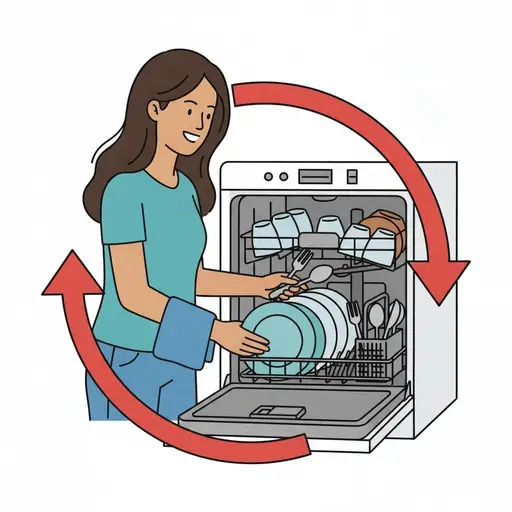
Load/Unload Dishwasher
A woman with long brown hair handles plates in an open dishwasher, with red arro...
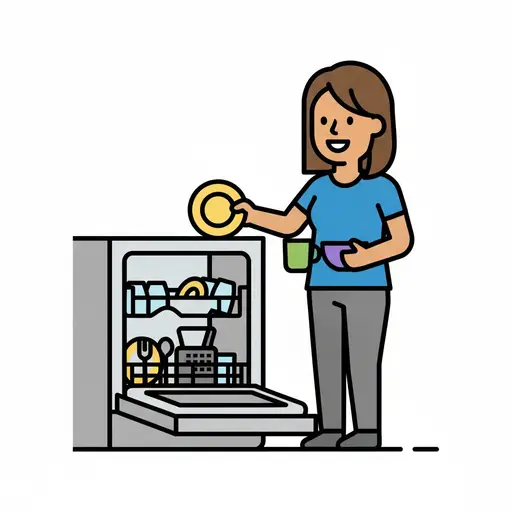
Load the dishes
A woman puts plates and cups into the dishwasher.
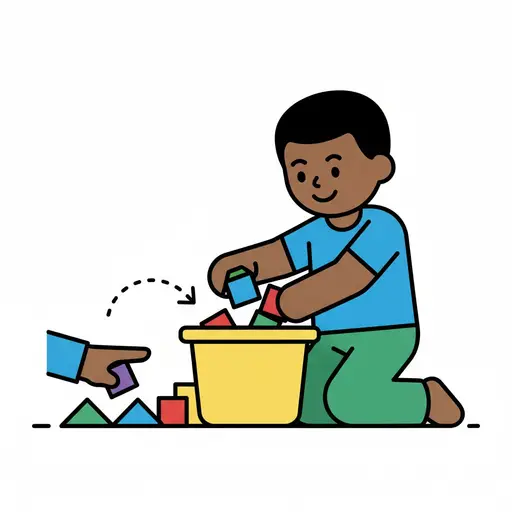
Help clean up
A boy kneels on the floor and puts building blocks into a yellow box.
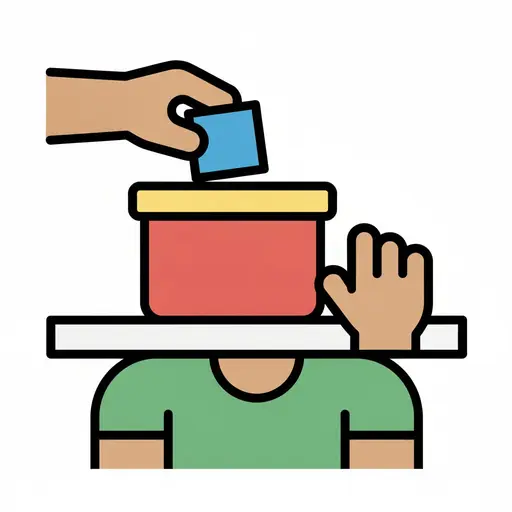
Put away
A hand places a blue block into a red container on a shelf.

Put out the garbage
A girl drops a black rubbish bag into an open bin with the lid off.
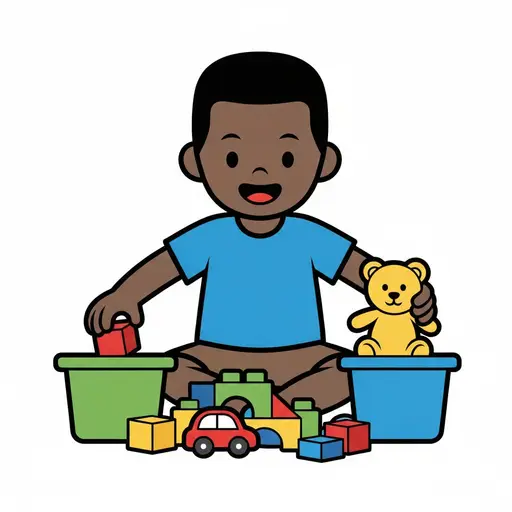
Sort toys
A boy sorts blocks and toys into a green and a blue bin.

Clean up trash
A person wearing gloves picks up litter and puts it into a trash bag.
Dishwasher chores
A woman is placing a plate into an open dishwasher, with other dishes already in...
This visual support in other languages
Take the visual supports with you
In Routined you build schedules from these pictures, add timers and voice instructions, and your child follows the day on their own.


* 14-day free trial, then $2.39 a month or $20.99 a year (US pricing). Cancel anytime.