Wipe table
Crumbs have a mind of their own after dinner. They want to drop to the floor the moment the hand moves, and the cloth is supposed to reach from one end to the other without leaving wet streaks. The visual support below shows the move that actually works.
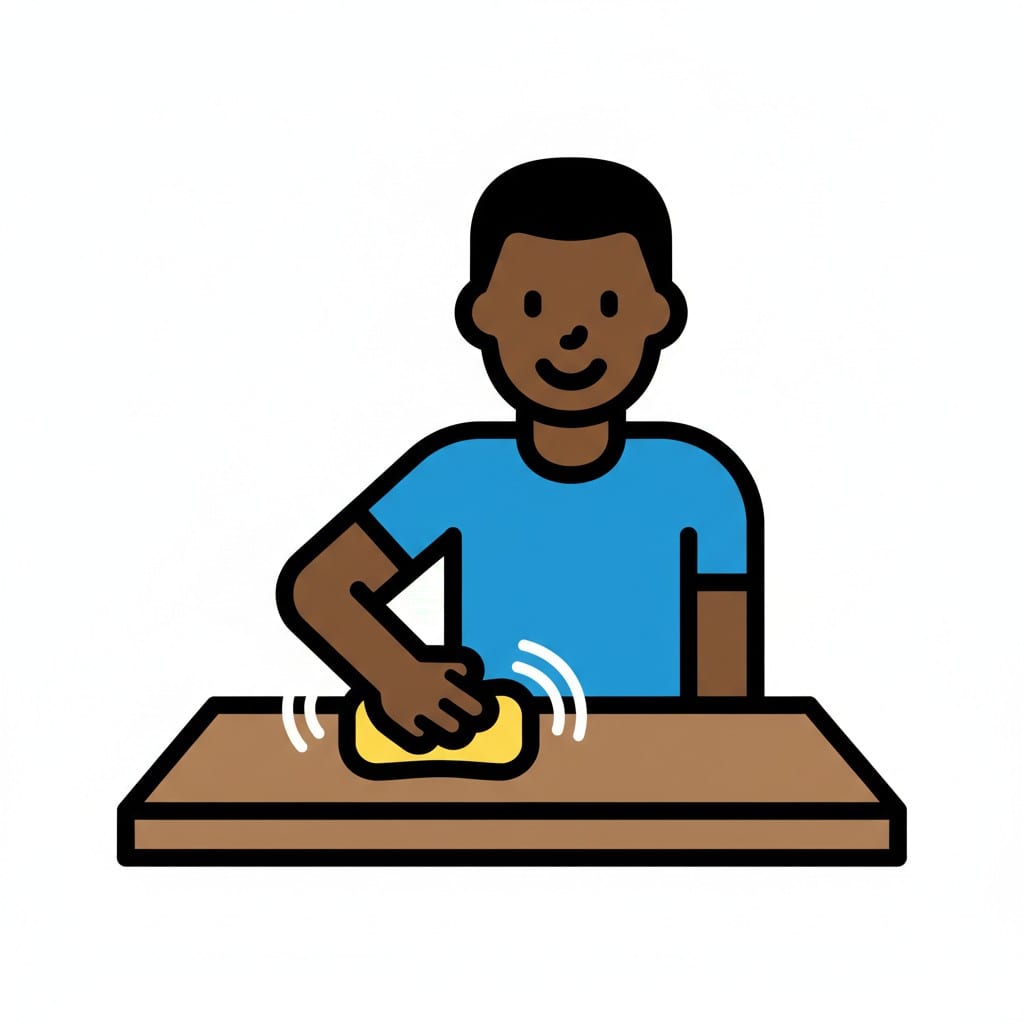 ♂
♂Boy wiping table
A boy wipes a brown table clean with a yellow cloth.
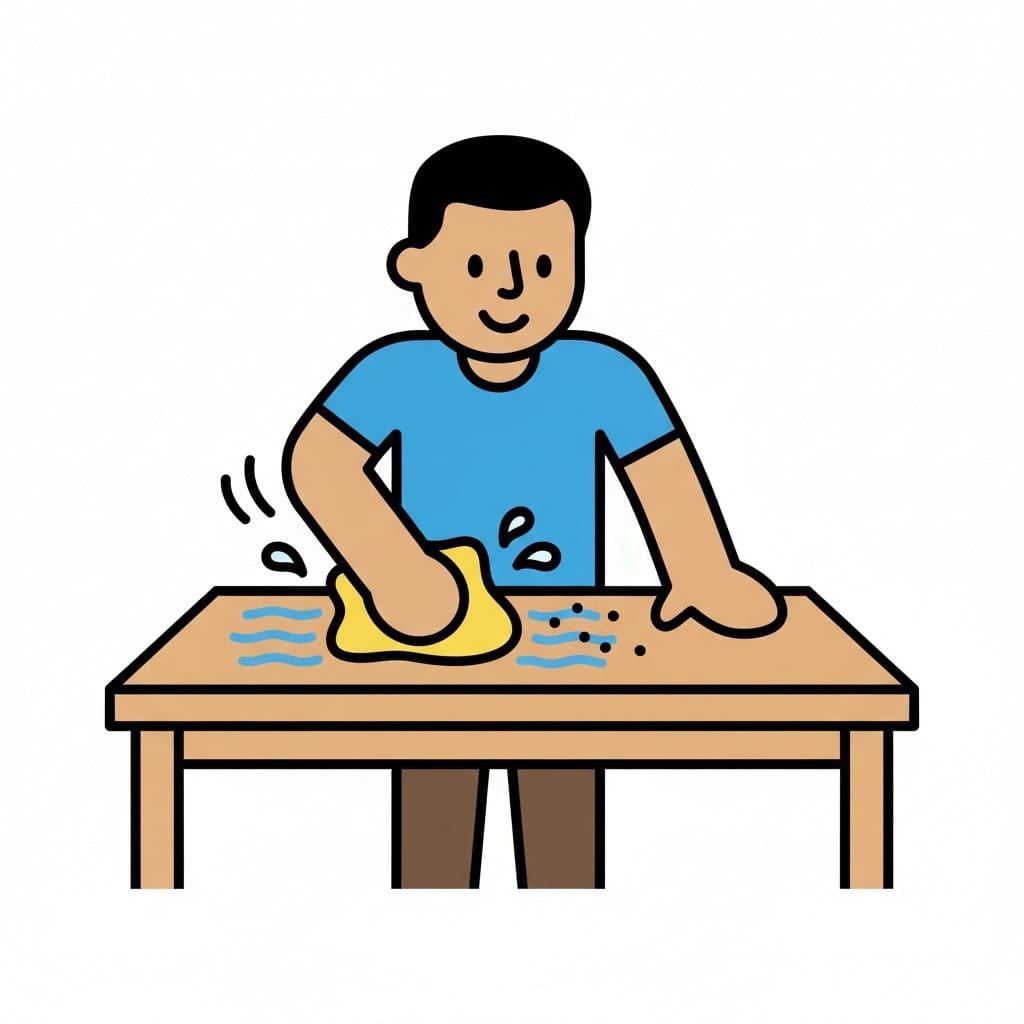 ♂
♂Wipe table
A person wiping a table with a cloth.
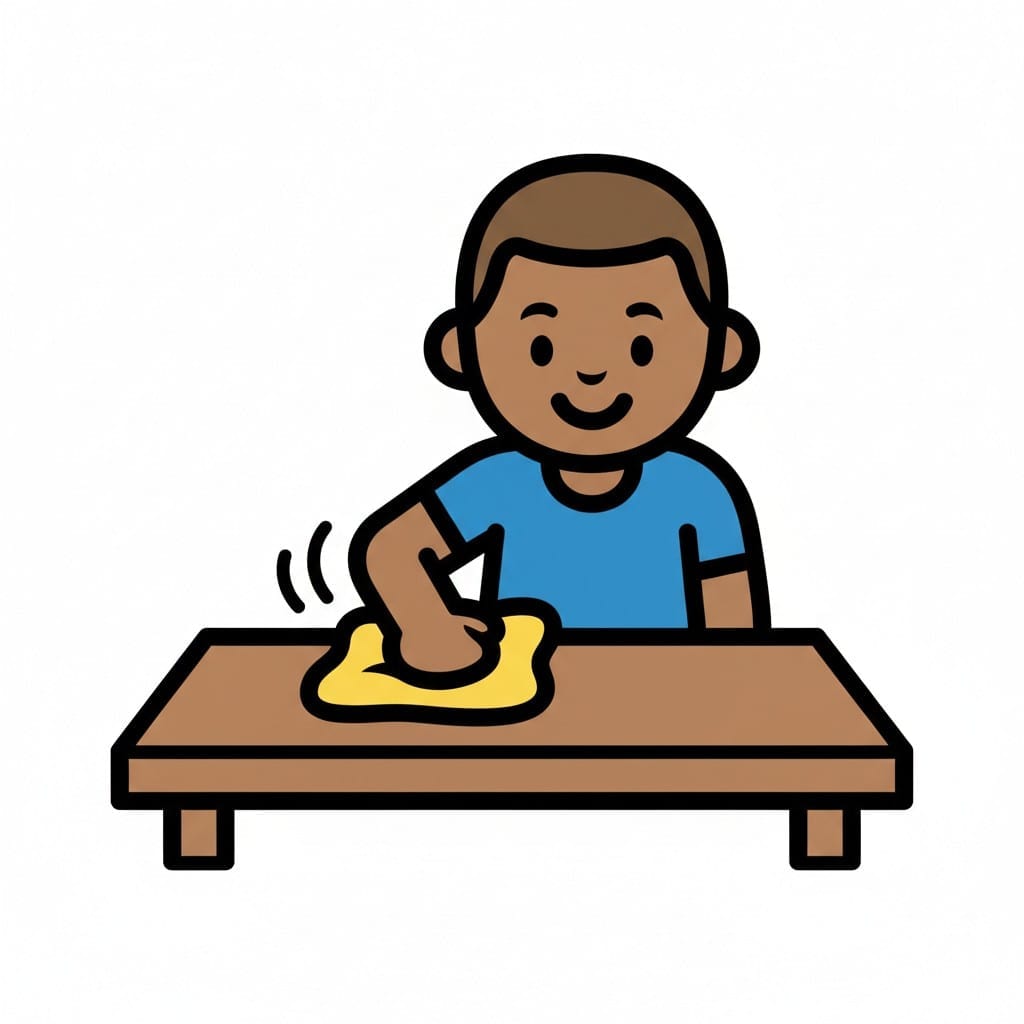 ♂
♂Wipe table
A boy wiping a table with a cloth.
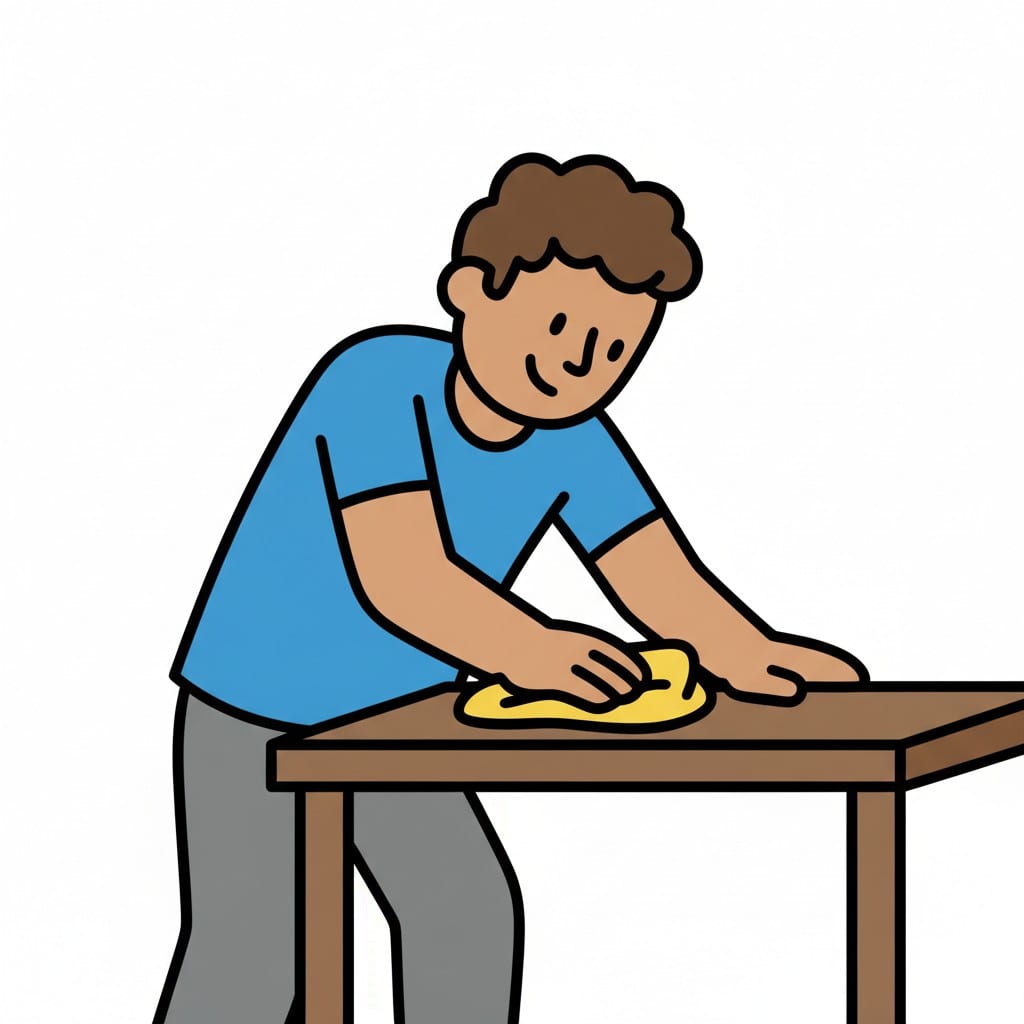 ♂
♂Wipe table
A man wiping a table with a cloth.
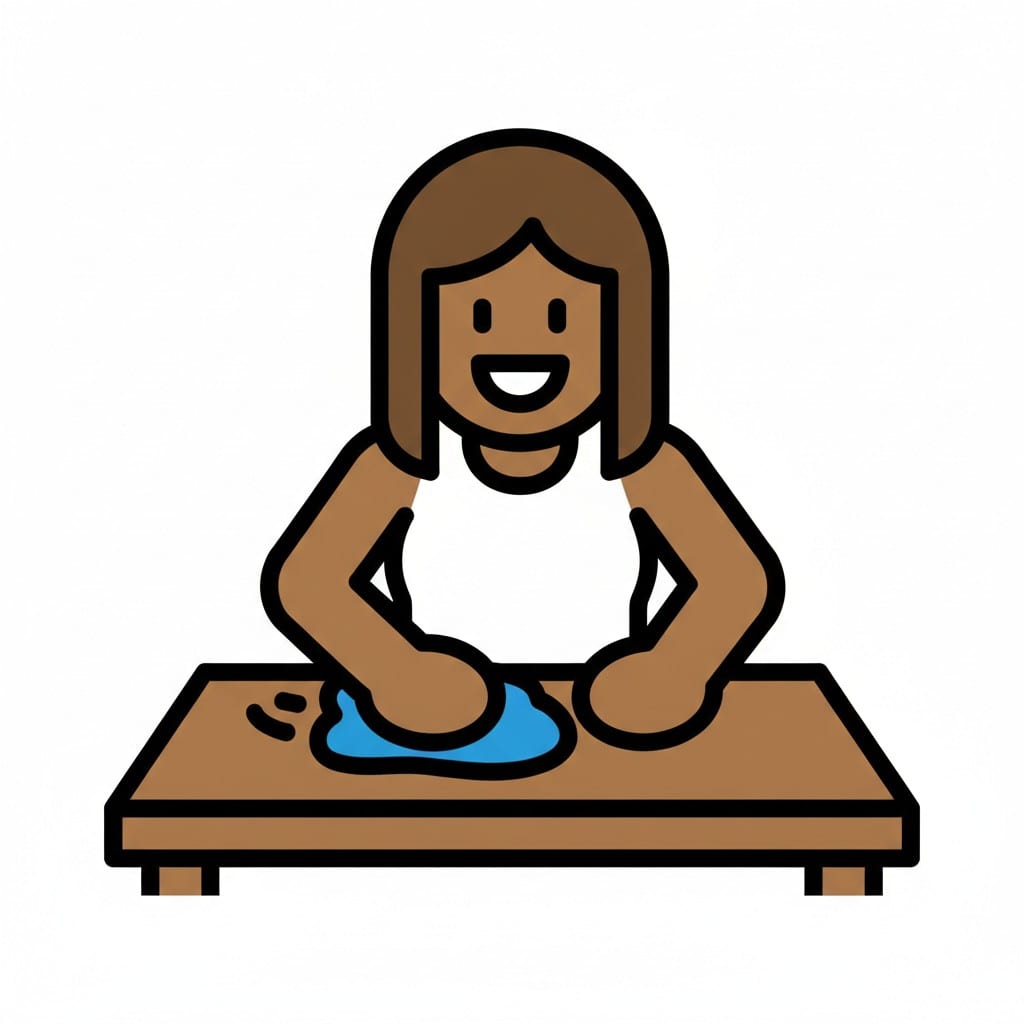 ♀
♀Girl wiping table
A girl wipes a brown table clean with a blue cloth.
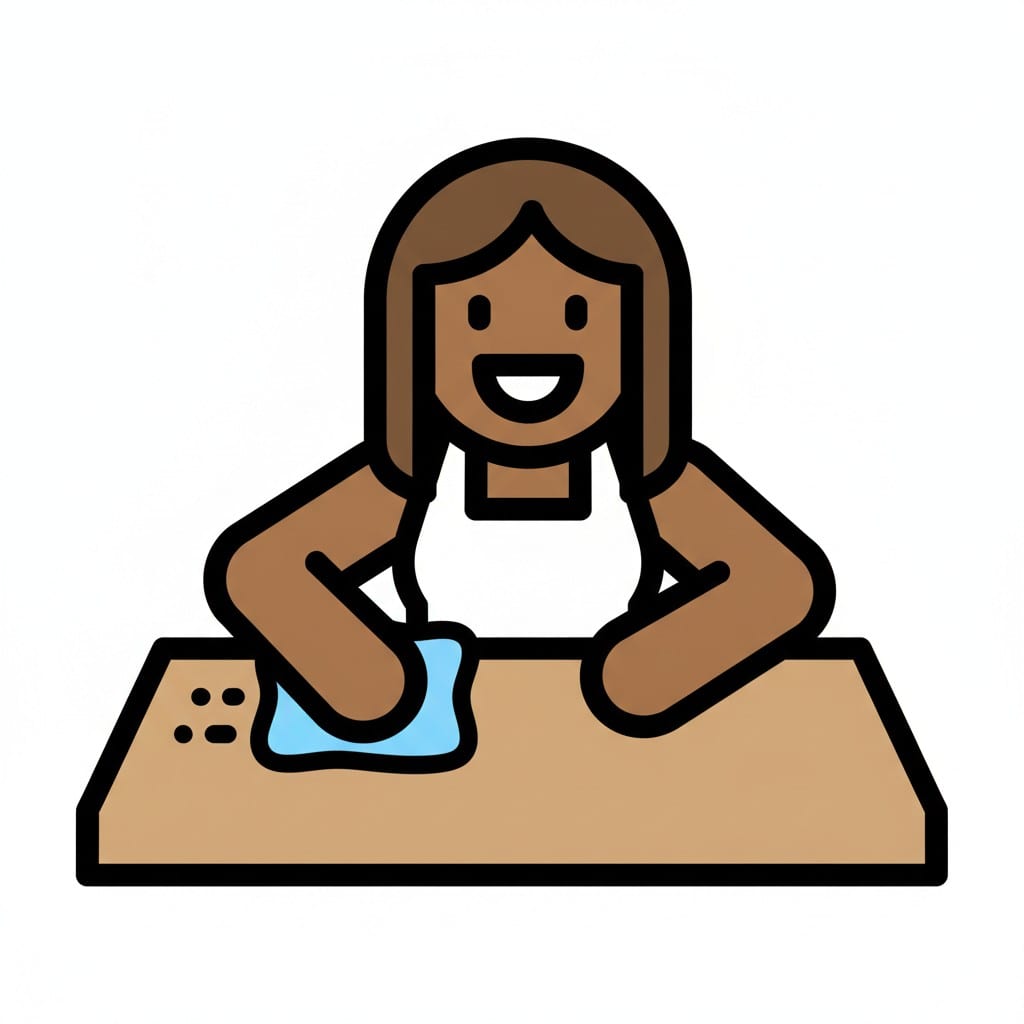 ♀
♀Wipe table
An illustration of a woman wiping a table with a cloth.
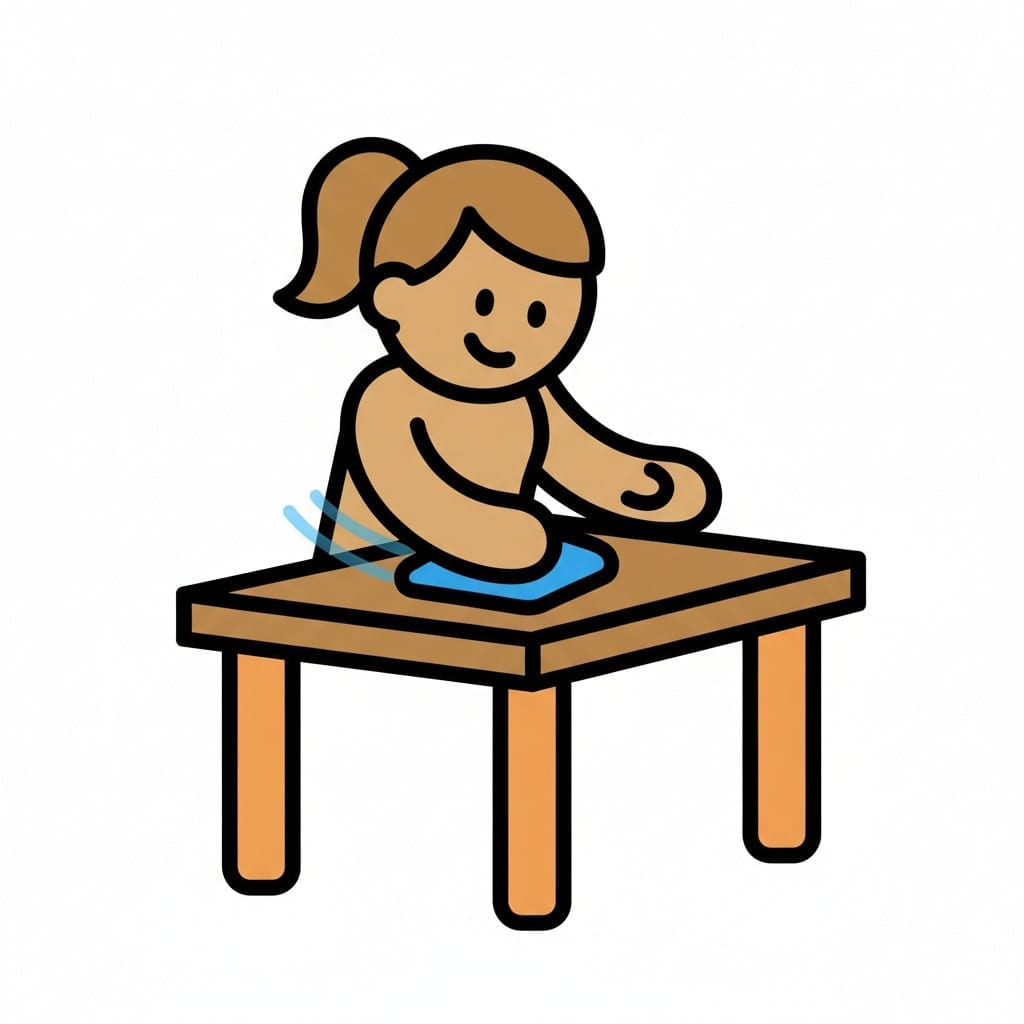 ♀
♀Wipe table
A girl wiping a table with a cloth.
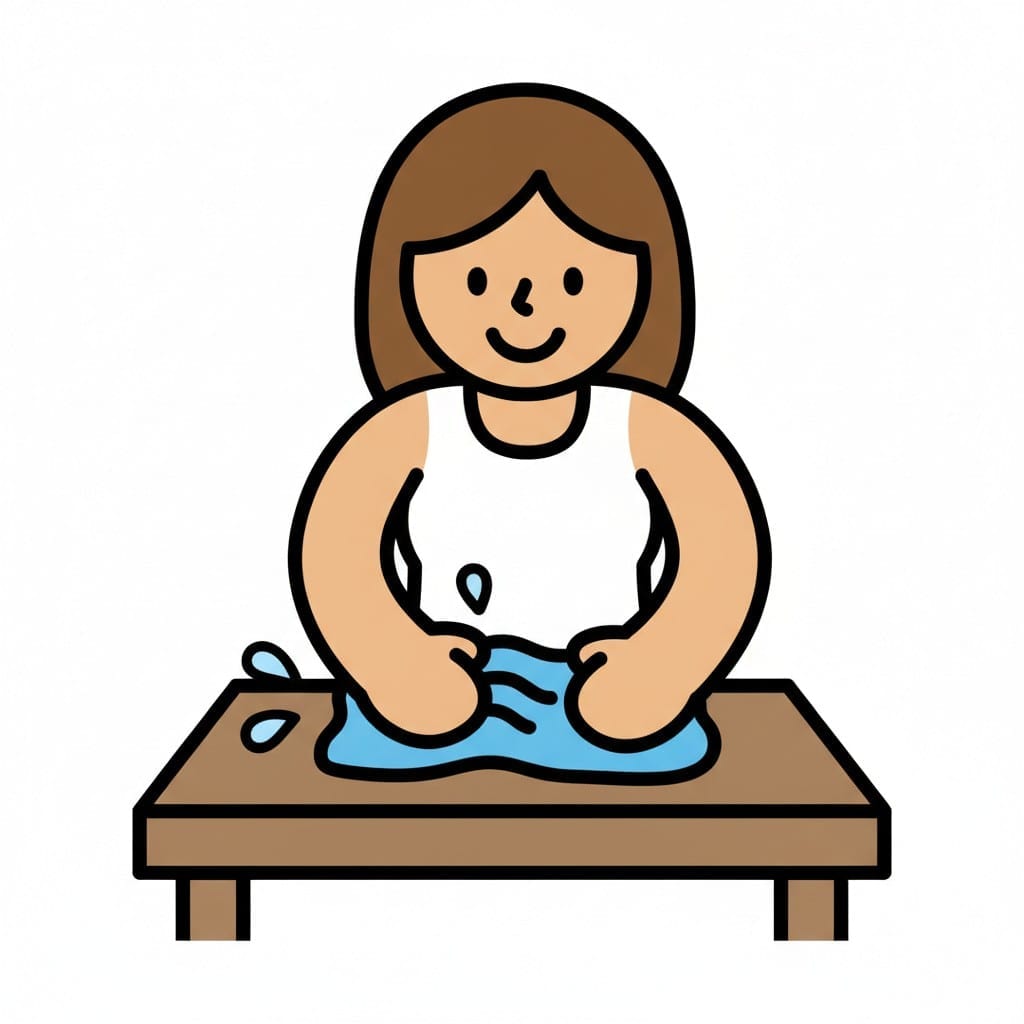 ♀
♀Wipe table
A woman wiping a table with a cloth.
About this visual support
The biggest trap when children wipe a table is not the wiping itself but the crumbs. A spread hand sweeps half of them away, a wet cloth glues itself to the rest, and suddenly a thirty-second job has filled fifteen minutes. That is why the move needs to be split into two – gather, then wipe – not one.
The visual support shows the grip directly: one hand cupped at the edge of the table, the other sweeping the crumbs toward it. Then the crumbs move down into a bowl or straight into the bin. Only after that does the cloth come out, and now there are no lumps in the way.
Let the child start from the edge where the light reflects most clearly – that makes it obvious which parts are dry and which are still shiny. To make this a recurring step after meals, you can build the routine in Routined, so the table gets wiped by the same person in the same way without you doing the reminding.
Use this image in a schedule
Build your own visual schedule with this image and download it as a print-ready PDF. Completely free.

More similar visual supports
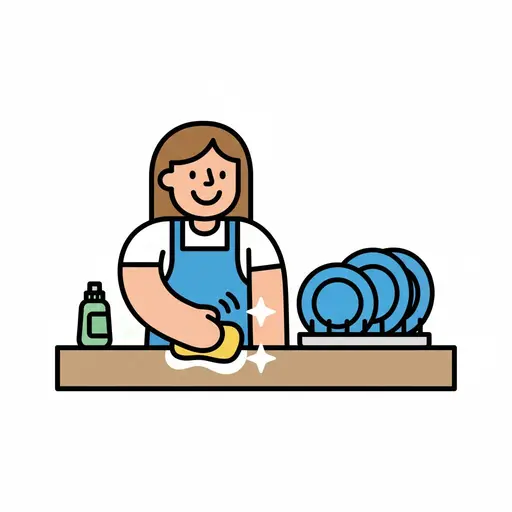
Clean the kitchen
A woman in a blue apron wipes the kitchen counter with a yellow sponge, with was...
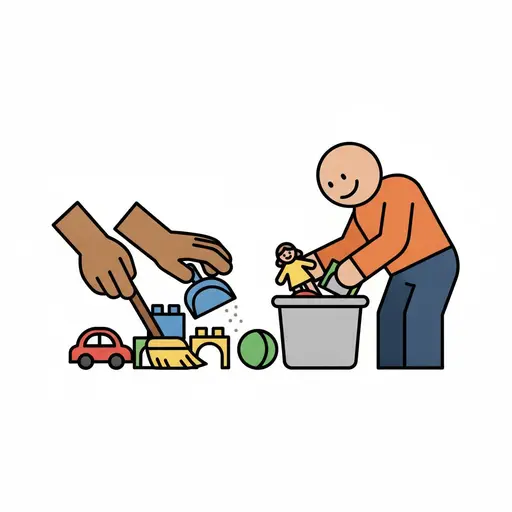
Clean up
An adult puts toys in a tub while two hands sweep up blocks and a toy car.
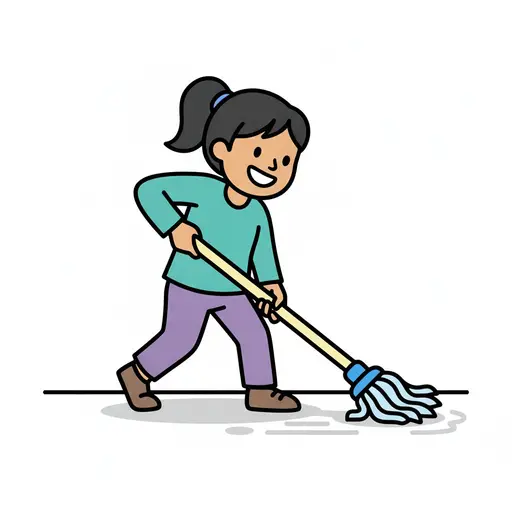
Mop the floor
A girl mops the floor.
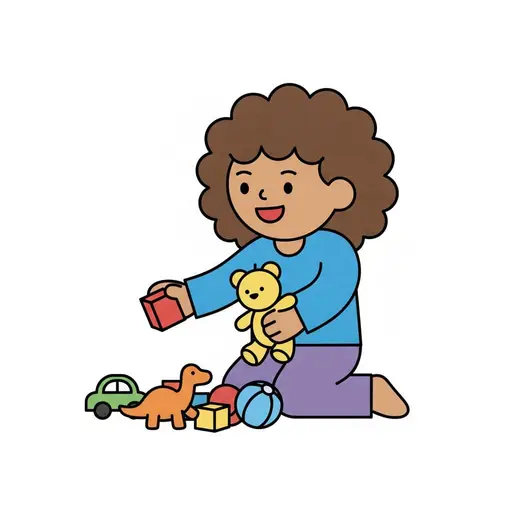
Put away toys
A child kneels holding a yellow teddy and a red block, with toys on the floor.
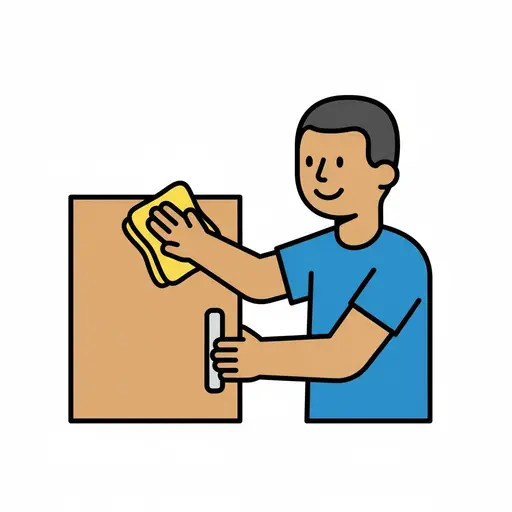
Wipe cabinets
A person wiping a cabinet with a yellow cloth.
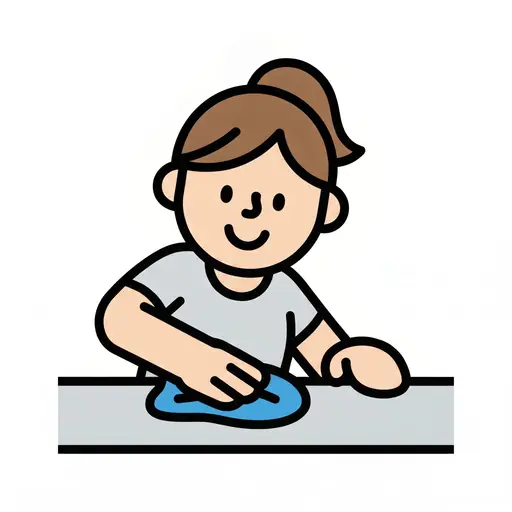
Wipe down
A girl with a ponytail leans forward and wipes a light grey counter with a blue ...
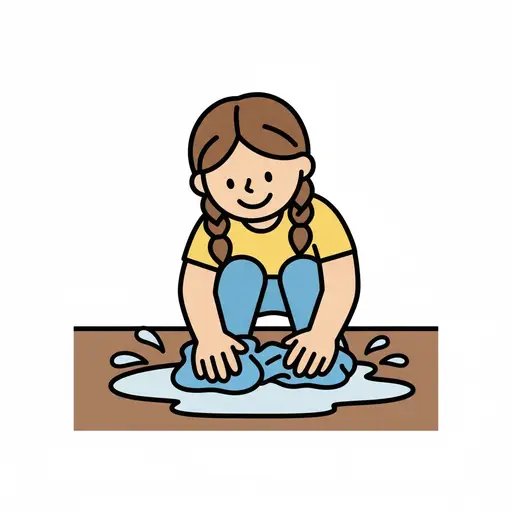
Wipe floor
A girl with braids crouches on a brown floor and soaks up a puddle of water with...
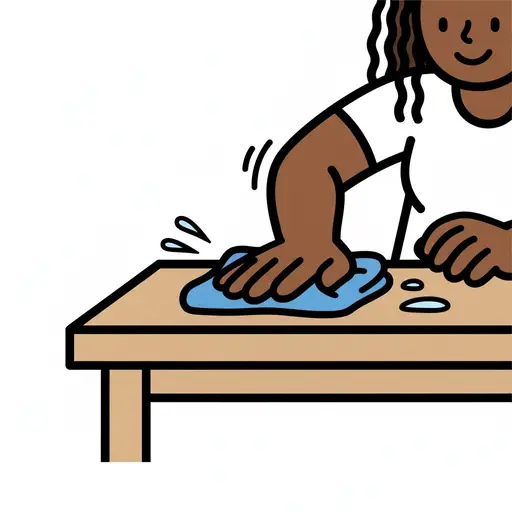
Wipe the desk
A child wipes a wooden desktop with a blue cloth.
Take the visual supports with you
In Routined you build schedules from these pictures, add timers and voice instructions, and your child follows the day on their own.


* 14-day free trial, then $2.39 a month or $20.99 a year (US pricing). Cancel anytime.