Bike helmet
The helmet presses on the crown of the head, the strap tickles under the chin, and sweat gathers in spots you can't scratch. And it still has to go on. The visual support below breaks the tactile moment into predictable parts – before, during and after the ride.
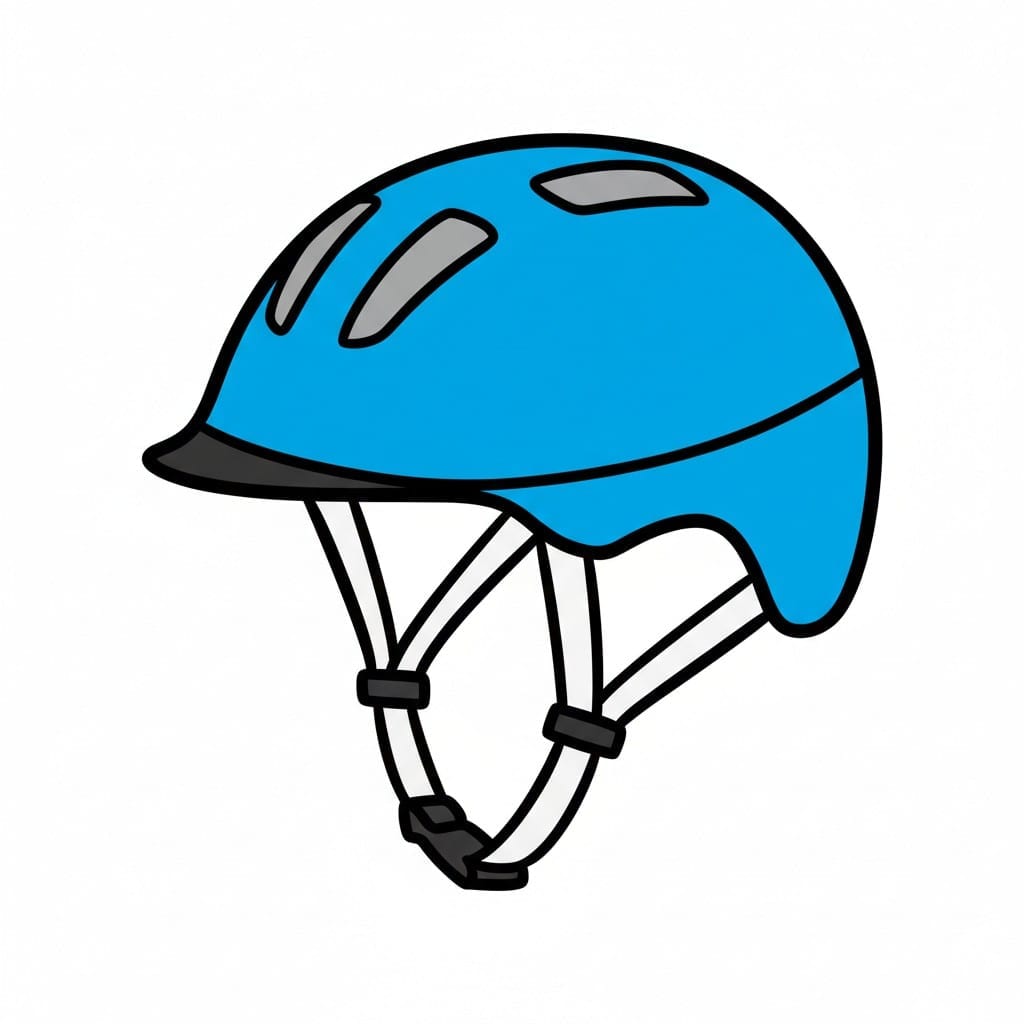
Blue bike helmet
A blue bicycle helmet viewed from the side, showing the strap and buckle.
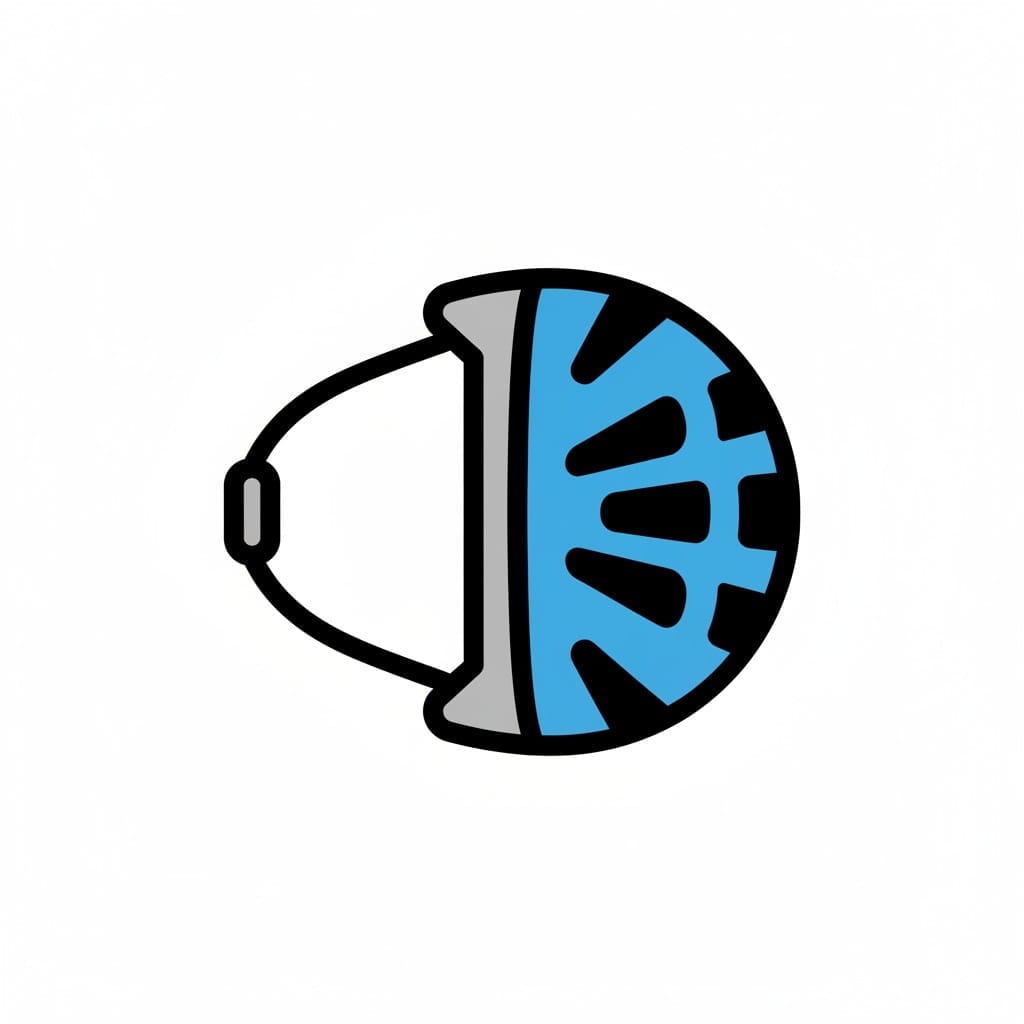
Blue bike helmet
A blue bicycle helmet viewed from the front, showing the vents and chin strap.
About this visual support
It isn't the safety argument that triggers resistance – it's how the helmet feels. It hugs the head in a way hats don't, the strap touches skin that jumpers never reach, and the buckle itself can feel foreign against the throat. For a child who is sensitive to pressure and touch, the short act of putting it on becomes an event in itself, even when the ride afterwards is enjoyable.
When the picture row shows the helmet as several small actions in sequence – lift, place on head, pull the strap forward, click – the tactile load becomes something the child can prepare for in stages. The pictograms shift focus from the feeling to the next tiny movement. That softens the wave of sensory input that would otherwise hit all at once.
One concrete tip: try the helmet indoors in a calm setting once more after buying it, so the first real ride doesn't combine new material with outdoor stress. Sit down together, let the child twist and tighten on their own, and point at the picture of the buckle when it's time to click.
To combine helmet-on with the rest of the ride in one sequence, you can try Routined. The app is free for the first 14 days.
Use this image in a schedule
Build your own visual schedule with this image and download it as a print-ready PDF. Completely free.
More similar visual supports
Put on helmet
A girl puts a bike helmet on a shelf.
Bike to practice
A girl riding a bike with a sports bag on the back.
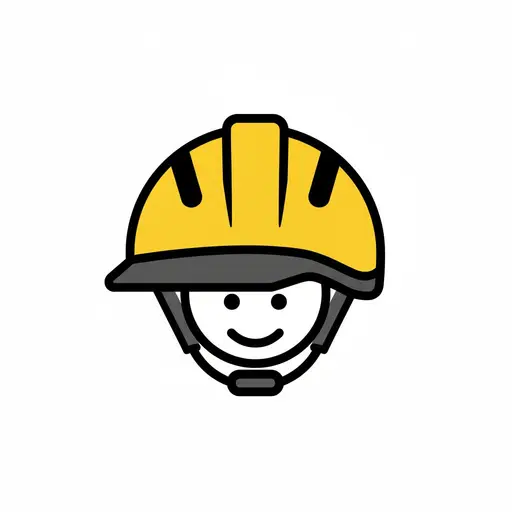
Helmet
A smiling face wearing a yellow helmet.

Put on shin guards
A blue sports bottle with a white soccer ball logo.
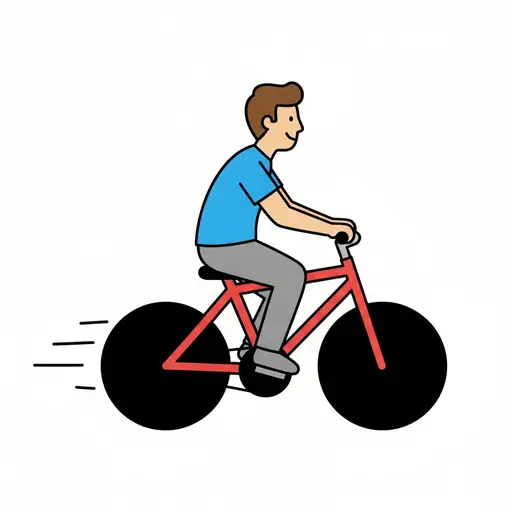
Ride a bike
A man in a blue t-shirt rides a red bike with speed lines behind him.

Football
A classic football patterned with black and white panels.
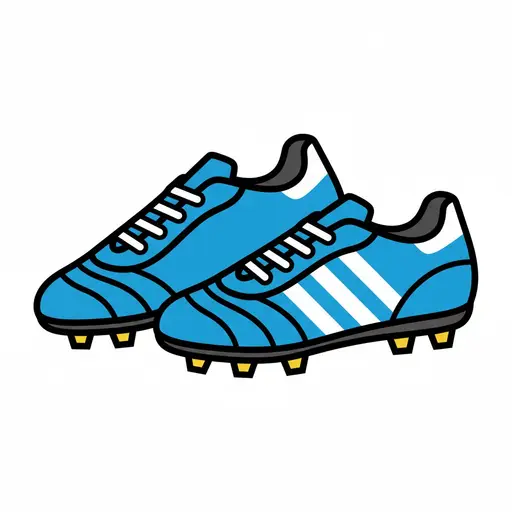
Football shoes
A pair of blue football shoes with white stripes and yellow studs.
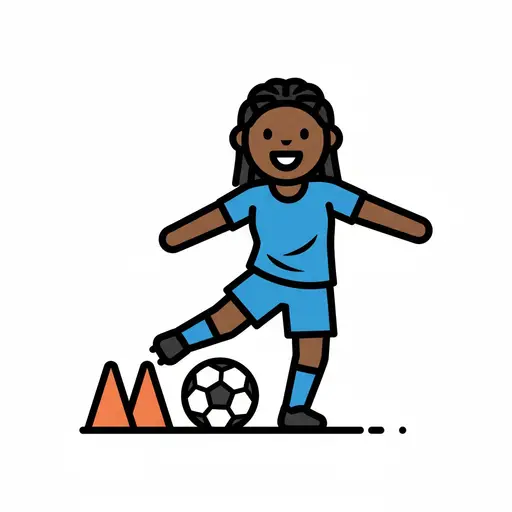
Play soccer
A person playing football, kicking a ball between two cones.
This visual support in other languages
Take the visual supports with you
In Routined you build schedules from these pictures, add timers and voice instructions, and your child follows the day on their own.


* 14-day free trial, then $2.39 a month or $20.99 a year (US pricing). Cancel anytime.