Book time
Between wild play and quiet reading sits a slope the brain has to walk down, not jump off. Without a visible gear change most children resist — not the book, but the brake. The steps below turn the transition into a routine a child can see coming.
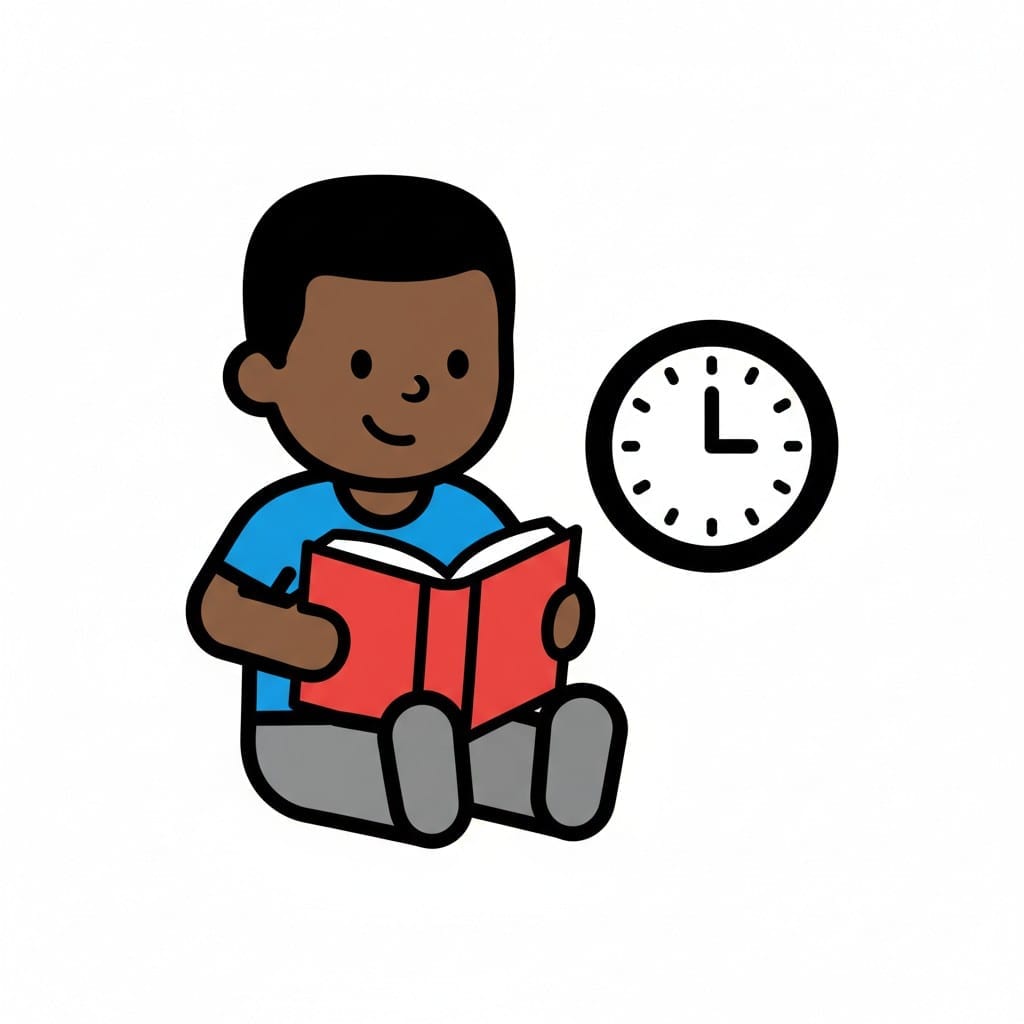 ♂
♂Reading book with clock
A boy sits holding a red book, with a clock next to him showing the time as quarter past nine.
About this visual support
Book time is rarely resistance against the book itself. The protest is against the transition: the child is mid-play, with pace, motion and imagination running at full pitch, and the brain cannot cold-start into silence. Lose the transition and you lose the whole reading session, no matter how cosy the book.
Visual support solves this by making the gear change explicit. Put a toy away, fetch the blanket, dim the ceiling light, turn on the reading lamp, settle in the same spot. The sequence gives the brain steps to walk down, so heart rate drops before the book even opens. The calm comes from the motions between steps, not from being told to relax.
One concrete tip: turn one step into a sensory marker — a warm drink, a specific cushion, the sound of a curtain being drawn. The body cue becomes the real gear shift. In the Routined app you can place the book-time sequence as a recurring evening routine at fixed hours, so the body learns the ramp starts the moment the first picture appears.
Use this image in a schedule
Build your own visual schedule with this image and download it as a print-ready PDF. Completely free.
More similar visual supports

Choose book
A happy boy points to a book in a row of books.

Read a book
Two hands hold an open book with a blue cover.
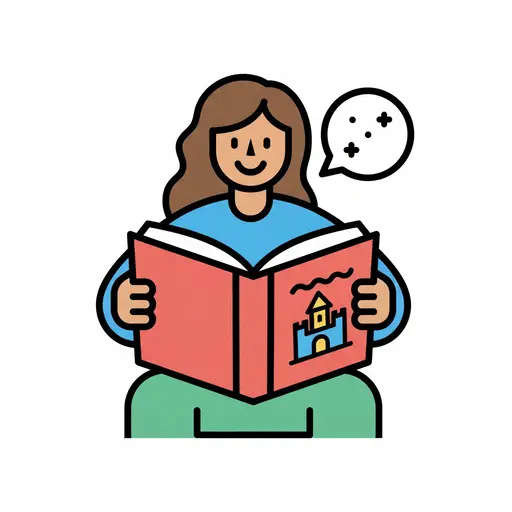
Read story
A girl in a blue shirt reads a red book with a castle on the page, and a thought...

Read and relax
A boy sits relaxed in an armchair reading, with a blanket and a cup of tea nearb...

Read
A person holds an open book up in front of them and reads.

Read stories
A girl with a ponytail reads a blue book.
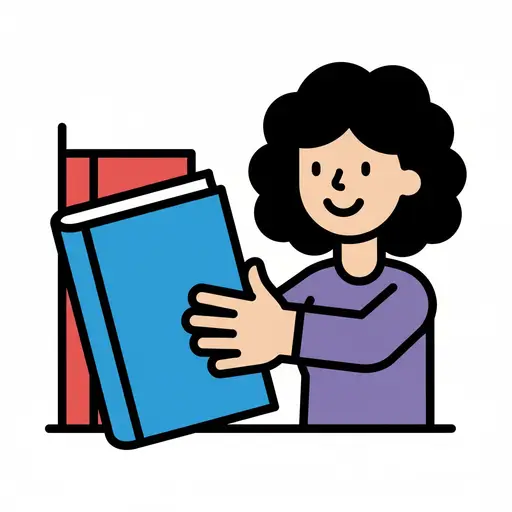
Get a book
A person is selecting a blue book from a stack of books.
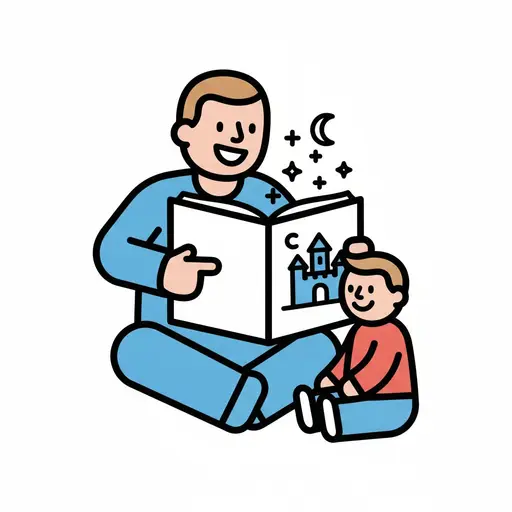
Story Reading
An adult in blue sits on the floor reading a picture book with a castle to a boy...
This visual support in other languages
Take the visual supports with you
In Routined you build schedules from these pictures, add timers and voice instructions, and your child follows the day on their own.


* 14-day free trial, then $2.39 a month or $20.99 a year (US pricing). Cancel anytime.