Cat
A cat will not be negotiated with. It jumps up, vanishes under the sofa, purrs one moment and hisses the next. The visual support below shows calm signals and warning signs that help a child read the cat right.
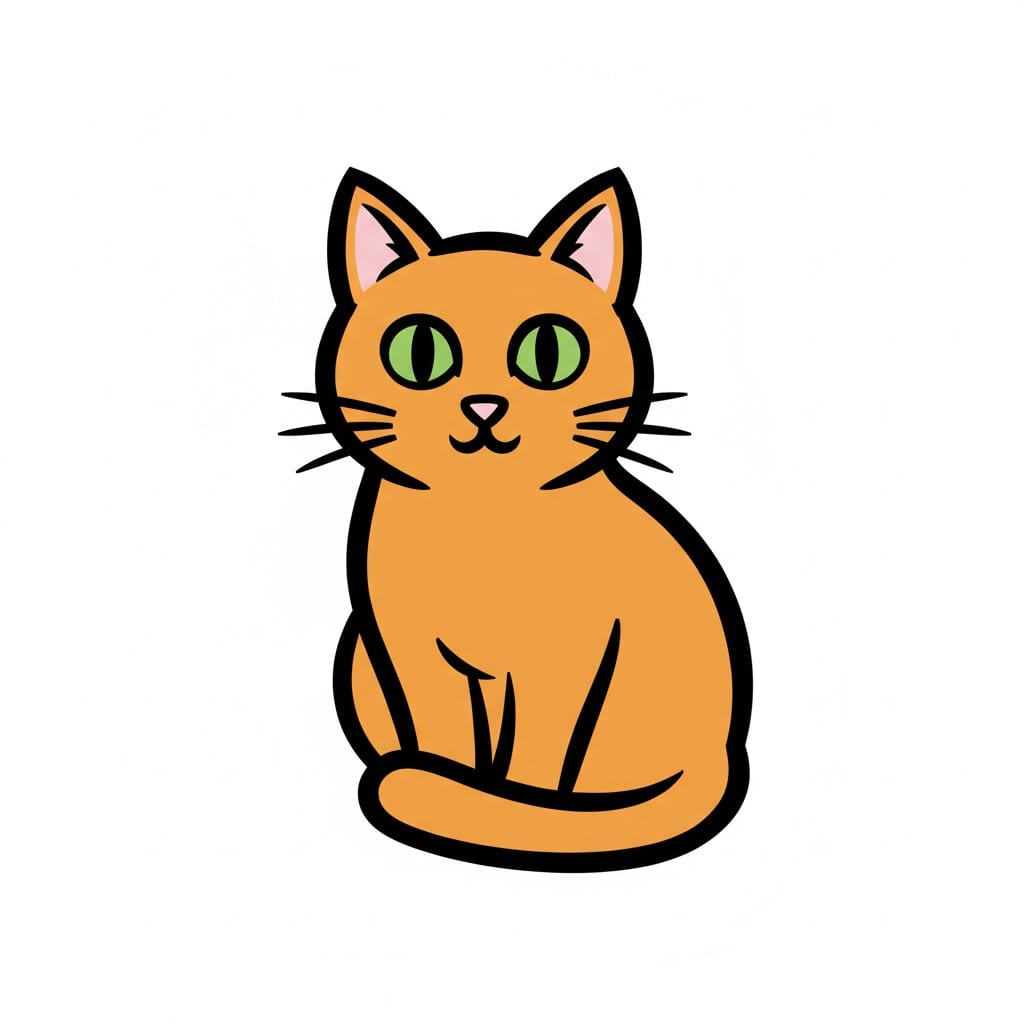
Cat
A cartoon orange cat with green eyes sits facing forward.

Grey cat sitting
A grey cartoon cat with a cream chest sits upright with its tail curled in front of its paws.
About this visual support
Cats are not dogs. They do not meet your gaze and beg to play. They follow their own agenda, climb onto the kitchen counter when they feel like it, and can flash claws before a child has any idea why. For a child who likes clear rules, this is a social puzzle.
Visual support turns cat body language into something you can learn. A flicking tail means one thing, a straight one another. Ears flat back is a signal. When a child looks at the pictures before the visit, ideally a few times the same day, the cat stops feeling random and starts feeling like a language to read.
A practical tip: pick a spot that belongs to the cat, a chair or a basket, and point it out on a picture before you enter the room. Now the child already knows that spot is the cat's territory and does not have to figure it out in the moment. In Routined you can drop the cat visit into the day with pictures and a short prep moment before you head to grandma or the neighbour.
Use this image in a schedule
Build your own visual schedule with this image and download it as a print-ready PDF. Completely free.

More similar visual supports
Cats
An orange tabby cat and a calico cat sit side by side.
Feed kittens
A woman feeding two small kittens with a spoon from a bowl.
Cuddle cats
A girl holding two cats, one orange and one black.

Feed the cat
A smiling person pours dry food from a red bowl into a green feeding dish while ...

Hollie dog
A friendly cartoon dog sitting with a green collar and bone tag.
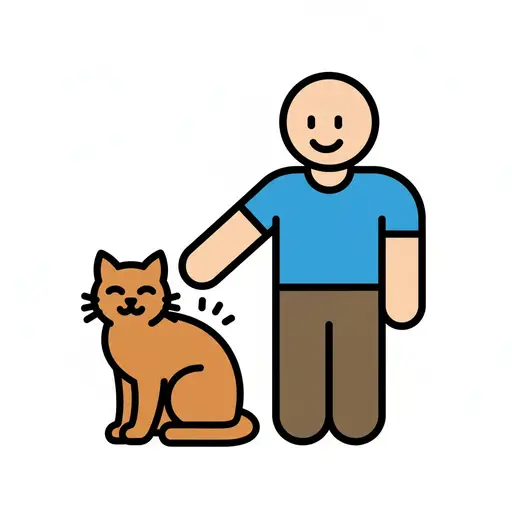
Pet cat
A person petting a cat.

Pet the animal
A girl kneels and strokes an orange cat while a dog stands beside her.
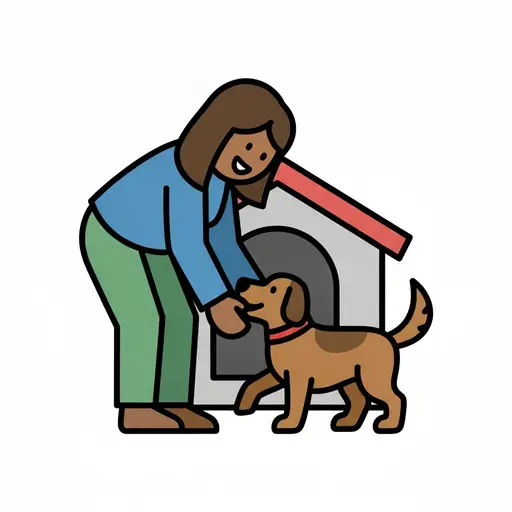
Pet the dog
A woman pats a dog in front of a dog house.
Take the visual supports with you
In Routined you build schedules from these pictures, add timers and voice instructions, and your child follows the day on their own.


* 14-day free trial, then $2.39 a month or $20.99 a year (US pricing). Cancel anytime.