Dance
Dance is music, movement and body awareness all firing at once. Some days that mix feels freeing, on others every input lands too hard. The visual schedule below lets you and your child agree on tempo, space and pauses before the music even starts.
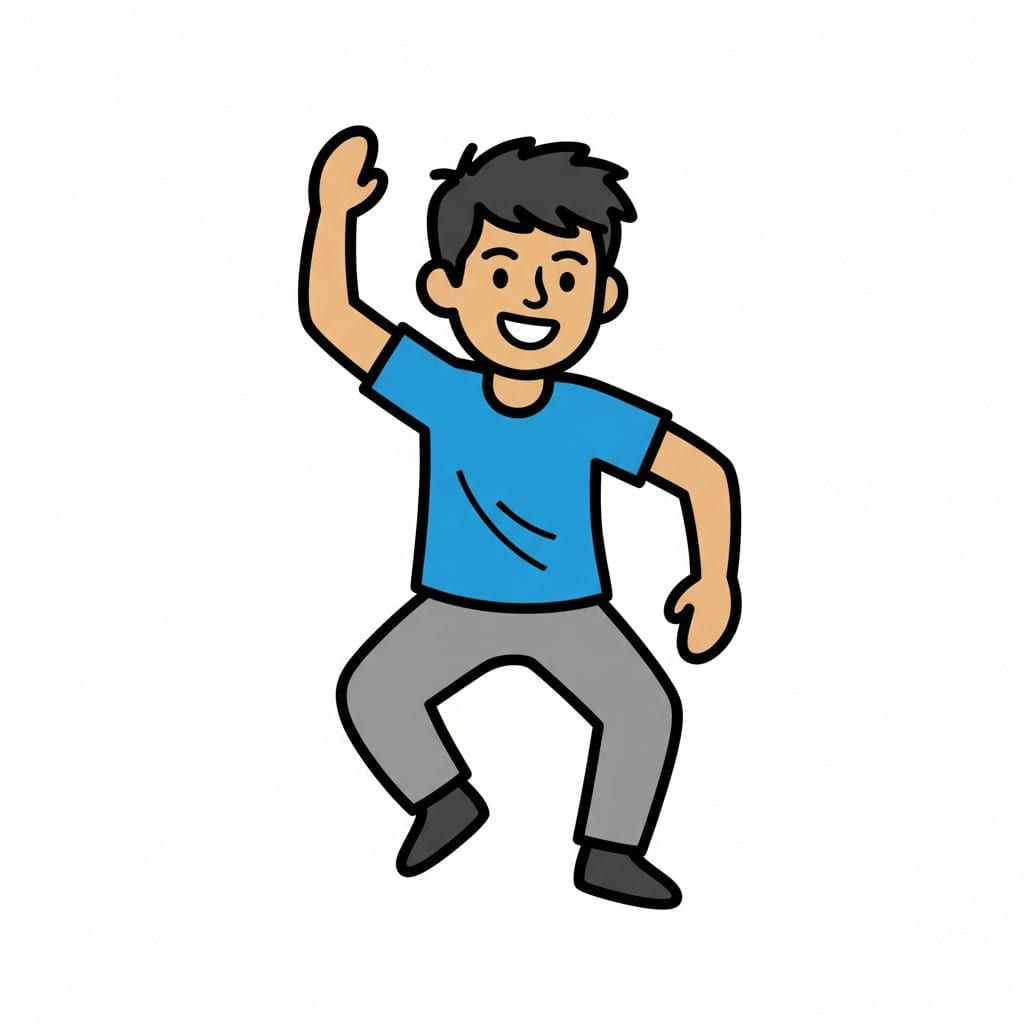 ♂
♂Dance
A happy boy dancing.
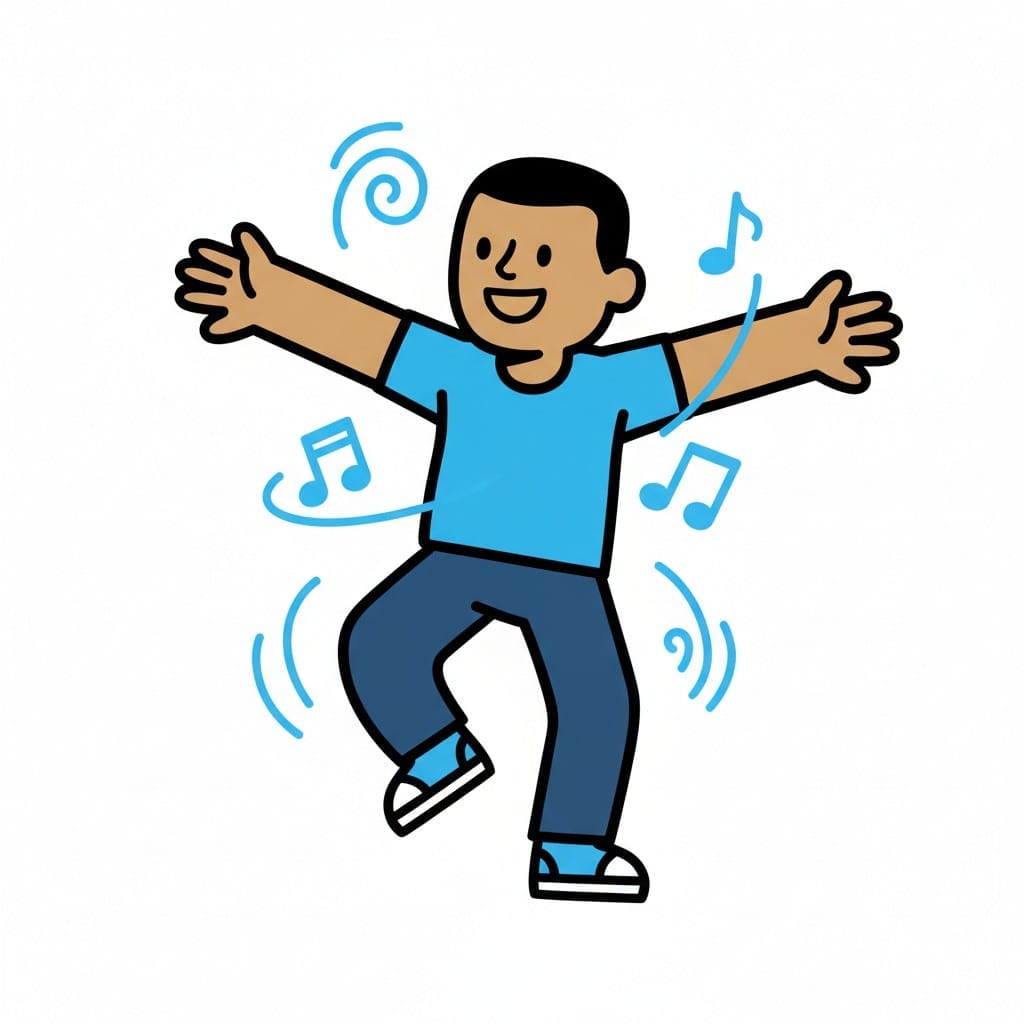 ♂
♂Dance
A boy dancing with arms spread and musical notes around him.
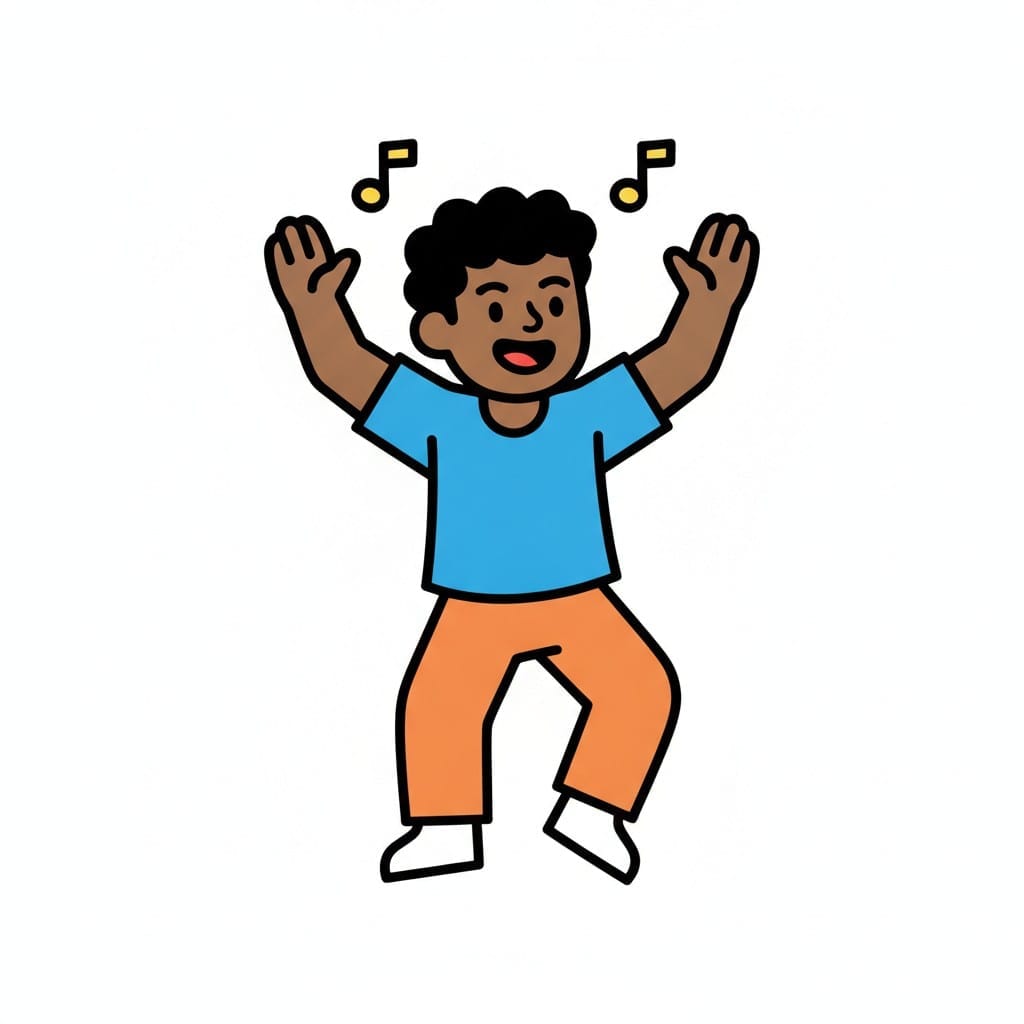 ♂
♂Boy dancing with arms up
A laughing boy dances with both arms raised and two yellow music notes floating above his head.
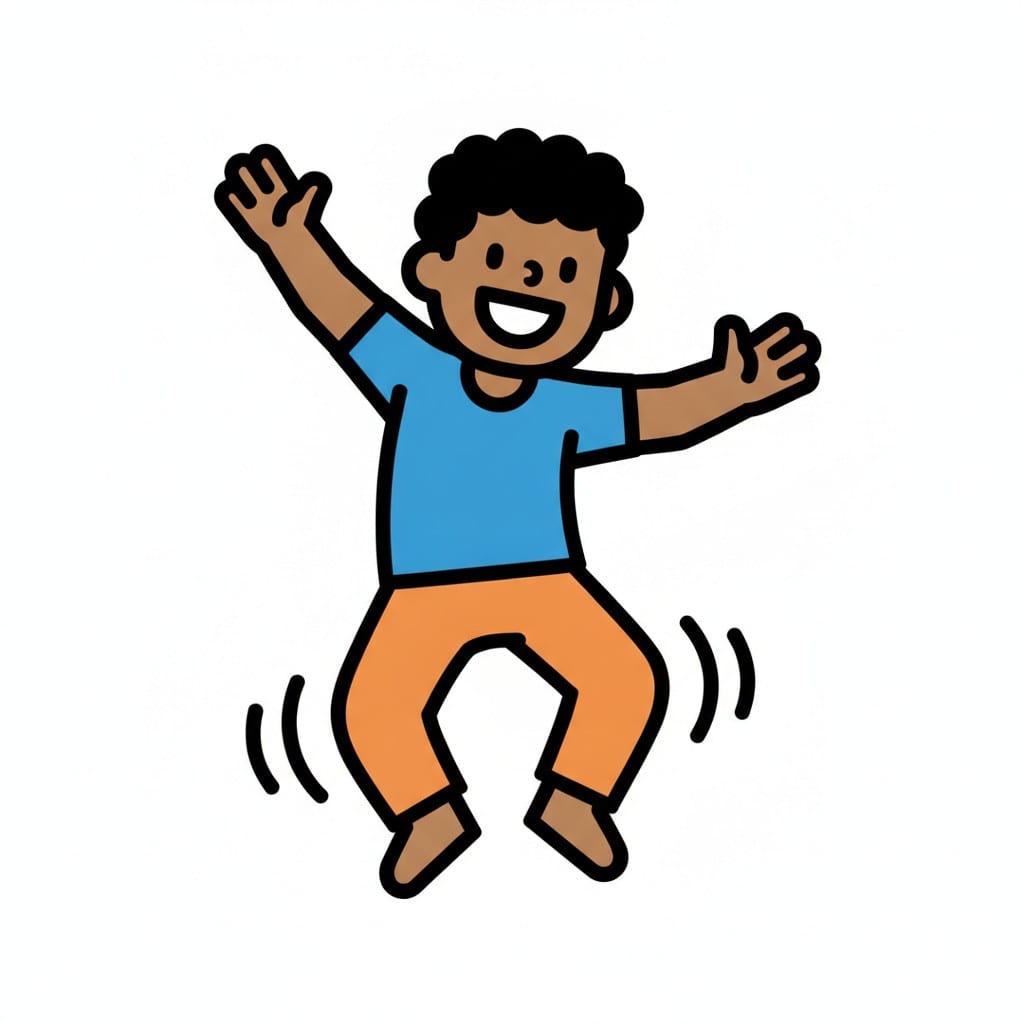 ♂
♂Boy jumping in a dance move
A laughing boy jumps into the air with outstretched arms and bent legs, with motion lines around him.
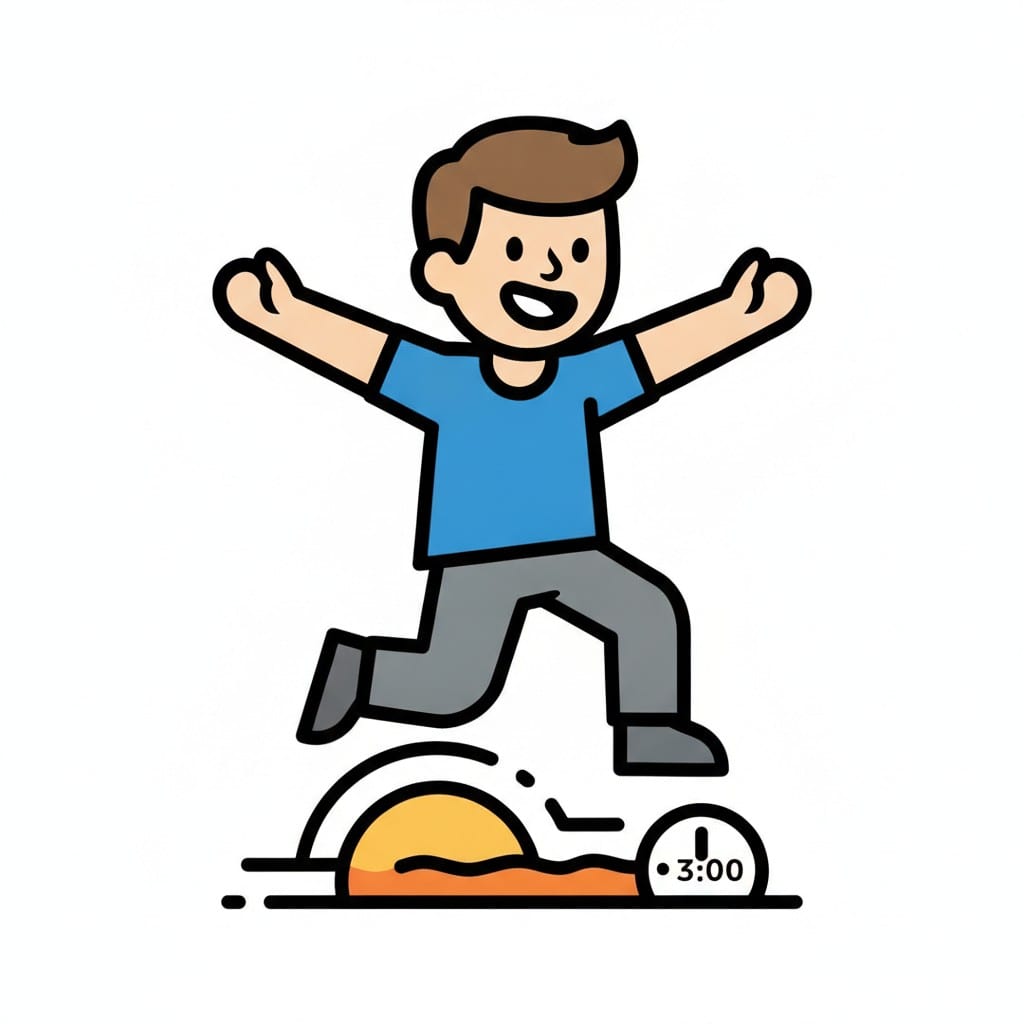 ♂
♂Person leaping with arms outstretched
A laughing person leaps with arms outstretched and bent legs above a sun and a clock showing three o'clock.
 ♀
♀Dancing woman
An illustration of a woman dancing with her arms bent and one leg slightly lifted.
 ♀
♀Dance
An illustration of a woman dancing.
 ♀
♀Dance
An illustration of a woman dancing with music notes floating above her head.
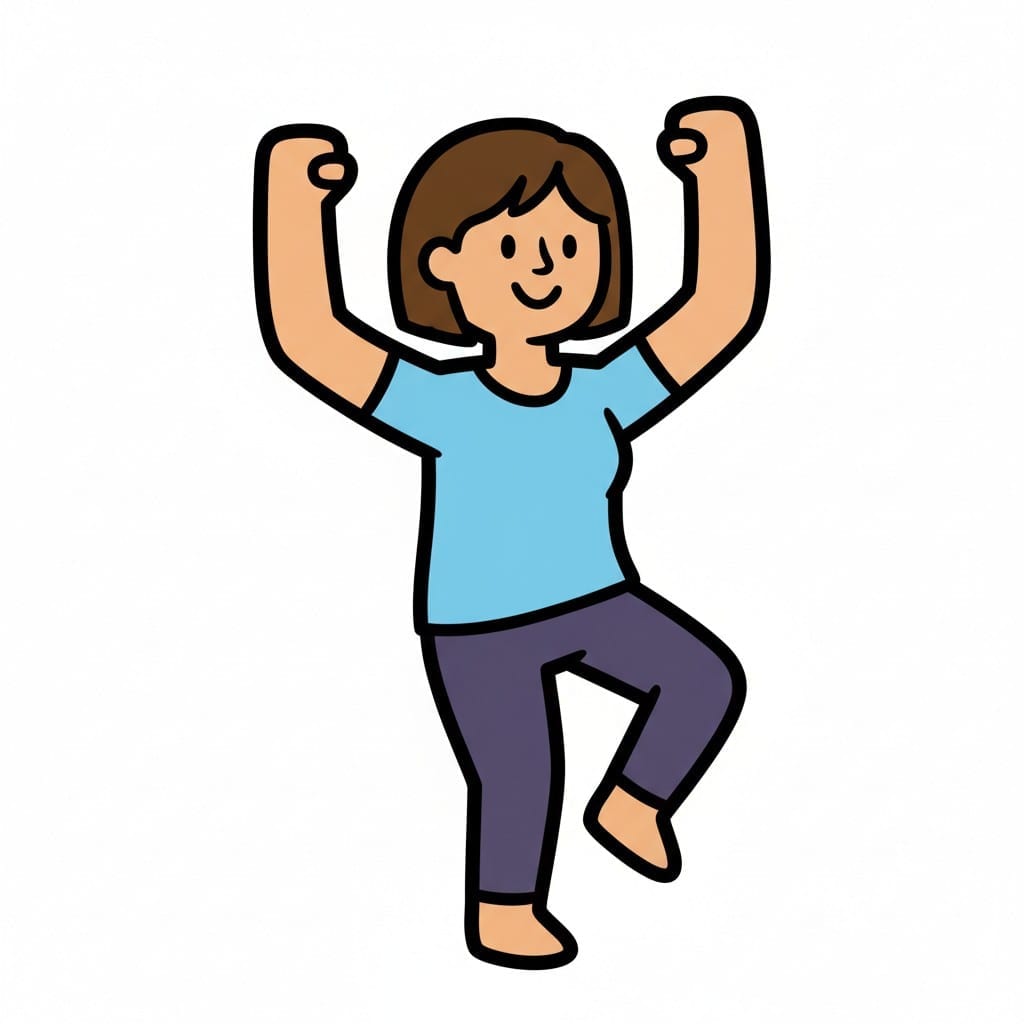 ♀
♀Dance
An illustration of a woman dancing.
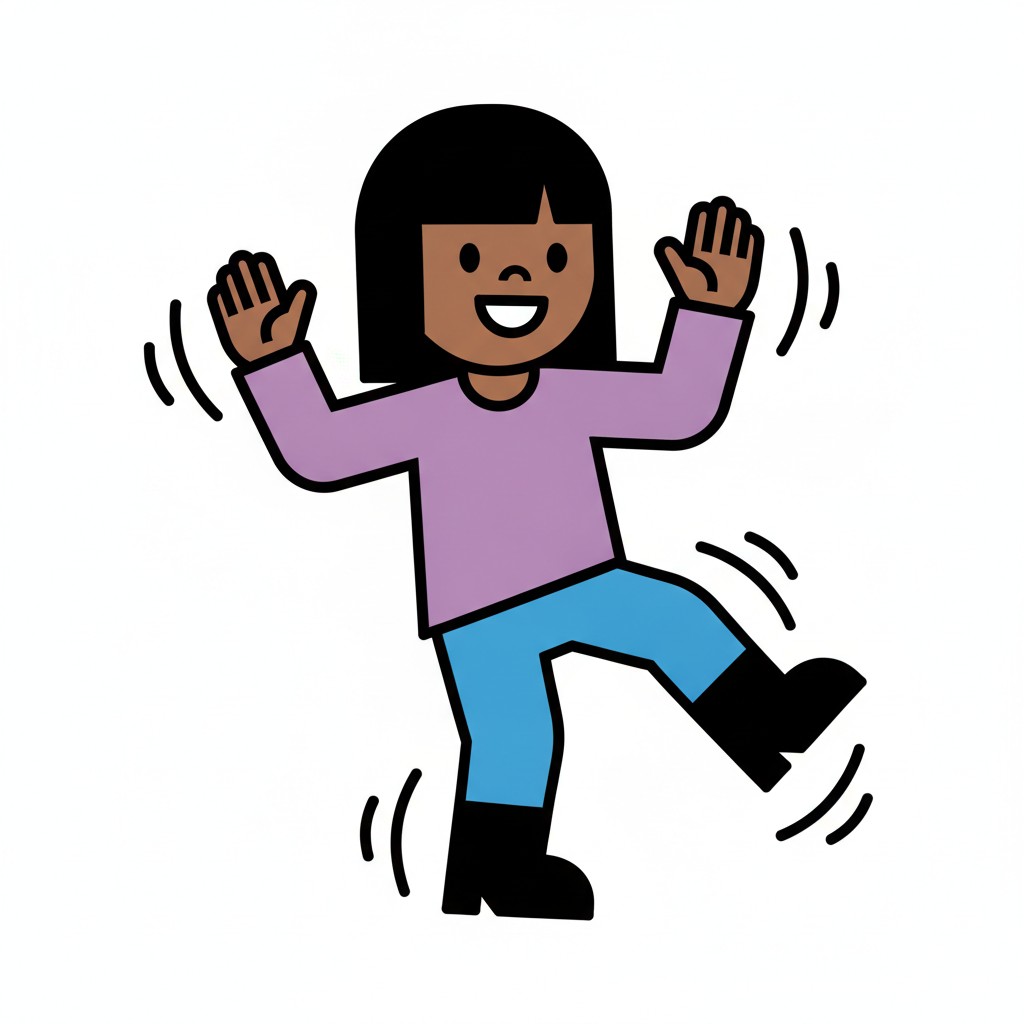 ♀
♀Dance freely
A girl dances with her arms raised and one leg lifted, with movement lines around her.
About this visual support
Dance is one of the few activities where the whole body and every sense are switched on at once. That is exactly what makes it beloved on some days and almost unbearable on others. When the music is loud, the floor is vibrating and the steps are supposed to land cleanly, it becomes a lot to hold at the same time. The angle of this visual schedule is therefore not choreography, but making the choices visible: how much, how long, where.
Pictures make it easier to pause without crashing the mood. Instead of cutting into the middle of a movement, you can both point at a pause card and know a short rest comes next, then back to the music. It is also easier to shift from free dance to a calmer warm-up when there is a card for exactly that, because the shift becomes a concrete picture rather than a buzzkill from above.
A concrete tip: drop a water card between two songs. The pause then feels natural rather than like a brake, and the body gets a moment to regulate pulse and temperature. If you also want a timer on the dance itself and on the break, you can build the full sequence in Routined and try it free for fourteen days.
Use this image in a schedule
Build your own visual schedule with this image and download it as a print-ready PDF. Completely free.

More similar visual supports
5000 Steps
A blue sneaker with the number 5000 and arrows showing movement.
Move around
A person jogs forward in a green top and blue trousers.
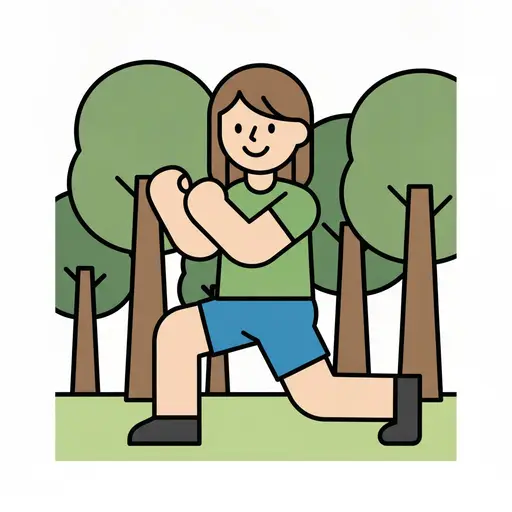
Exercise in the forest
A child does a lunge exercise among the trees in the forest.
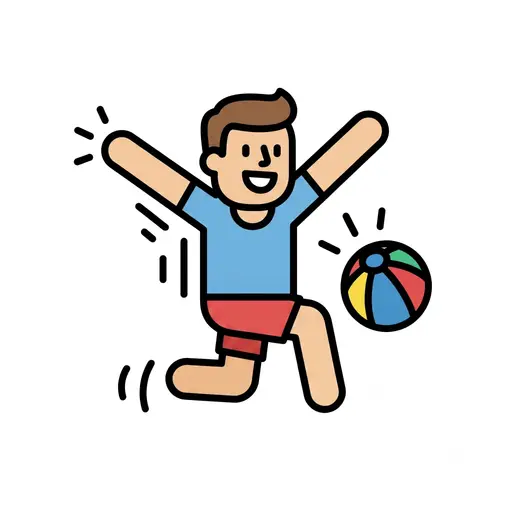
Play and move
A child jumps happily next to a colorful ball.
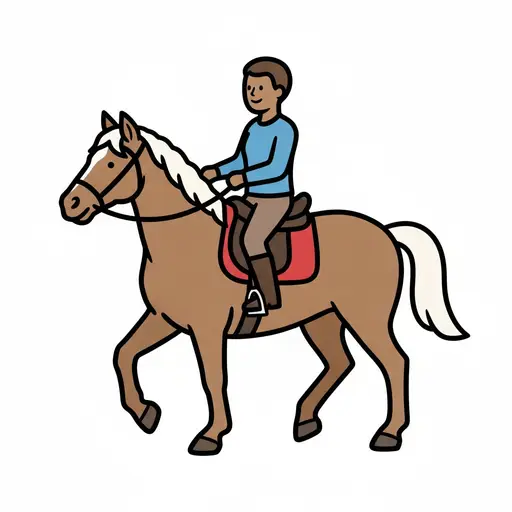
Ride a bike
A child rides a brown horse.
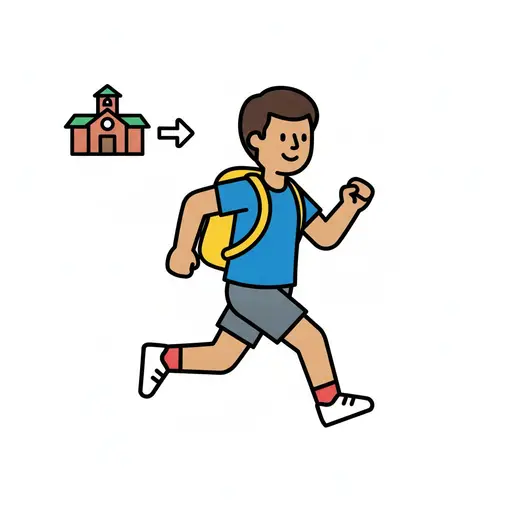
Run
A boy with a backpack jogs towards school.
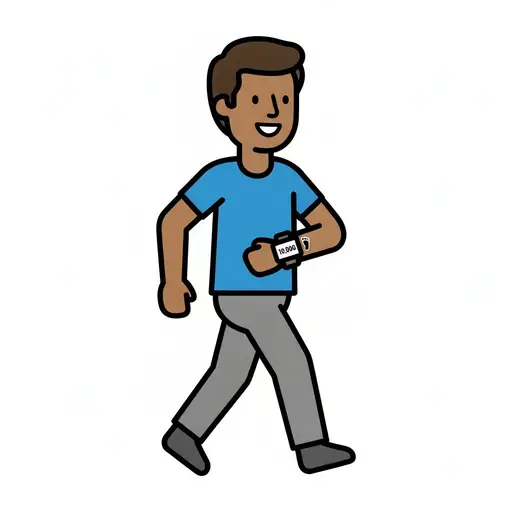
Walk
A person walks forward holding a step counter in their hand.
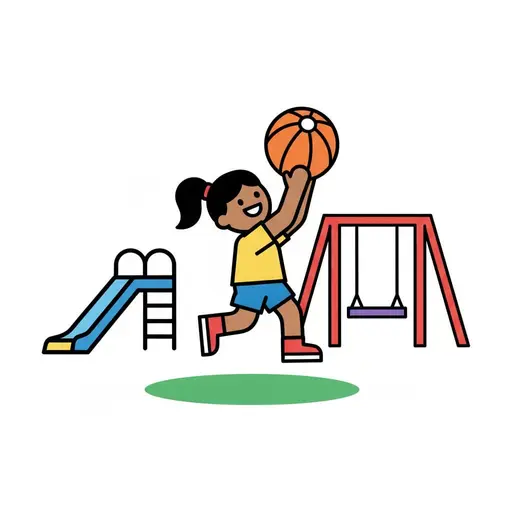
Active play
A girl jumps with a basketball in a playground with a slide and swings.
Take the visual supports with you
In Routined you build schedules from these pictures, add timers and voice instructions, and your child follows the day on their own.


* 14-day free trial, then $2.39 a month or $20.99 a year (US pricing). Cancel anytime.