Do a lap
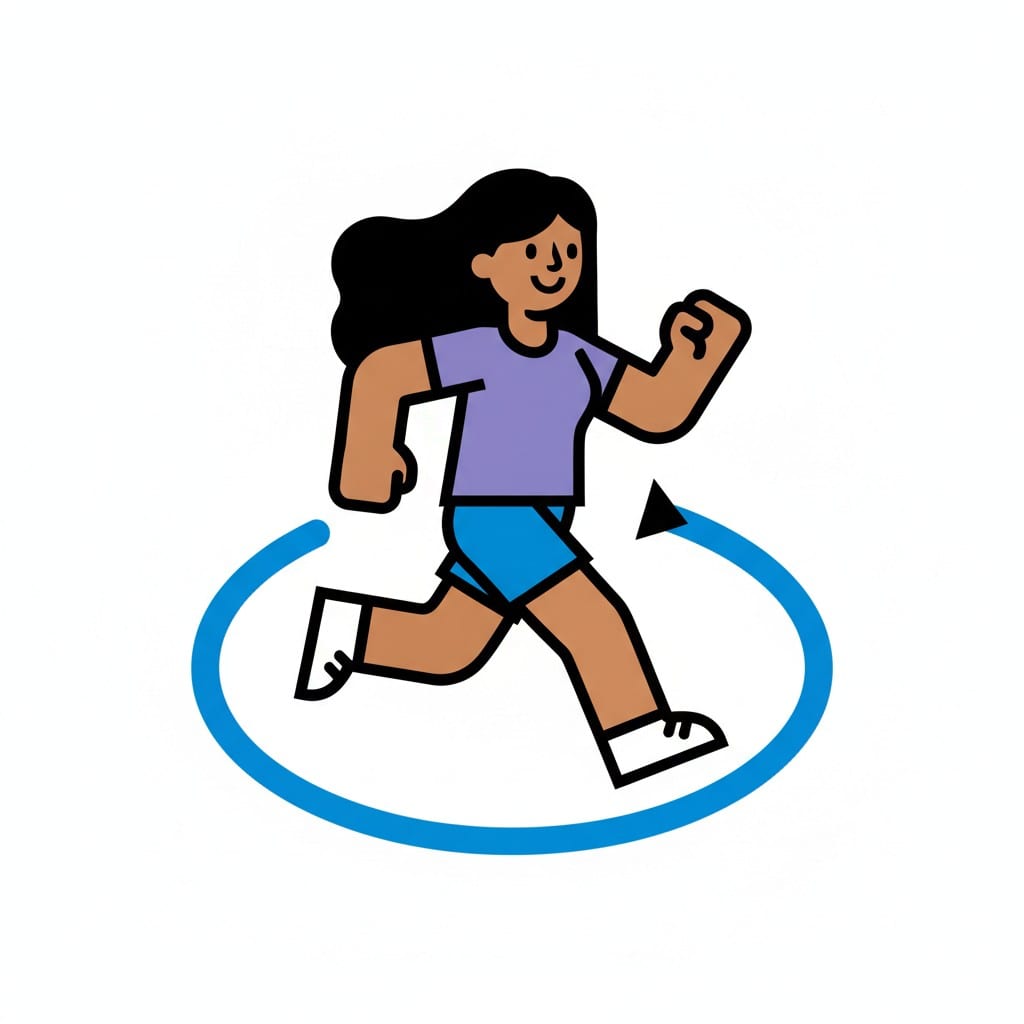
Sometimes neither nagging nor reward works — the body simply needs to run some of it out first. The picture below makes the movement break look like a real step, not an interruption.
 ♀
♀Do a lap
A person running in a continuous circular motion, indicated by a blue arrow, symbolizing doing a lap.
About this visual support
A movement break is not a failure. Quite often it is the body asking how much longer it has to sit still: the foot is bouncing, the hands are looking for something to turn over, the eyes are not finding their way back to the book. Before the brain can focus, that pressure has to leave the body, and a quick lap around the house or kitchen table often does the job in under a minute.
The trouble is that the lap itself lives in a grey zone — it sounds like play, feels like escape, and tends to land in a completely different activity. Visual support solves this by giving the lap its own frame in the routine, level with all the other steps. It becomes something your child does in order to come back, not something that replaces the task.
One practical tip: decide the lap’s route before you need it. Round the sofa and back, out to the postbox, or five hops on the spot — the distance has to be the same every time so your child doesn’t have to negotiate in the moment. That makes the return signal clear: back to exactly here, then the next card in the routine. In the Routined app you can drop the lap as a short step between two focus steps, and the 14-day trial is enough to find the right rhythm.
Use this image in a schedule
Build your own visual schedule with this image and download it as a print-ready PDF. Completely free.

More similar visual supports
Walk
A person walks forward holding a step counter in their hand.
5000 Steps
A blue sneaker with the number 5000 and arrows showing movement.
Active Time
A girl jumps with a basketball, a racket and an American football around her.
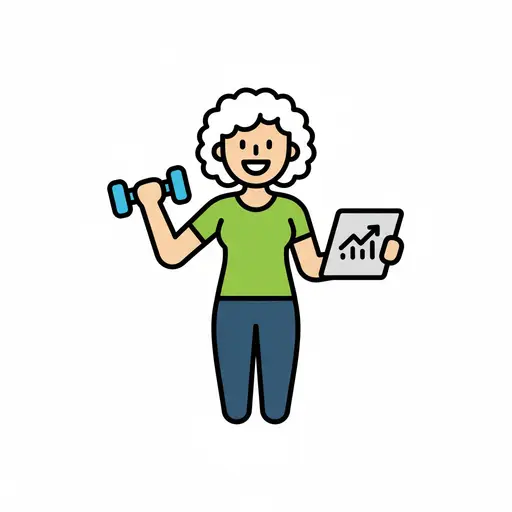
Activity and exercise
A woman lifts a small dumbbell while holding a tablet that shows a progress char...
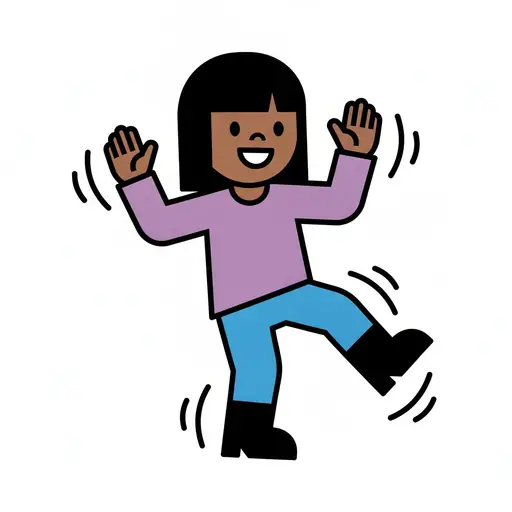
Dance
A girl dances with her arms raised and one leg lifted, with movement lines aroun...
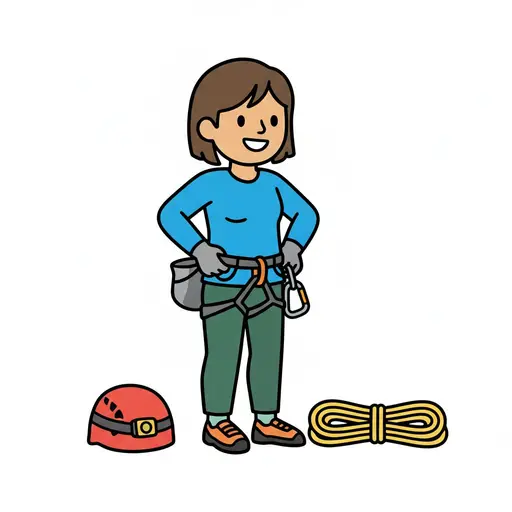
Dress for exercise
A woman in a climbing harness stands with a helmet and rope in front of her.
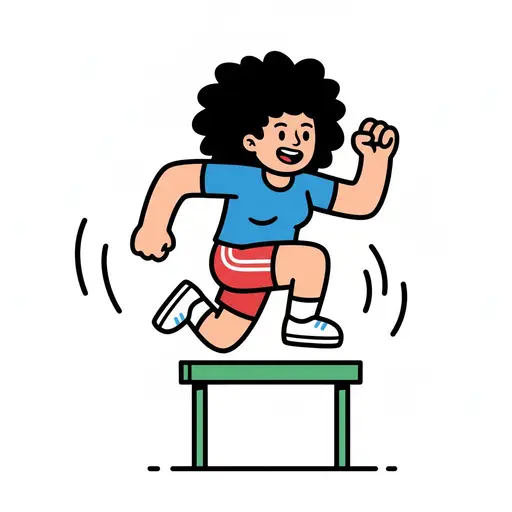
Exercise
Cartoon illustration of a woman in sportswear jumping over a green hurdle.
Floorball
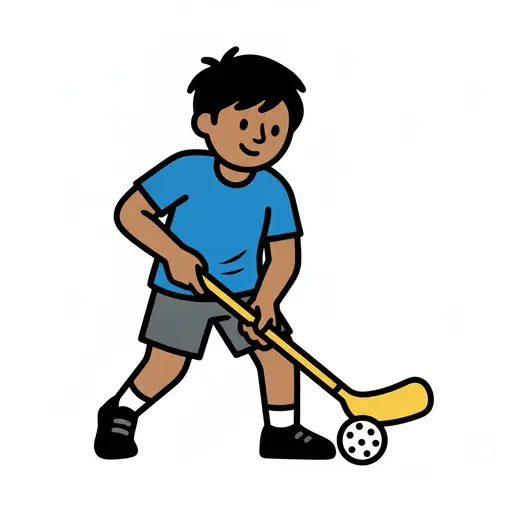
A child hits the ball with a yellow floorball stick.
Take the visual supports with you
In Routined you build schedules from these pictures, add timers and voice instructions, and your child follows the day on their own.


* 14-day free trial, then $2.39 a month or $20.99 a year (US pricing). Cancel anytime.