Do crafts
Crafts look simple on the table, but scissors, glue and pen ask for small movements where every slip shows up on the paper. One crooked line is enough to make some children want to throw the whole sheet. The steps below ease the pace.
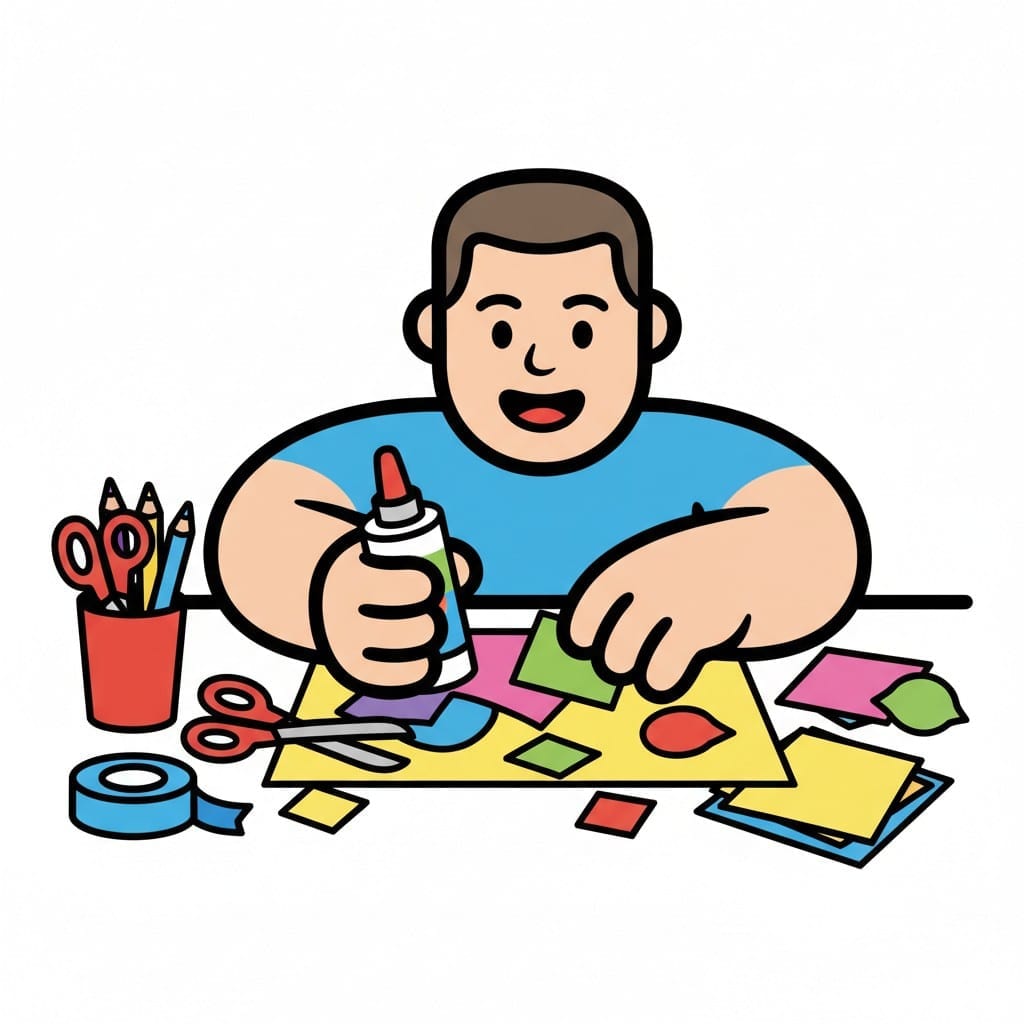 ♂
♂Doing paper crafts
A person at a table doing paper crafts with colourful pieces of paper, a glue bottle, scissors, and coloured pencils on the table.
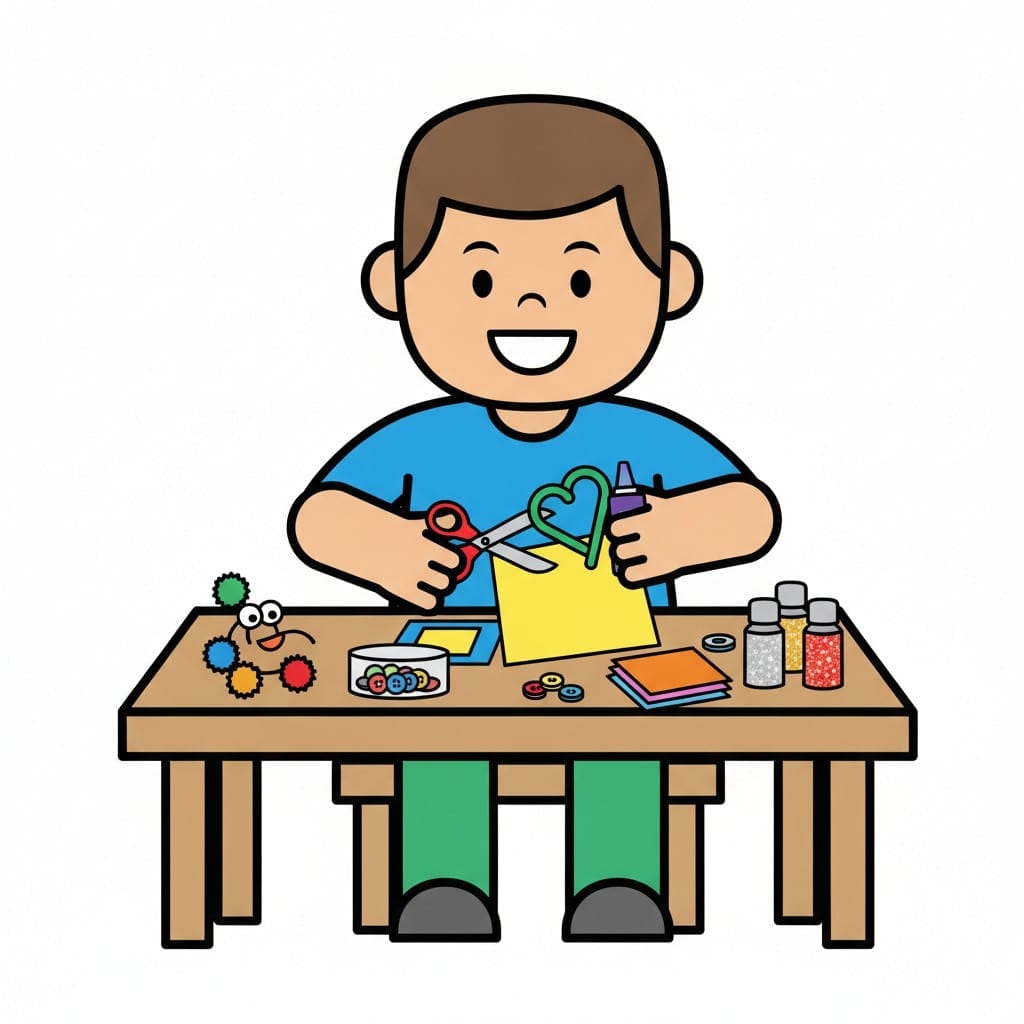 ♂
♂Boy cutting paper at the craft table
A smiling boy cuts a sheet of yellow paper with scissors at a table with buttons, a glue tube, glitter jars and coloured paper.
About this visual support
Fine motor work is one of the most unforgiving kinds of movement, because the result sits in plain view the whole time. Cut outside the line and it shows. Squeeze the glue too hard and a wet blob pushes through, and it shows. For children who are sensitive to small failures, one of those moments can end the crafting long before the page is finished.
A visual schedule helps by separating the steps: first draw the outline, then cut, then place the glue, then press it down. With each step on its own card, you can go slowly through the hard parts and faster through the easy ones. The child gets a beat to reset between motions instead of trying to do everything at once.
A practical tip: lay a spare scrap sheet next to the real one. That gives the child a place to test the scissor grip or the amount of glue without spoiling the proper page. Mistakes get their own home and do not have to ruin the result. The sequence and images live on in Routined, ready for the next crafting afternoon.
Use this image in a schedule
Build your own visual schedule with this image and download it as a print-ready PDF. Completely free.

More similar visual supports

Art
A brush, a palette, a paint tube and a painting with shapes.

Activities
A child surrounded by icons for a book, paint palette, ball and building block.
Activity
Hands holding a book and a paintbrush, surrounded by a puzzle, a ball and buildi...
Activity book
An open activity book showing a maze on one page and a drawing of a sun, rainbow...
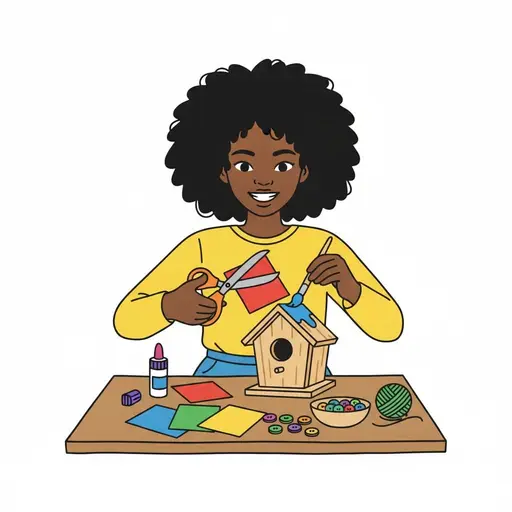
Arts and crafts
A girl cuts red paper and paints a birdhouse at a table with buttons and yarn.
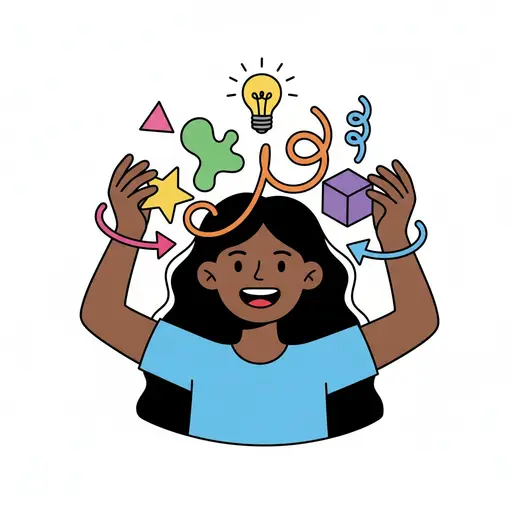
Be Creative
A girl smiles and imagines various colorful shapes and a light bulb.
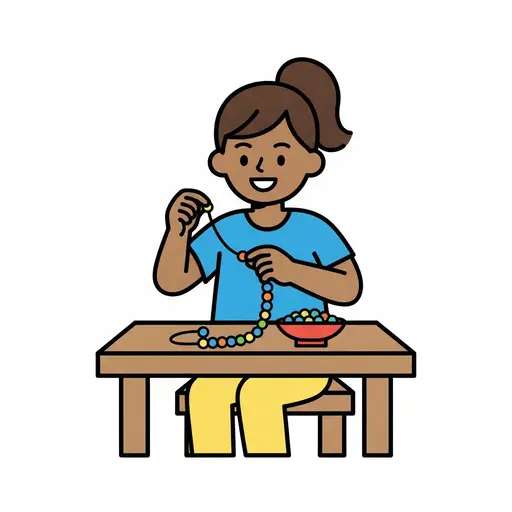
Beading
A smiling girl with a ponytail sits at a wooden table threading colourful beads ...
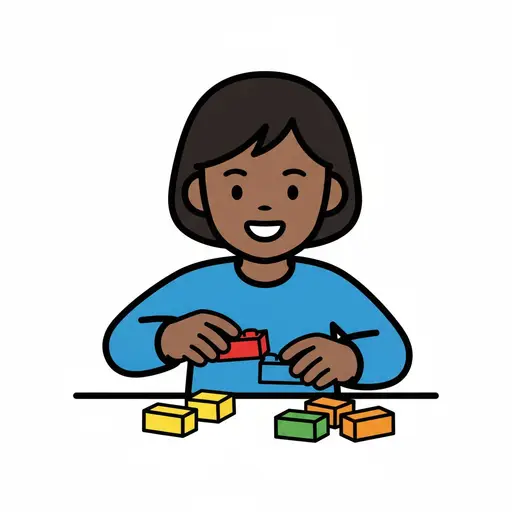
Build Lego
A girl with a bob haircut and a blue sweater builds with a red Lego brick at a t...
Take the visual supports with you
In Routined you build schedules from these pictures, add timers and voice instructions, and your child follows the day on their own.


* 14-day free trial, then $2.39 a month or $20.99 a year (US pricing). Cancel anytime.