Exercise
When the chest pounds and legs burn, what tips a child over isn't the effort itself but not knowing when it stops. The steps below put a visible frame around the session.
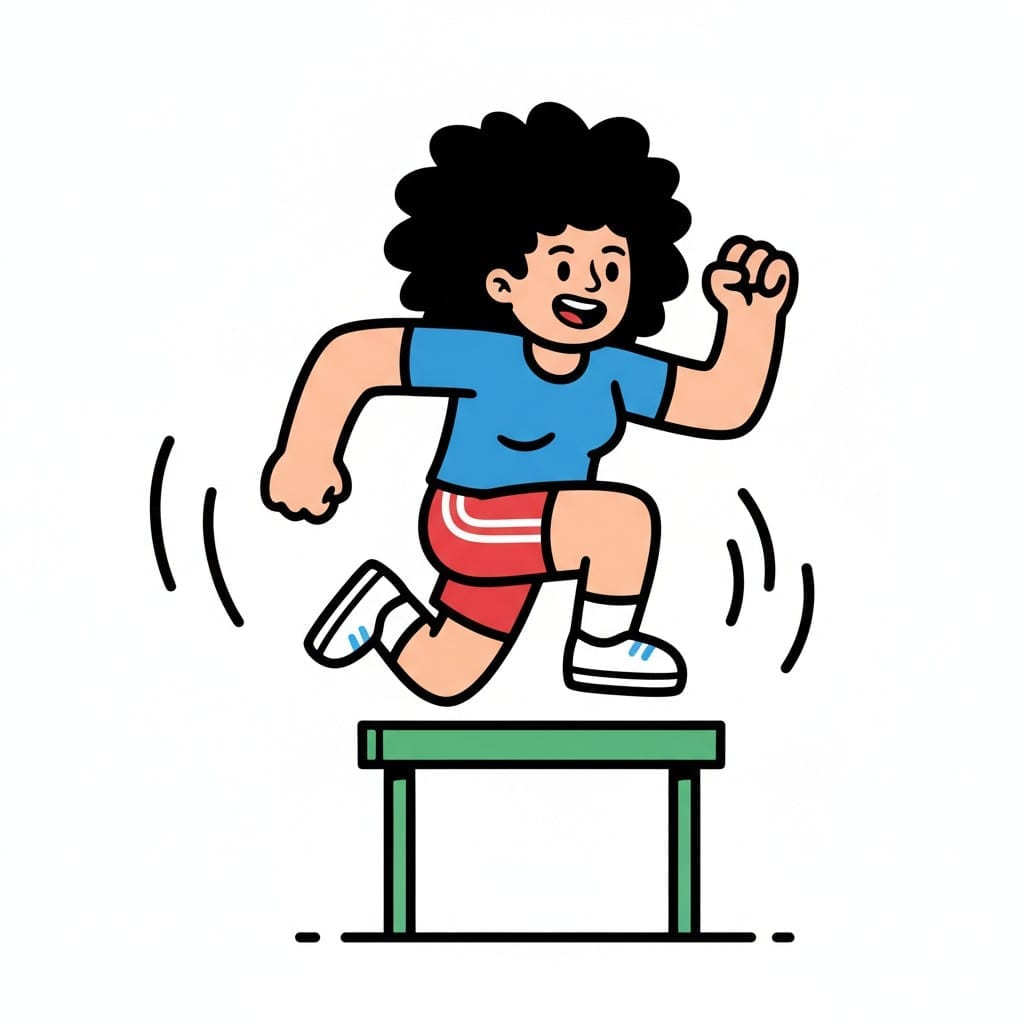 ♀
♀Woman jumping over hurdle
Cartoon illustration of a woman in sportswear jumping over a green hurdle.
About this visual support
Exercise is physical discomfort accepted on purpose. For children that's especially hard, because breathlessness, sweat and tired muscles all read as danger if the brain doesn't know the situation is controlled and finite. Without a clear stopping point the body wants to bail out before things get worse.
A picture sequence puts each moment in place: warm-up, two or three exercises, water, cool-down. The final card matters as much as the others – it tells the child the discomfort has been counted and has an exit. Then breathlessness becomes a sign the session is working, not a sign the body is in trouble.
One tip: pair each picture with a real number – ten push-ups, two laps around the yard, thirty seconds of plank. Numbers give the child something to count down, not just something to endure. In Routined you can add a timer per step so the visual sequence and the clock line up.
Use this image in a schedule
Build your own visual schedule with this image and download it as a print-ready PDF. Completely free.
More similar visual supports
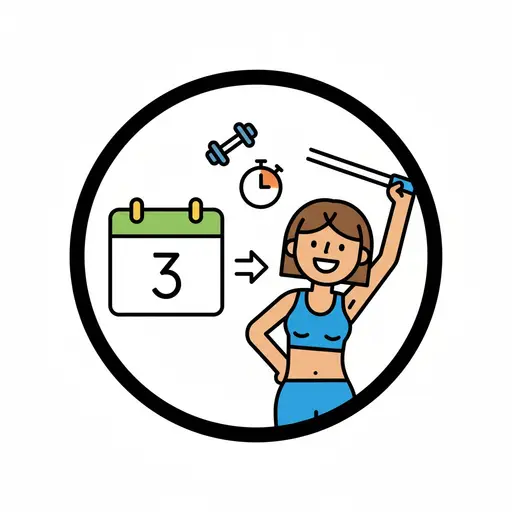
Wednesday training
Illustration of a woman exercising with a calendar showing the number 3, a stopw...

School sport
A girl jumps with a ball next to a sports field and the school.
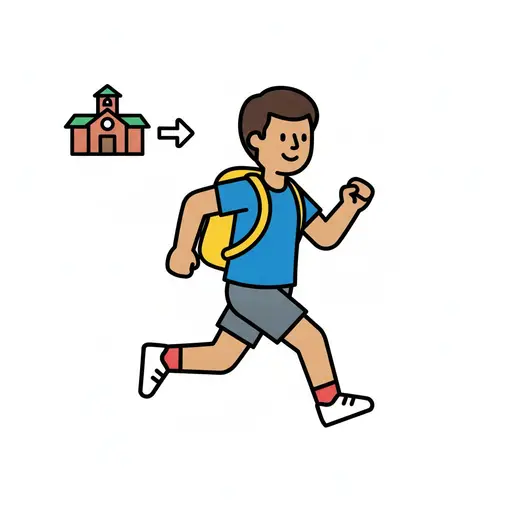
Run
A boy with a backpack jogs towards school.

Sit-ups
A boy lies on his back with bent knees and hands behind his head while doing a s...

Workout
A person squats and lifts a barbell with red weights above their head.
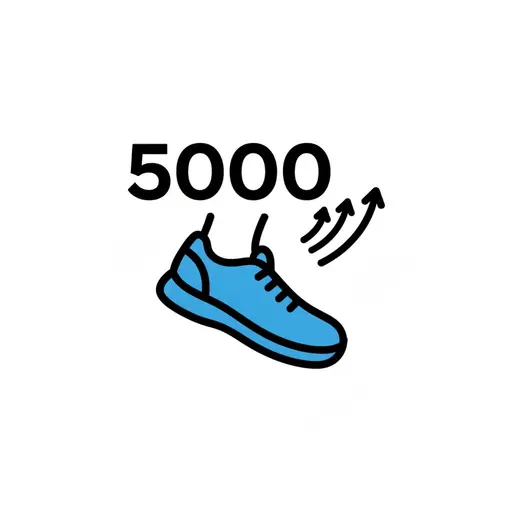
5000 Steps
A blue sneaker with the number 5000 and arrows showing movement.
Dress for exercise
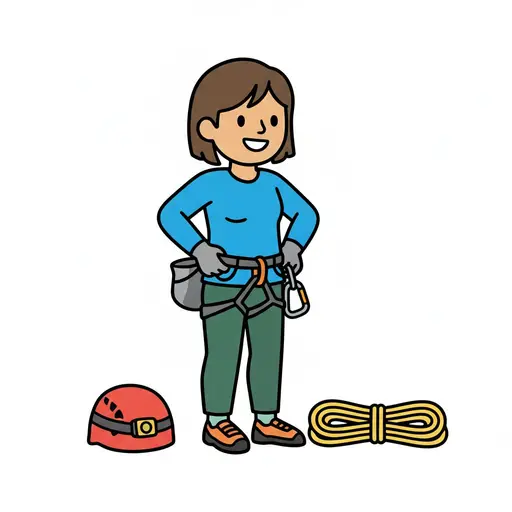
A woman in a climbing harness stands with a helmet and rope in front of her.

Handball
Two gloved hands catch an orange handball in motion.
This visual support in other languages
Take the visual supports with you
In Routined you build schedules from these pictures, add timers and voice instructions, and your child follows the day on their own.


* 14-day free trial, then $2.39 a month or $20.99 a year (US pricing). Cancel anytime.