Football
The ball bounces wrong, the rain starts, a teammate sulks. Most of football happens outside the child's control, and that is precisely what can feel heavy. The visual support below breaks the match into manageable parts.

Football
A black and white football with motion lines.
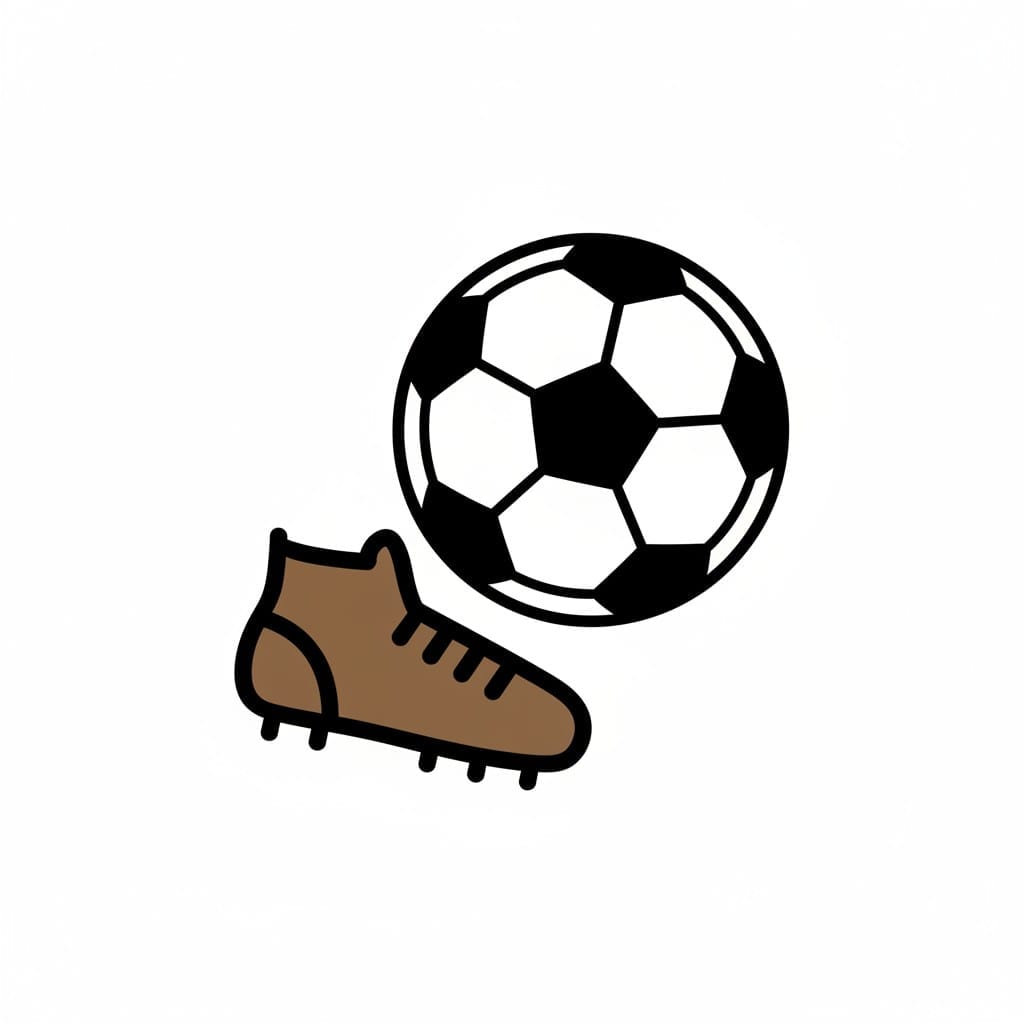
Football
An illustration of a football and a football shoe.

Rolling football
A black and white football in motion with speed lines trailing behind it.
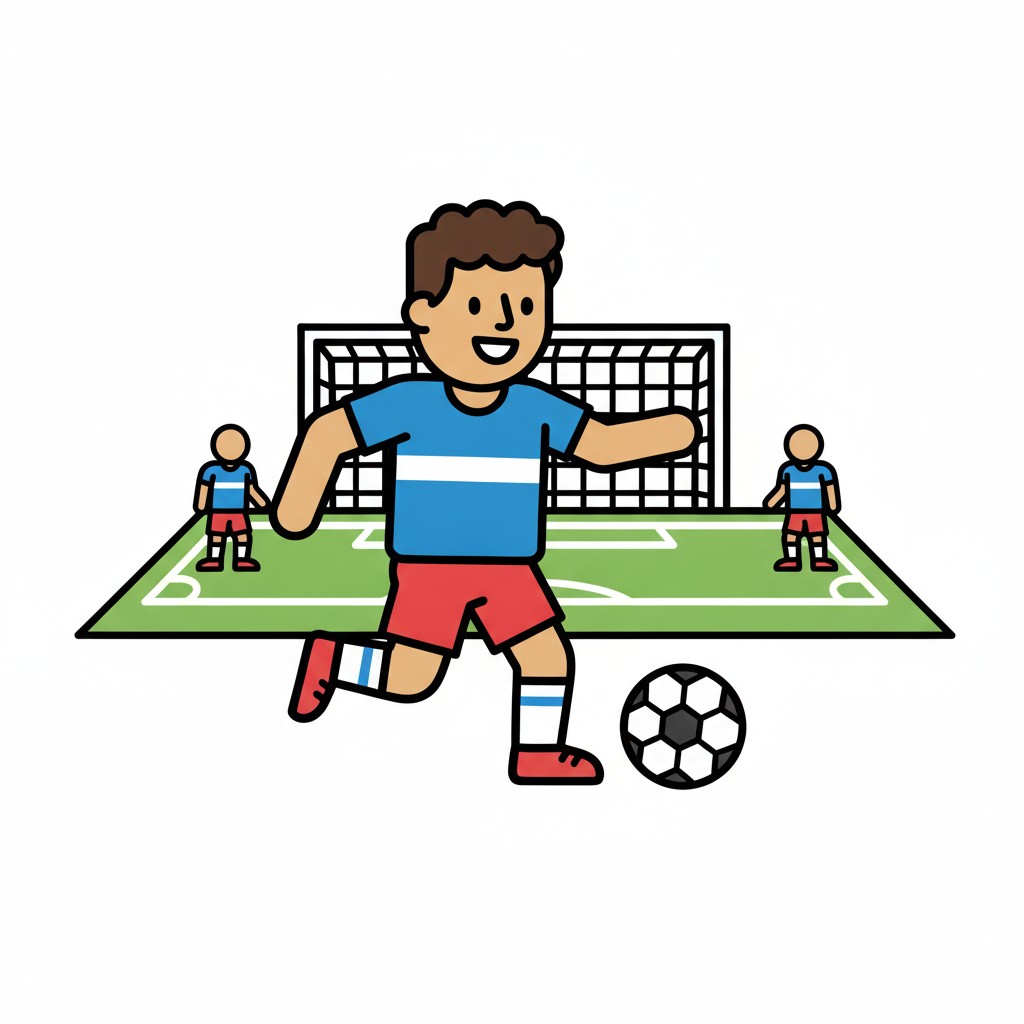 ♂
♂Football match
A boy kicks the ball on the pitch with players behind him.

Football
A black and white football.

Football
A black and white football.

Black and white football
A classic football patterned with black and white panels.
About this visual support
Football stands apart from many other activities because of how much uncontrollable input fits inside a single hour. The ground can be wet, the wind bends every pass, one teammate yells, another grins. For a child who relies on predictability, those are not small details but a constant noise that takes up the whole body.
What visual support can do is highlight the parts that are actually fixed: kick-off, half-time, second half, final whistle. When a picture shows where in the match the child currently is, the surrounding noise becomes easier to sort, because there is still a frame to lean on. Knowing that water and a sit-down come after this segment creates small resting points.
A tip rooted in the activity itself: agree with the coach before the match on what happens if the child needs to substitute or pause, and show that on a picture too. When the way off the pitch is clear, the way onto it gets lighter. Routined lets you place the parts of the match on a timeline, so the child sees roughly how long each phase lasts and can breathe with the rhythm.
Use this image in a schedule
Build your own visual schedule with this image and download it as a print-ready PDF. Completely free.

More similar visual supports
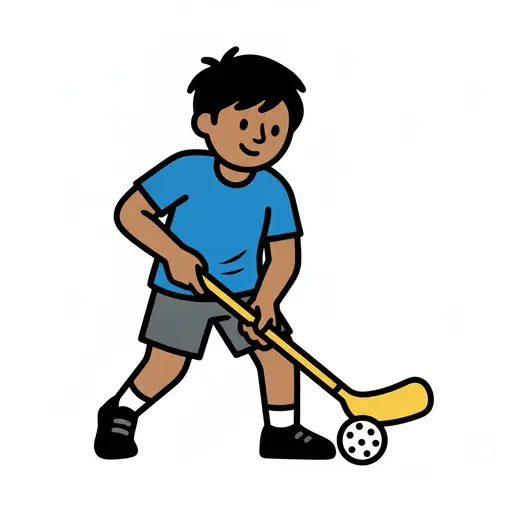
Floorball
A child hits the ball with a yellow floorball stick.
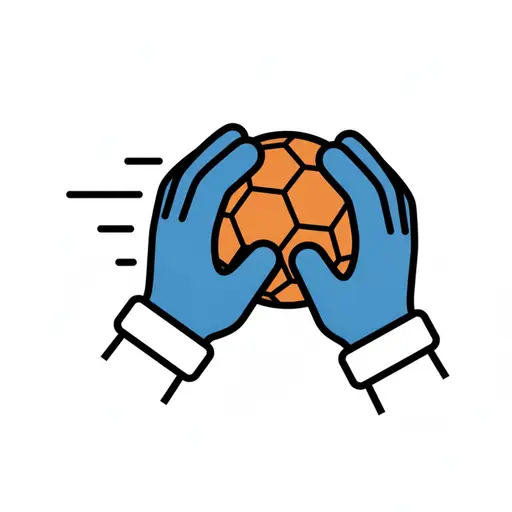
Handball
Two gloved hands catch an orange handball in motion.
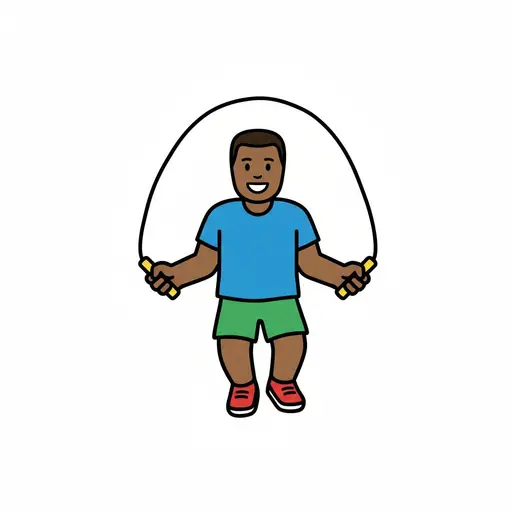
Jump rope
A boy jumping rope.
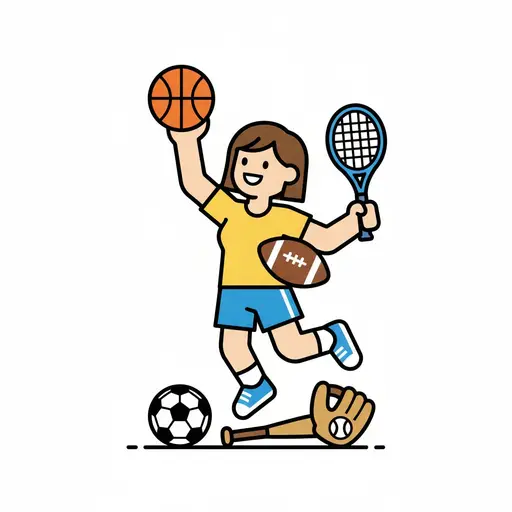
Active Time
A girl jumps with a basketball, a racket and an American football around her.
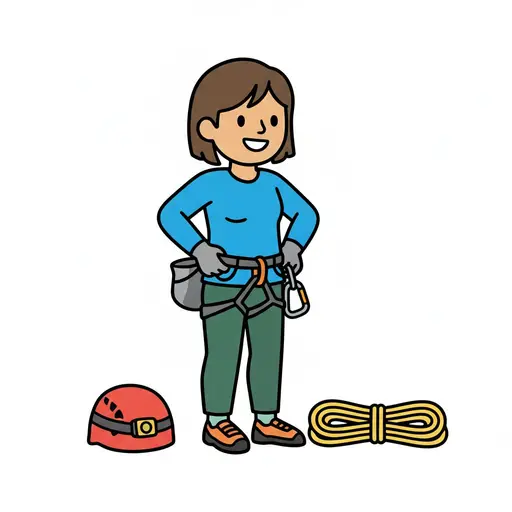
Dress for exercise
A woman in a climbing harness stands with a helmet and rope in front of her.
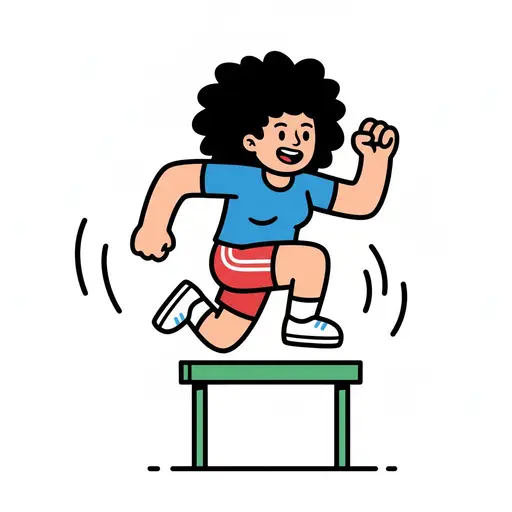
Exercise
Cartoon illustration of a woman in sportswear jumping over a green hurdle.
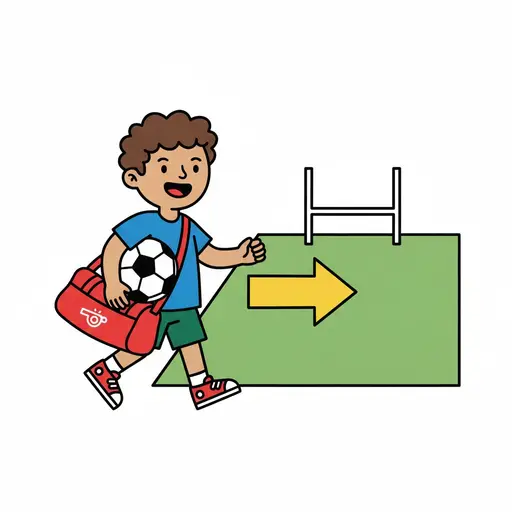
Football practice
A boy with a bag and a ball walks towards a football pitch.
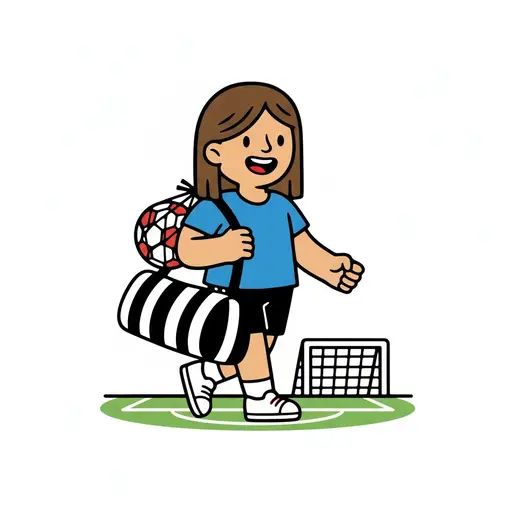
Go to practice
A child with a football and a bag walks across a pitch towards a goal.
Take the visual supports with you
In Routined you build schedules from these pictures, add timers and voice instructions, and your child follows the day on their own.


* 14-day free trial, then $2.39 a month or $20.99 a year (US pricing). Cancel anytime.