Game
Board games stack three tough demands at once: holding the rules, waiting without giving up and bearing a loss. The cards below split playing into those parts.
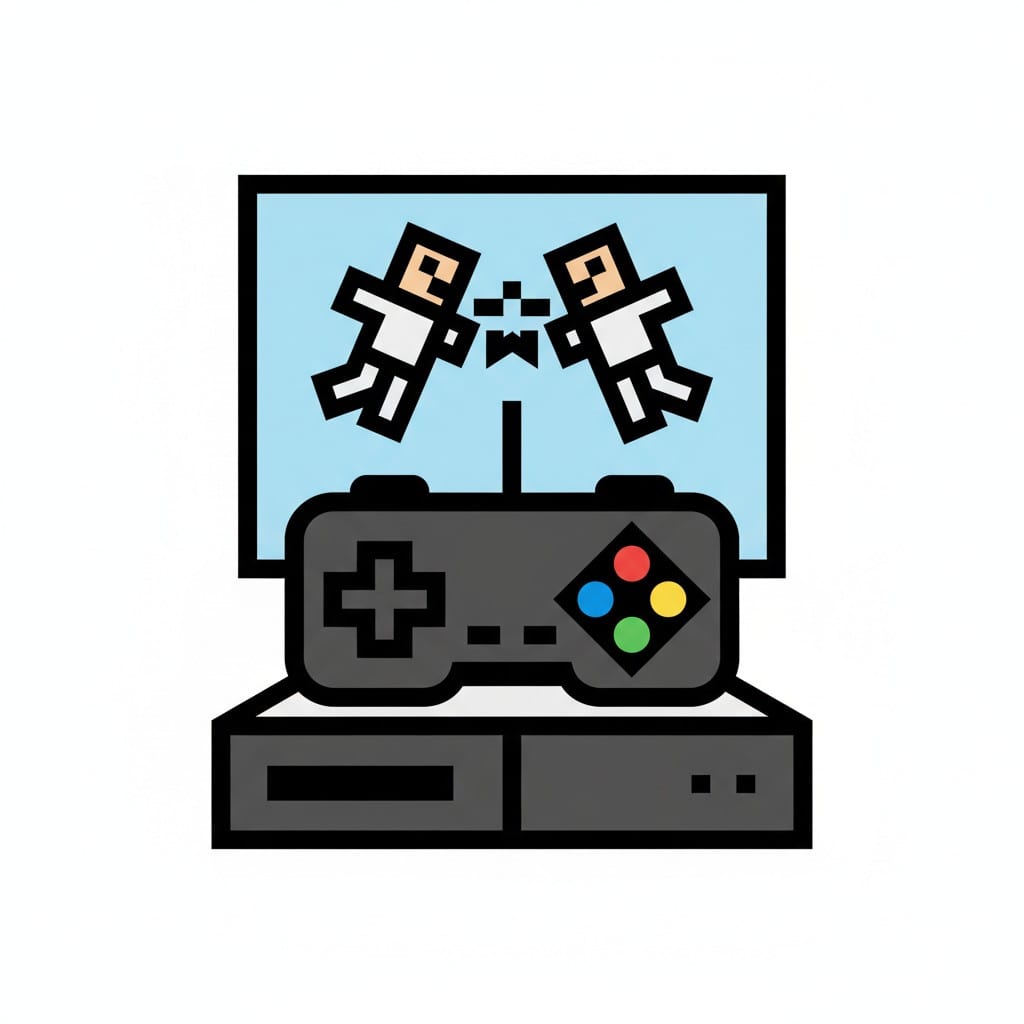 ♂
♂Playing video game
An image showing a video game console, a controller, and two figures fighting on a screen.
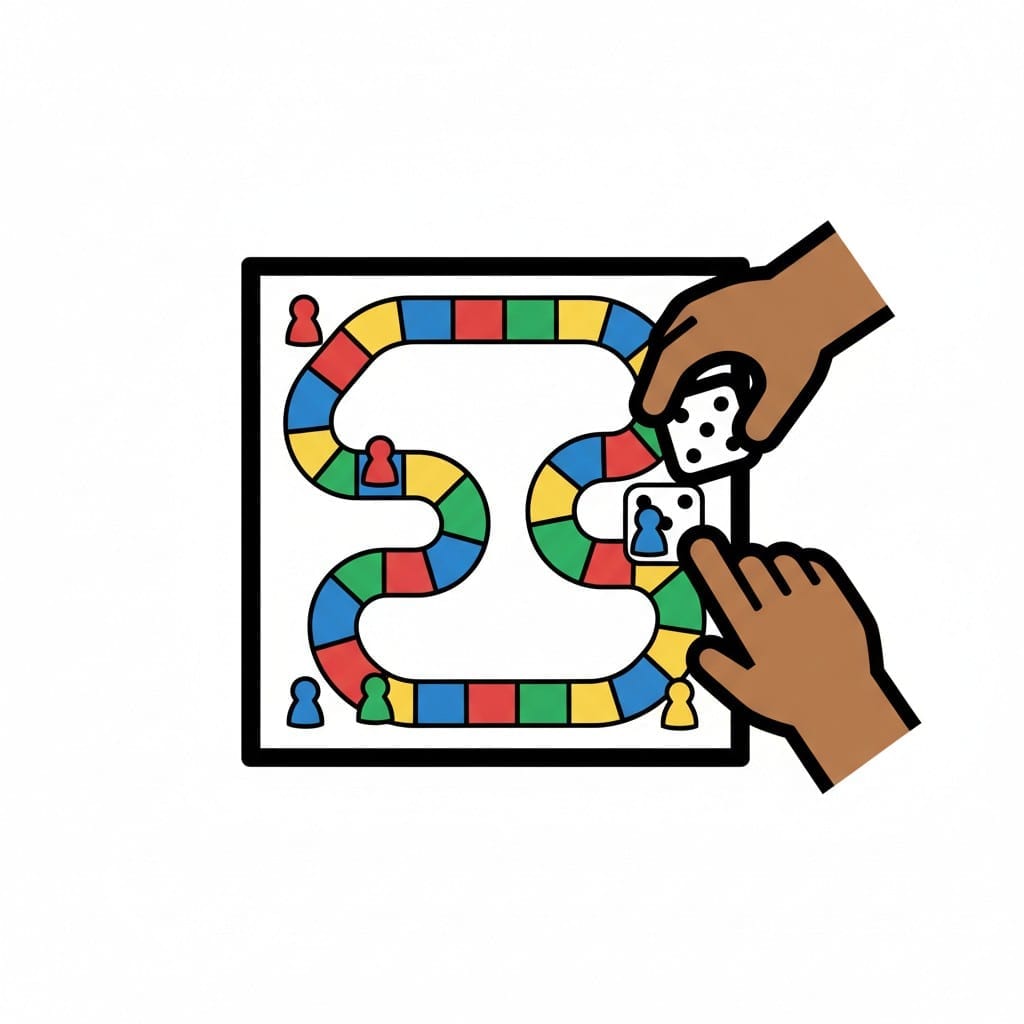 ♀
♀Playing board game
Two hands rolling dice and moving pieces on a colorful board game.
About this visual support
Games look simple to a grown-up: read the rules, roll the dice, move the piece. For a child, three things happen at once — keeping the rule memory alive, waiting while three others go first and carrying the feeling of landing last. That is when the board flips.
When each part of the game gets its own picture — my turn, wait, roll, move, I won, I lost — the whole stops being one abstract blob and becomes a sequence. The child can point at the wait card when it itches, and you can point at I lost as a fully valid ending, not a disaster.
An activity-specific tip: keep the I lost card visible from the very start, so the possible outcome is present from the first roll. That removes the surprise that often triggers the meltdown. Then build the full game sequence inside Routined, ready for the next time the board comes out. Try the app free for 14 days.
Use this image in a schedule
Build your own visual schedule with this image and download it as a print-ready PDF. Completely free.

More similar visual supports
Play bingo
A person with long, dark hair is playing bingo, holding red bingo balls and spin...
Activity
Hands holding a book and a paintbrush, surrounded by a puzzle, a ball and buildi...
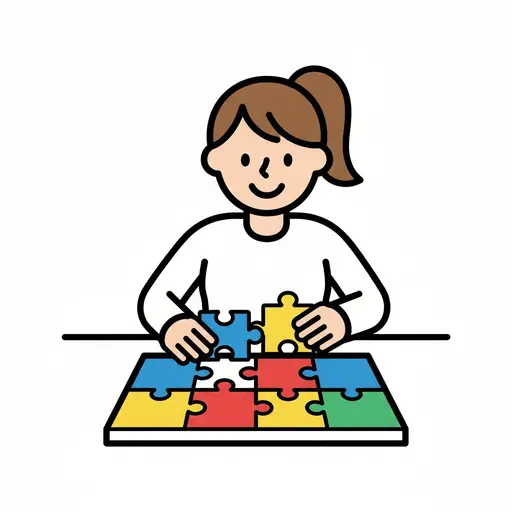
Do puzzle
A girl with brown hair in a ponytail sits at a table assembling a puzzle with se...
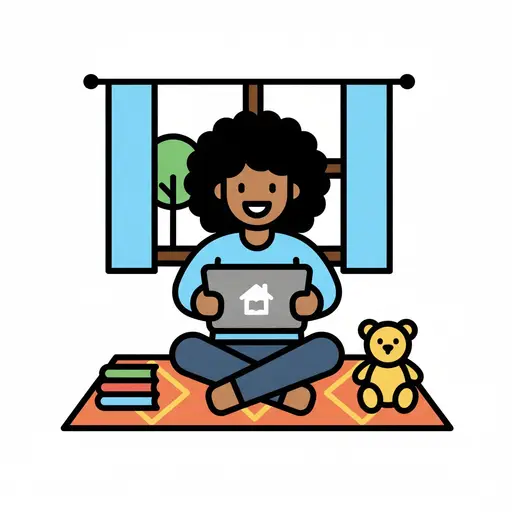
Indoor play
A child sits cross-legged on a rug with a tablet, with a teddy and books beside ...
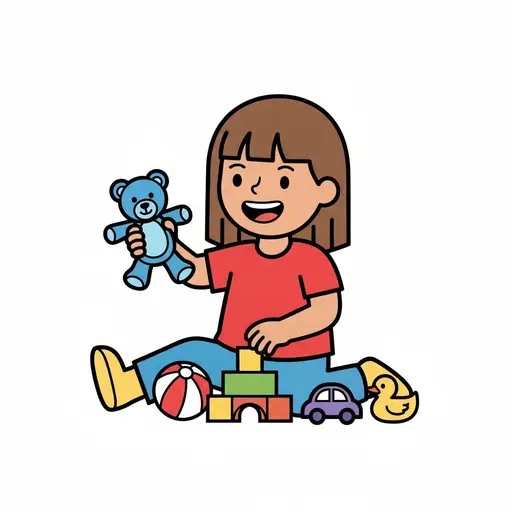
Leisure time
A girl sits on the floor with a teddy, blocks, a ball and a car.
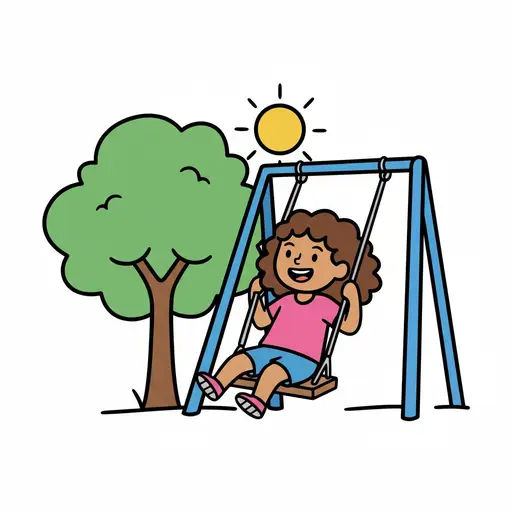
Outdoor Play
A happy girl on a swing in an outdoor setting with a tree and sun.
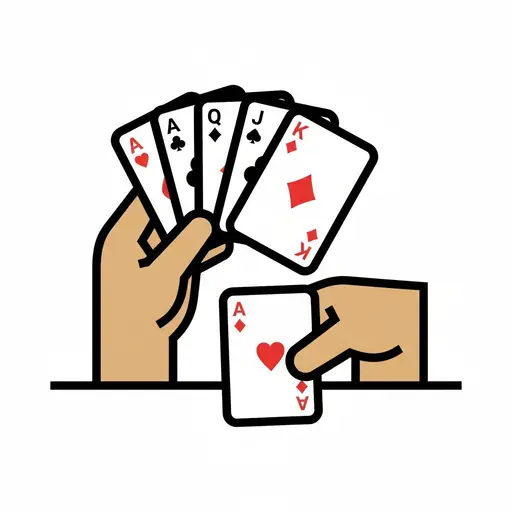
Play cards
A hand holds a fan of cards while another hand lays down an ace of hearts.
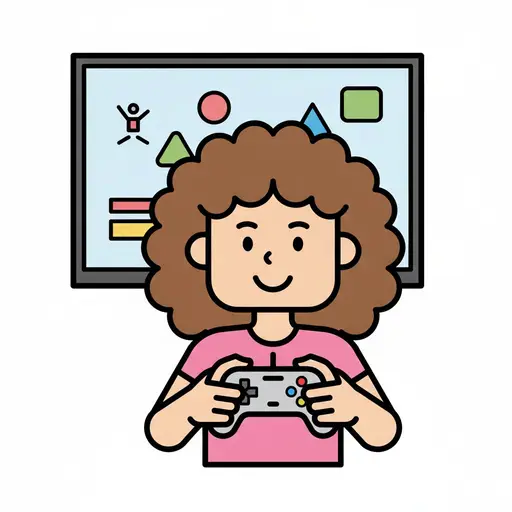
Play games
Holding a controller, a girl with curly hair plays in front of a television show...
Take the visual supports with you
In Routined you build schedules from these pictures, add timers and voice instructions, and your child follows the day on their own.


* 14-day free trial, then $2.39 a month or $20.99 a year (US pricing). Cancel anytime.