Grandma
Seeing grandma can be a warm moment, but the bond is supposed to feel close within minutes even though months may have passed. The cards below help the child rehearse the meeting in a calm way — the face, the voice, what you will do together.
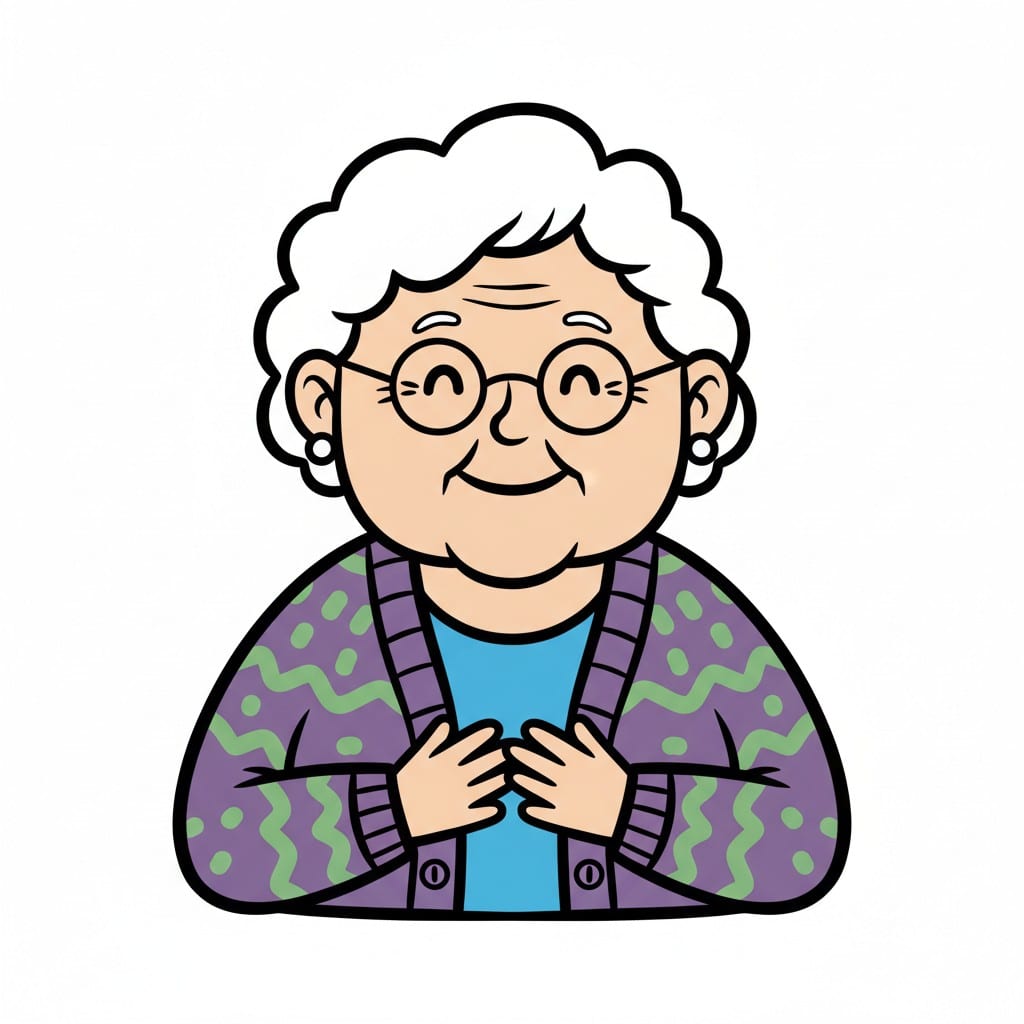 ♂
♂Smiling grandma
An older woman with white curly hair and round glasses smiles warmly with her hands resting on her chest.
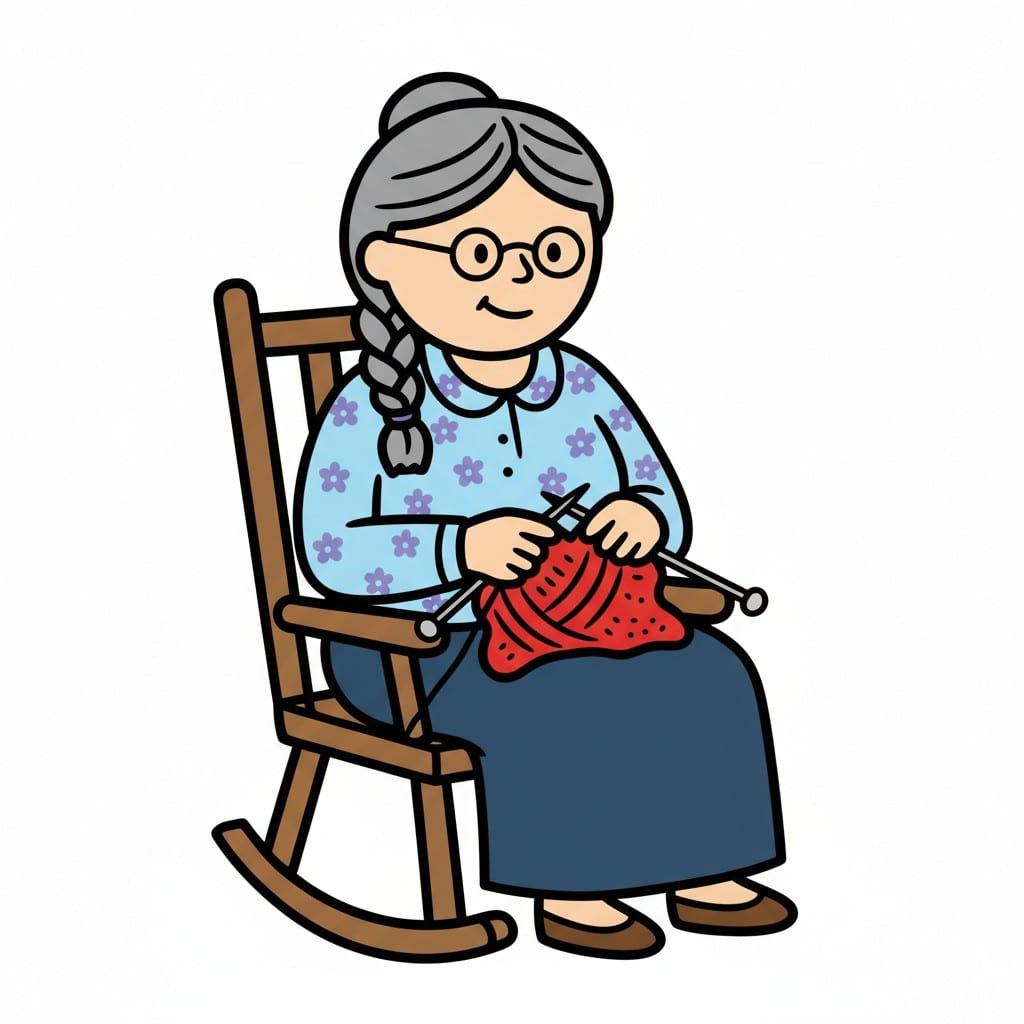 ♀
♀Grandma knitting
A woman with gray braided hair and glasses sits in a rocking chair, knitting a red sweater.
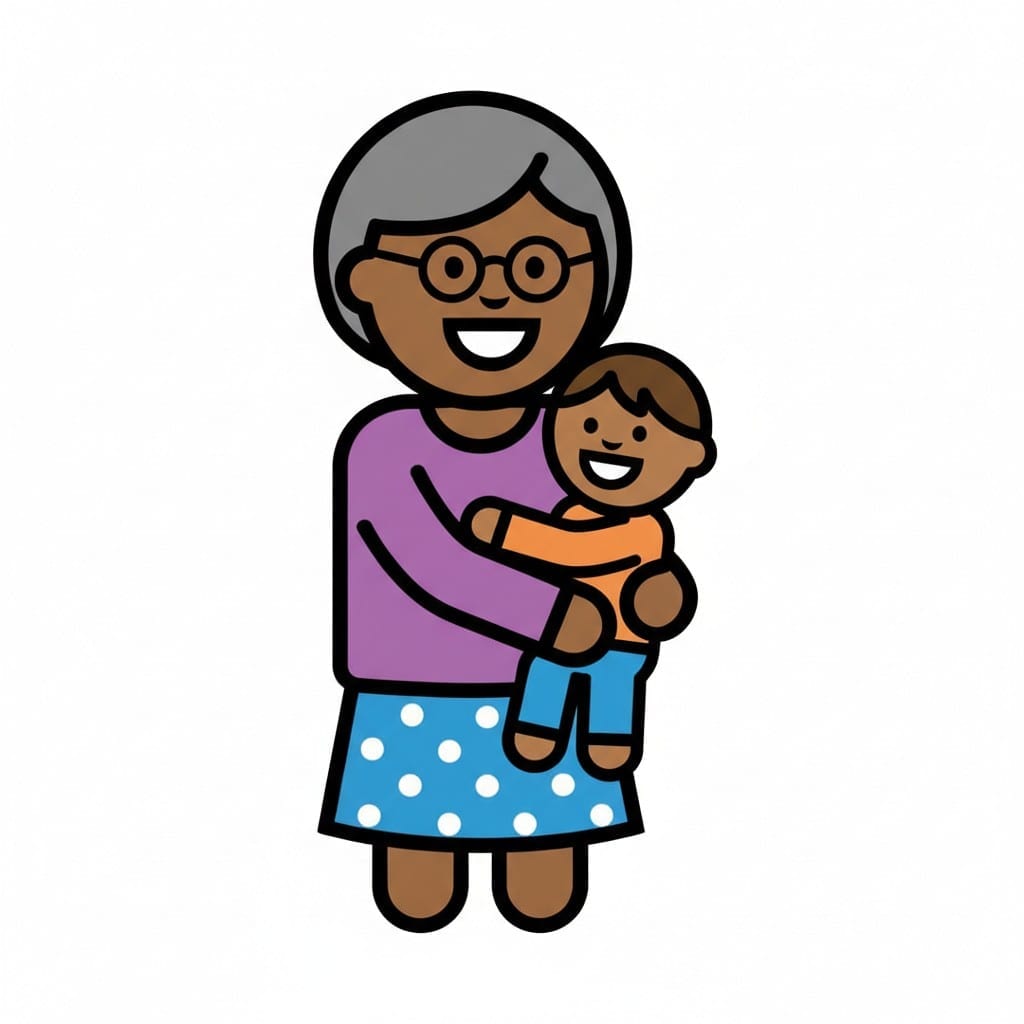 ♀
♀Grandma with child
A woman with gray hair and glasses holds a smiling child.
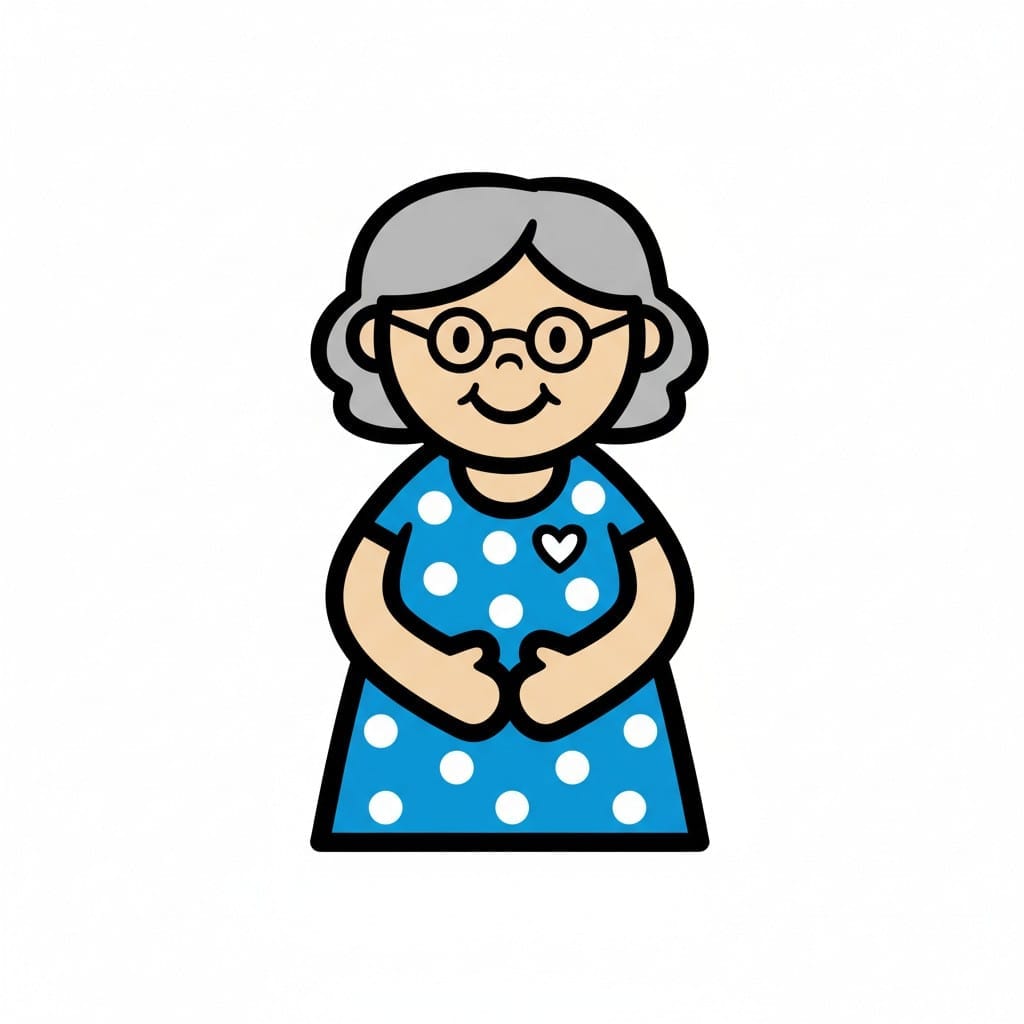
Grandma
A woman with gray hair and glasses, wearing a blue dress with white polka dots and a small heart on her chest.
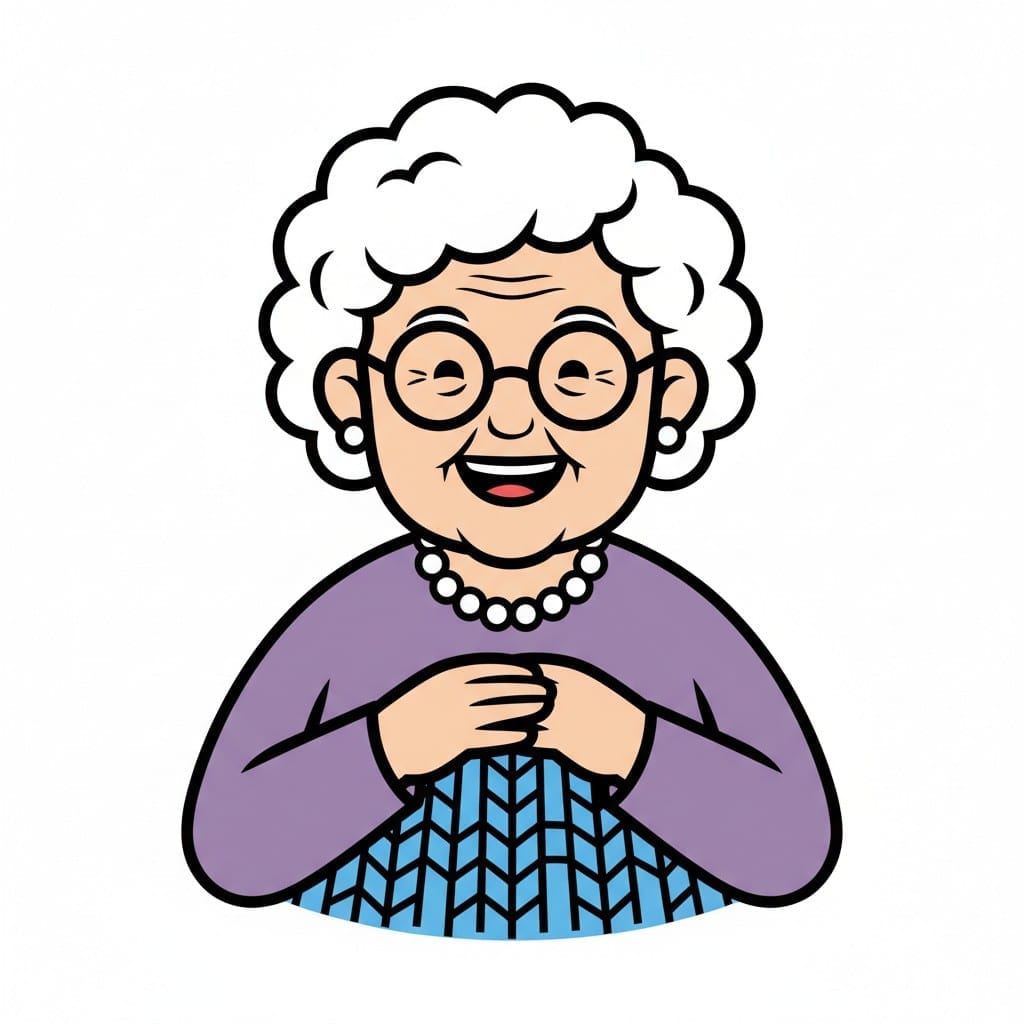 ♀
♀Grandma knitting
A smiling older woman with white curly hair, a pearl necklace, and glasses, knitting with blue yarn.
About this visual support
Grandparents often live mostly in the heart and only rarely in the day-to-day. Between visits the child grows, smells and voices shift, and at the door the body can stiffen at a warmth that is expected but not quite recognised yet. The first hug ends up awkward, even though the feeling is there underneath.
A visual support gives the child a chance to meet grandma once more before the door opens. Looking at her face calmly, saying the name, seeing what you usually did last time, lets recognition wake up before the body has to stand in front of the real meeting. It shortens that stiff first minute.
A practical idea: go through the cards in the car or on the steps, not at home hours ahead. It works better when the picture meets reality right after. Add a card showing something you usually do together — baking, playing cards, walking in the garden — so the child has something concrete to offer when words run short.
Use this image in a schedule
Build your own visual schedule with this image and download it as a print-ready PDF. Completely free.

More similar visual supports
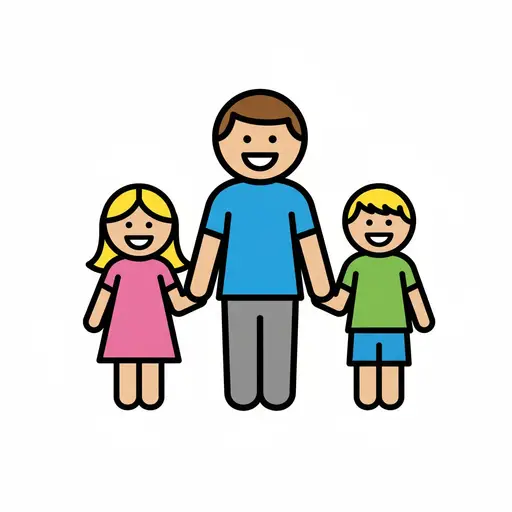
Dad and kids
A dad holds hands with his two children while everyone smiles.
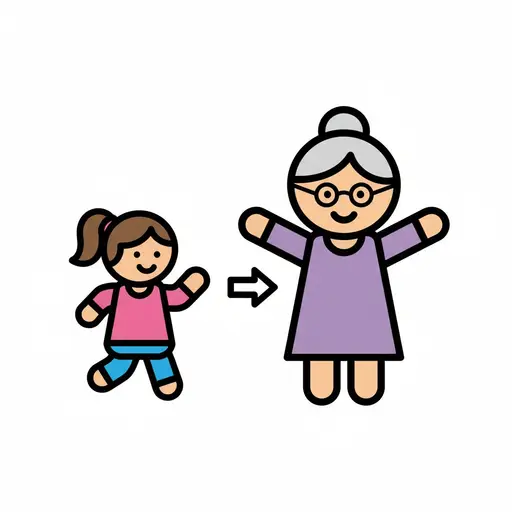
Go to grandmother
A cartoon girl walks towards an older woman with glasses. An arrow points from t...
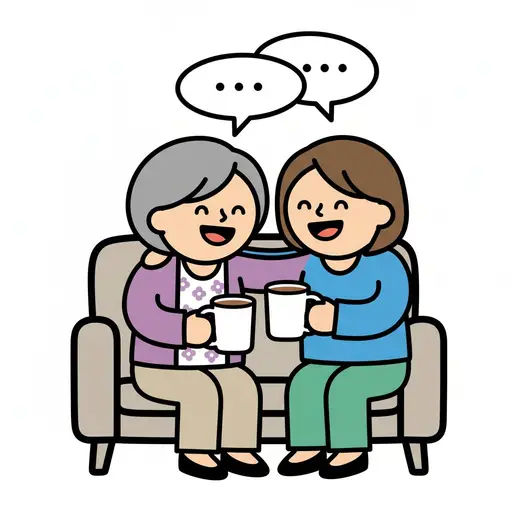
Hang out with grandma
Two women sitting on a couch, holding mugs and talking. Speech bubbles are above...
Sibling
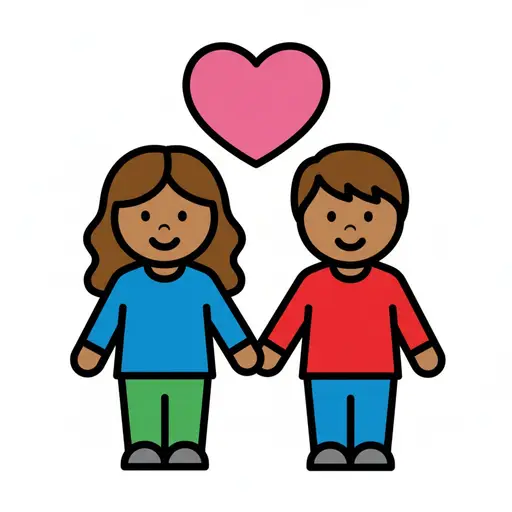
A girl and a boy hold hands with a heart above them

With mom
A child and a mom hold hands beneath a red heart.
Call a parent
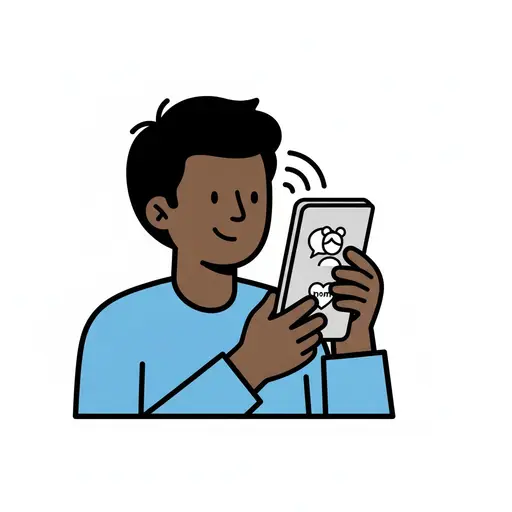
A person makes a call on their phone.
Call parent
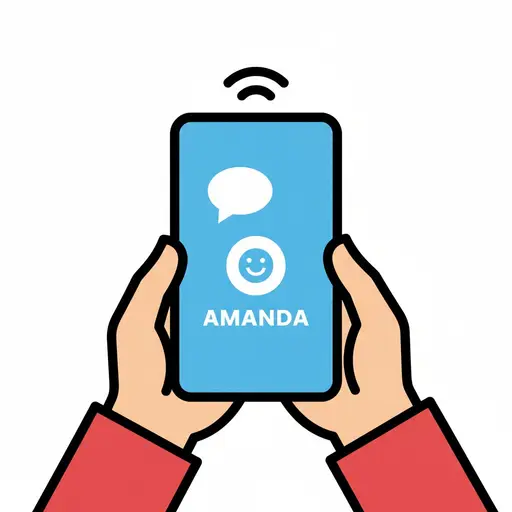
Two hands hold a phone showing a name in the contacts with a speech bubble.
Dad
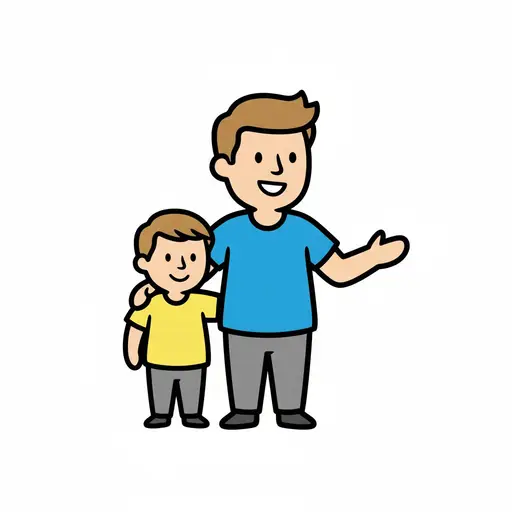
An illustration of a dad and son standing together. The dad has his arm around t...
Take the visual supports with you
In Routined you build schedules from these pictures, add timers and voice instructions, and your child follows the day on their own.


* 14-day free trial, then $2.39 a month or $20.99 a year (US pricing). Cancel anytime.