Handball
Handball asks for decisions in seconds while rules, bodies and shouts keep shifting. The visual support below unpacks practice into pieces a child can actually take in.
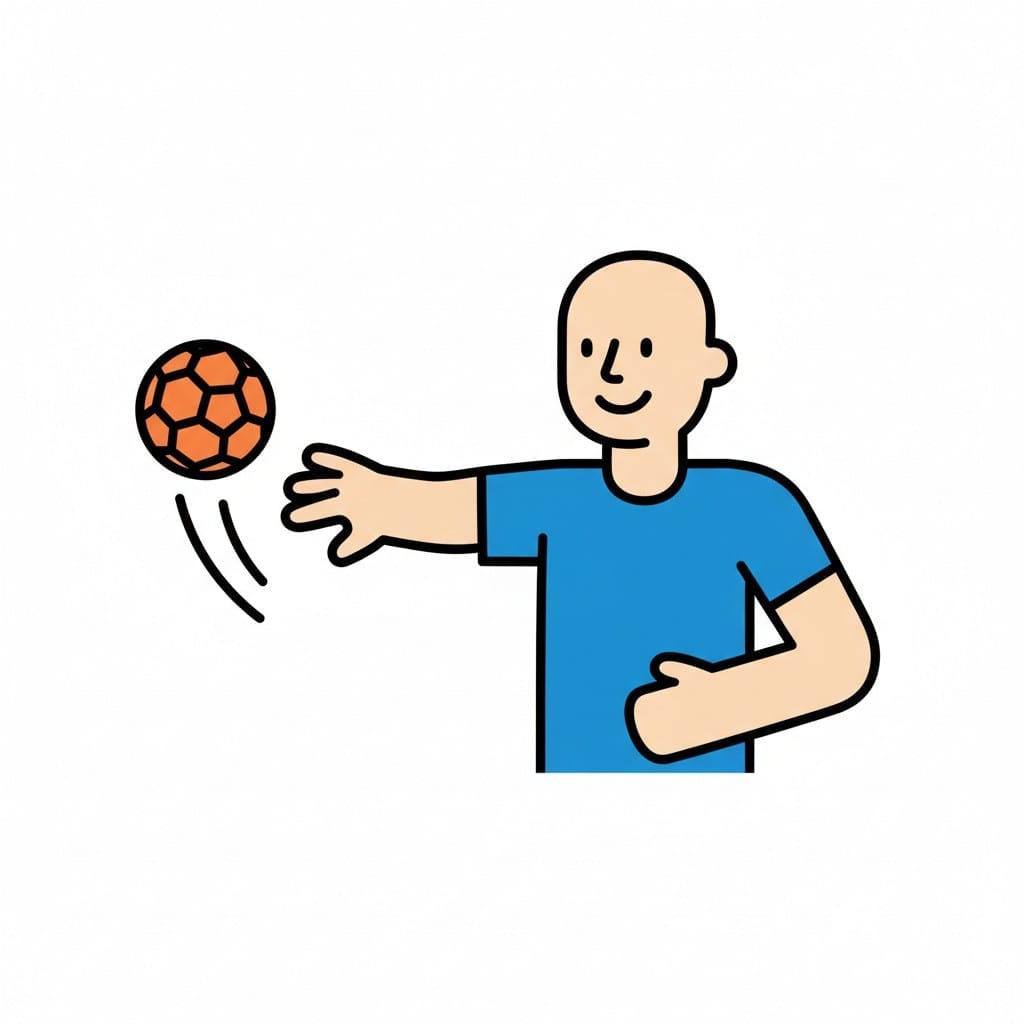 ♂
Playing handball
A person in a blue shirt is throwing a handball.
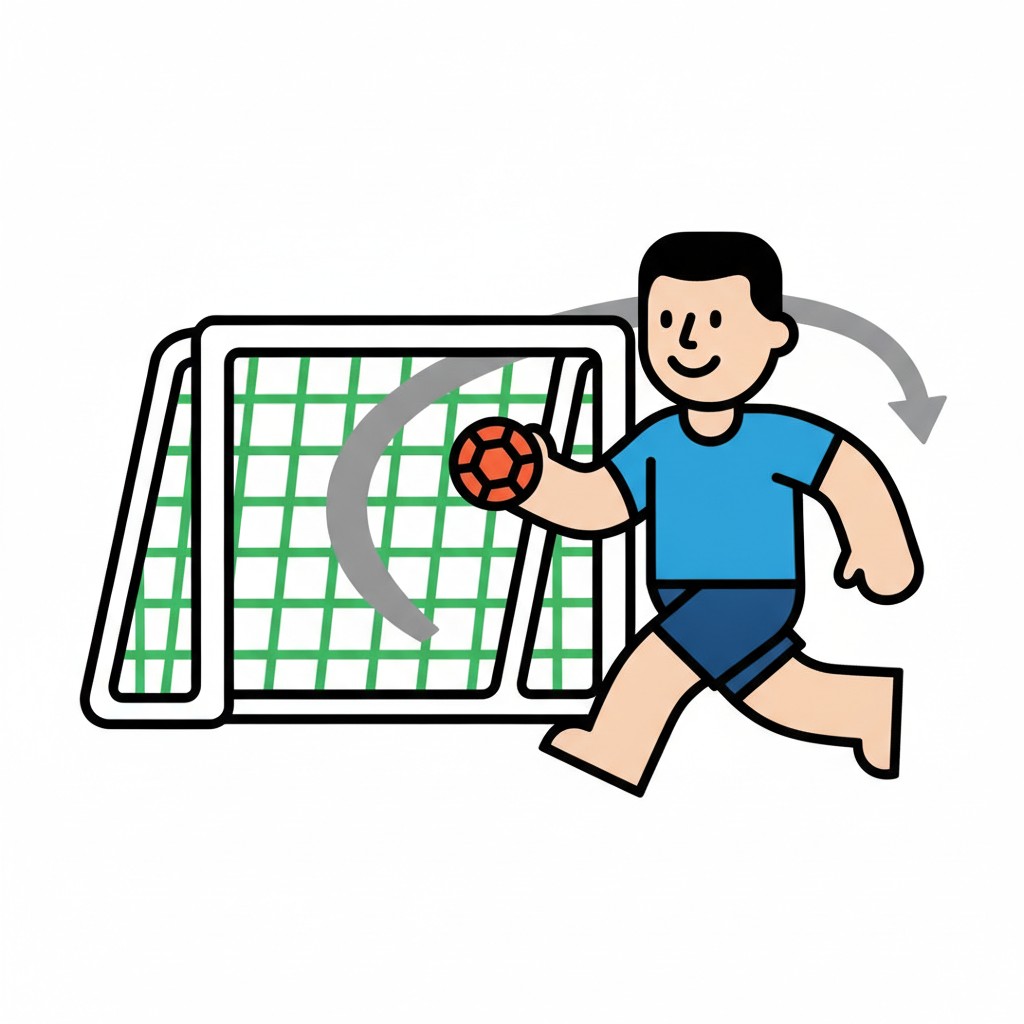 ♂
Playing handball
A man throws a handball towards the goal.
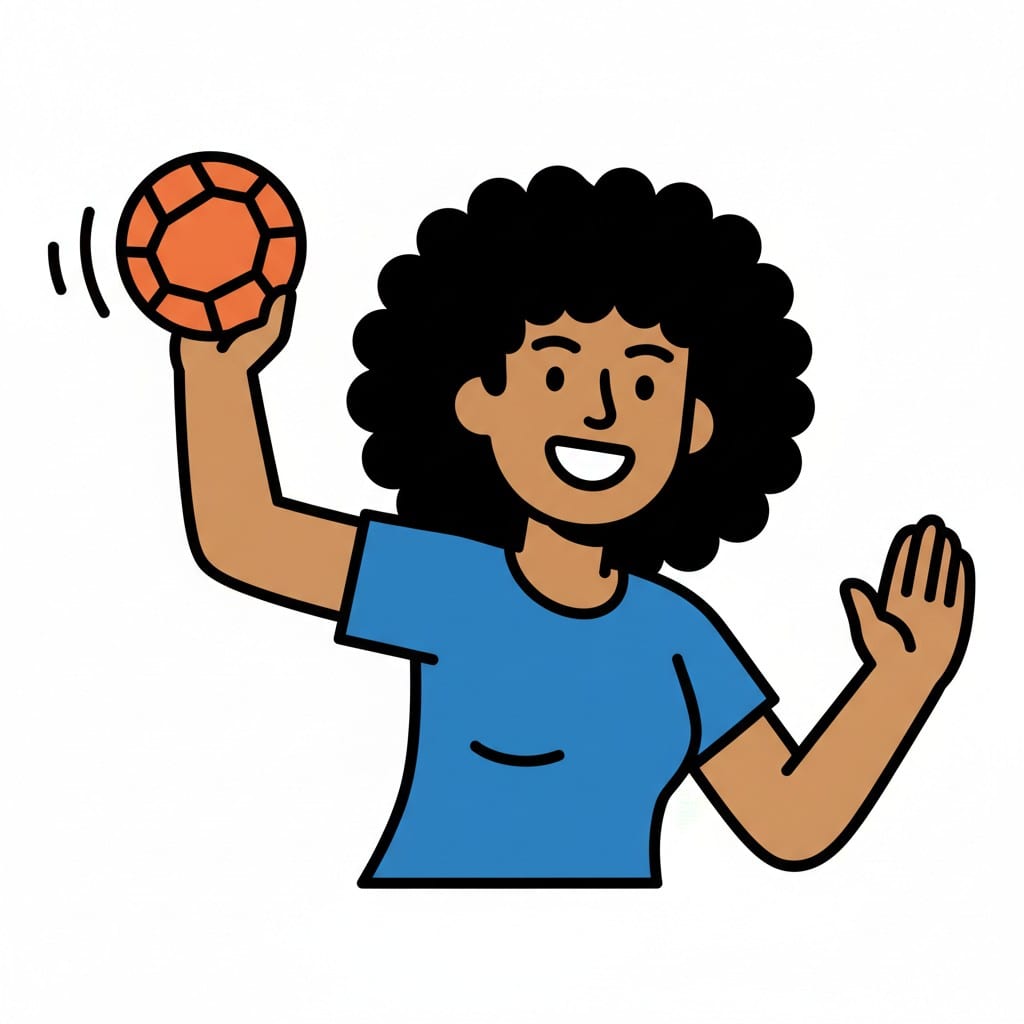 ♀
Handball player with ball
A young woman in a blue T-shirt holds an orange handball up in one hand with her other hand open.
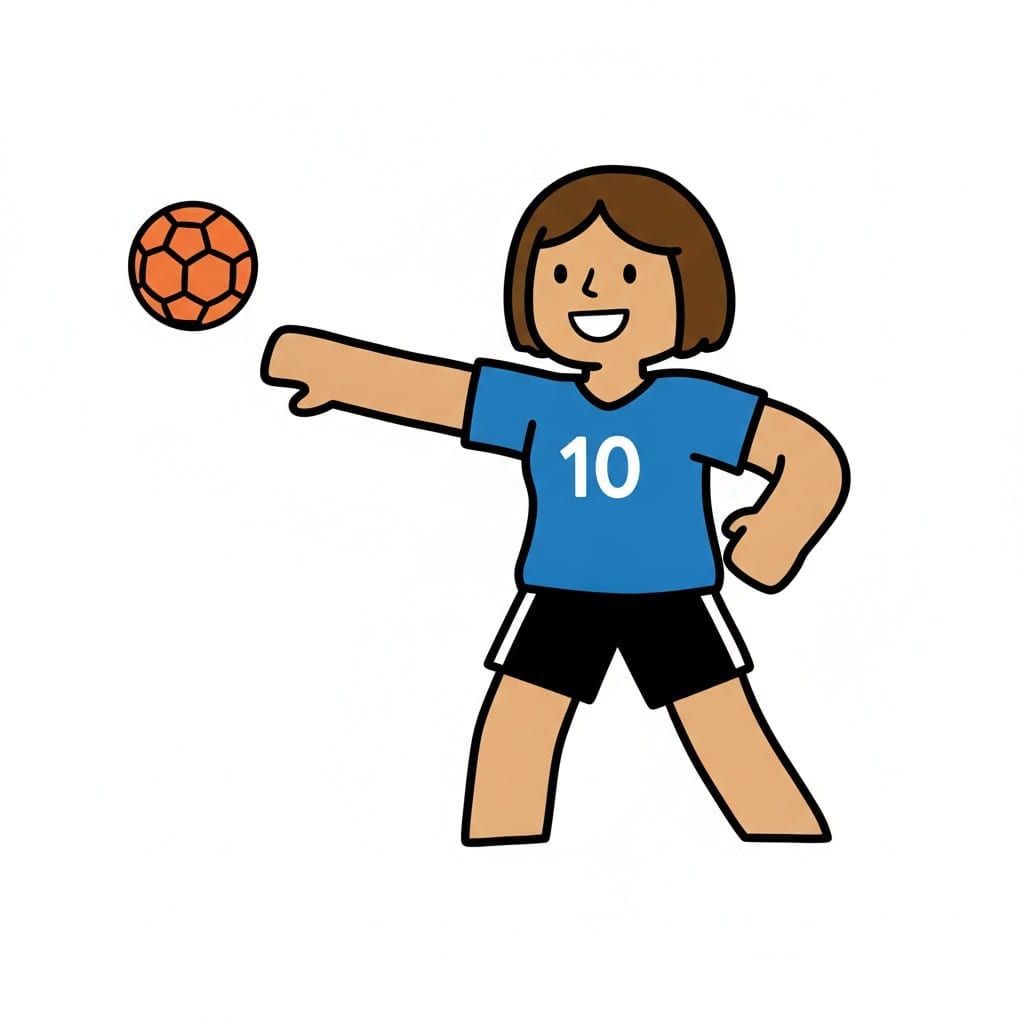 ♀
Player number 10 throws
A girl in a blue jersey with the number 10 has just thrown an orange handball.
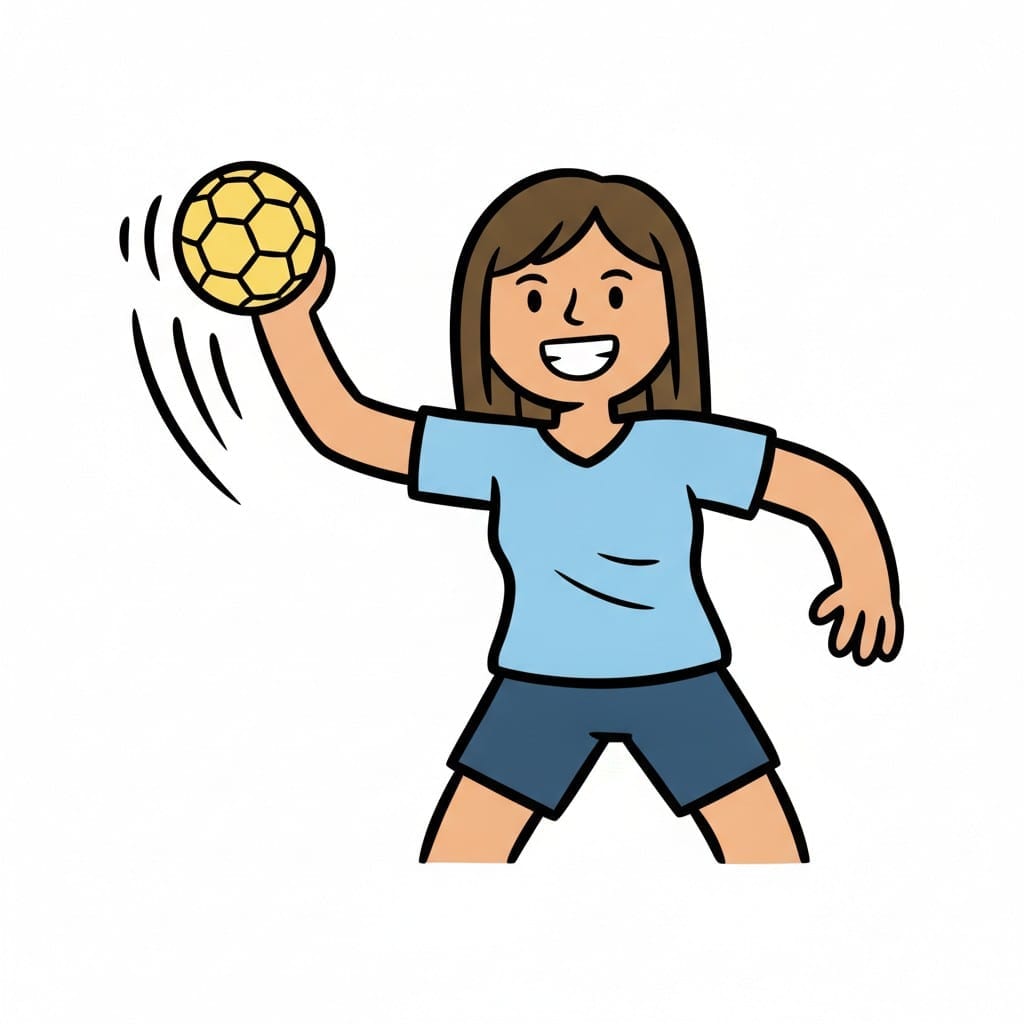 ♀
Throwing a handball
A girl in a light blue shirt and dark shorts throws a yellow handball with force.
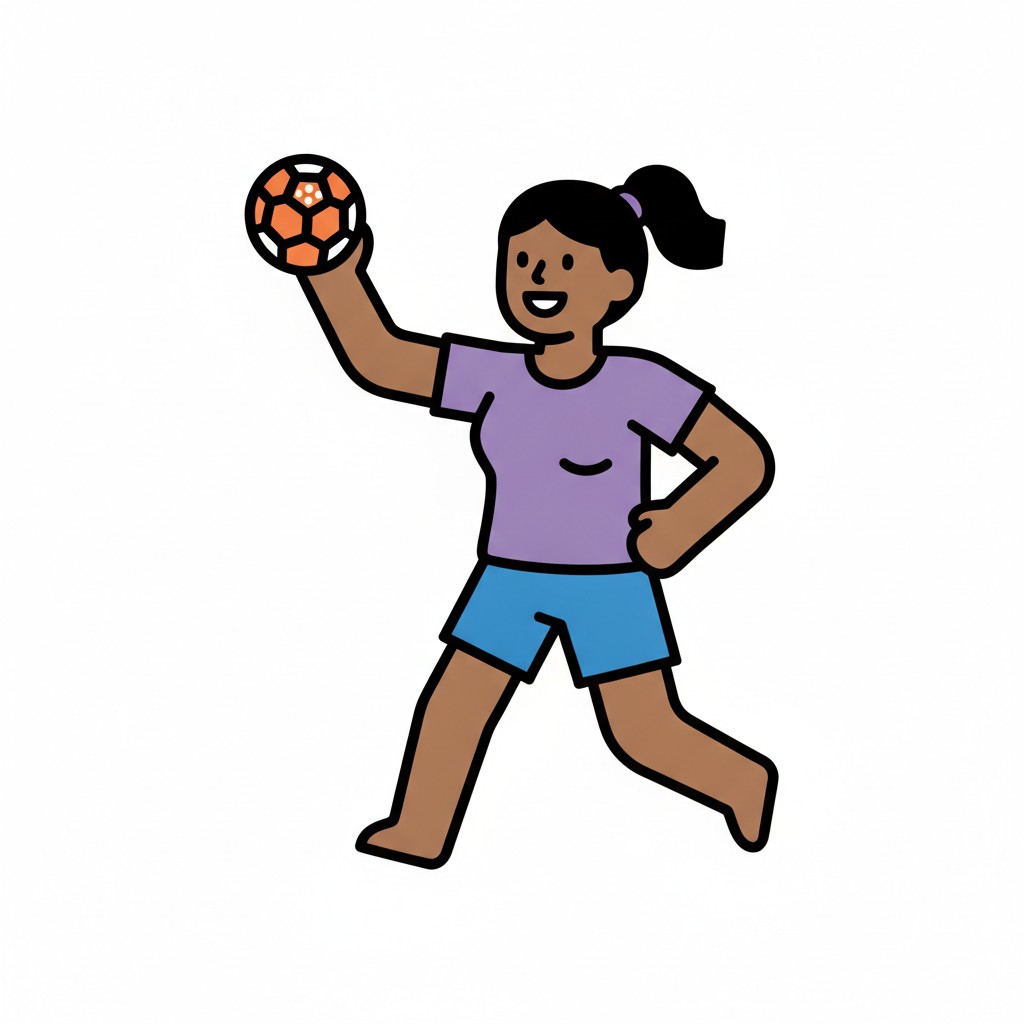 ♀
Playing handball
A girl winds up to throw a handball.
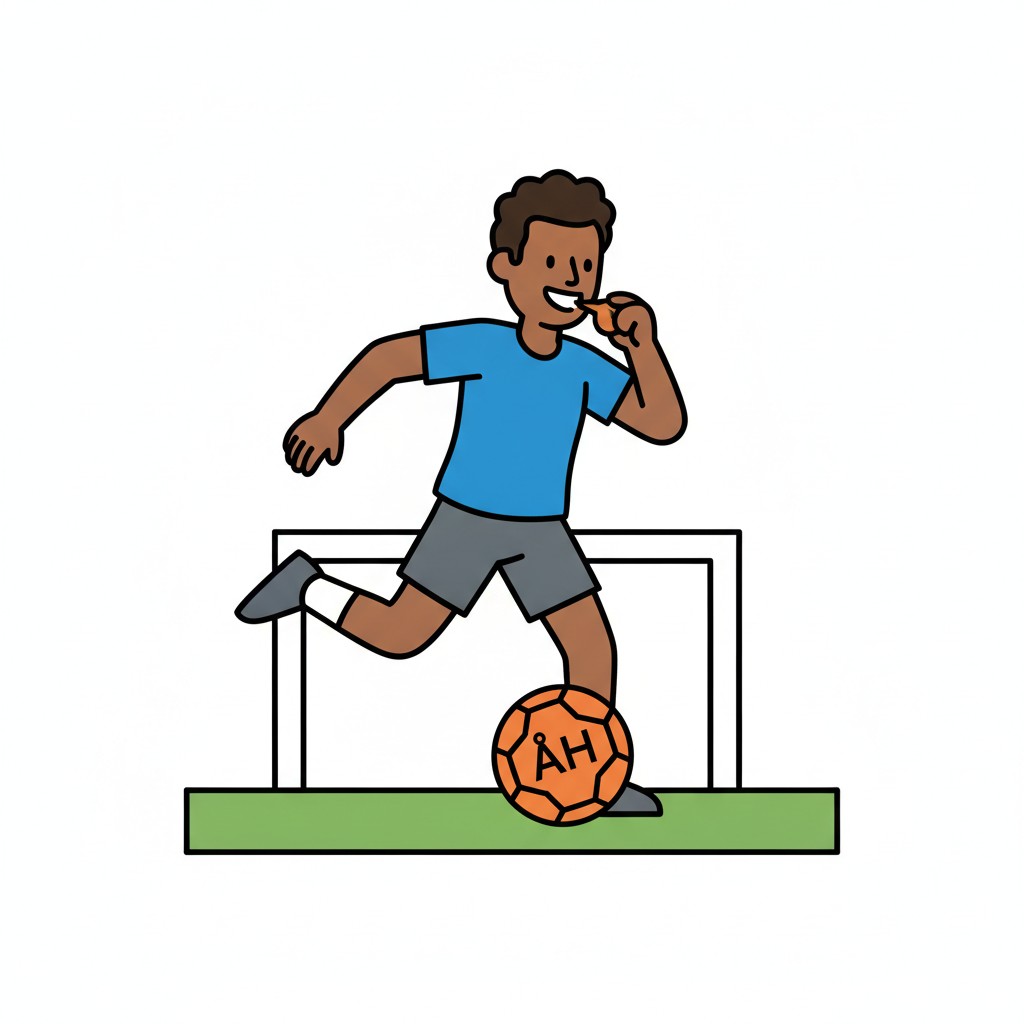 ⚲
Shoot at goal
A person jumps and throws a handball towards a goal.
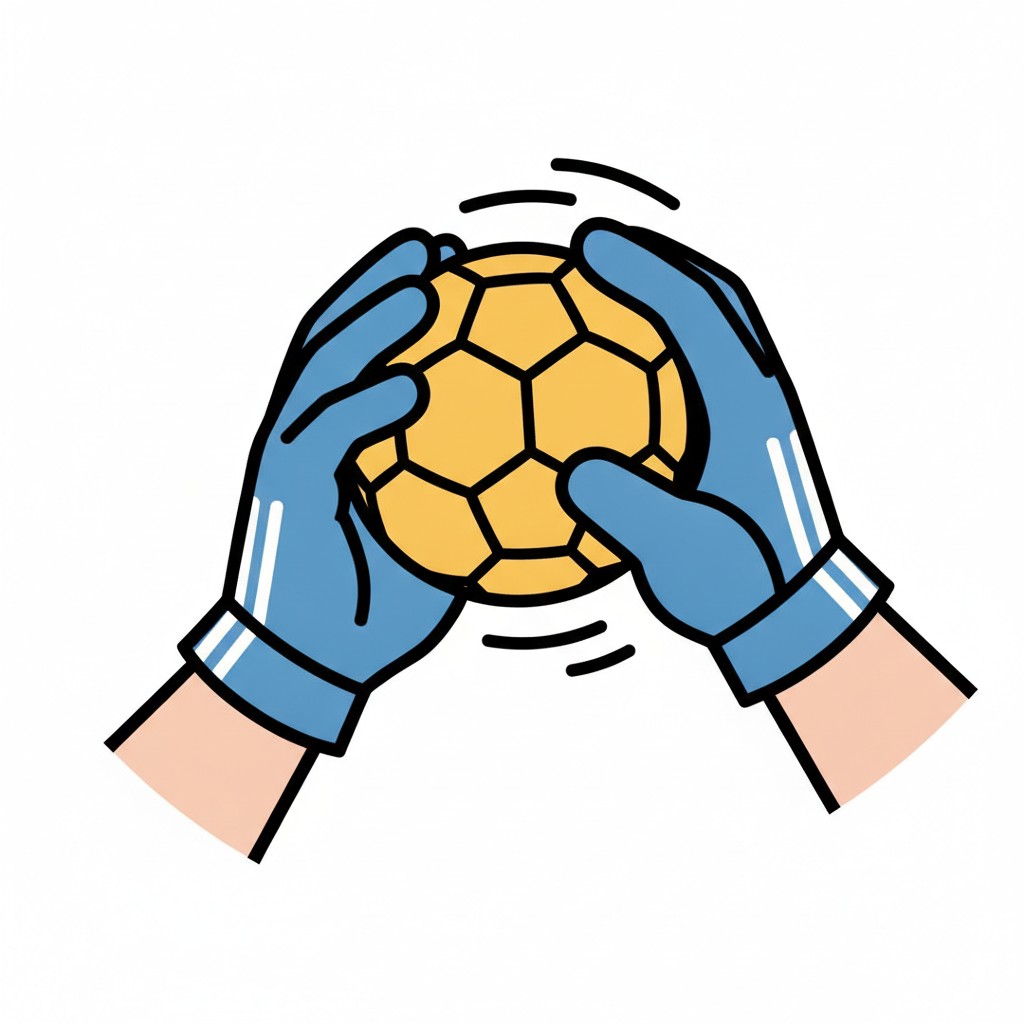 ⚲
Gripping the handball
Two gloved hands hold a yellow handball tightly.
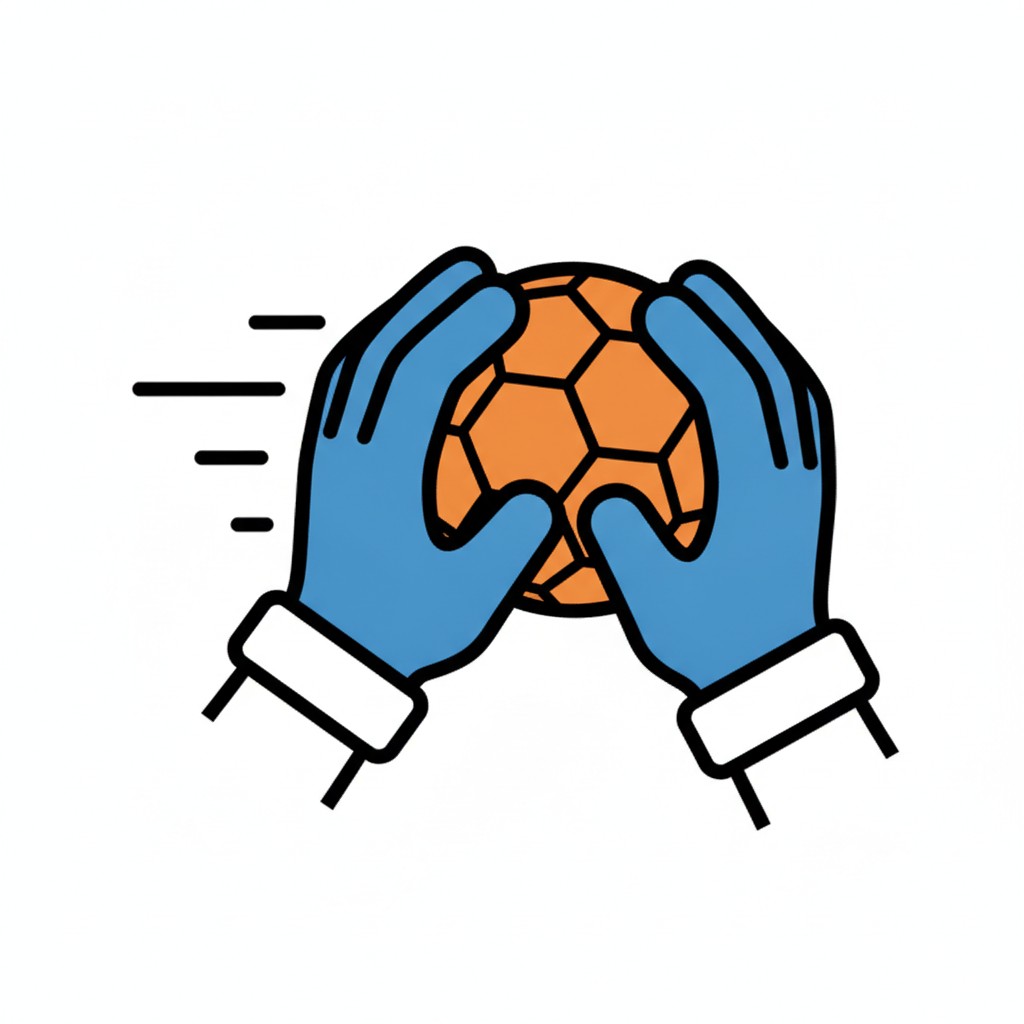 ⚲
Catching the ball
Two gloved hands catch an orange handball in motion.
About this visual support
What makes handball hard is not the ball itself but the pace around it: a rule shifts, a teammate yells a name, someone runs into your side, and the decision still has to land before the next pass. For children who need a little extra processing time, that becomes a wall.
The visuals lower the noise by showing the evening as fixed blocks: change, warm-up, position drill, match play, water break, cool-down. The child knows that the chaos in the middle blocks has a start and a finish, and can aim their energy there.
One practical tip: include a card for my position so the child knows exactly where to stand after each break. A lot of meltdowns happen in those in-between seconds when no one has said where to go. If you want to share the schedule with the coach or the other parent, you can try Routined free for fourteen days.
Use this image in a schedule
Build your own visual schedule with this image and download it as a print-ready PDF. Completely free.
More similar visual supports

Football
A classic football patterned with black and white panels.
Exercise
Cartoon illustration of a woman in sportswear jumping over a green hurdle.
Dress for exercise
A woman in a climbing harness stands with a helmet and rope in front of her.
Go to practice
A child with a football and a bag walks across a pitch towards a goal.
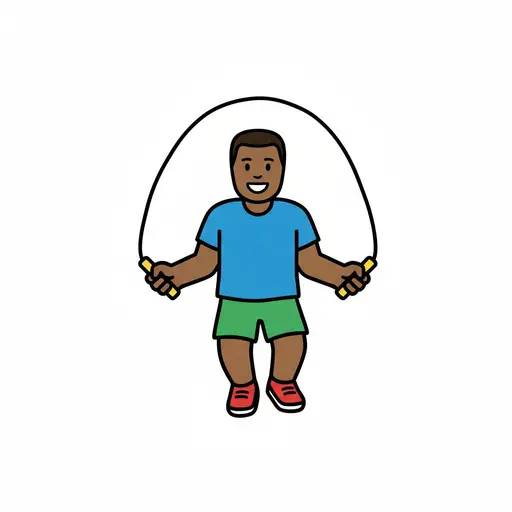
Jump rope
A boy jumping rope.
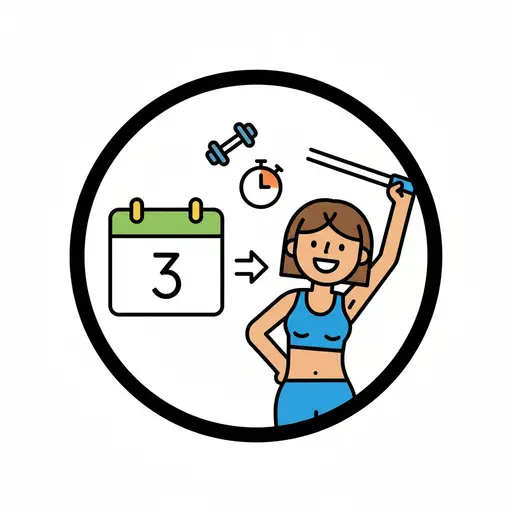
Wednesday training
Illustration of a woman exercising with a calendar showing the number 3, a stopw...
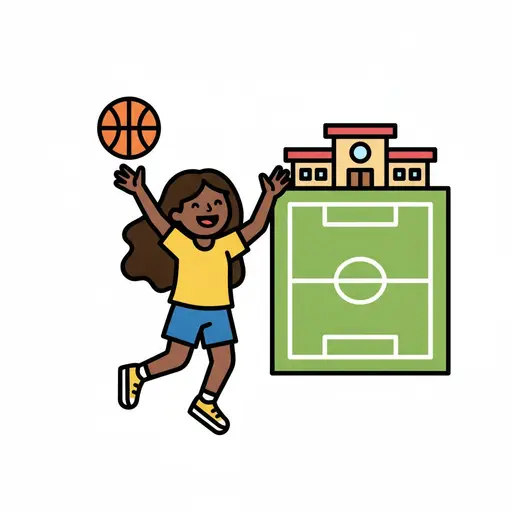
School sport
A girl jumps with a ball next to a sports field and the school.
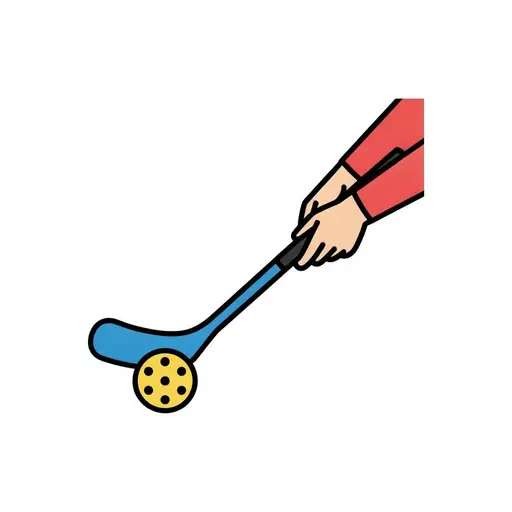
Floorball
A hand holds a blue floorball stick against a yellow ball with holes.
This visual support in other languages
Take the visual supports with you
In Routined you build schedules from these pictures, add timers and voice instructions, and your child follows the day on their own.


* 14-day free trial, then $2.39 a month or $20.99 a year (US pricing). Cancel anytime.