Indoor Outdoor Play
Breaking off a fun game halfway to swap the floor indoors for the grass outside means leaving something unfinished and starting over. The visual support below lets the child see the switch coming instead of being surprised by it.
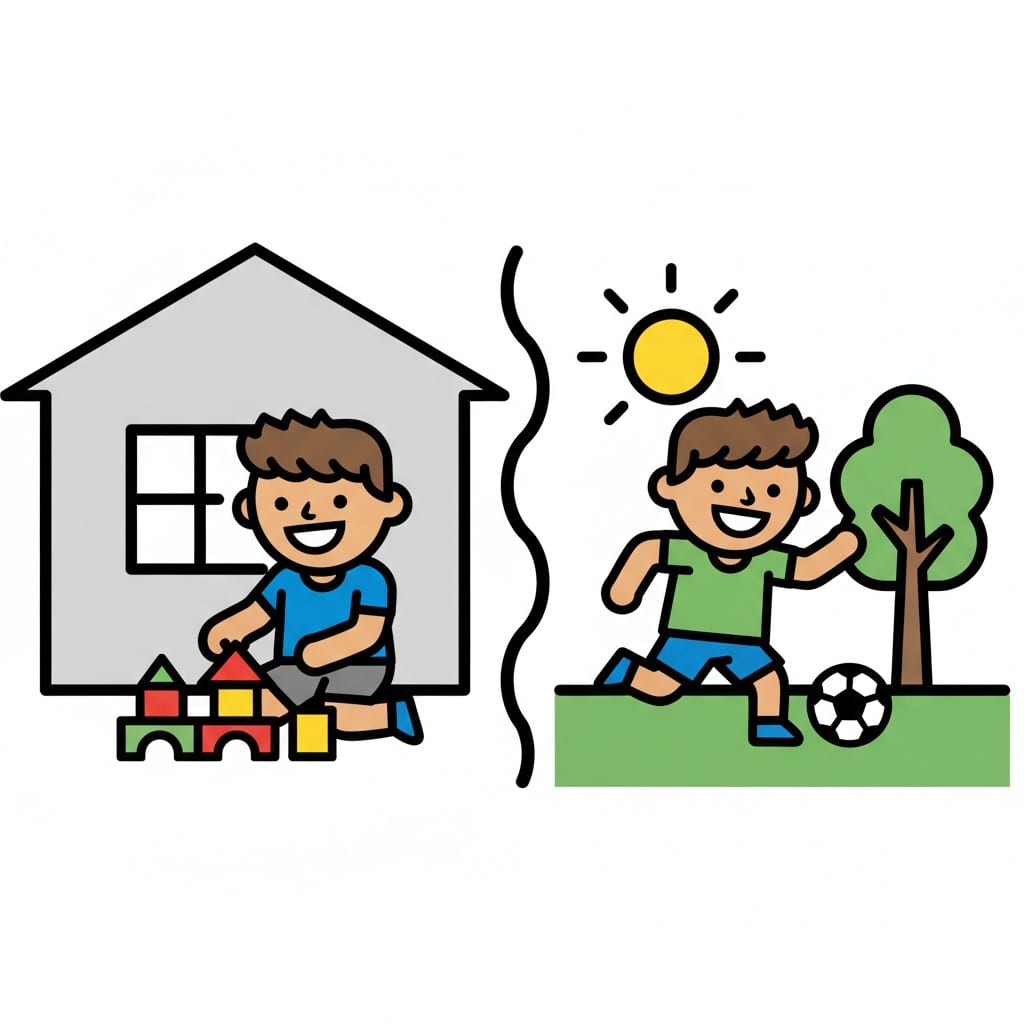 ♂
♂Indoor and outdoor play
A boy builds with blocks indoors in a house and a boy plays with a football outside in the sun by a tree.
About this visual support
The hard part of moving play between indoors and outdoors rarely lies in the place itself, but in the interruption. In the middle of a build on the floor or a match in the yard comes the message that now we are switching, and something fun has to be left before it feels finished. For a child deep inside their play, that switch can feel like a jolt.
Visual support makes the transition visible before it happens. When the child sees the outdoor card coming after the indoor one, there is a warning that gives time to round things off: the build can stay standing, the ball can wait by the door. The switch becomes a planned stop in the play rather than a sudden halt, and resistance tends to ease when the ending does not arrive as a surprise.
A concrete tip: add an in-between picture for what happens to the toy during the switch, such as the blocks staying put until you come back in. Then the child knows the play is not gone, only paused. If you want to steer the transitions with a picture and a short countdown, Routined is free to try for fourteen days.
Use this image in a schedule
Build your own visual schedule with this image and download it as a print-ready PDF. Completely free.
More similar visual supports
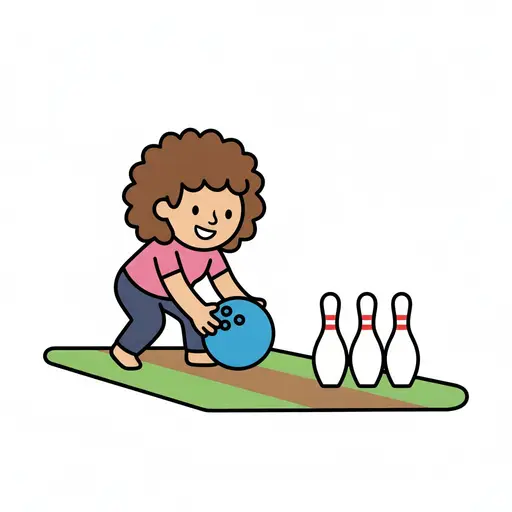
Play outdoor bowling
A child holds a blue bowling ball and aims at three pins on a grassy lane.
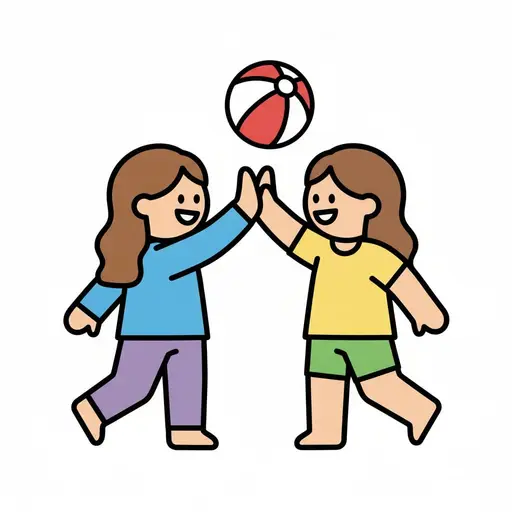
Play with friend
Two children high-five each other while a beach ball is in the air.

Ride the bike outside
A blue bicycle stands outdoors with sun and white clouds in the sky.

Board game or outdoor play
A boy holds a game and points toward a frisbee outdoors, showing a choice betwee...
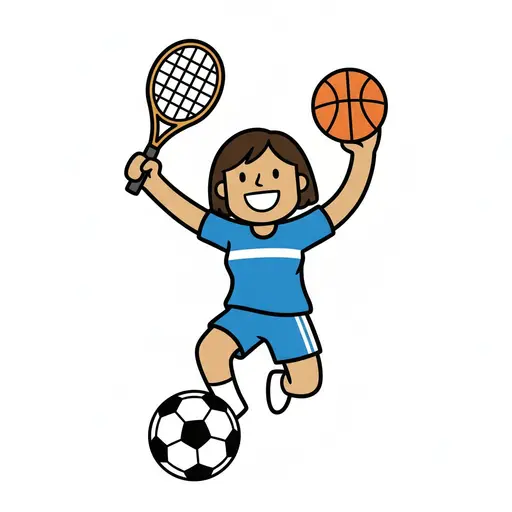
Play sports
A girl in sports clothes holds a racket and a basketball with a football at her ...
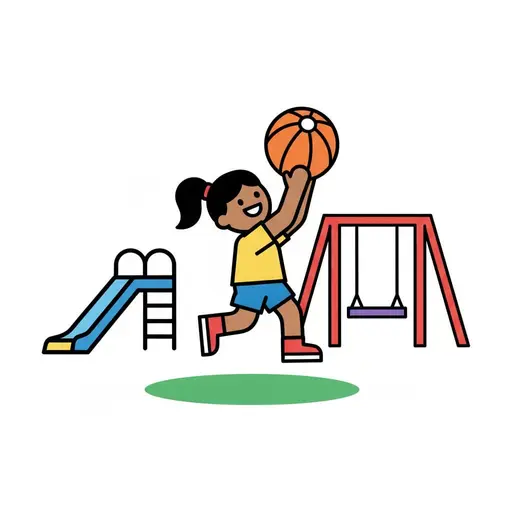
Active play
A girl jumps with a basketball in a playground with a slide and swings.
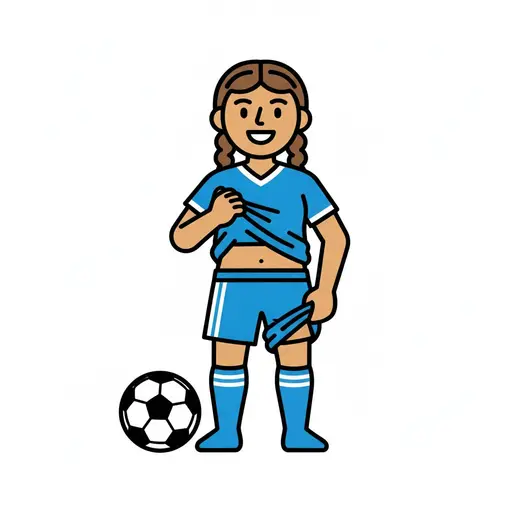
Put on football kit
A girl pulls on her blue football shirt with a ball beside her.
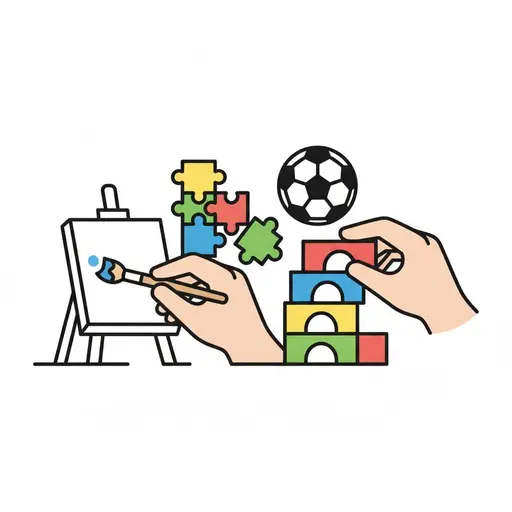
Activity
Hands painting on an easel and stacking colourful blocks, with puzzle pieces and...
This visual support in other languages
Take the visual supports with you
In Routined you build schedules from these pictures, add timers and voice instructions, and your child follows the day on their own.


* 14-day free trial, then $2.39 a month or $20.99 a year (US pricing). Cancel anytime.