Jump rope
Three movements have to lock into rhythm: arms swinging, feet leaving the ground, rope passing under. After six trips in a row the motivation drops faster than the rope spins. The steps below build the motion piece by piece.
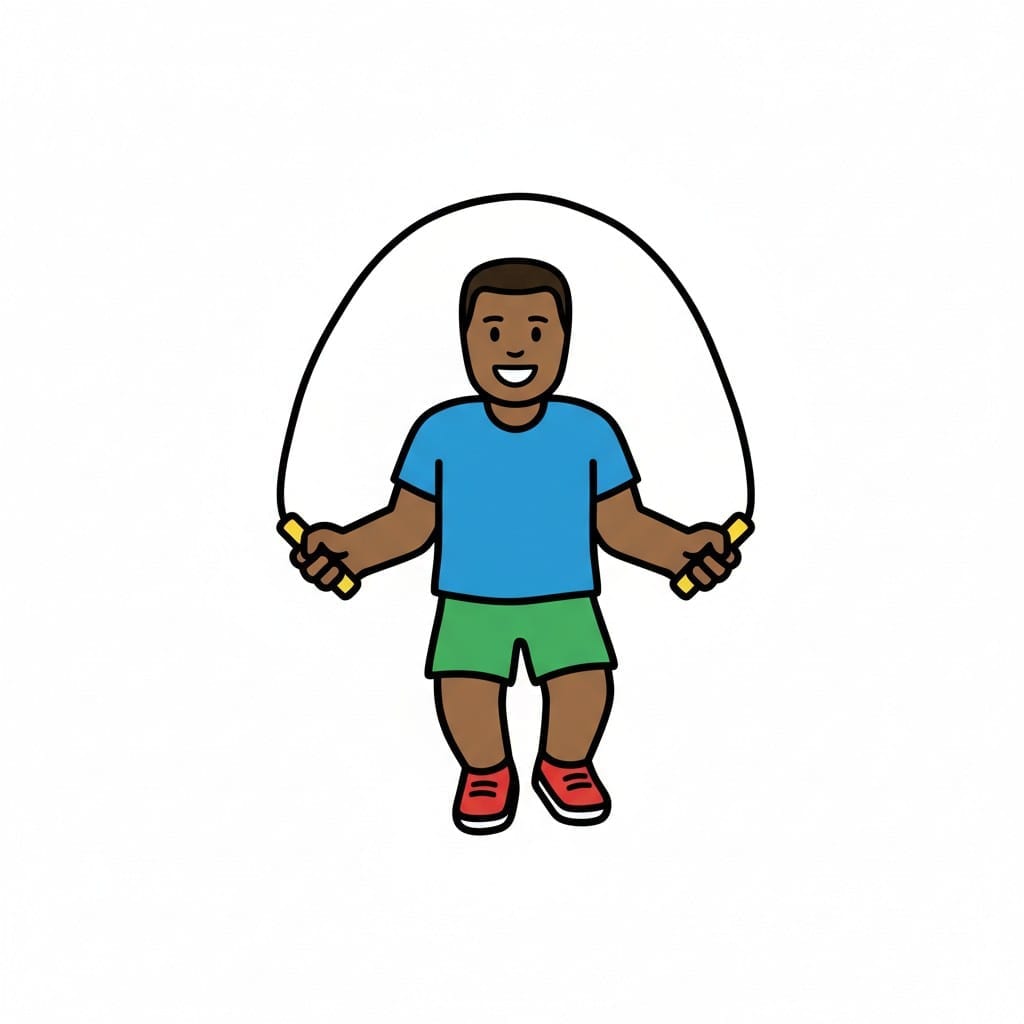 ♂
♂Boy jumping rope
A boy jumping rope.
About this visual support
The motor challenge with a jump rope is that three rhythms have to become one. The arm swing happens up in the shoulders, the jump comes from the ankles, and the timing between them is on a millisecond scale. A child landing on several misses in a row gets a very concrete sense of not being able to do it, which is the opposite of why the rope came out in the first place.
Visual support lets the move break into components: first only swinging the rope beside the body, then only jumping on the spot without a rope, then combining with a clumsy hop over a rope lying on the floor, then the whole thing. Each picture shows where in the body the focus sits right now, so the child does not try to think about everything at once.
A concrete tip: lay the rope straight on the floor and let the child hop back and forth across it for ten seconds. That trains the jump rhythm with the arms doing nothing. Then stack the elements in the order that fits, using the pictures as anchors. In the Routined app you can save that breakdown as a recurring training routine, so every session shows visible progress. Two weeks at no cost.
Use this image in a schedule
Build your own visual schedule with this image and download it as a print-ready PDF. Completely free.

More similar visual supports
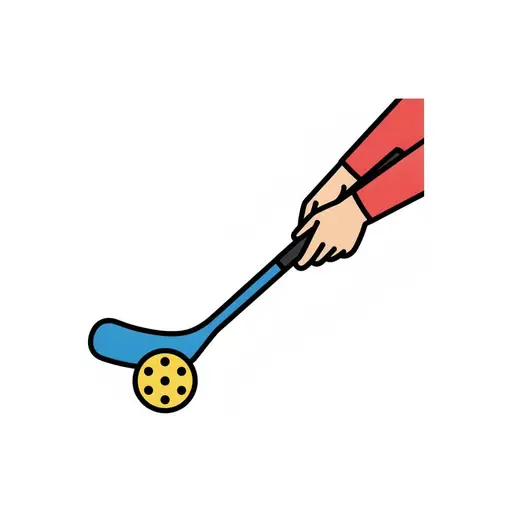
Floorball
A hand holds a blue floorball stick against a yellow ball with holes.

Football
A classic football patterned with black and white panels.
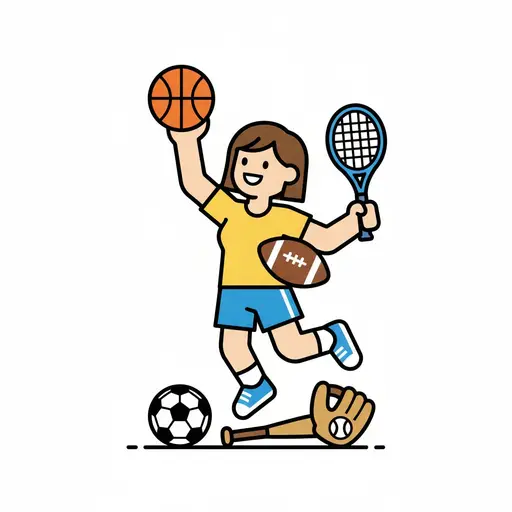
Active Time
A girl jumps with a basketball, a racket and an American football around her.
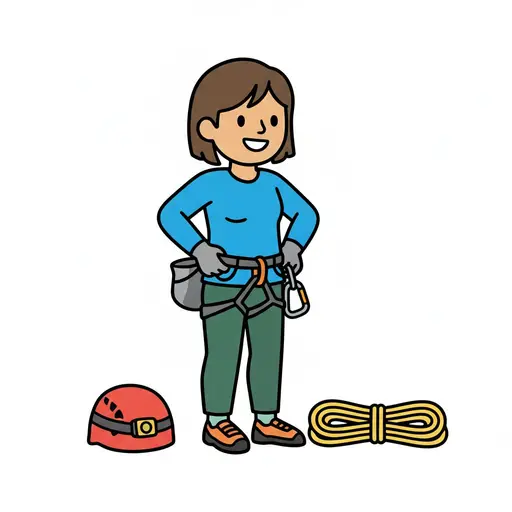
Dress for exercise
A woman in a climbing harness stands with a helmet and rope in front of her.
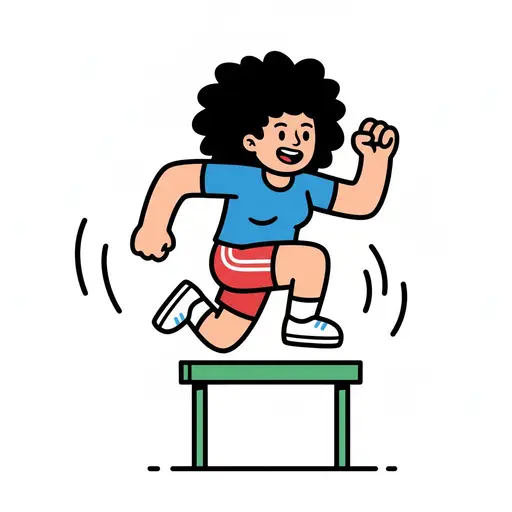
Exercise
Cartoon illustration of a woman in sportswear jumping over a green hurdle.
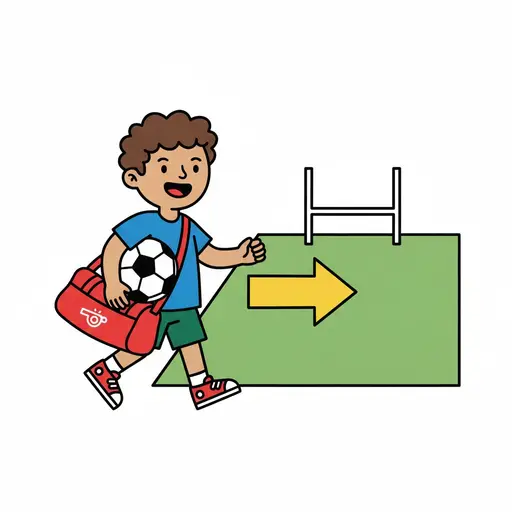
Football practice
A boy with a bag and a ball walks towards a football pitch.
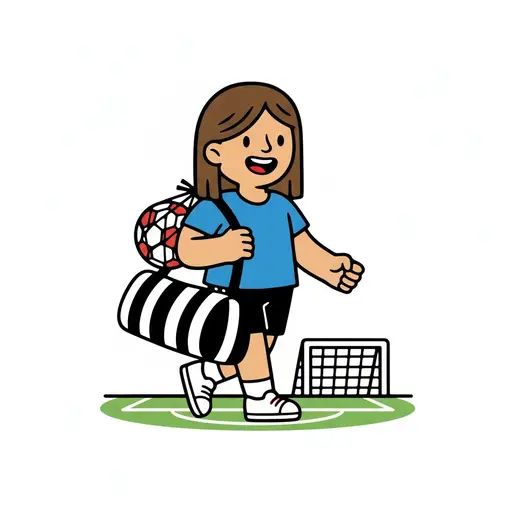
Go to practice
A child with a football and a bag walks across a pitch towards a goal.
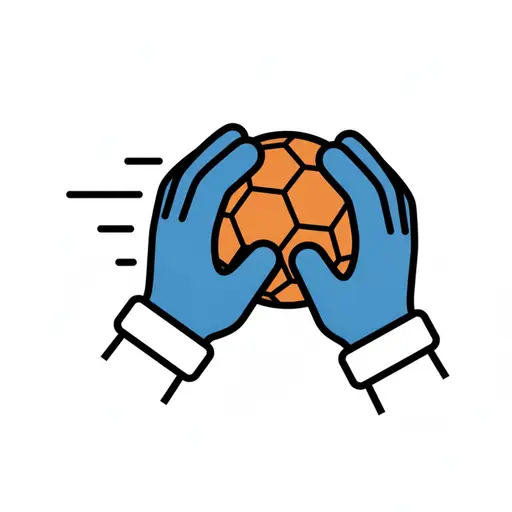
Handball
Two gloved hands catch an orange handball in motion.
Take the visual supports with you
In Routined you build schedules from these pictures, add timers and voice instructions, and your child follows the day on their own.


* 14-day free trial, then $2.39 a month or $20.99 a year (US pricing). Cancel anytime.