Listen to audiobook
An audiobook can be the best part of winding down – or the opposite – depending on voice, speed and background noise. The visual support below helps the child set up the listening space before pressing play.
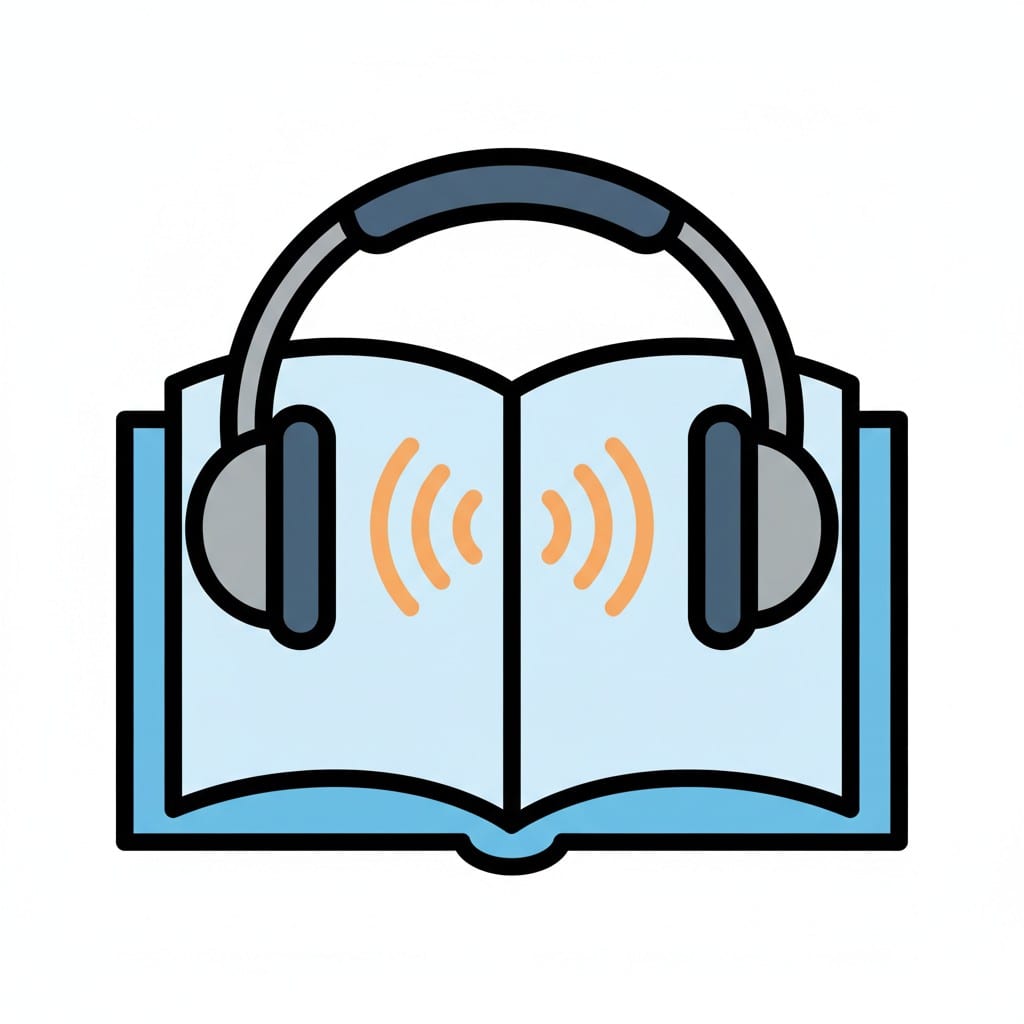
Audiobook
An open book with headphones resting on it and sound waves emanating from the pages, symbolizing an audiobook.
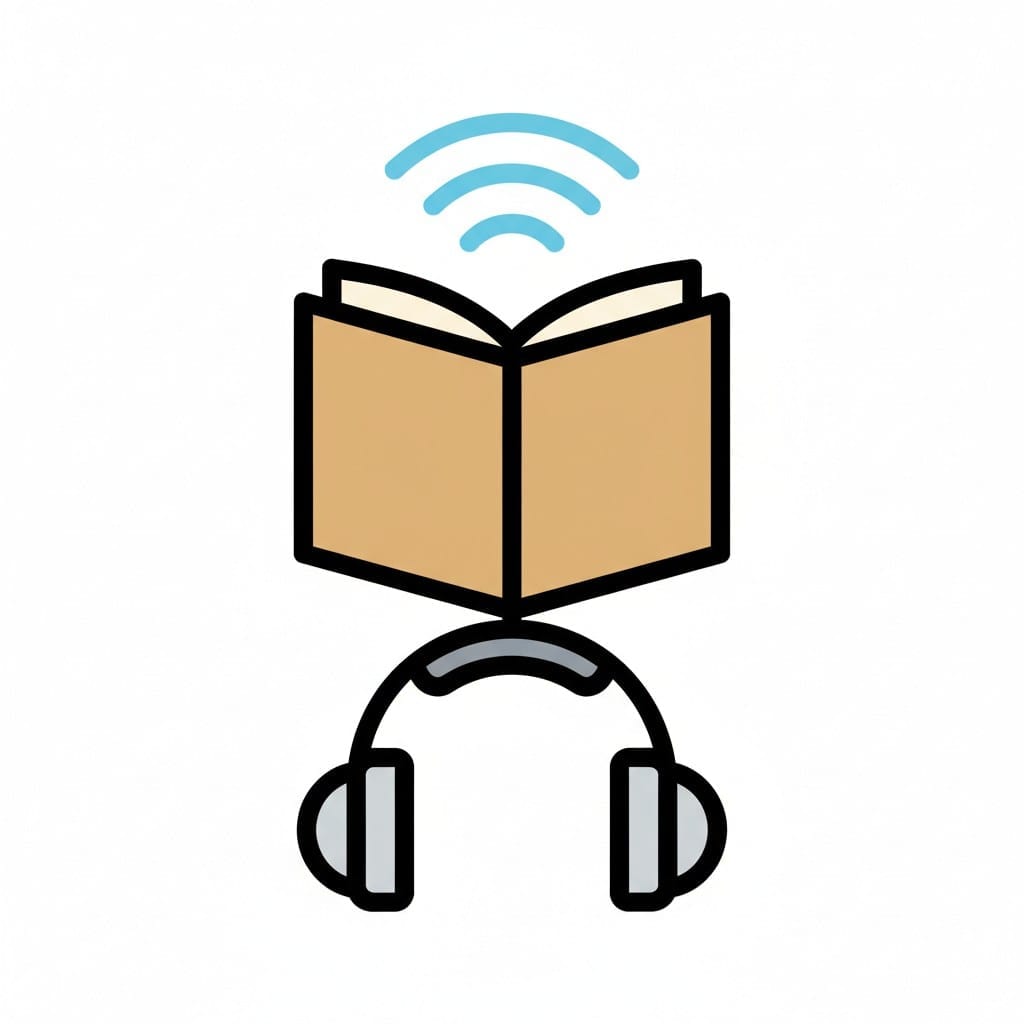
Audiobook
An icon showing an open book with headphones below it and sound waves above the book.
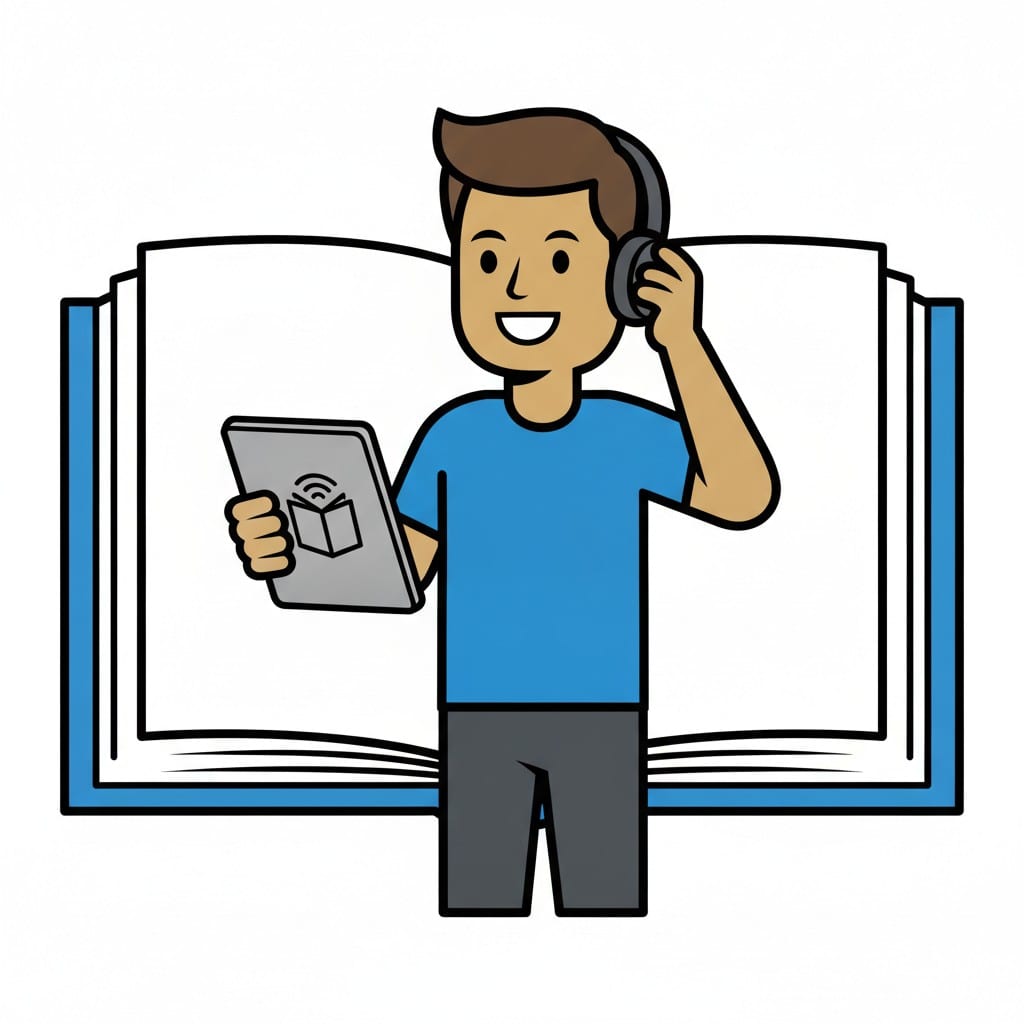 ♂
♂Listening to an audiobook
A boy wearing headphones holds a tablet in front of a large open book.
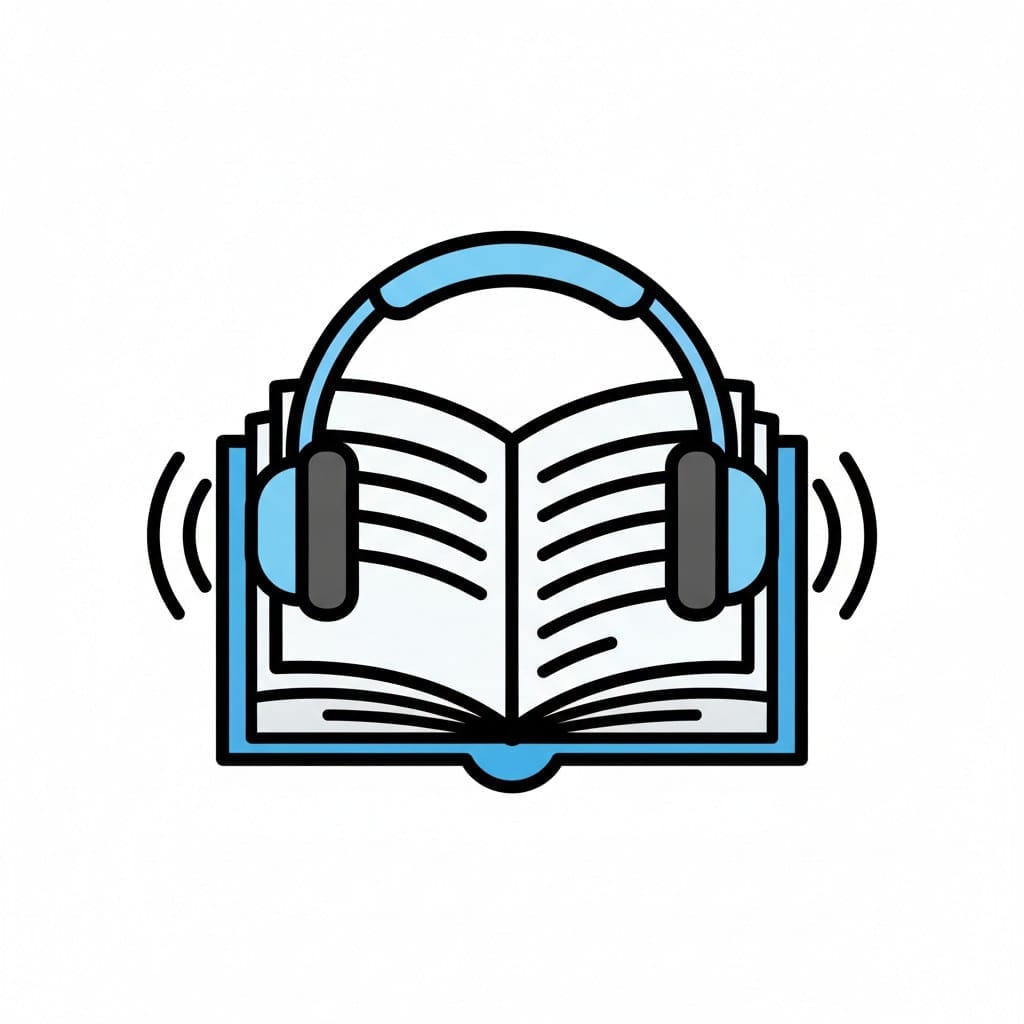
Open book with headphones
An open book full of text lines wears a pair of blue headphones, with sound arcs on either side.
Blue book with headphones
A light blue open book with headphones draped over it and small audio arcs drawn on the pages.
Book with headphones and sound waves
An open book with white pages and a blue cover, framed by grey headphones and wide sound waves.
About this visual support
It's easy to think an audiobook is an audiobook, but for kids who are sound-sensitive it's about much more than the story playing. A voice that feels too fast, a kitchen clattering in the background, a pace that won't catch – and the whole moment collapses inside a minute.
A visual support for the time around the audiobook lets the child set up what actually decides whether it works: pick a spot (bed, sofa, floor cushion), check the volume, grab headphones or a blanket, agree on how long. With the outer choices made, the story itself has room to land.
A practical tip: save one audiobook routine for the evening and a different one for the car – same activity, very different surroundings. The car wants headphones and shorter chapters, the bed wants the ceiling light off and a quiet volume. In Routined you can keep both and pull up whichever fits the moment without renegotiating each detail.
Use this image in a schedule
Build your own visual schedule with this image and download it as a print-ready PDF. Completely free.

More similar visual supports
Listen to a book
A smiling child wearing headphones holds a tablet showing a book and a sound sym...
Listen to an audiobook
A girl wearing headphones smiles and holds a tablet showing a book.
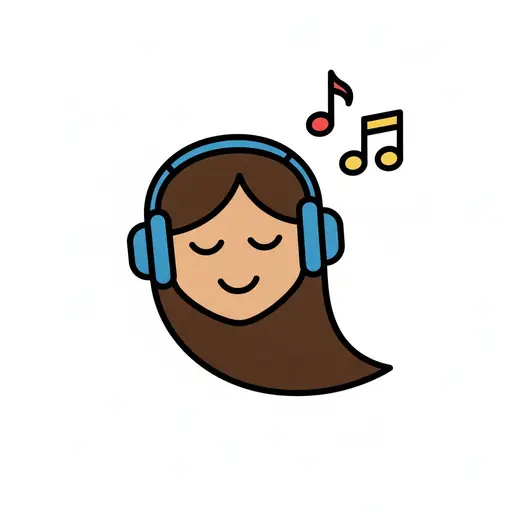
Listen to music
Close-up of a girl with long hair wearing blue headphones, eyes closed, with mus...
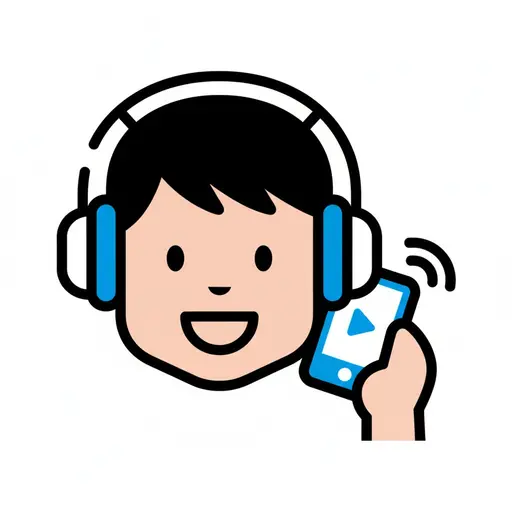
Listen to podcast
A boy listening to a podcast with headphones and a smartphone.
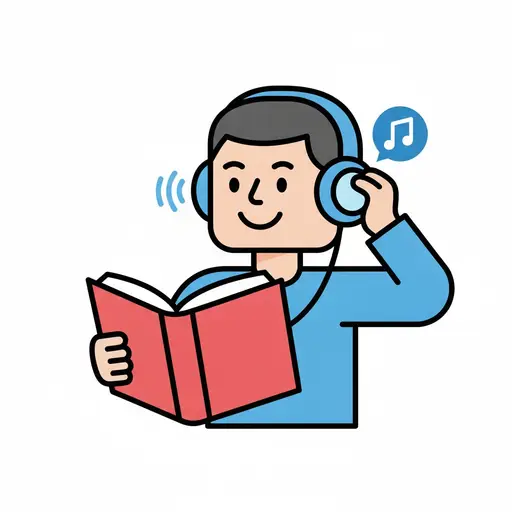
Read a book and listen to a story
A boy wearing blue headphones holds an open book and listens to a story at the s...
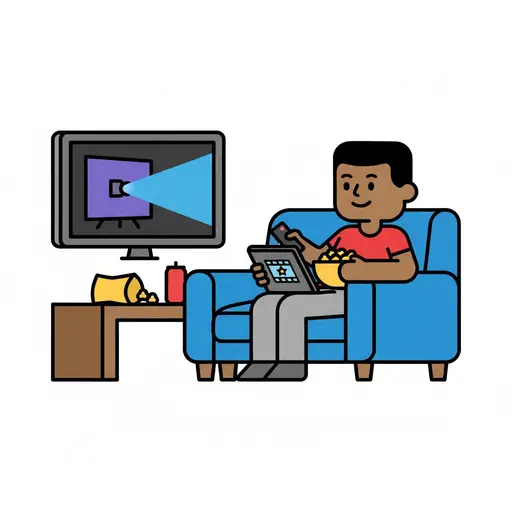
Relax with movie
A boy sits comfortably in a blue armchair, watching a movie on a television scre...
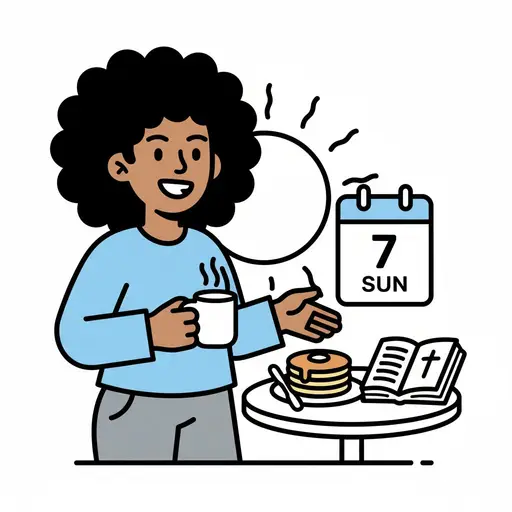
Sunday routines
Illustration of a woman enjoying a relaxed Sunday morning with coffee, pancakes,...
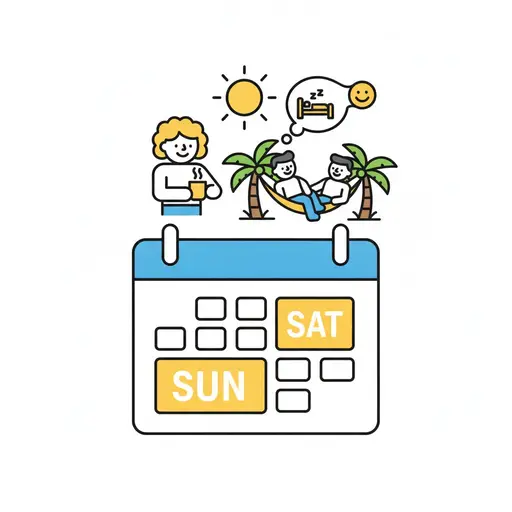
Weekend
Saturday and Sunday are highlighted on a calendar while people rest in a hammock...
Take the visual supports with you
In Routined you build schedules from these pictures, add timers and voice instructions, and your child follows the day on their own.


* 14-day free trial, then $2.39 a month or $20.99 a year (US pricing). Cancel anytime.