Move around
The body asks for movement, but the moment asks for sitting still. The visual support below offers short, concrete ways to shift the energy — jumping, stretching, rocking — so a brief break carries further than five seconds by the desk.
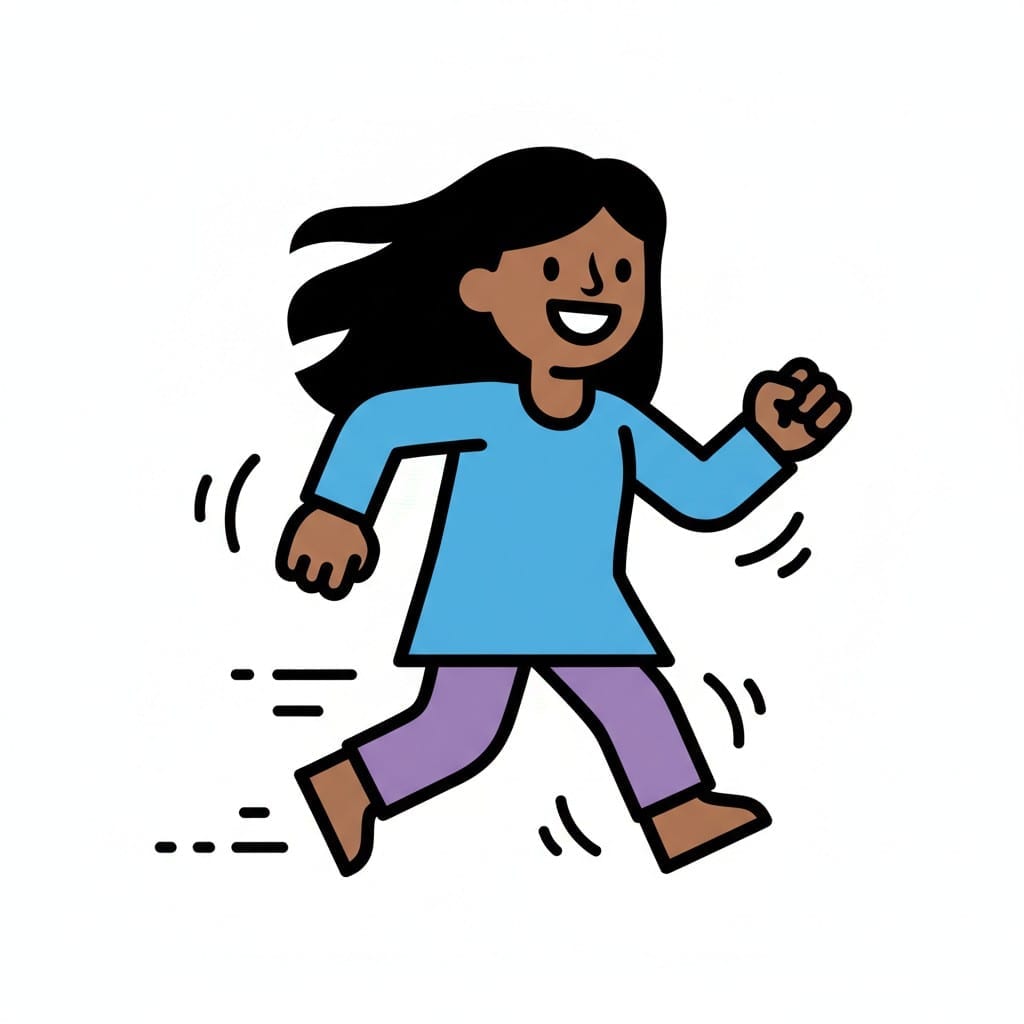 ♀
♀Move around
A cartoon girl in a blue top and purple pants running or moving quickly, with bent arms and a happy expression. Motion lines indicate speed.
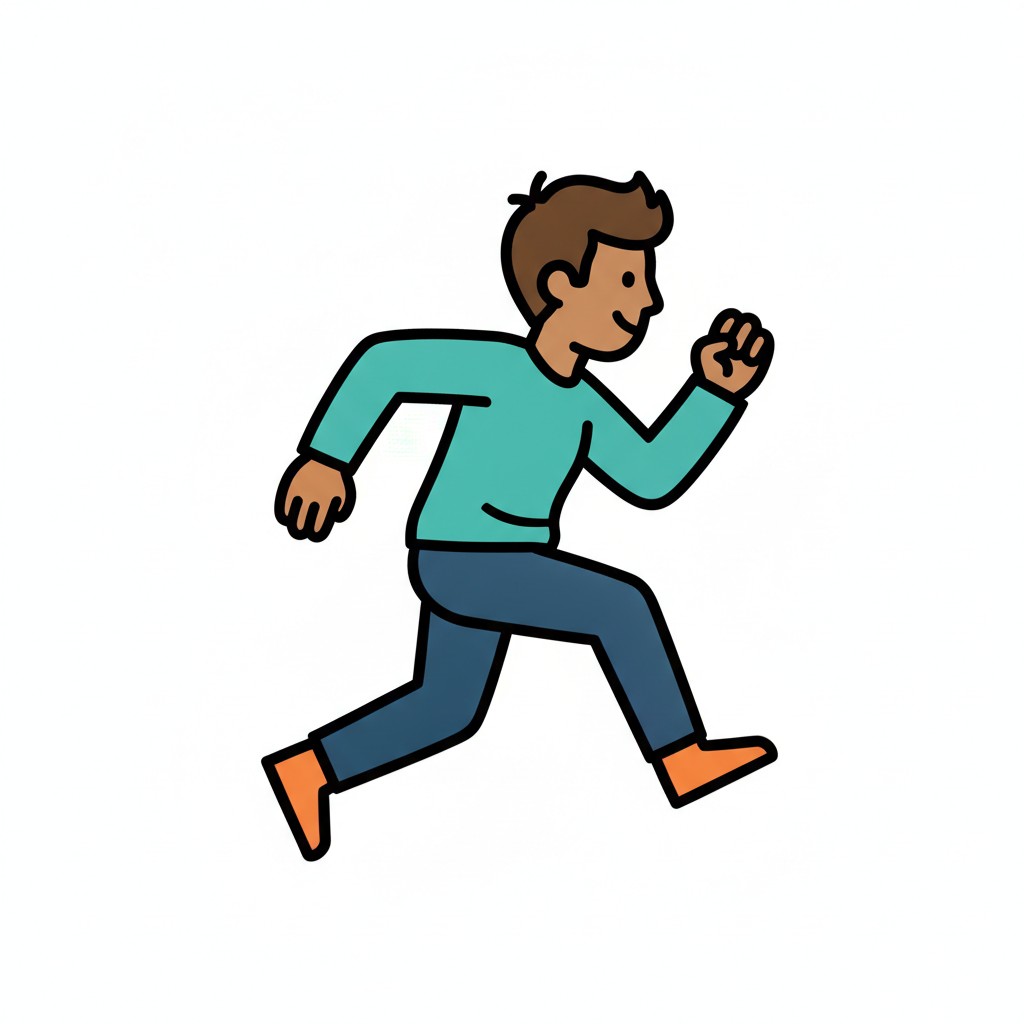 ⚲
⚲Move your body
A person jogs forward in a green top and blue trousers.
About this visual support
There is a threshold where concentration runs out because the body needs to shift. Classrooms, sofas and kitchen tables mostly demand the opposite — sit still, stay quiet, keep going — and the short breaks rarely last long enough to truly reset the system.
A visual menu of movement gives small motor actions that actually fit a tight space: ten high jumps, eight bear steps, twenty seconds of wall push, a round of press-ups against the table edge. A practical tip is to let the child pick the card themselves — choice becomes part of the regulation. The motor impulse wants to be acknowledged, not overruled, and the autonomy in choosing lowers resistance the next time a pause is needed. For children with high movement needs, common with ADHD, the visual support becomes a way to prevent rather than extinguish a build-up.
If the movement breaks should sit inside the school day or homework hour, the steps can be added to the Routined app, where they trigger on time or at transitions.
Use this image in a schedule
Build your own visual schedule with this image and download it as a print-ready PDF. Completely free.

More similar visual supports
5000 Steps
A blue sneaker with the number 5000 and arrows showing movement.
Dance
A girl dances with her arms raised and one leg lifted, with movement lines aroun...
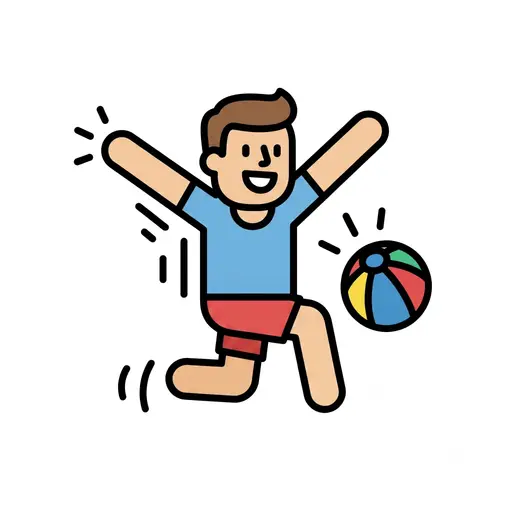
Play and move
A child jumps happily next to a colorful ball.
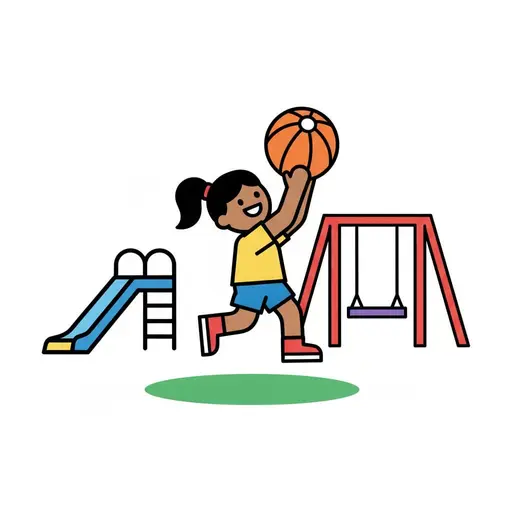
Active play
A girl jumps with a basketball in a playground with a slide and swings.
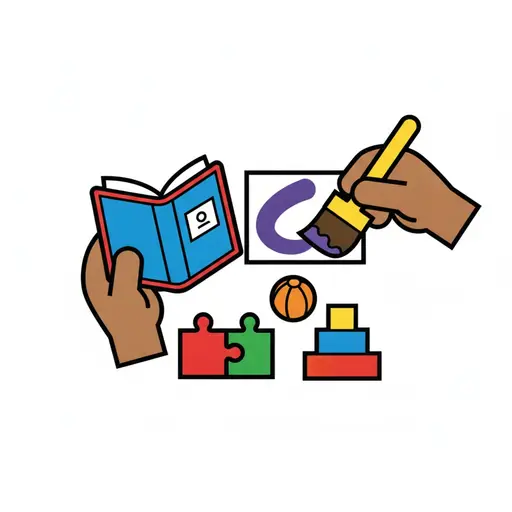
Activity
Hands holding a book and a paintbrush, surrounded by a puzzle, a ball and buildi...
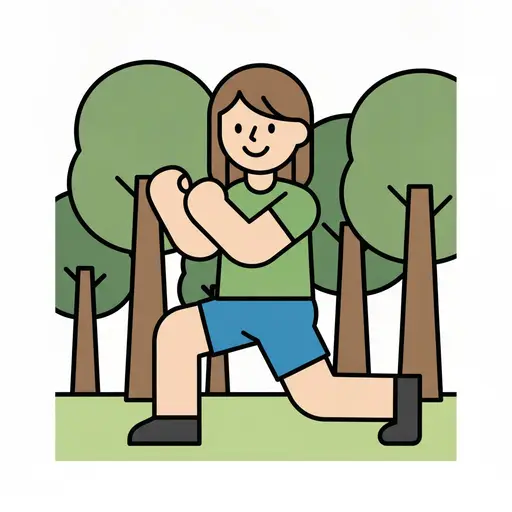
Exercise in the forest
A child does a lunge exercise among the trees in the forest.
Ride a bike
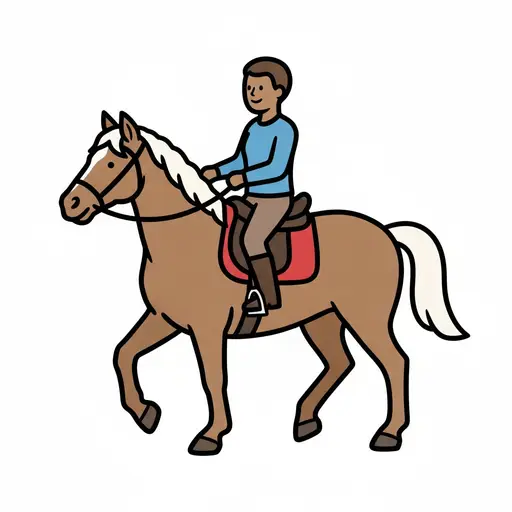
A child rides a brown horse.
Roller skates
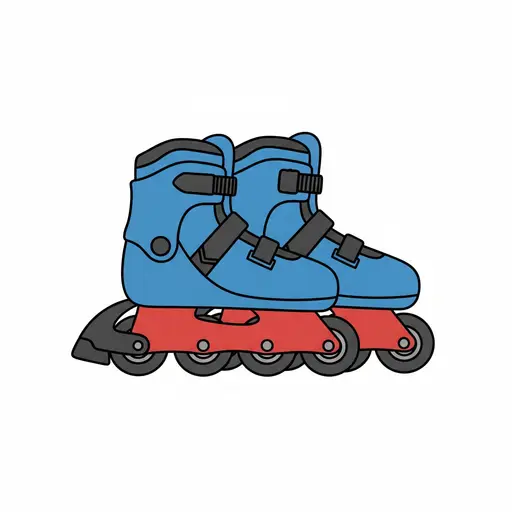
A pair of blue roller skates with red frames and black buckles.
Take the visual supports with you
In Routined you build schedules from these pictures, add timers and voice instructions, and your child follows the day on their own.


* 14-day free trial, then $2.39 a month or $20.99 a year (US pricing). Cancel anytime.