Pet cat
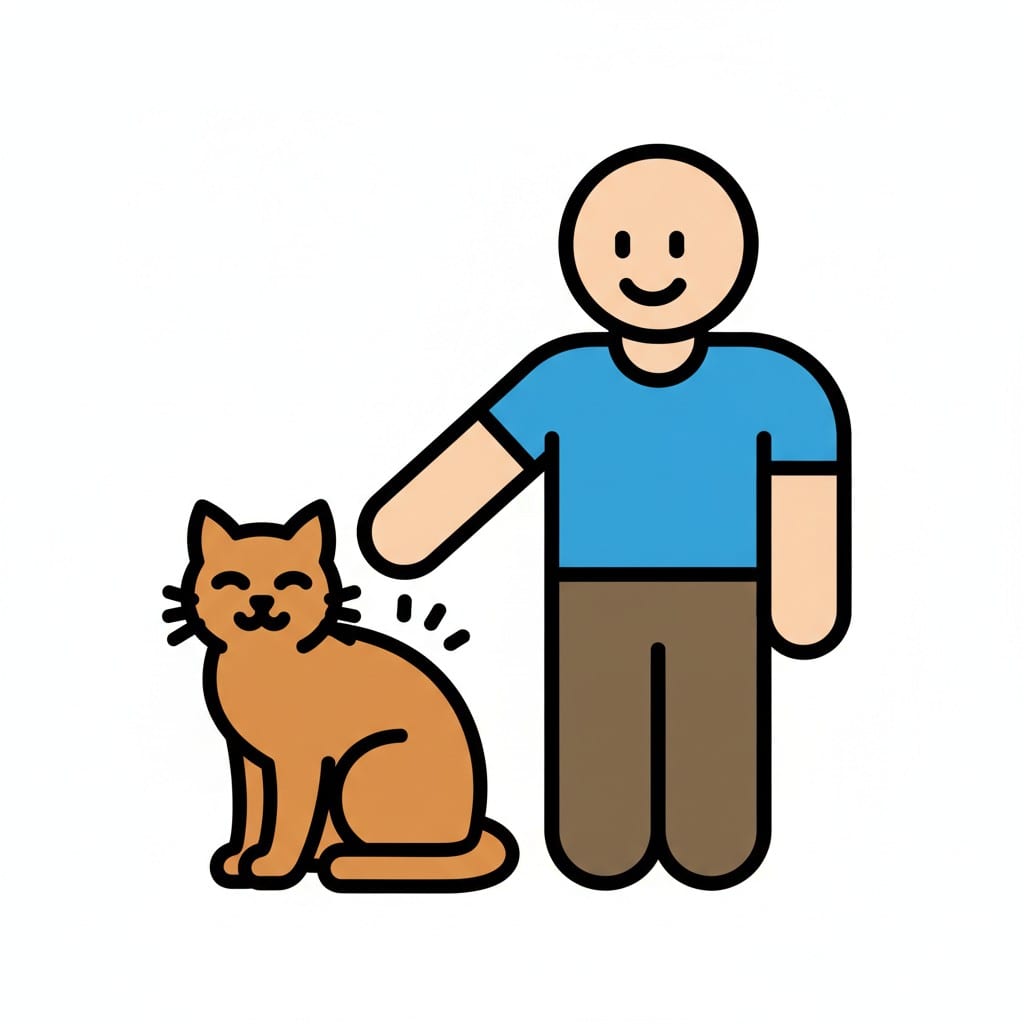
A cat has its own signals, and the fur is not always welcome. A flicking tail, ears pinned back, a movement that looks soft but is not. The pictures below show both the cat and the hand.
 ♂
♂Pet cat
A person petting a cat.
About this visual support
Petting a cat looks simple until the cat draws a line. Fur can feel pleasant or prickly to a sensitive sense, and a cat moves faster than the soft pictures suggest. That mix, sensation plus a willful animal, loads the moment more than adults often realise.
Visual support lets a child read two things at once: the cat’s body and their own hand. A flicking tail is not the same message as a still one, and a hand approaching from the side is received better than one from above. With both visible, the meeting becomes something the child can prepare for.
One concrete tip: hold a soft, closed fist at a low distance and let the cat step forward to sniff. The cat sets the pace, and the pet that follows is welcomed rather than stolen. In Routined you can pair the petting steps with feed the cat, so the whole animal moment gets a small routine of its own.
Use this image in a schedule
Build your own visual schedule with this image and download it as a print-ready PDF. Completely free.

More similar visual supports
Cuddle cats
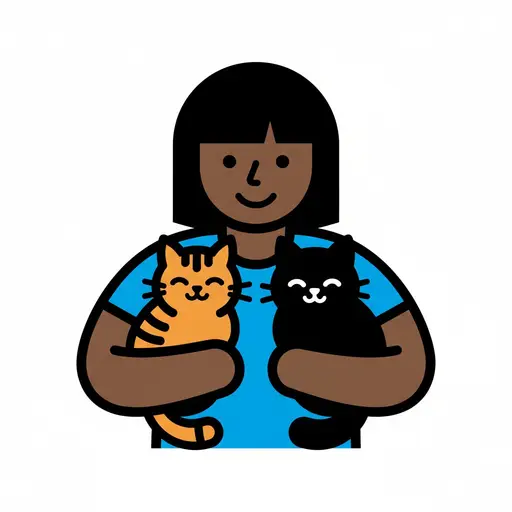
A girl holding two cats, one orange and one black.
Feed pets
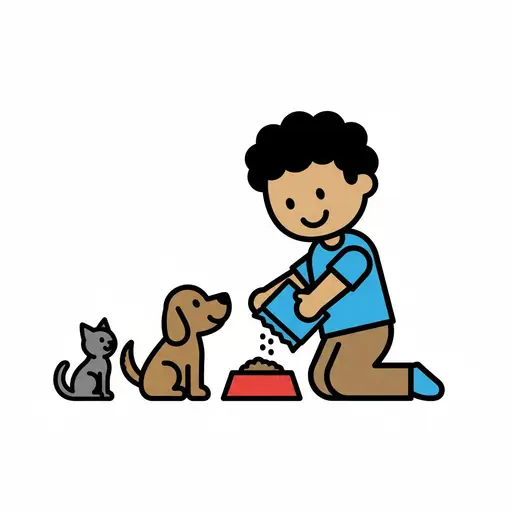
A cartoon image of a child kneeling and pouring food into a red bowl for a dog a...

Cat
A grey cartoon cat with a cream chest sits upright with its tail curled in front...
Cats
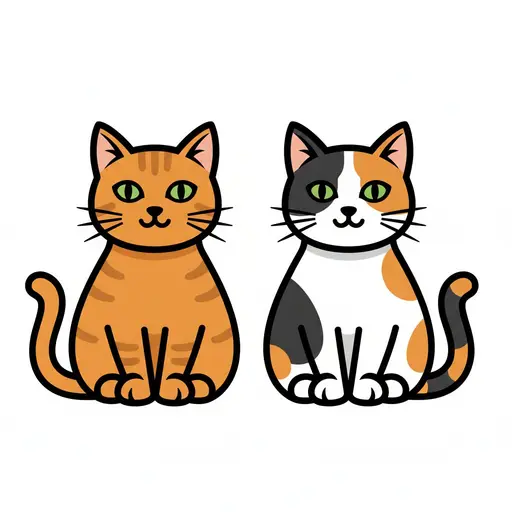
An orange tabby cat and a calico cat sit side by side.

Cats and guinea pigs
A simple symbol picture of a cat sitting beside a guinea pig.

Change cage water
A person is emptying old water from a pet bottle and refilling a pet cage with f...

Feed animals
A hand pours food into a bowl while a dog and a cat wait.
Feed cats
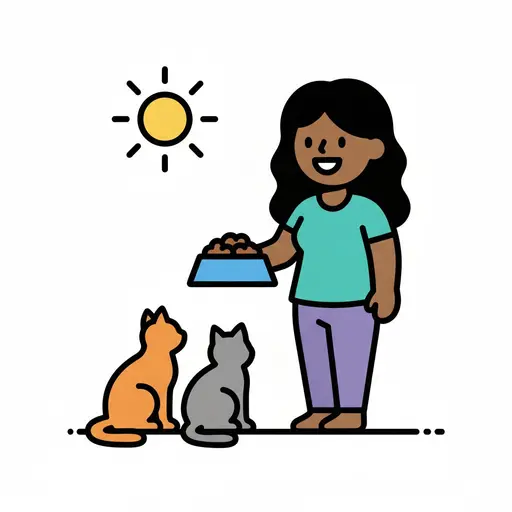
A smiling person holds a blue bowl of dry food while an orange and a grey cat si...
Take the visual supports with you
In Routined you build schedules from these pictures, add timers and voice instructions, and your child follows the day on their own.


* 14-day free trial, then $2.39 a month or $20.99 a year (US pricing). Cancel anytime.