Phone
Putting the phone down is not a single action, it is leaving the middle of something good. A child does not hear a stop word, they hear an interruption. The pictures below make the transition visible before it lands.

Phone
An old-fashioned blue rotary phone with a black handset and coiled cord.

Mobile phone
A mobile phone with call and message symbols on the screen.

Mobile phone
A mobile phone with a call icon on the screen.
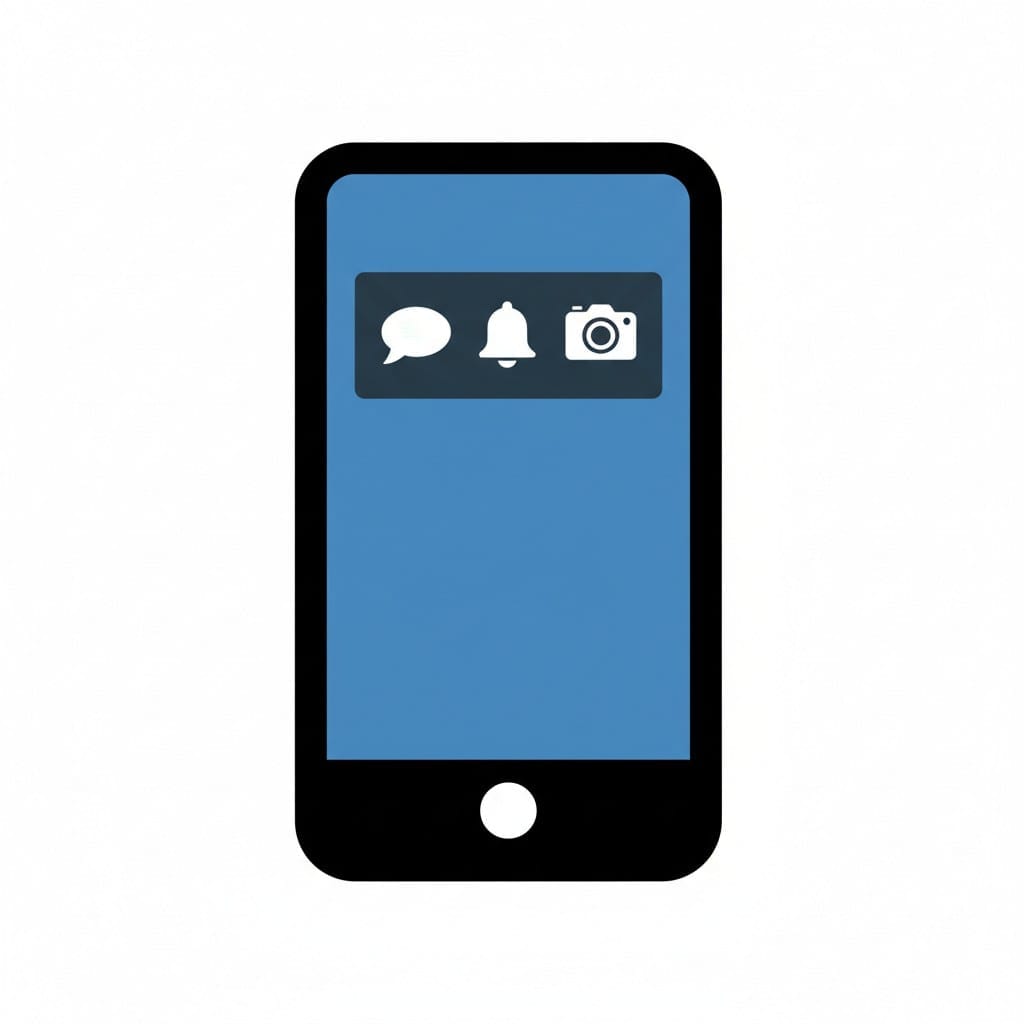
Phone
A black smartphone with a blue screen displaying icons for messages, notifications, and camera.

Phone with call icon
A smartphone with a blue screen shows a white handset symbol in the middle.
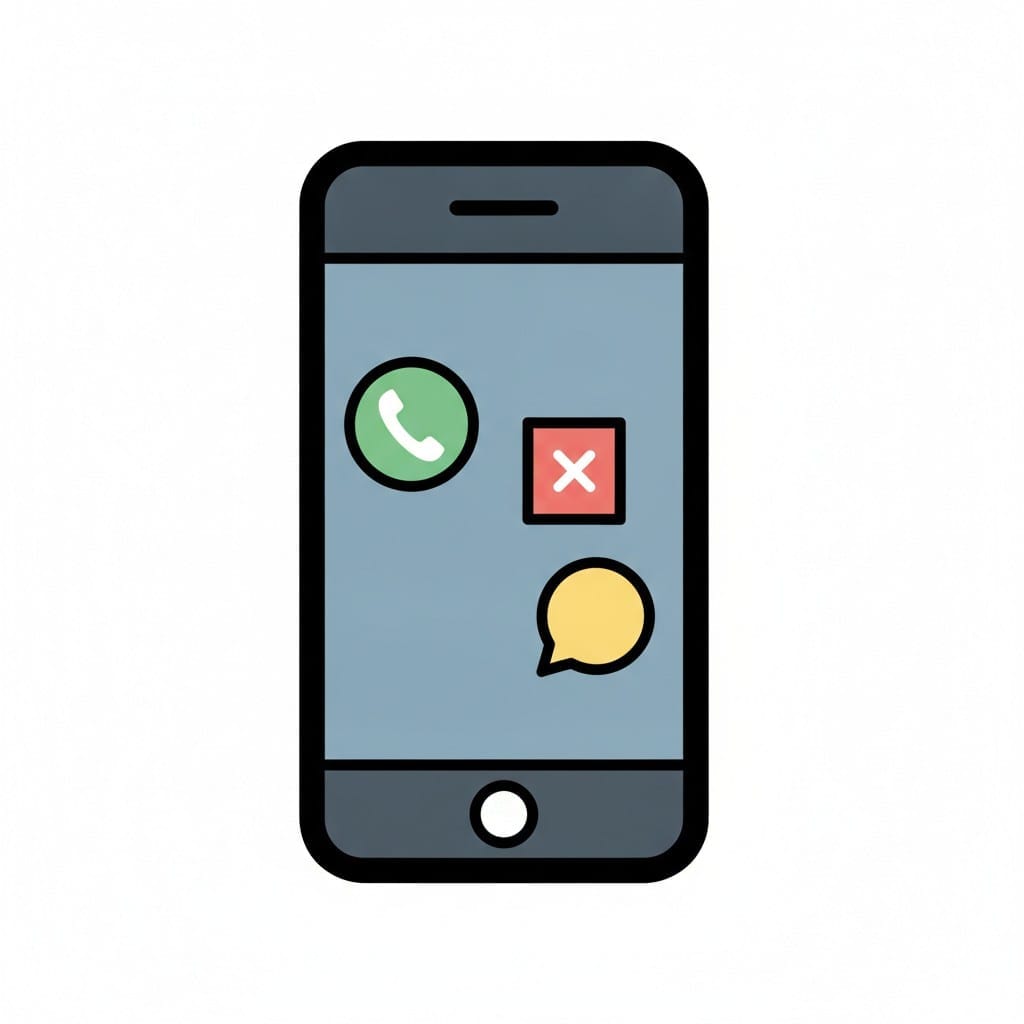
Answer or decline a call
The phone screen shows a green answer button, a red button with a cross and a yellow speech bubble.
About this visual support
The screen is not the opponent, the brain’s reward loop is. The phone delivers tiny new hits constantly, so putting it down activates the same resistance as closing a thrilling book mid-sentence. Tell a child to stop now, and the conflict that follows is about the switch more than about the screen.
Visual support shifts the conflict from words to a picture that has been there all along. A card showing three minutes left, one showing the phone going to its spot and one showing what comes next makes the move predictable. It is no longer a surprise, it is a schedule rolling forward.
One concrete tip: decide in advance what the phone is being traded for, something concrete like draw, snack, balcony. When the next thing is clearer than the thing being left, the swap gets easier. In Routined you can set a short screen timer and let the next-up card appear on its own.
Use this image in a schedule
Build your own visual schedule with this image and download it as a print-ready PDF. Completely free.

More similar visual supports
iPhone
An illustration of an iPhone with icons for camera, Apple logo, music, and messa...
Circus animals app
A cartoon figure on a trapeze holds a tablet displaying an elephant, while a lio...
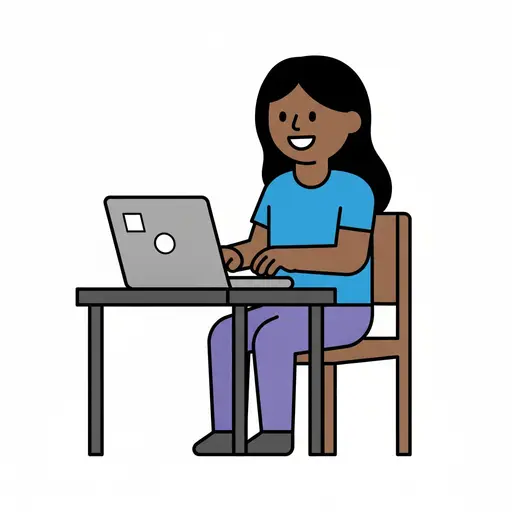
Computer
A smiling person sits on a wooden chair at a desk and types on a grey laptop.

Games (screen time)
A smiling girl playing games on a tablet.

iPad time
A person smiles while holding and pointing at a grey iPad with media icons.

Phone time
A woman sits on a beanbag looking at her phone.

Screen time
A girl holds a tablet showing video and search above her head.

Tablet
Two hands hold a tablet with a blue screen showing a speech bubble and a music n...
Take the visual supports with you
In Routined you build schedules from these pictures, add timers and voice instructions, and your child follows the day on their own.


* 14-day free trial, then $2.39 a month or $20.99 a year (US pricing). Cancel anytime.