Piano
Coordinating right and left hand on a keyboard is genuinely hard, and progress rarely shows from one day to the next. The visual support below splits practice into clear segments, so the child knows exactly what a session contains and what has actually been completed by the end.
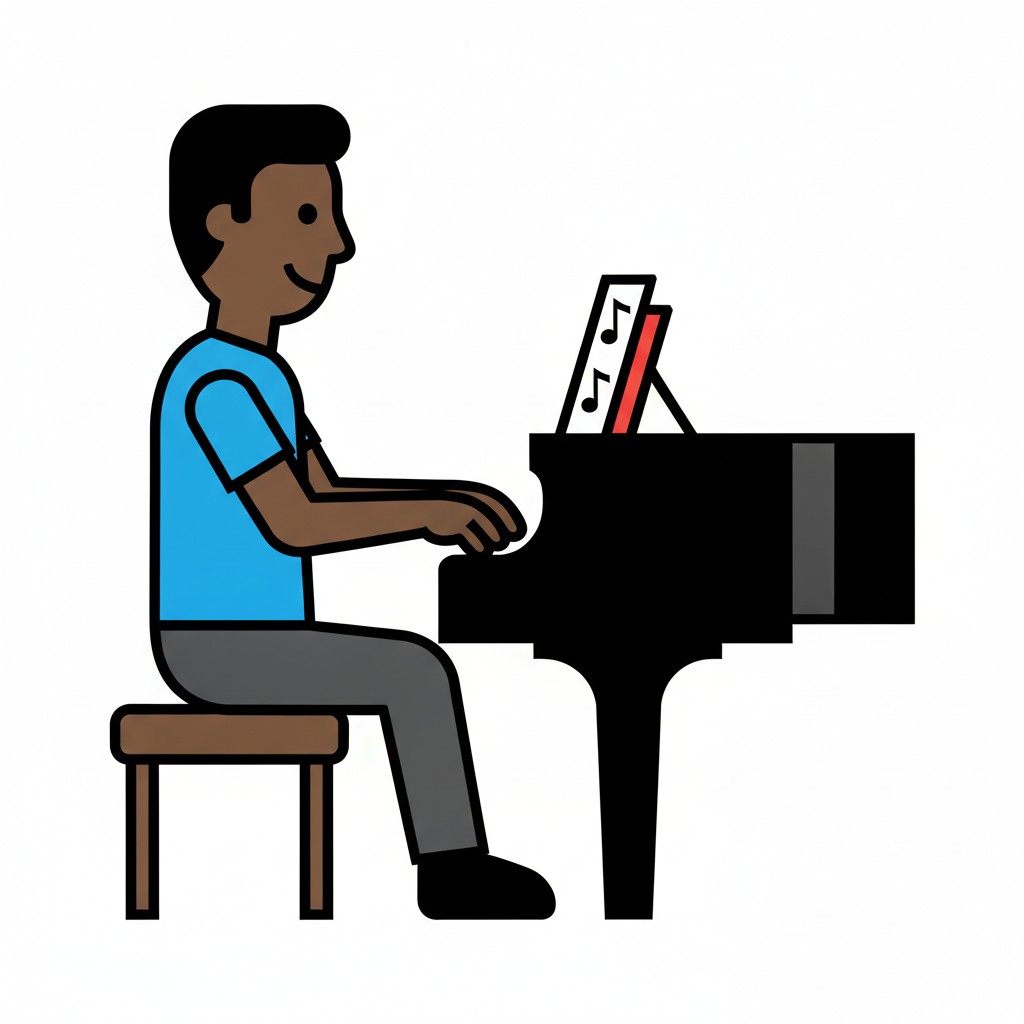 ♂
♂Playing the piano
A man plays a grand piano.
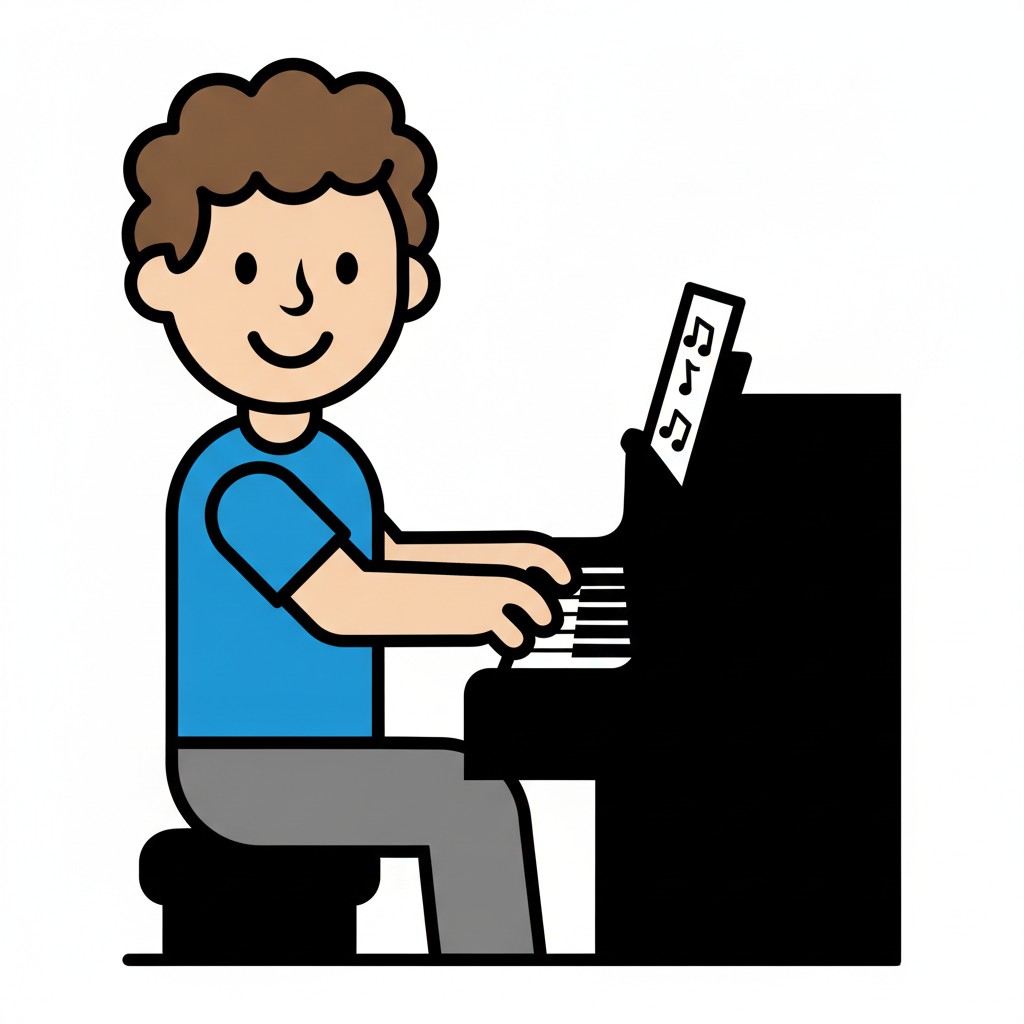 ♂
♂Piano practice
A boy plays an upright piano with sheet music.
Grand Piano
A grand piano.
Piano with Bench
A piano with a bench in front of it.
About this visual support
Piano practice is unusually thankless early on. Two hands need to do different things at the same time, the brain has to track notes, fingers and rhythm in parallel, and the result can sound roughly the same for a week straight. For a lot of children, that invisible progress is what drains motivation – not the playing itself, the teacher, or the instrument.
A visual sequence reframes the work. When a session has four or five clear segments – warm-up, right hand, left hand, hands together, a favourite piece – the child gets a record of what has actually been done. The completion shows on the board even when the sound has not caught up yet.
A practical move: record the right hand of a new piece on your phone on day one, then again a week later. The progress that was hiding inside the playing becomes audible. In Routined you can build a recurring practice block with these images, so the child can start without you having to re-explain the structure each time. A 14-day trial is included.
Use this image in a schedule
Build your own visual schedule with this image and download it as a print-ready PDF. Completely free.

More similar visual supports
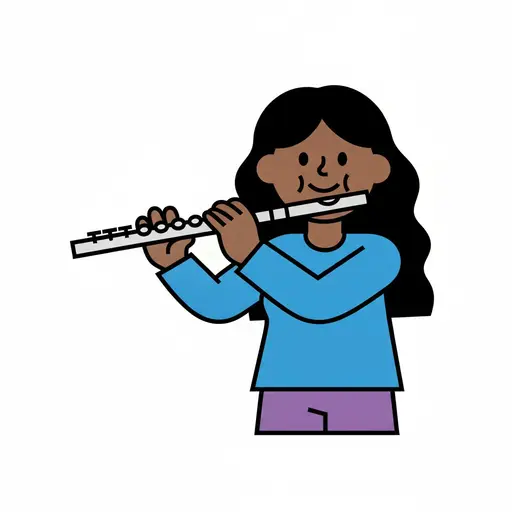
Flute
A woman plays the flute.
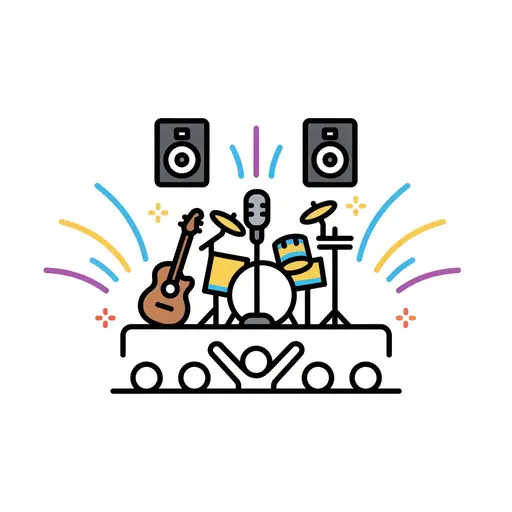
Concert
A stage with a guitar, drums and a microphone under colorful lights.
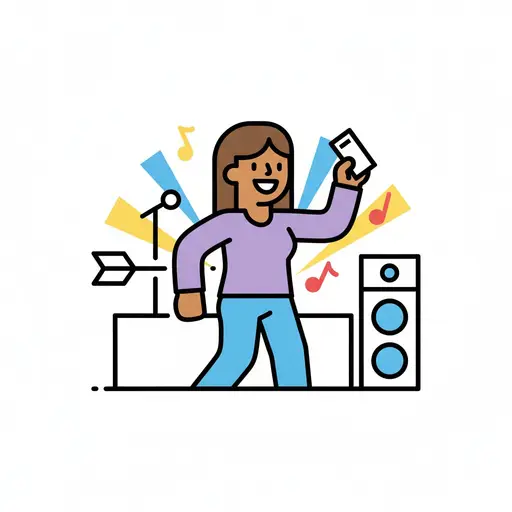
Go to a concert
A person at a concert holds up a phone while music plays.
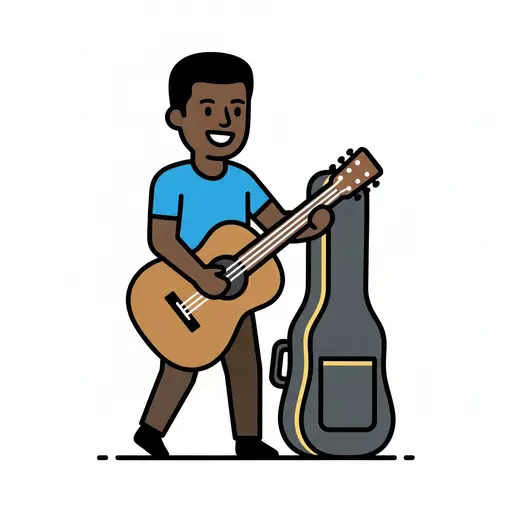
Guitar
A man holds a guitar next to a guitar case.
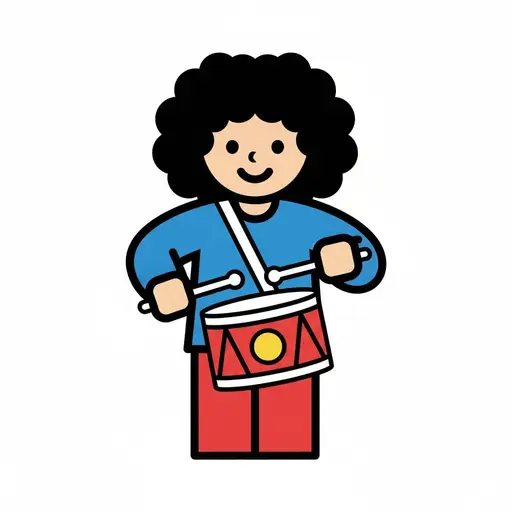
Play the marching drum
A child plays a red and white marching drum with sticks and a shoulder strap.
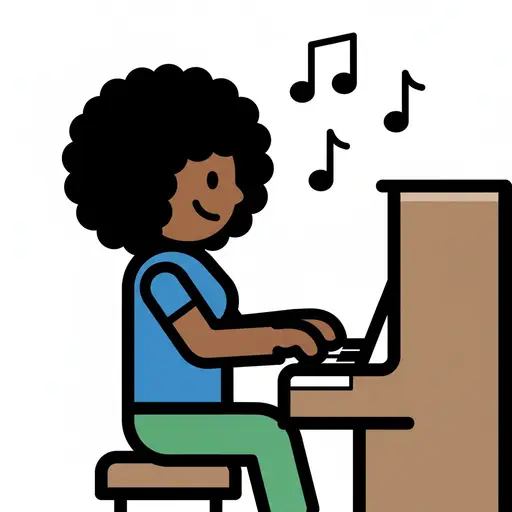
Practice piano
A person sits playing the piano. Musical notes float in the air above the piano.
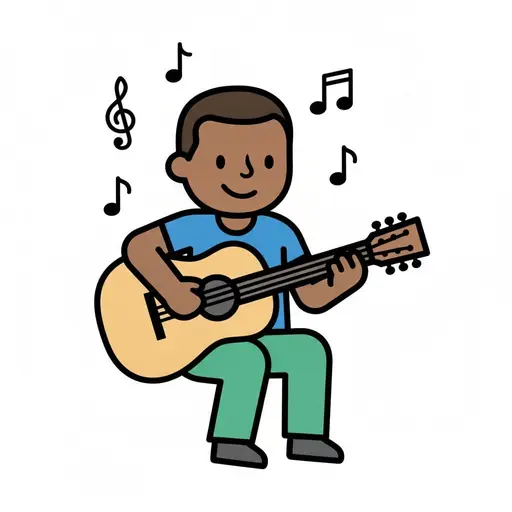
Practise the instrument
A boy sits playing an acoustic guitar with music notes and a treble clef beside.
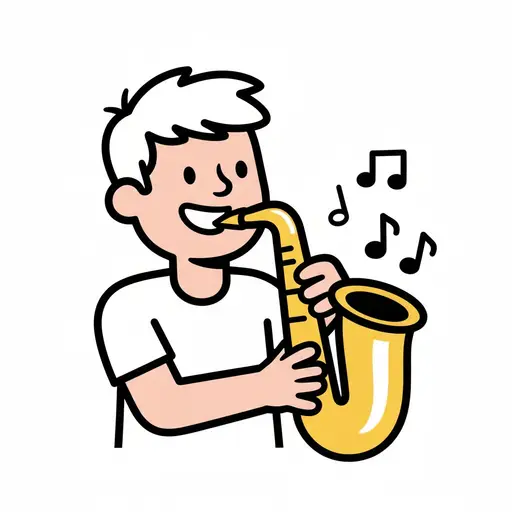
Practise the saxophone
A boy blows into a saxophone while music notes float around him.
Take the visual supports with you
In Routined you build schedules from these pictures, add timers and voice instructions, and your child follows the day on their own.


* 14-day free trial, then $2.39 a month or $20.99 a year (US pricing). Cancel anytime.