Play computer
Starting a game is easy, stopping is the hard part. The brain gets fast rewards and refuses to let go when the screen has to close. The visual support below turns the exit into something predictable instead of sudden.
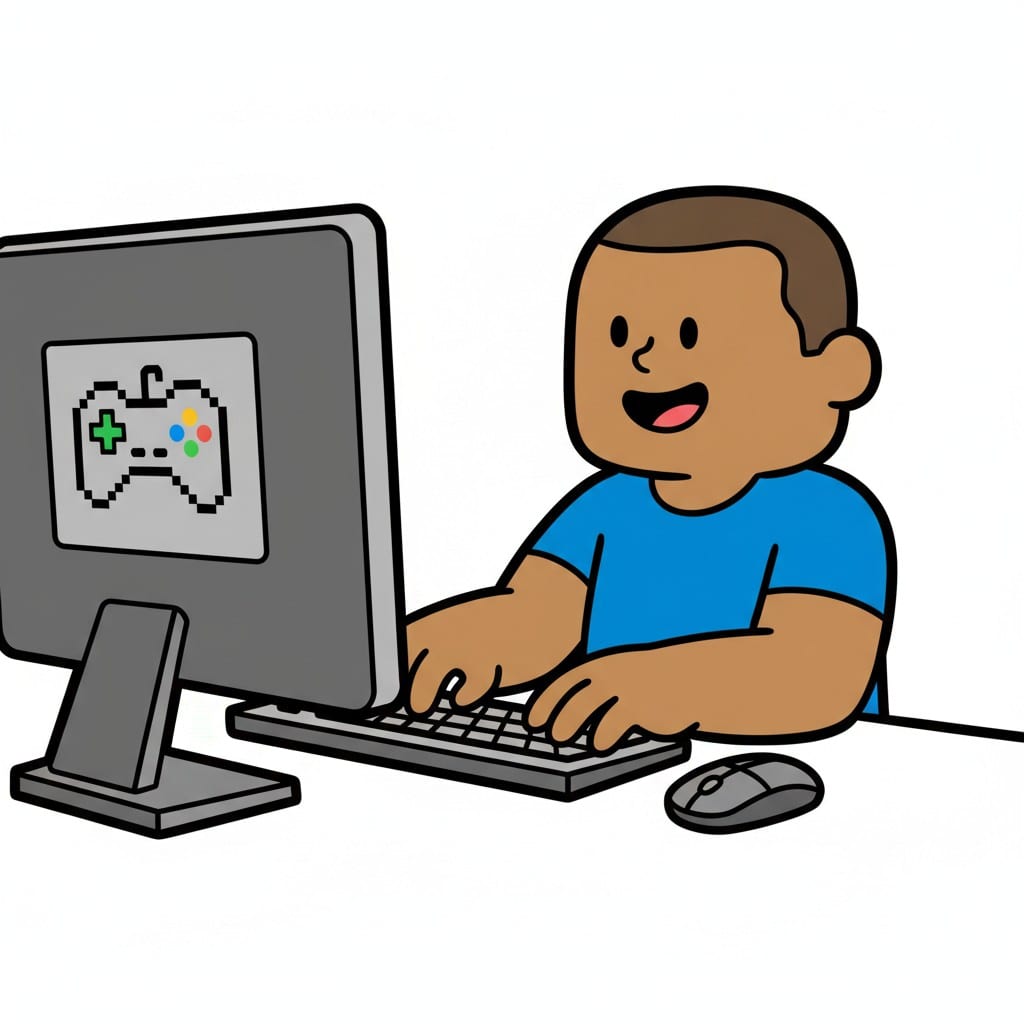 ♂
♂Play computer
A happy boy is sitting at a computer playing.
About this visual support
Computer games are built to hold attention. Every round, every level, every small sound effect is a micro-reward the brain happily wants another of. That is exactly why ending is so hard. When you say five more minutes, the issue is not bad timing, it is that the brain is already inside the next reward and cannot see what five minutes means.
A visual schedule around screen time does not solve the whole thing, but it makes the exit visible long before it happens. Log in, choose game, play, last round, save, shut down, do the next thing. That final image, do the next thing, matters most. It gives the brain something to navigate toward, not just a stop sign.
A tip that helps many families: let the child themselves move the last round card when that round begins. Physically owning the start of the ending lowers resistance a lot. In the Routined app you can tie a timer to last round, so that the screen and the card say the same thing about what comes next.
Use this image in a schedule
Build your own visual schedule with this image and download it as a print-ready PDF. Completely free.
More similar visual supports
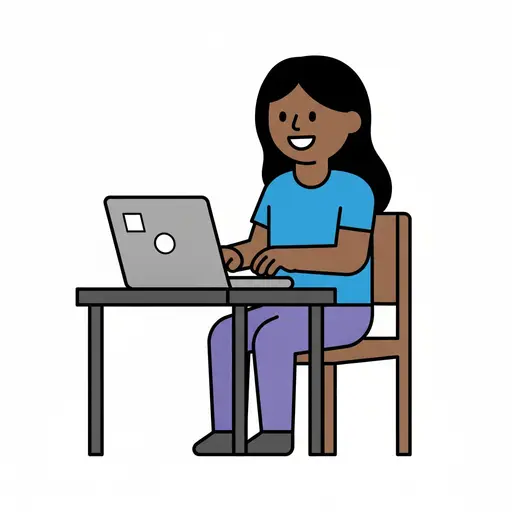
Computer
A smiling person sits on a wooden chair at a desk and types on a grey laptop.

Circus animals app
A cartoon figure on a trapeze holds a tablet displaying an elephant, while a lio...
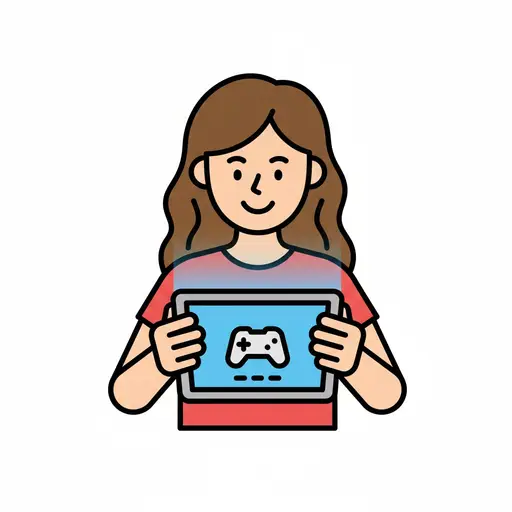
Games (screen time)
A smiling girl playing games on a tablet.
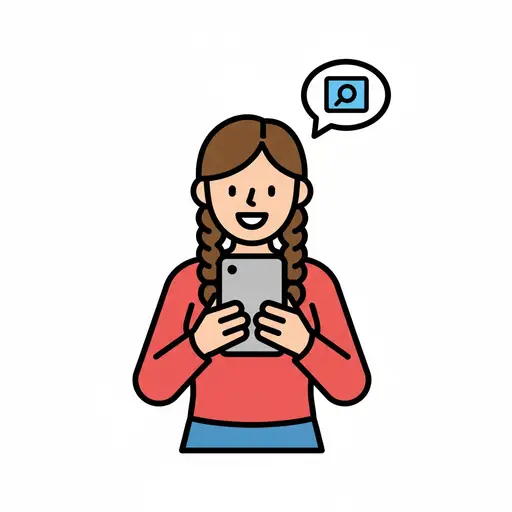
Check the phone
A child holds a mobile phone and a speech bubble with a search icon appears abov...

iPad time
A person smiles while holding and pointing at a grey iPad with media icons.

Activities
A child surrounded by icons for a book, paint palette, ball and building block.

Screen time
A girl holds a tablet showing video and search above her head.

Use iPhone
A hand taps the screen of a smartphone.
This visual support in other languages
Take the visual supports with you
In Routined you build schedules from these pictures, add timers and voice instructions, and your child follows the day on their own.


* 14-day free trial, then $2.39 a month or $20.99 a year (US pricing). Cancel anytime.