Play on the tablet
Starting to play happens on its own, it is stopping that turns into the fight. The screen pulls, and putting it down in the middle of something fun feels almost unfair. The visual support below makes the ending visible long before it arrives.
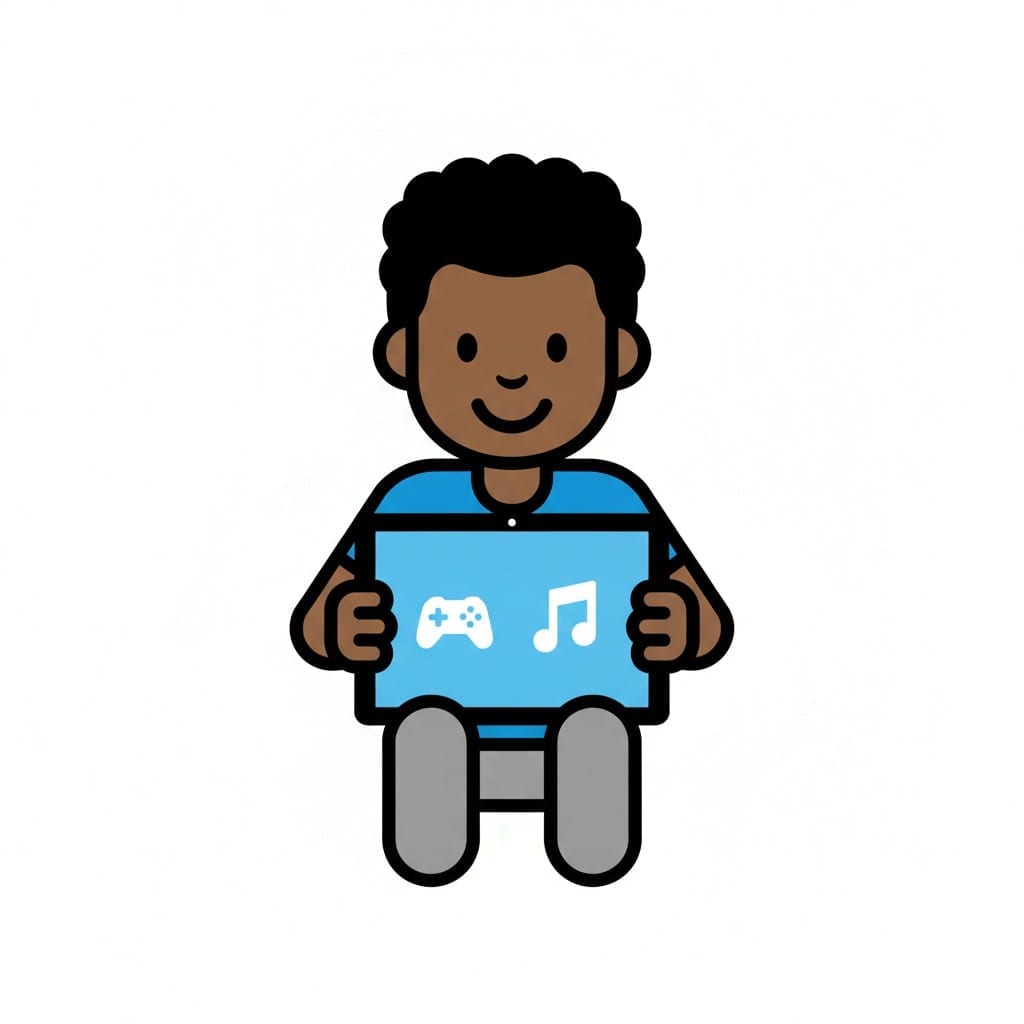 ♂
♂Boy holding a tablet
A smiling boy sits holding a tablet showing a game controller symbol and a music note on the screen.
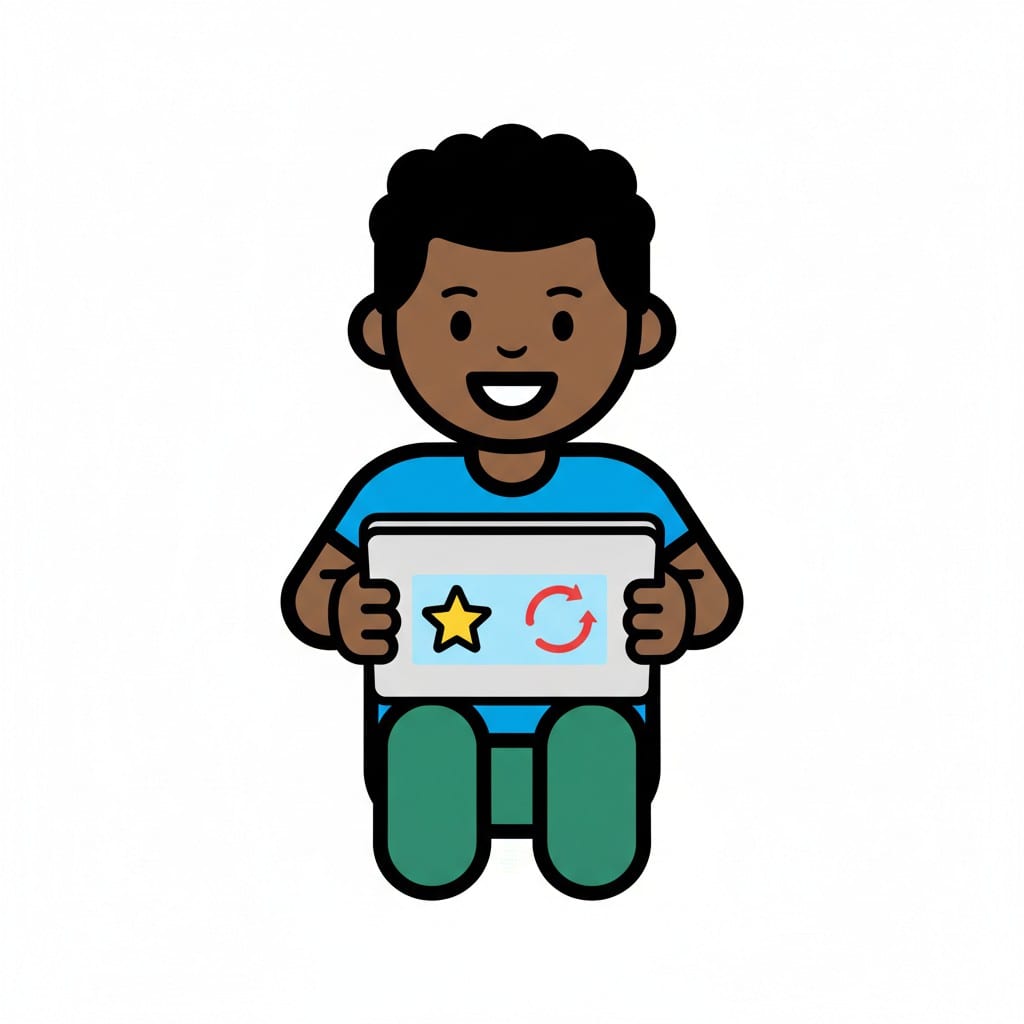 ♂
♂Playing on the tablet
A happy boy sits holding a tablet with a star and an arrow on the screen.
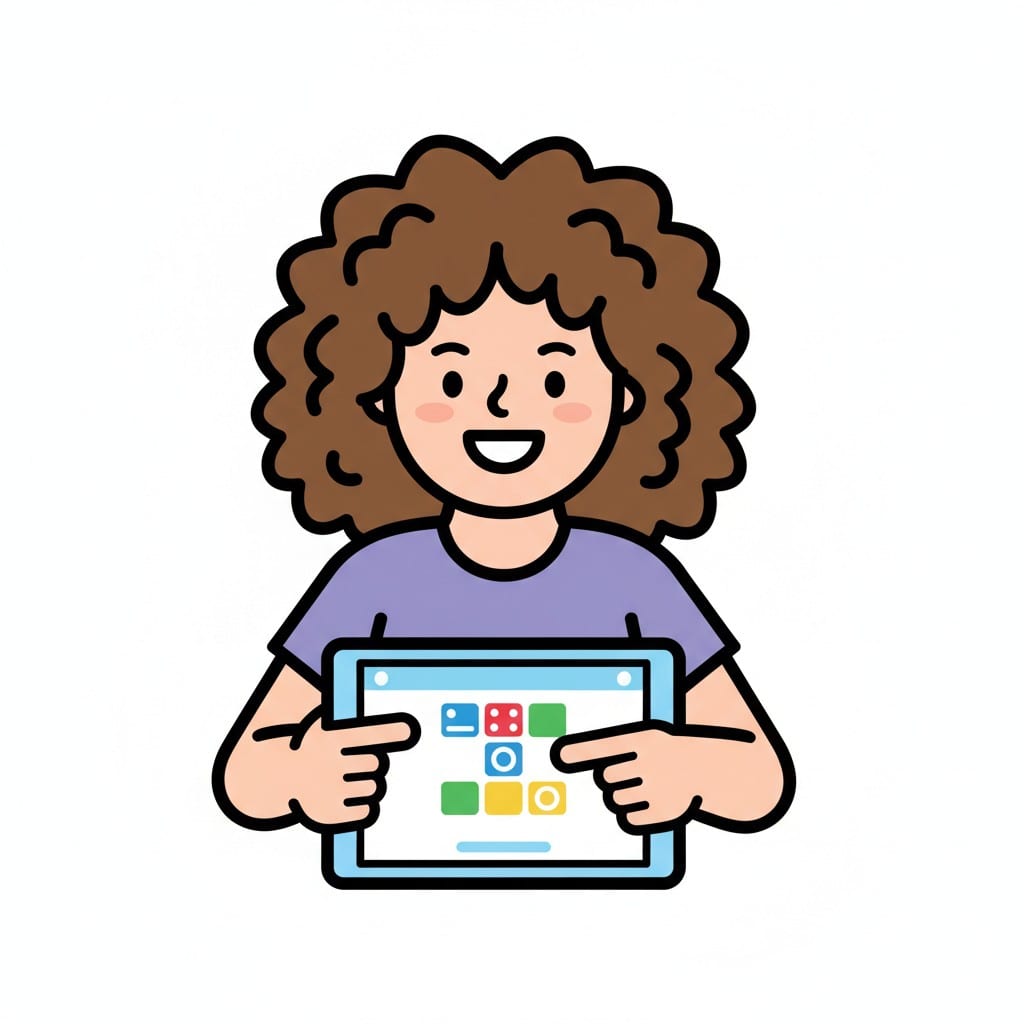 ♀
♀Play on the tablet
A smiling girl holds a tablet and points at colorful apps on the screen.
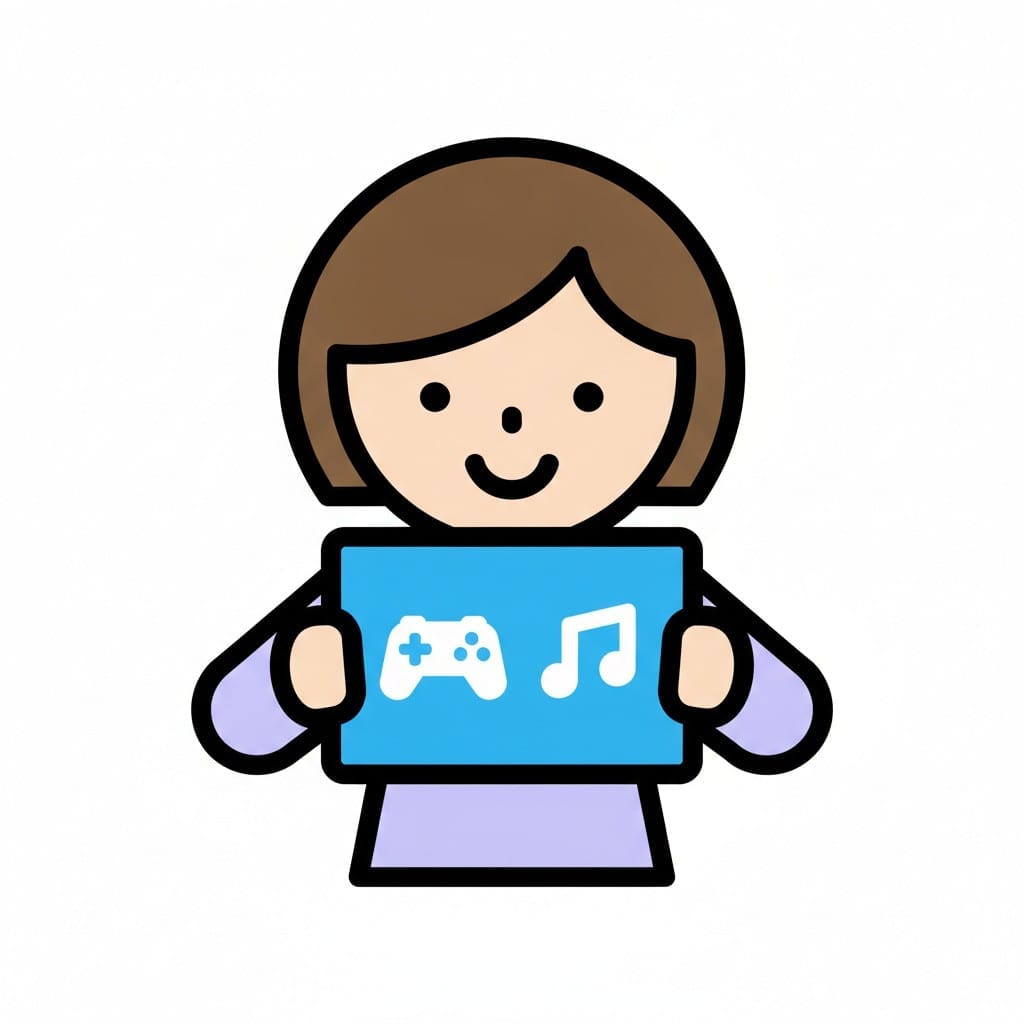 ♀
♀Girl holding a tablet
A smiling girl holds a tablet whose blue screen shows a game controller and a music note.
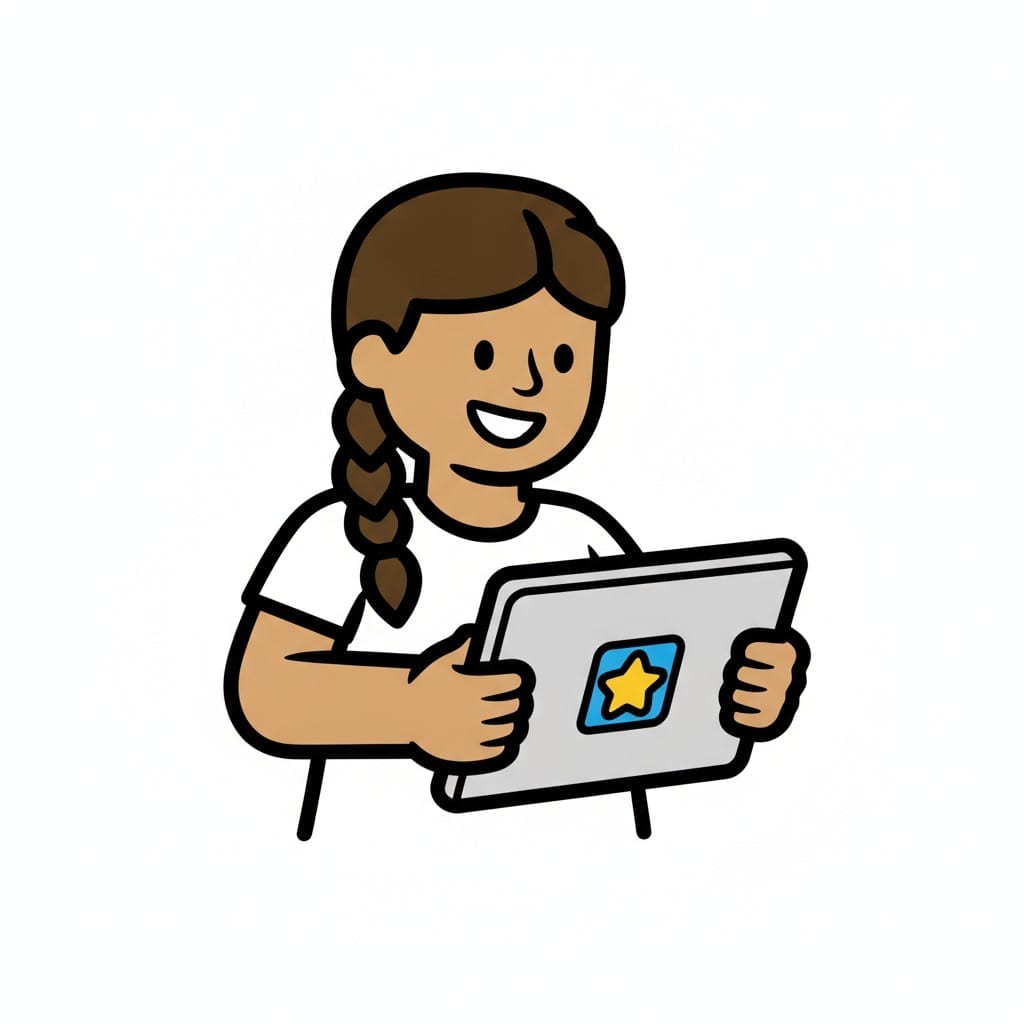 ♀
♀Girl playing at the table
A girl with a braid sits at a table and holds a tablet showing a yellow star.
About this visual support
The tablet is rarely the problem in itself. Games are built to grab and reward, and that is exactly why the resistance does not sit in getting started but in breaking off. When a child is in the middle of a level or a round and you say time is up, you are asking the brain to drop something engaging in a second. That often turns into tears or an argument, not out of defiance but because of an abrupt cut.
Visual support helps by making the ending predictable rather than sudden. When a picture of what happens after the game is there from the start, a child knows the session has a limit and what waits on the other side. The transition becomes a planned point rather than a jolt in the middle.
A concrete tip for the tablet: agree on a natural stop in advance, such as after that level or when the round is done, and pair it with a picture of the next activity. Being allowed to finish something instead of being torn away from it makes a huge difference to how smooth the transition feels. To tie screen time and the next step together digitally, you can try Routined free for fourteen days.
Use this image in a schedule
Build your own visual schedule with this image and download it as a print-ready PDF. Completely free.
More similar visual supports
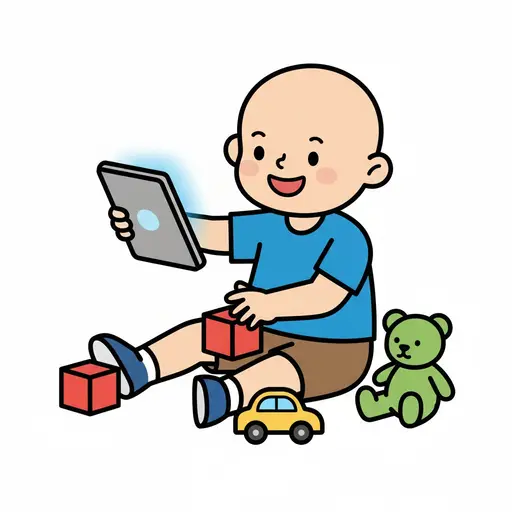
Play iPad and toys
A happy boy is sitting on the floor holding an iPad. Around him are red building...
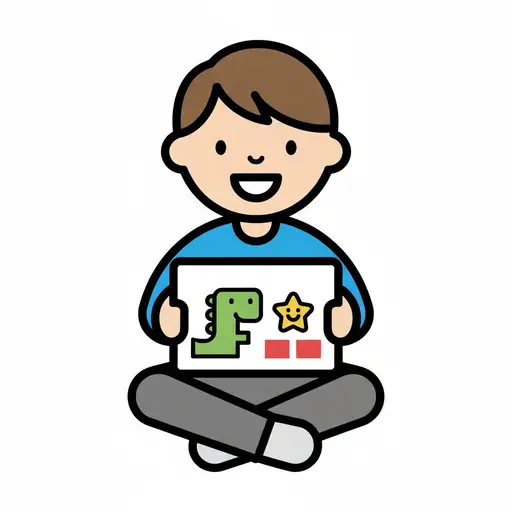
Watch a kids show
A boy sits cross-legged with a tablet playing a cartoon dinosaur show.
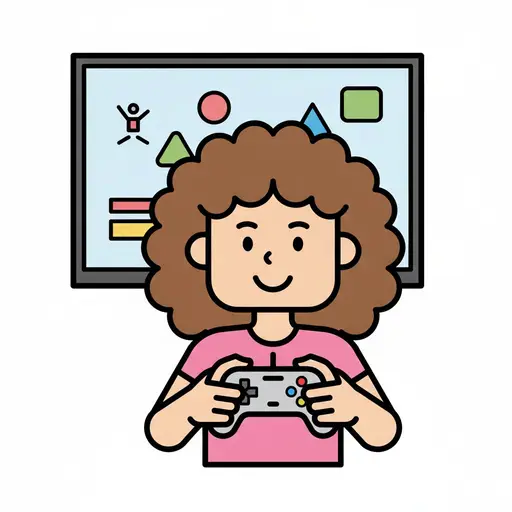
Play games
Holding a controller, a girl with curly hair plays in front of a television show...
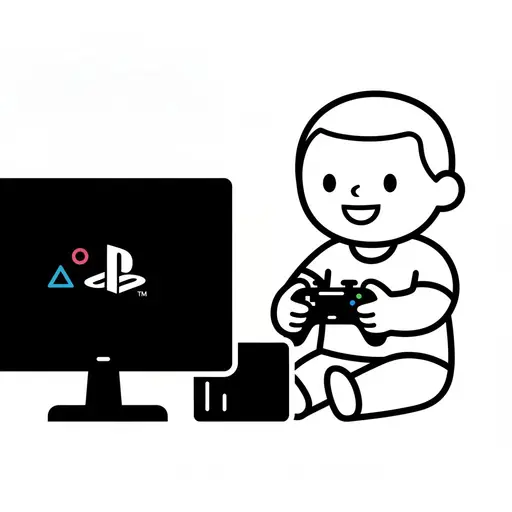
Play Game Console
A happy boy sits on the floor playing a video game with a controller in front of...

Screen time reward
A girl points at a tablet above a trophy filled with tokens as a reward.
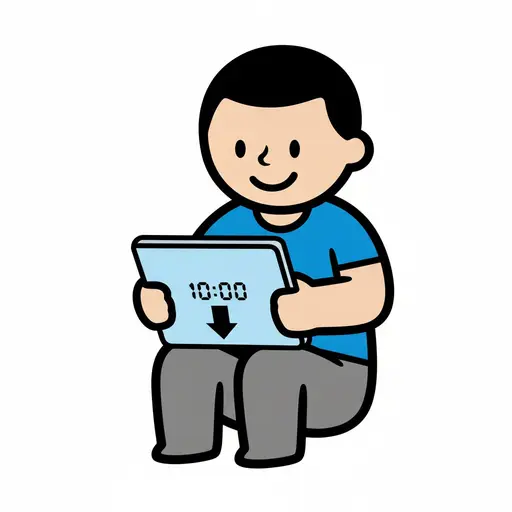
Screen Time Until 10
A boy sits holding a tablet showing 10:00 with a downward arrow, marking the end...
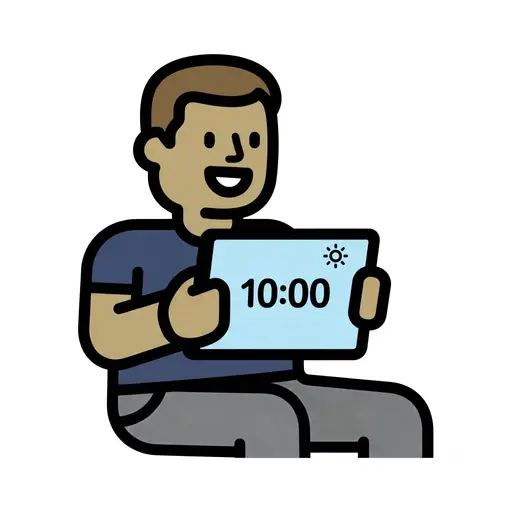
Screen Time 10am
A boy holds up a tablet showing 10:00 with a sun symbol.
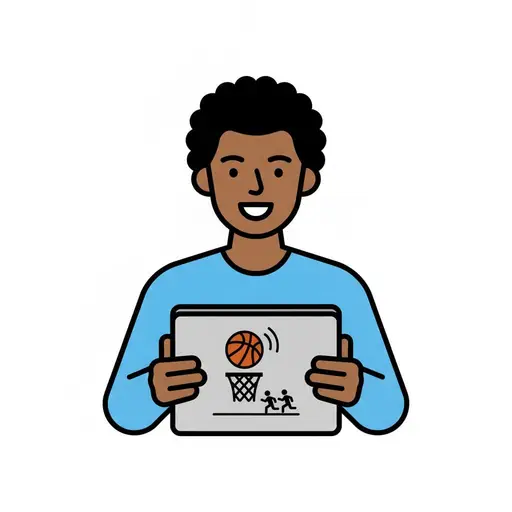
Watch basketball
A happy person holds up a tablet showing a basketball game with a ball and hoop.
This visual support in other languages
Take the visual supports with you
In Routined you build schedules from these pictures, add timers and voice instructions, and your child follows the day on their own.


* 14-day free trial, then $2.39 a month or $20.99 a year (US pricing). Cancel anytime.