Play with friends
Playing with friends sounds easy, yet a child has to read faces, take turns and track rules all at once. The visual support below breaks the social flow into steps you can return to.
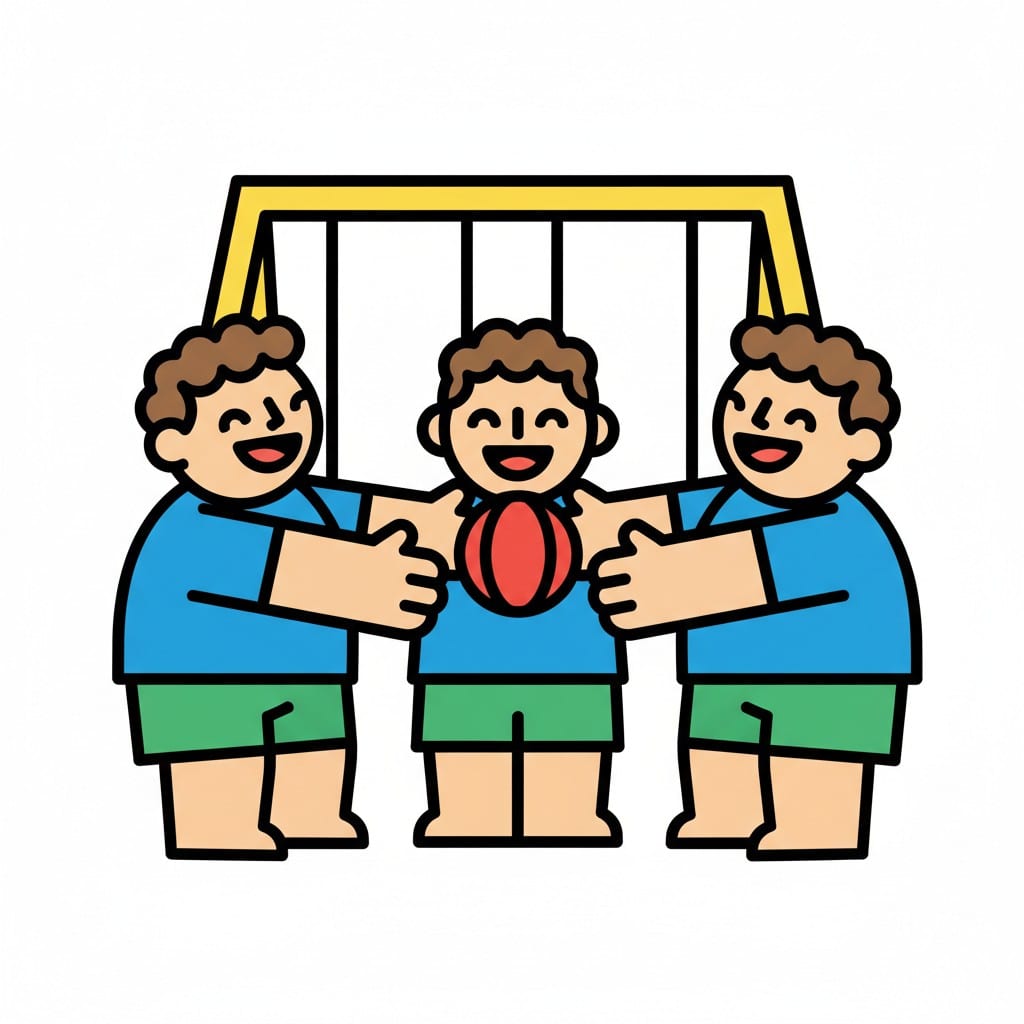 ♂
♂Play with friends
Three boys play with a ball in front of a goal, laughing.
 ♂
♂Play with friends
Three boys are playing with a red ball.
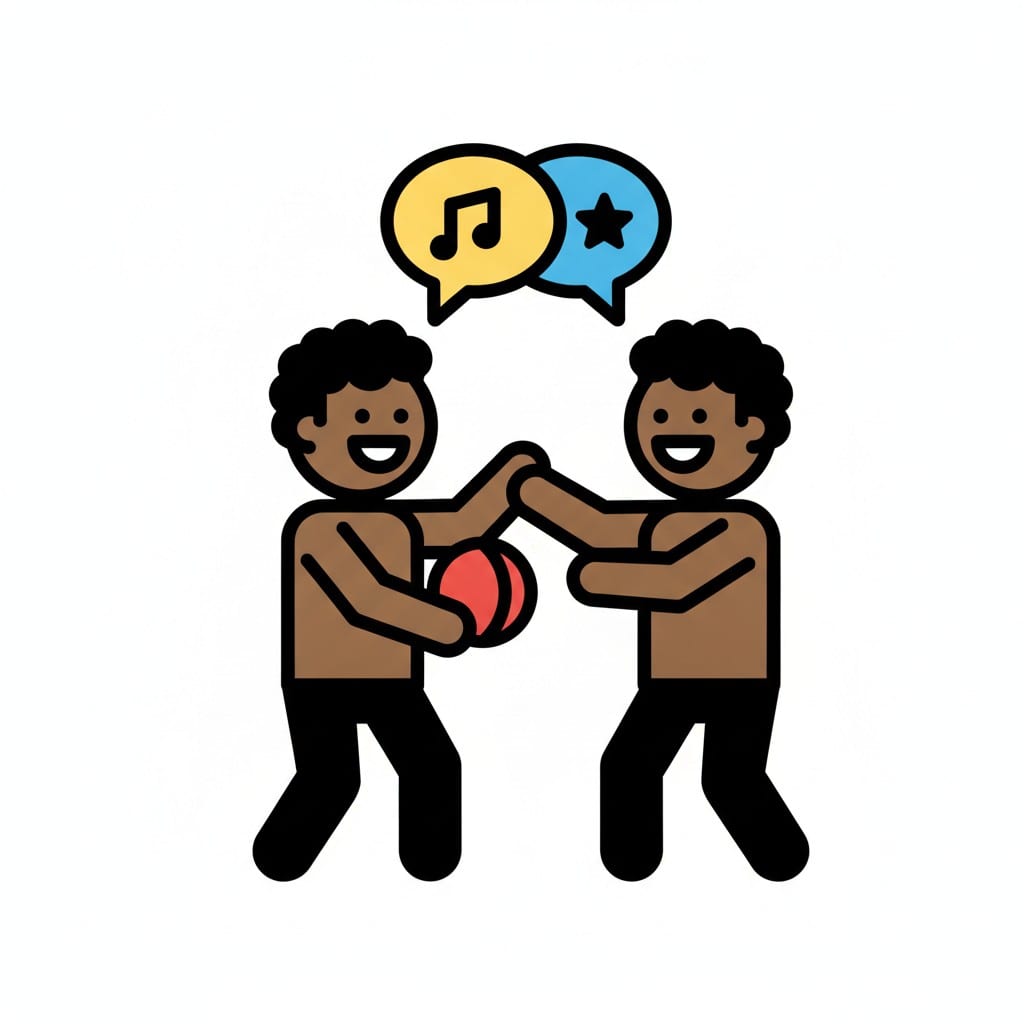 ♂
♂Boys playing together
Two boys pass a red ball between them while chatting.
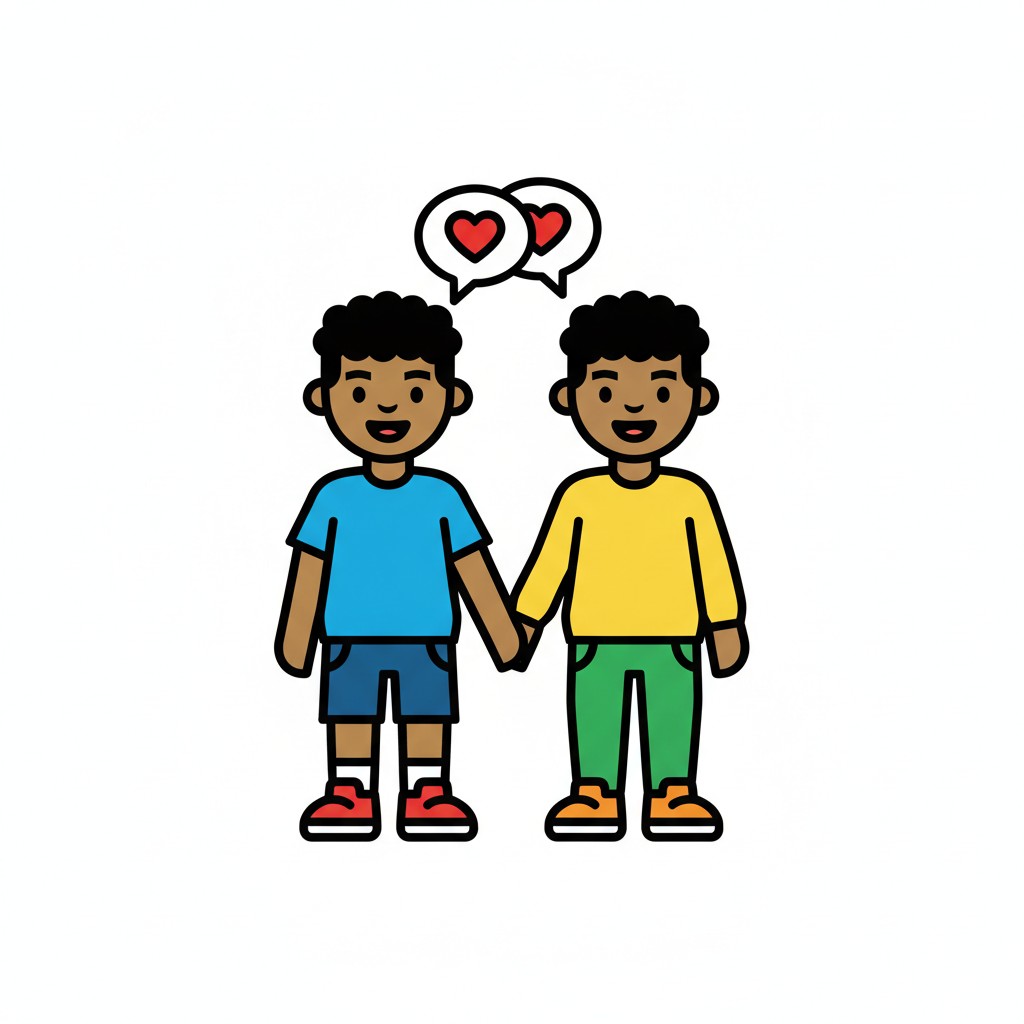 ♂
♂Buddy day
Two boys hold hands with hearts in speech bubbles above them.
 ♂
♂Best friends
Two boys hold hands beneath a big red heart.
 ♂
♂Meeting a friend
Two boys shake hands on a sunny day.
 ♂
♂Friend day
Two children hold hands in the sun with a calendar showing a heart.
 ♂
♂Meeting a friend
Two boys shake hands in the sunshine.
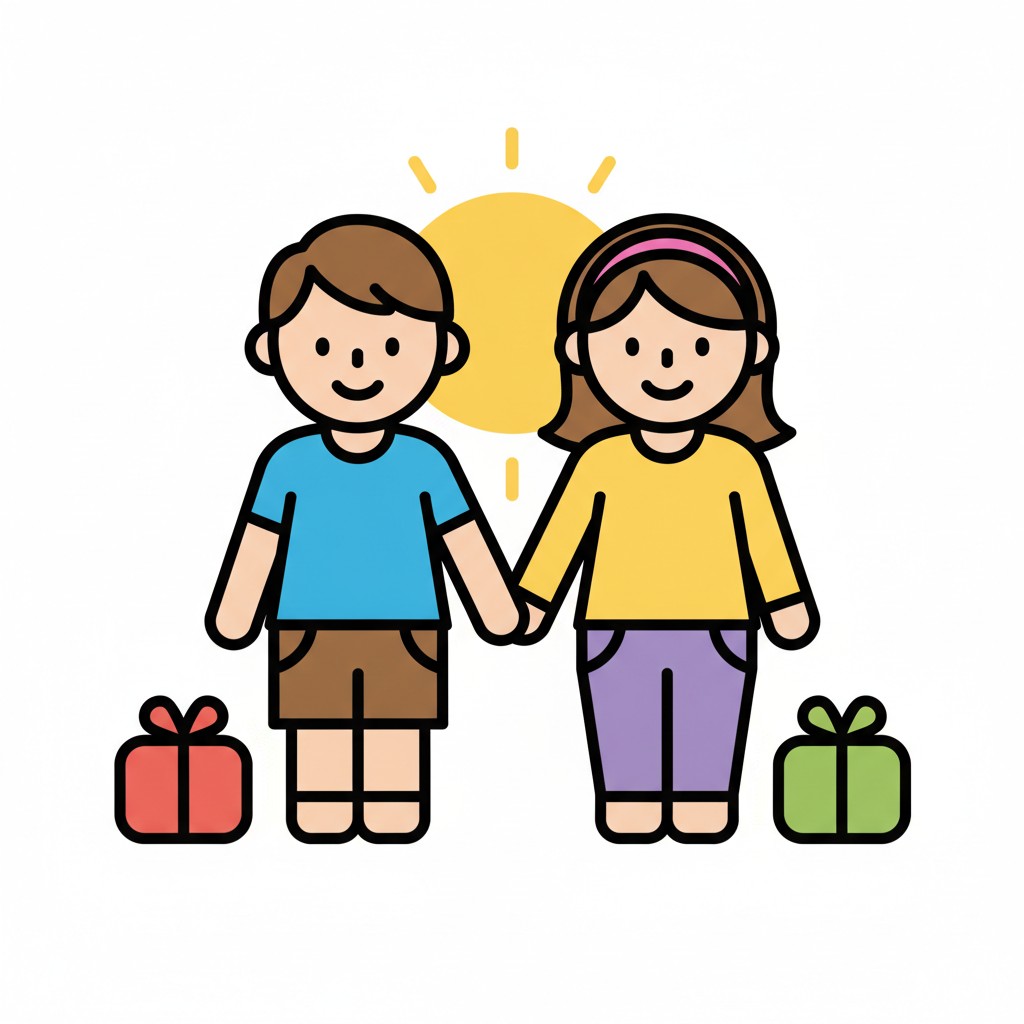 ♂
♂Day with a friend
A boy and a girl hold hands in the sun with presents nearby.
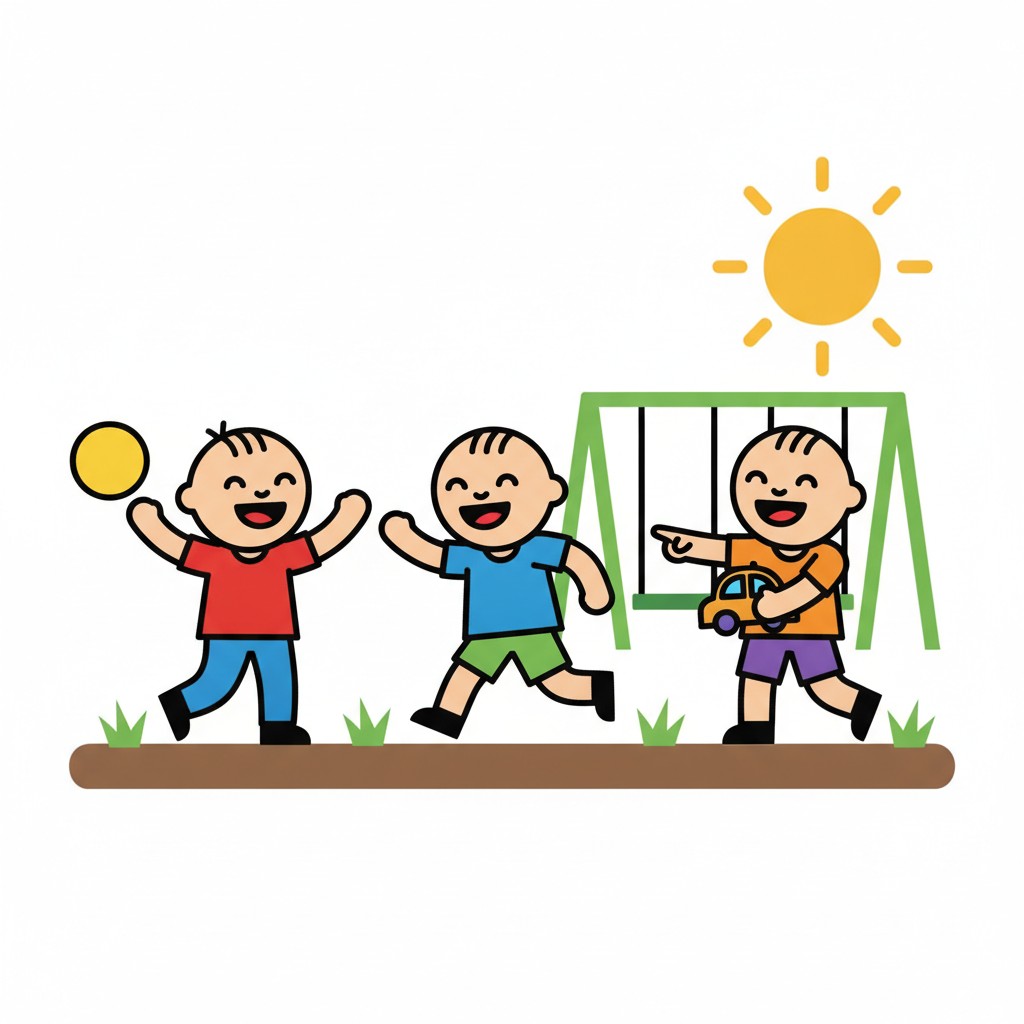 ♂
♂Play day with friends
Three children run and play by a swing in the sun.
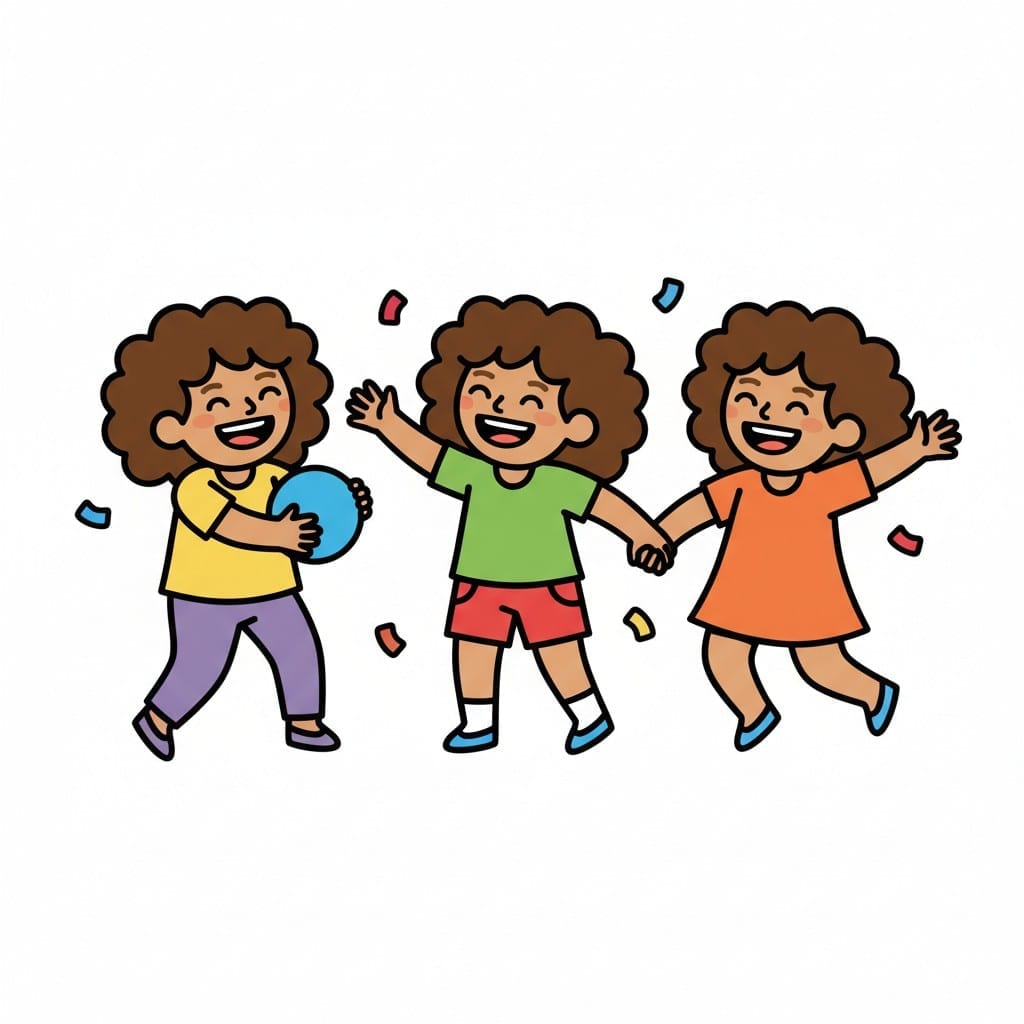 ♀
♀Play with friends
Three girls play and hold hands, with confetti around them. One girl holds a blue ball.
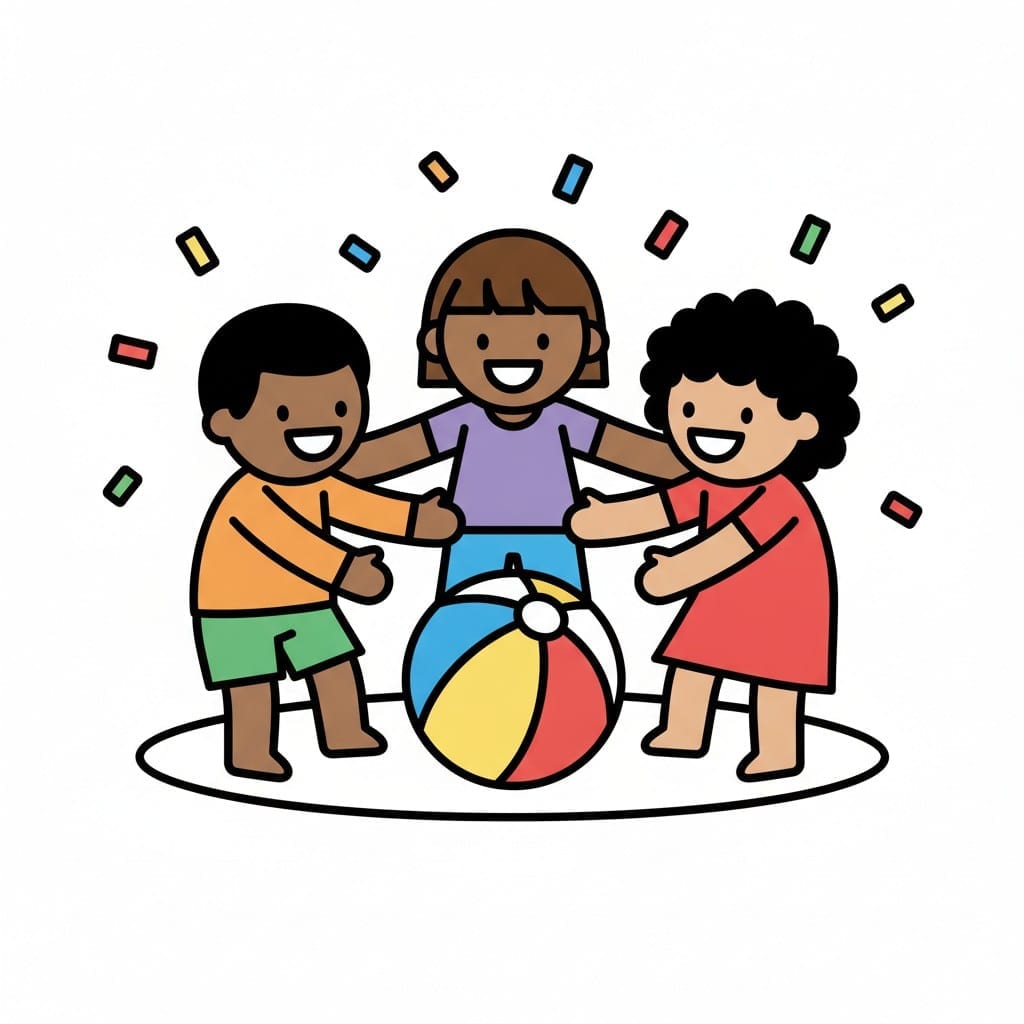 ♀
♀Three children playing with a ball
Three laughing children stand together around a large colourful ball with confetti around them.
About this visual support
Play with friends is rarely just play. A child reads faces, listens for whose turn it is, hands over a favourite toy when someone asks, and tries to keep up with a rule that shifts mid-game. The social bandwidth drains quickly, and energy often runs out long before the friends head home.
This is why preparing the play session visually helps. When the child sees the sequence – greeting, choosing a game, sharing, swapping turns, pausing – the inner tempo settles and small negotiations carry less charge. The pictures also act as a neutral referee: instead of an adult stepping in, you point to the turn-taking card.
One concrete tip: slot a pause card into the middle of the play session, even when things are going well. A short drink break or five minutes with a calm book takes the edge off before it tips into conflict. To carry this into daily life, the Routined app offers a 14-day trial where pictures, timer and pause signals work together.
This image is part of these ready-made schedules
Use this image in a schedule
Build your own visual schedule with this image and download it as a print-ready PDF. Completely free.
More similar visual supports
Meet friends
Three laughing children in purple, red and yellow tops stand side by side holdin...
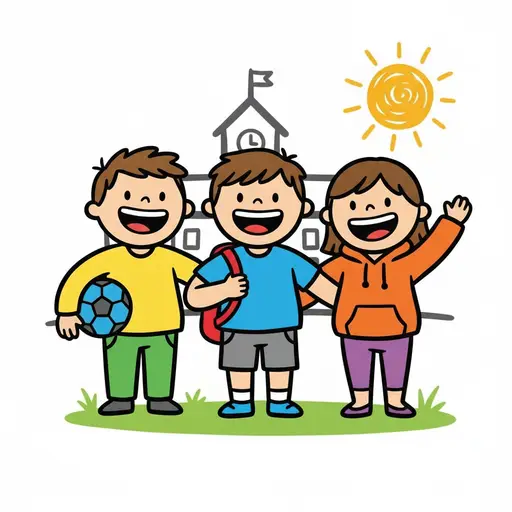
After school friends
Two boys and a girl, all smiling, one boy holding a soccer ball, in front of a s...
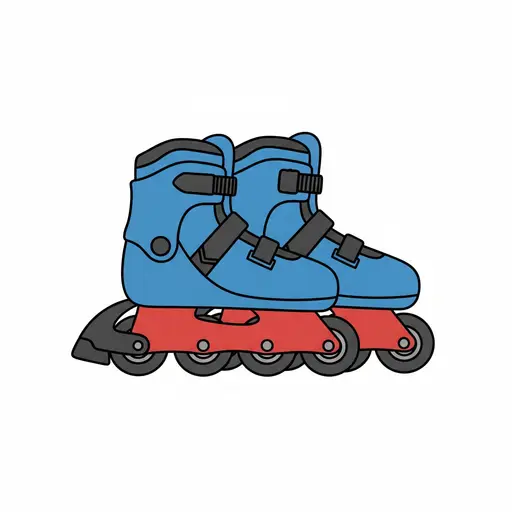
Roller skates
A pair of blue roller skates with red frames and black buckles.
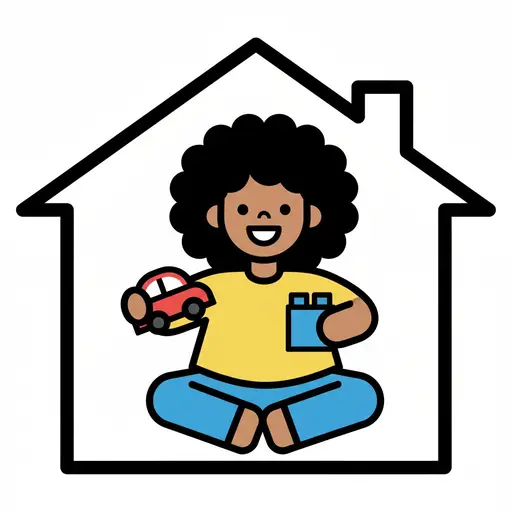
Indoor games
A cartoon girl with a happy face sits cross-legged inside a house outline. She i...
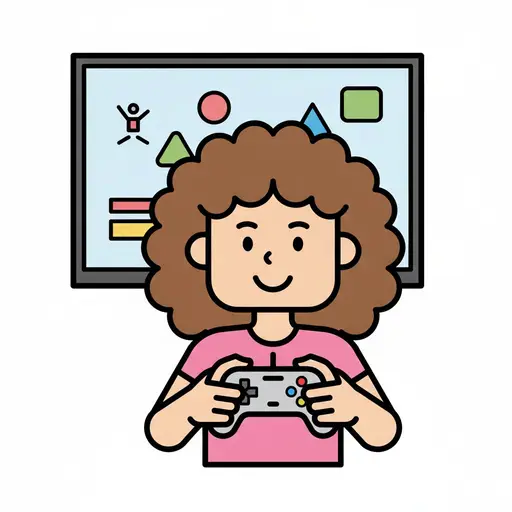
Play games
Holding a controller, a girl with curly hair plays in front of a television show...
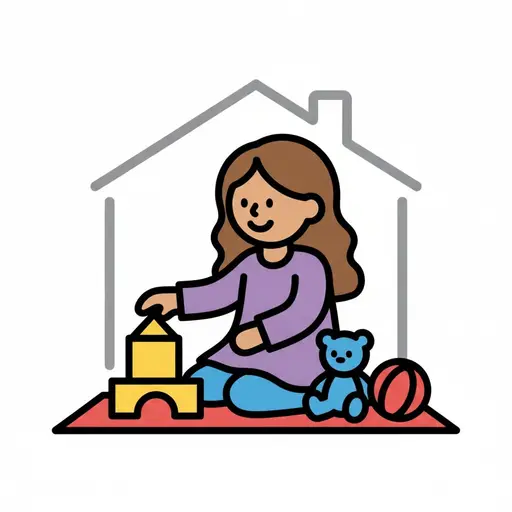
Play indoors
Inside a drawn house, a girl sits on a red rug stacking yellow blocks, with a bl...
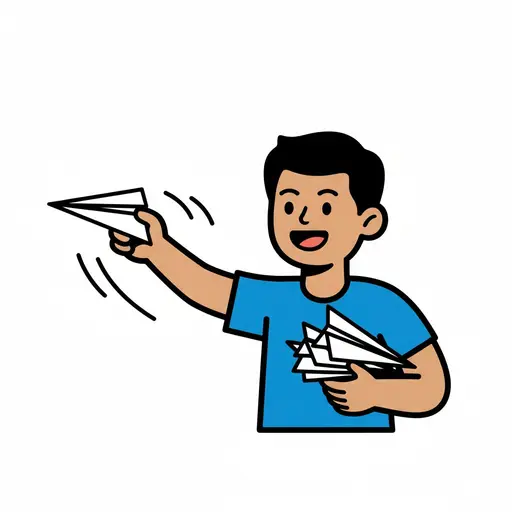
Throw paper airplane
A boy with a wide smile throwing a paper airplane. He holds a stack of other pap...
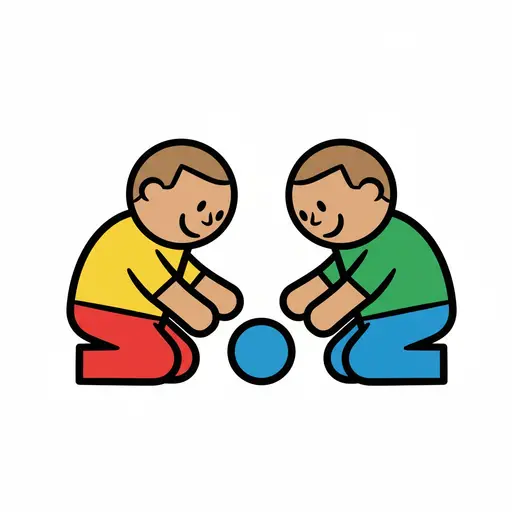
Friend play
Two boys are kneeling on the floor and playing with a small blue ball.
This visual support in other languages
Take the visual supports with you
In Routined you build schedules from these pictures, add timers and voice instructions, and your child follows the day on their own.


* 14-day free trial, then $2.39 a month or $20.99 a year (US pricing). Cancel anytime.