Put on helmet
The helmet squeezes a little at the temples, the chin strap has to sit without rubbing, and heat builds quickly underneath – yet the helmet itself is non-negotiable. The visual support below keeps the steps calm.
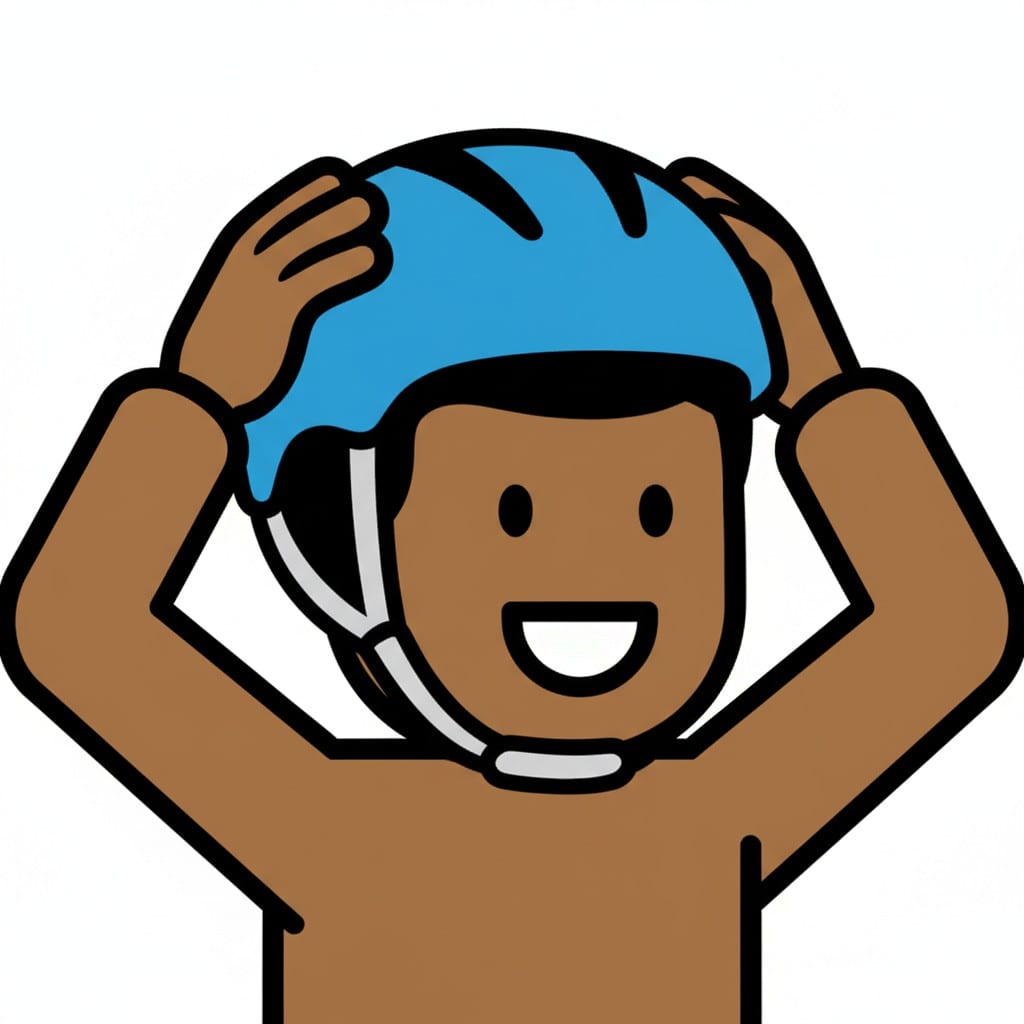 ♂
♂Boy putting on blue helmet
A boy holds a blue helmet with both hands and puts it on his head.
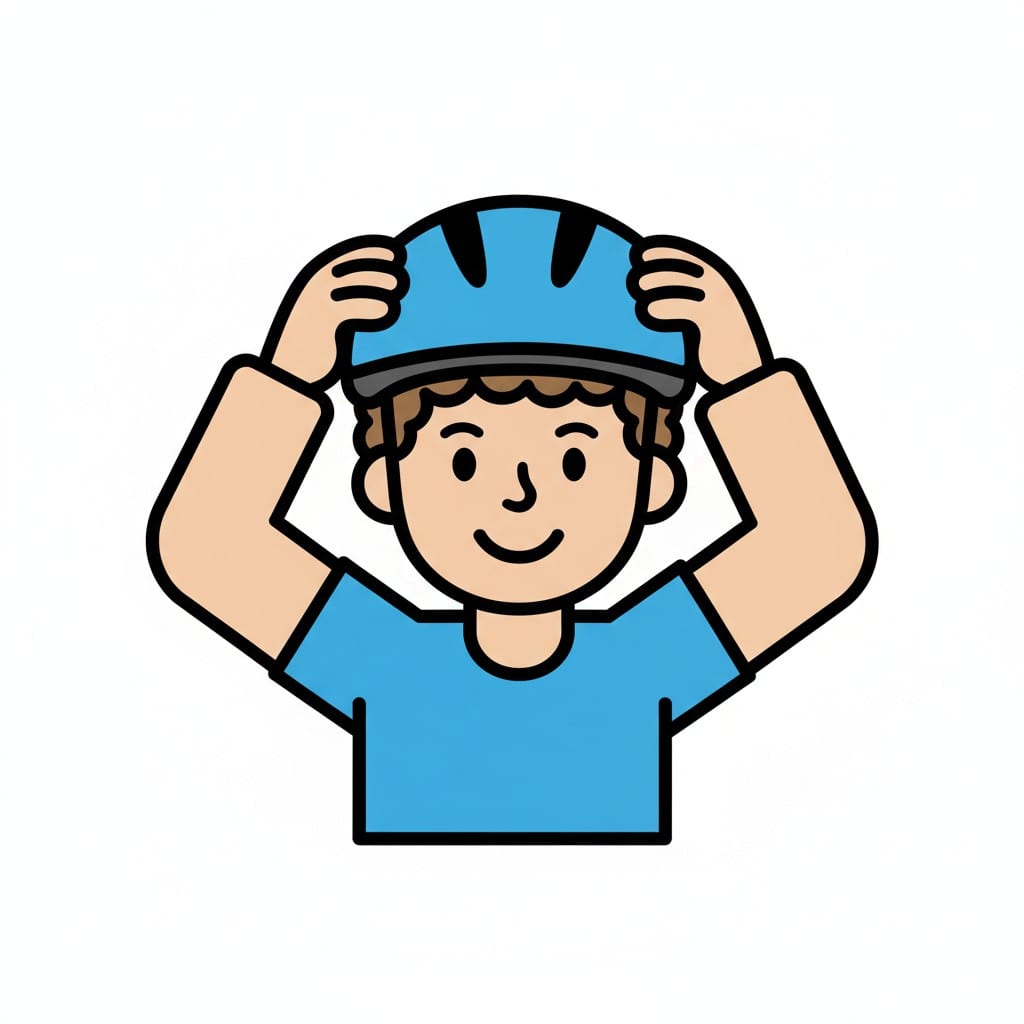 ♂
♂Boy putting on blue helmet
A boy holds a blue helmet with both hands and puts it on his head.
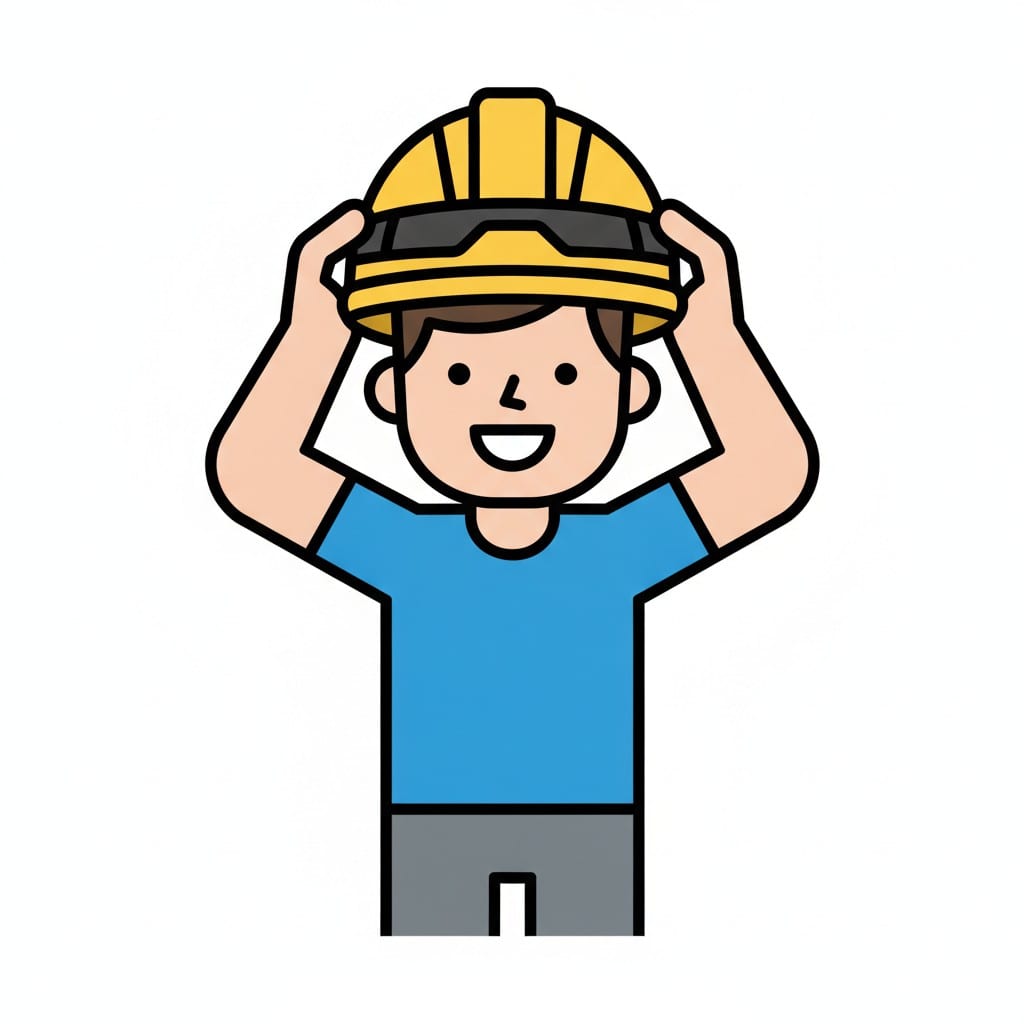 ♂
♂Boy putting on a yellow helmet
A smiling boy lifts a yellow helmet with both hands and places it on his head.
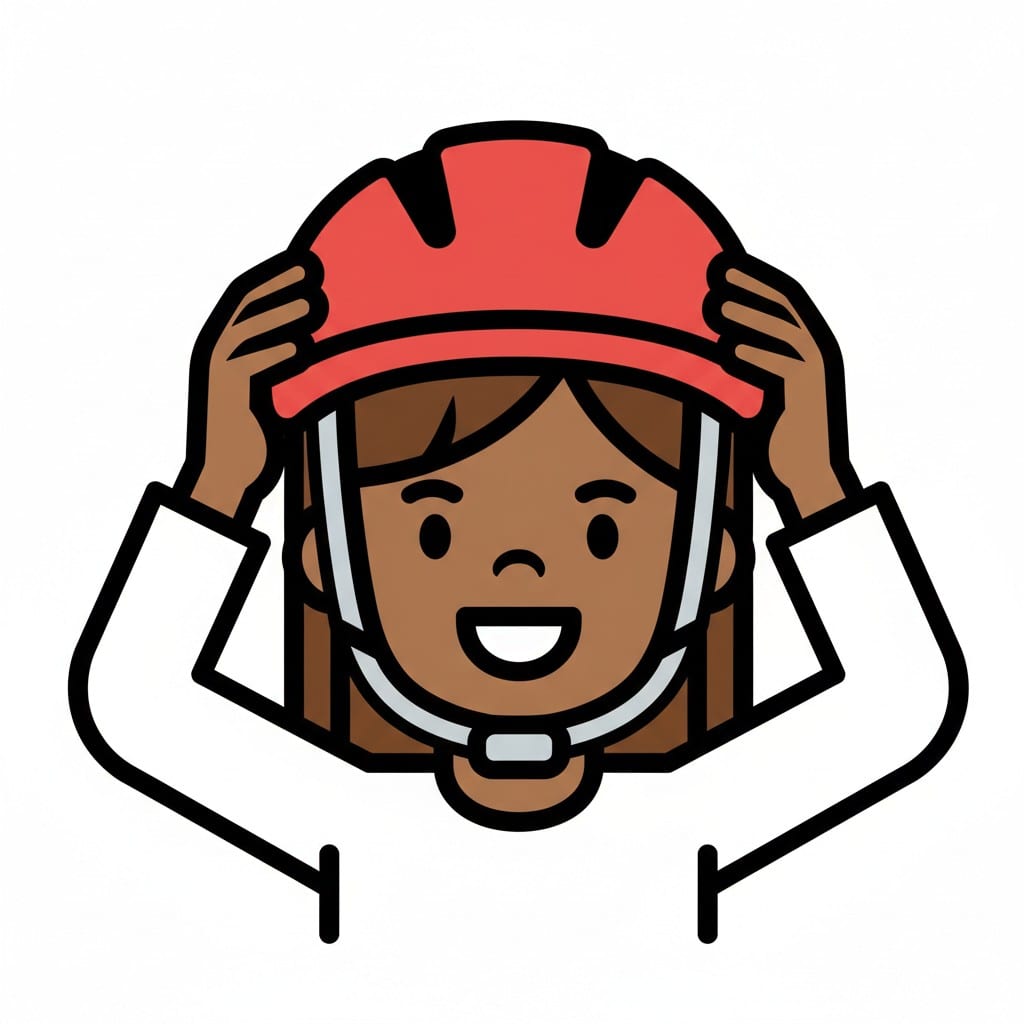 ♀
♀Putting on the bike helmet
A cheerful girl places a red bike helmet on her head with both hands while the chin strap is buckled.
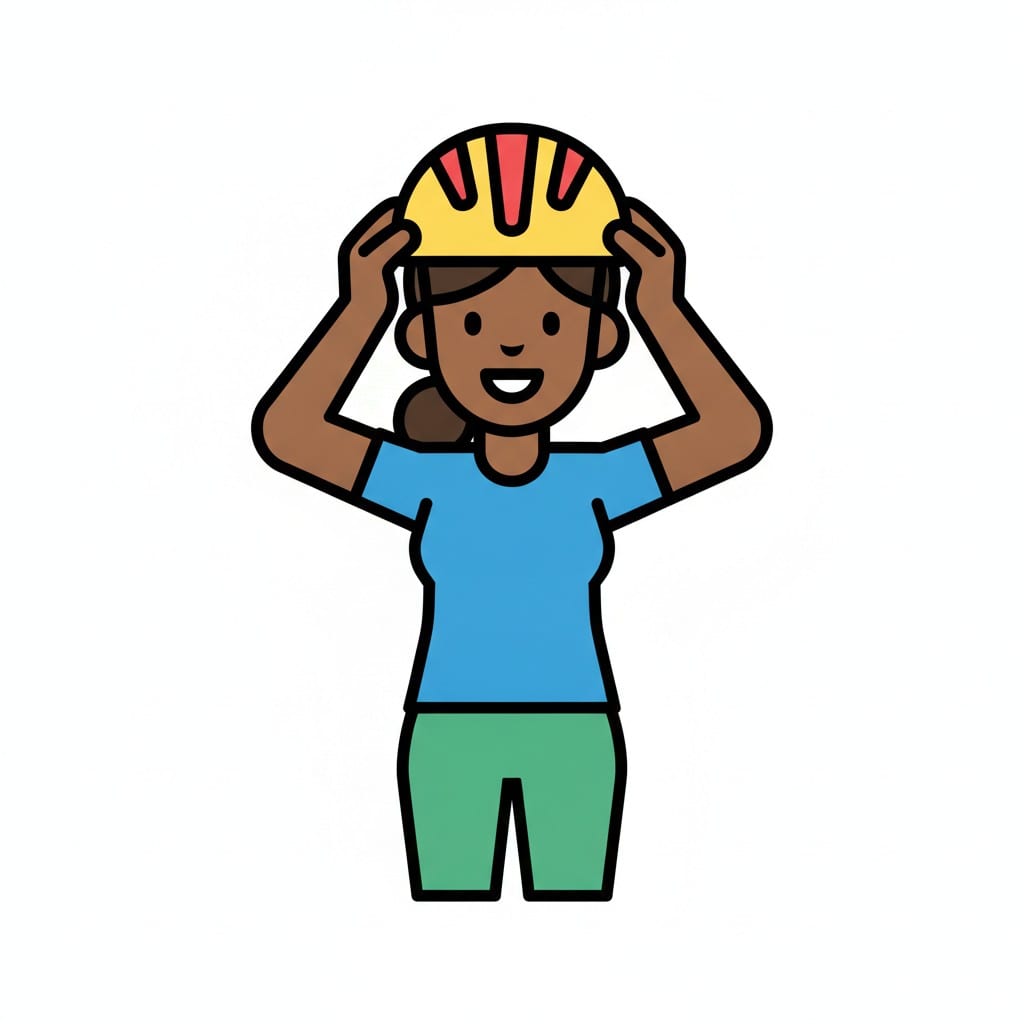 ♀
♀Put on helmet
A person puts a yellow and red bike helmet on their head.
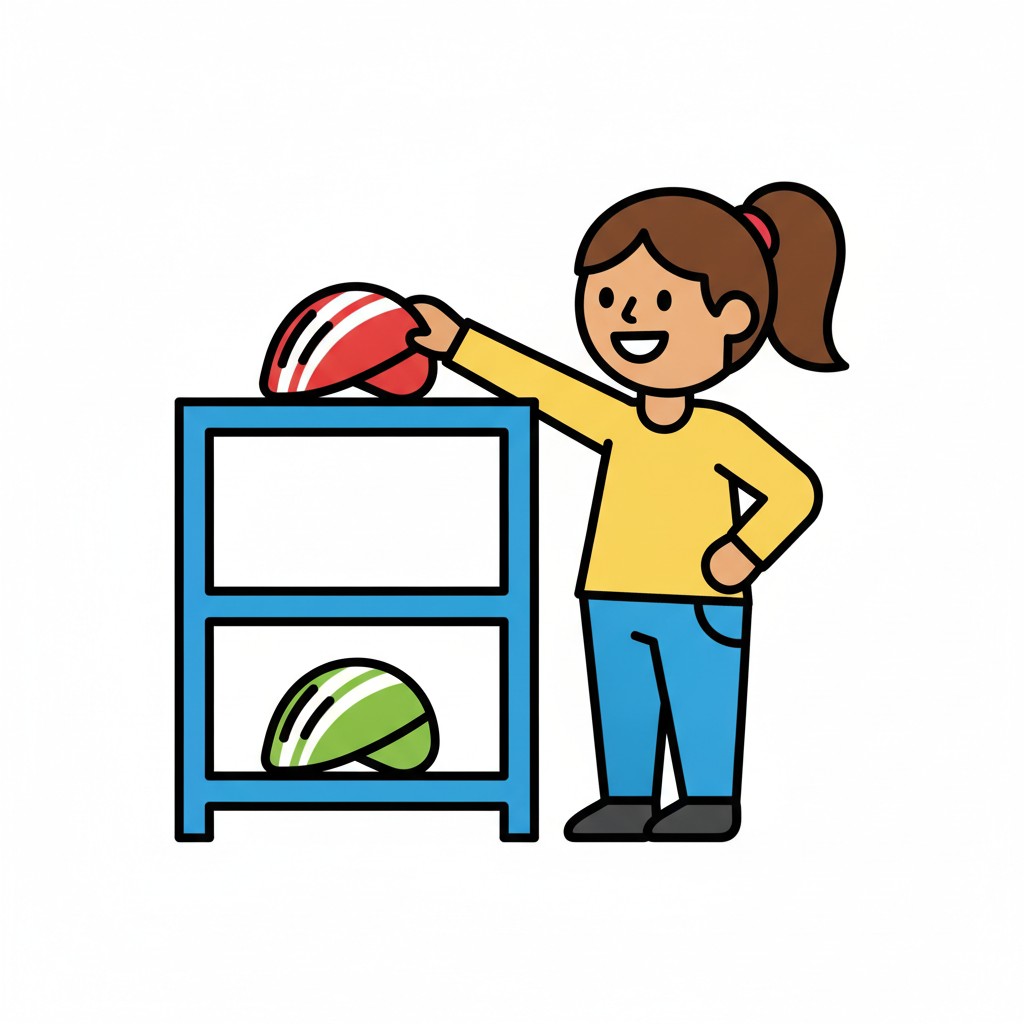 ♀
♀Putting away the helmet
A girl puts a bike helmet on a shelf.
About this visual support
Safety is not up for negotiation, but the body does not know that. It only feels the helmet pressing at the temples, the chin strap tickling under the jaw, and the hair growing warm. Trying to talk those sensations away is tiring in the long run – it is easier to acknowledge them and move on through a clear order.
That is why a visual support works so well for the helmet specifically: words do not have to be used in the heat of the moment. The child can follow the pictures from lifting the helmet straight over the head, adjusting the rear band, closing the buckle under the chin, to checking that two fingers fit between strap and skin. When each motion has its own picture, the whole thing stops being one big request and turns into a series of small actions.
An activity-specific tip: let the child close the buckle with thumb and index finger and listen for the click. The click becomes an audible marker that the helmet is set, and the finger stays out of the locking mechanism. If you want to tie the helmet, the bike and the destination together in one visual chain, Routined does that. It has a 14-day trial.
Use this image in a schedule
Build your own visual schedule with this image and download it as a print-ready PDF. Completely free.

More similar visual supports
Helmet
A smiling face wearing a yellow helmet.
Bike
A blue bicycle seen from the side with a red saddle, orange pedals and a bell on...
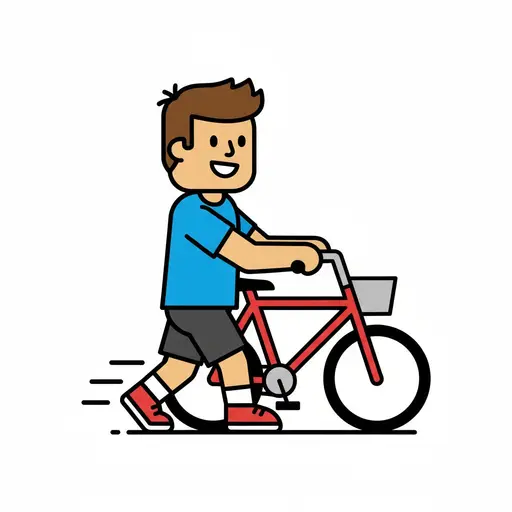
Walk the bike
A smiling boy in a blue t-shirt and black shorts walking beside a red bicycle wh...
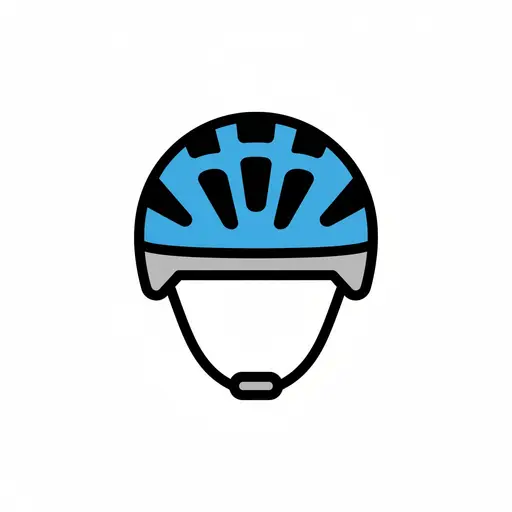
Bike helmet
A blue bicycle helmet viewed from the front, showing the vents and chin strap.
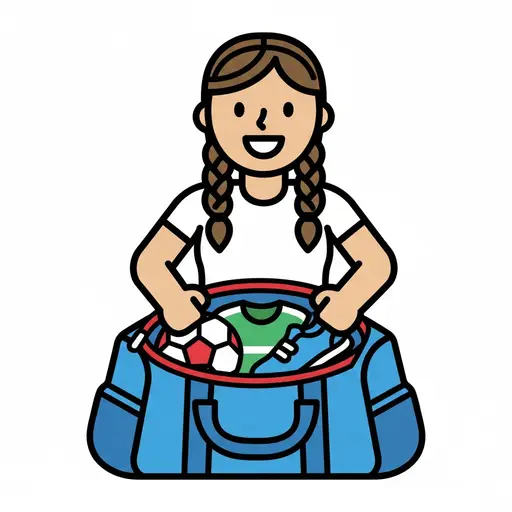
Pack for sports
A girl with braids holds open a blue sports bag packed with a football, a jersey...
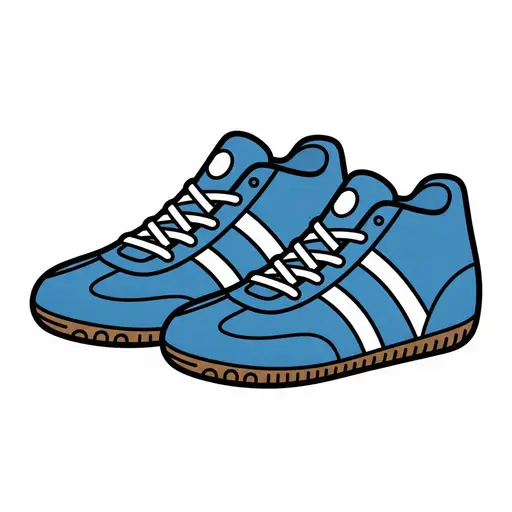
Wrestling shoes
Blue wrestling shoes with white stripes and laces, standing side by side.
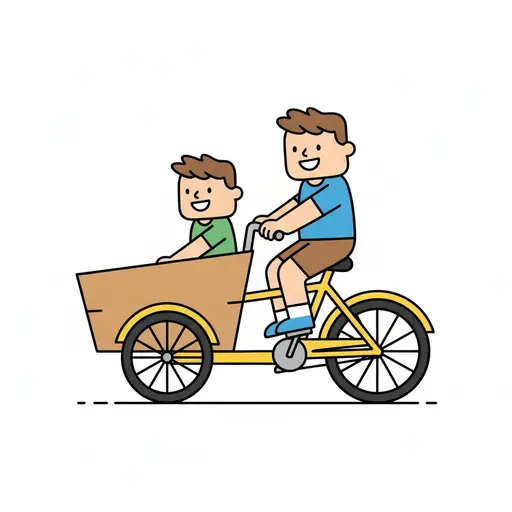
Cargo bike
A boy rides a cargo bike with a younger child in the box.
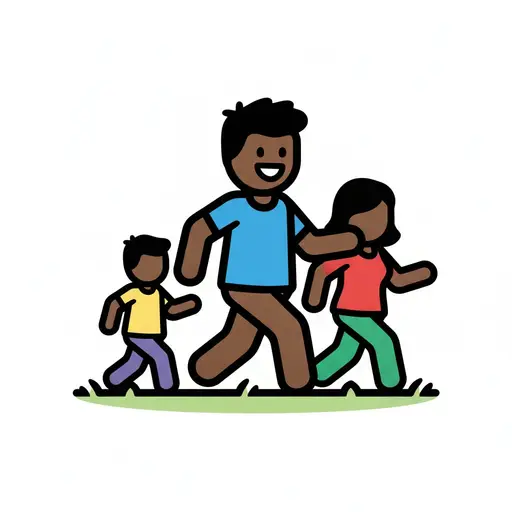
Family walk
An adult and two children walk together on the grass.
Take the visual supports with you
In Routined you build schedules from these pictures, add timers and voice instructions, and your child follows the day on their own.


* 14-day free trial, then $2.39 a month or $20.99 a year (US pricing). Cancel anytime.