Quiet time
Deliberately slowing down is hard when the brain is used to input. Silence can feel empty rather than nice, and rushing onward is easier than staying put. The pictures below give quiet time a visible shape your child can choose from.
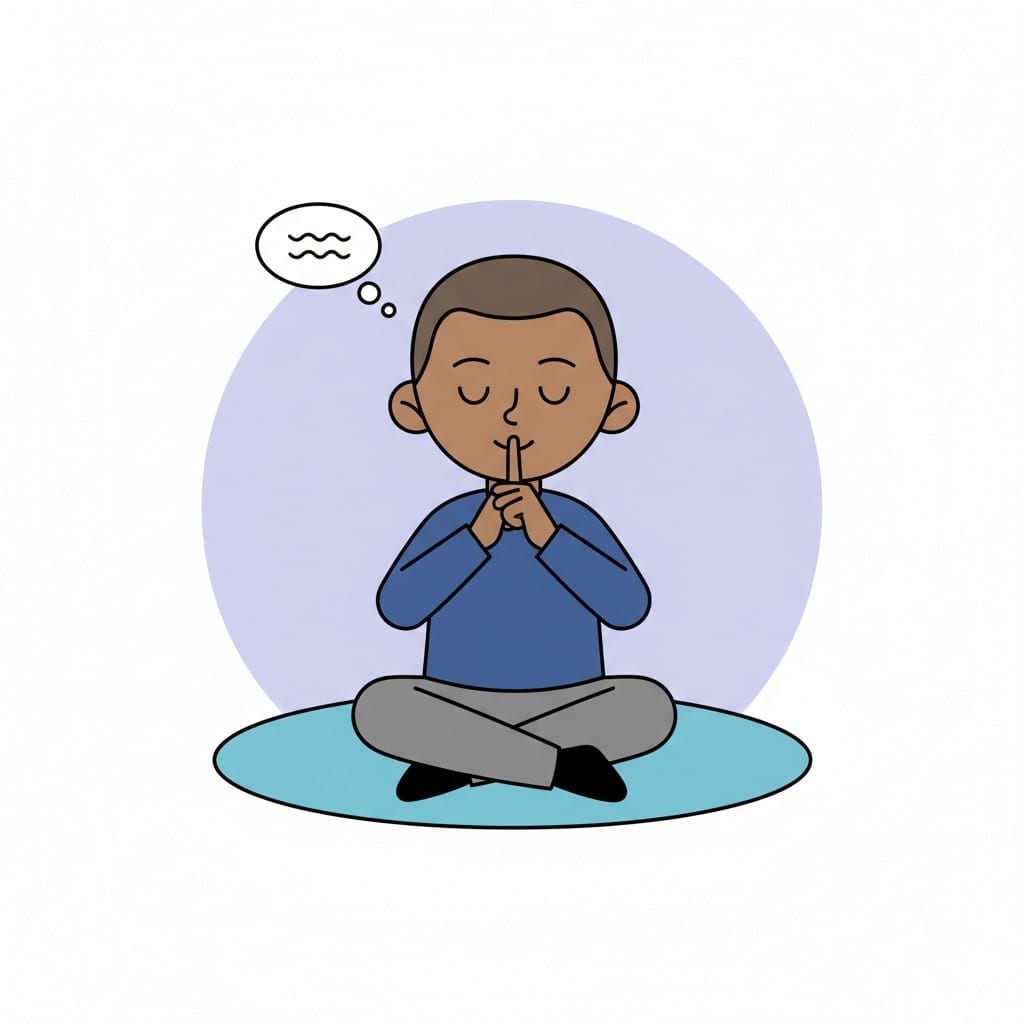 ♂
♂Quiet moment
A boy sitting quietly with a finger to his lips, with a thought bubble above his head.
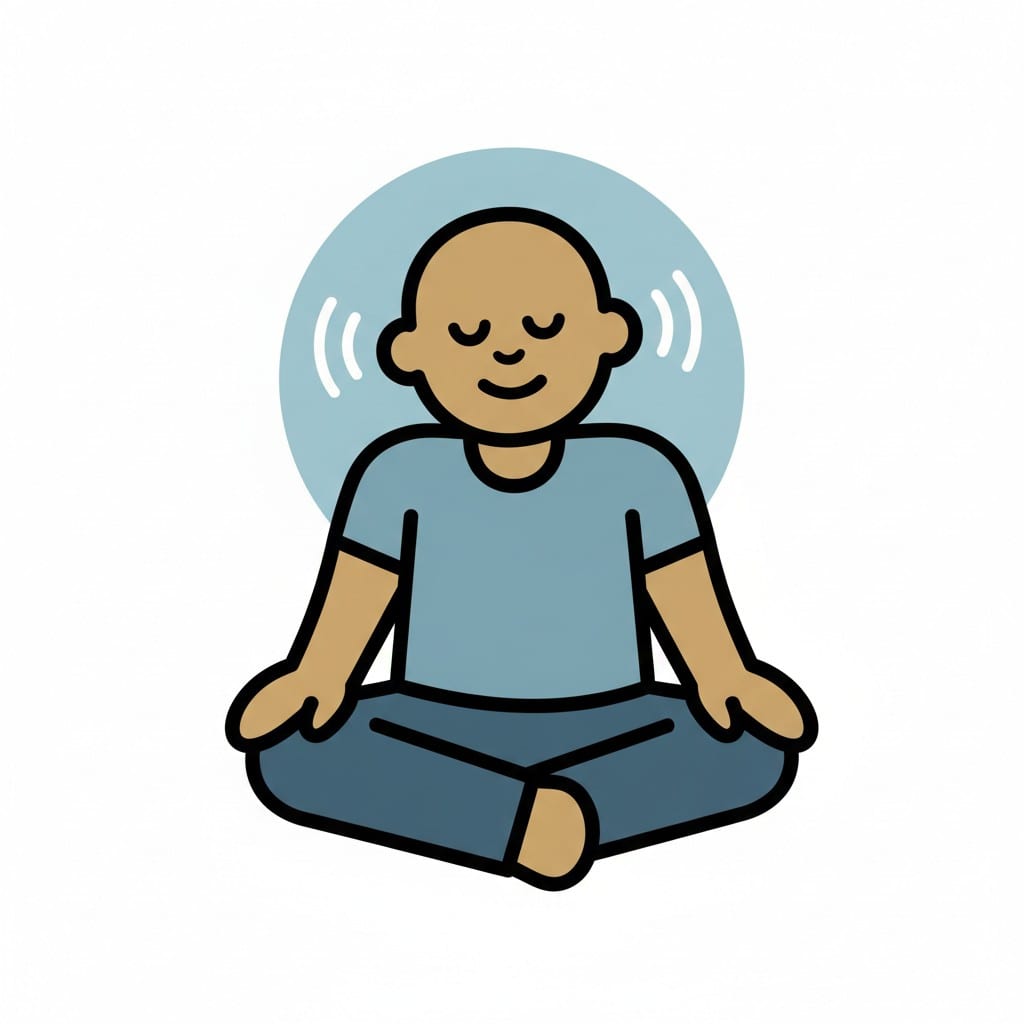 ♂
♂Meditate
A boy sitting cross-legged with eyes closed, appearing calm and focused.
 ♂
♂Quiet time
A boy sits cross-legged, holding an open book and putting a finger to his lips to indicate quiet. A thought bubble above his head contains a moon and a star.
About this visual support
The empty space that opens when screens, sound and pace disappear is not automatically pleasant. For children with a high inner tempo, silence becomes an uncomfortable surface, and the body immediately starts looking for the next bit of stimulation. Then quiet time becomes something to escape from rather than a pause.
Visual support solves that by showing quiet time has content: leafing through a book, drawing calmly, lying on the rug, stroking the cat, looking out of the window. Your child gets to choose, which makes the break their own instead of something imposed. A concrete tip: agree in advance how long the moment will last, ideally with a visible timer, so the body knows tempo will return soon and the brain dares to let go in the meantime.
Once you have found a form that works, you can add it to Routined and try the app for fourteen days at no cost.
This image is part of these ready-made schedules
Use this image in a schedule
Build your own visual schedule with this image and download it as a print-ready PDF. Completely free.
More similar visual supports

Read and relax
A boy sits relaxed in an armchair reading, with a blanket and a cup of tea nearb...

Day off
A person lounges on a blue sofa with feet up, pointing a remote at a TV, a drink...
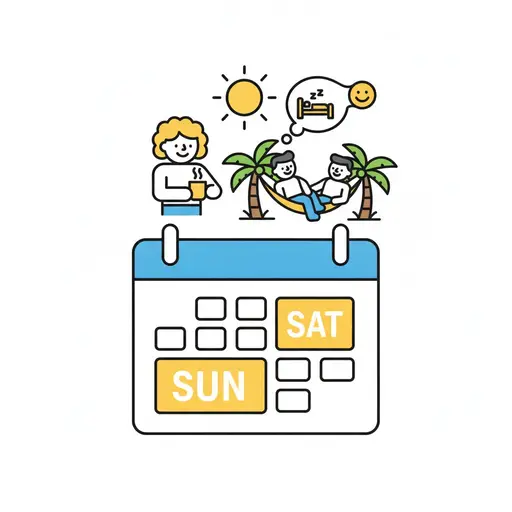
Weekend
Saturday and Sunday are highlighted on a calendar while people rest in a hammock...

Meditation
A person with braids sits in a lotus position on a pink lotus flower with closed...
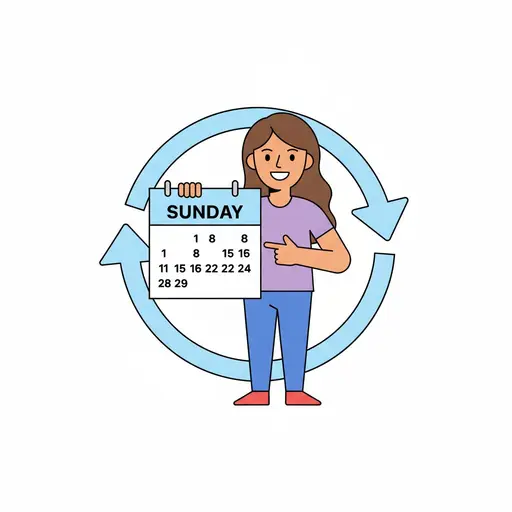
Sunday
A woman points at a Sunday calendar inside a circle of arrows.

Books
A stack of three books in red, blue, and yellow.
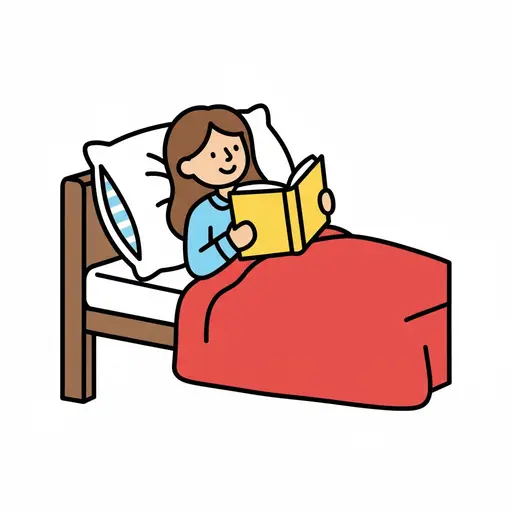
Read a book in bed
A person is sitting in bed with a pillow behind them, reading a book.

Home today
A girl sits in an armchair reading a book at home while the sun shines
This visual support in other languages
Take the visual supports with you
In Routined you build schedules from these pictures, add timers and voice instructions, and your child follows the day on their own.


* 14-day free trial, then $2.39 a month or $20.99 a year (US pricing). Cancel anytime.