Read
Starting to read means choosing a book, settling down, and staying with the text, three different decisions that can all stall. The visual support below carries the start, so the reading itself can stay simple.
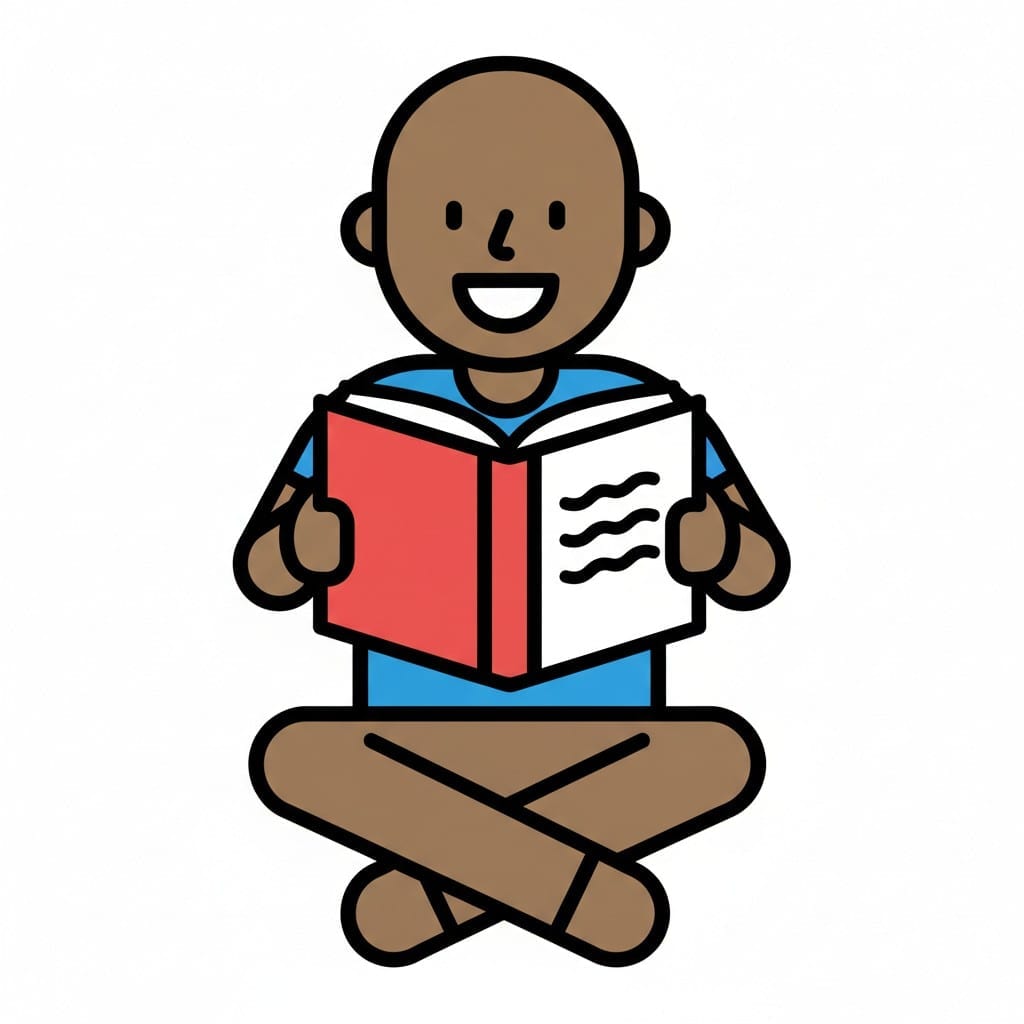 ♂
♂Read book
A happy boy reads a red book.
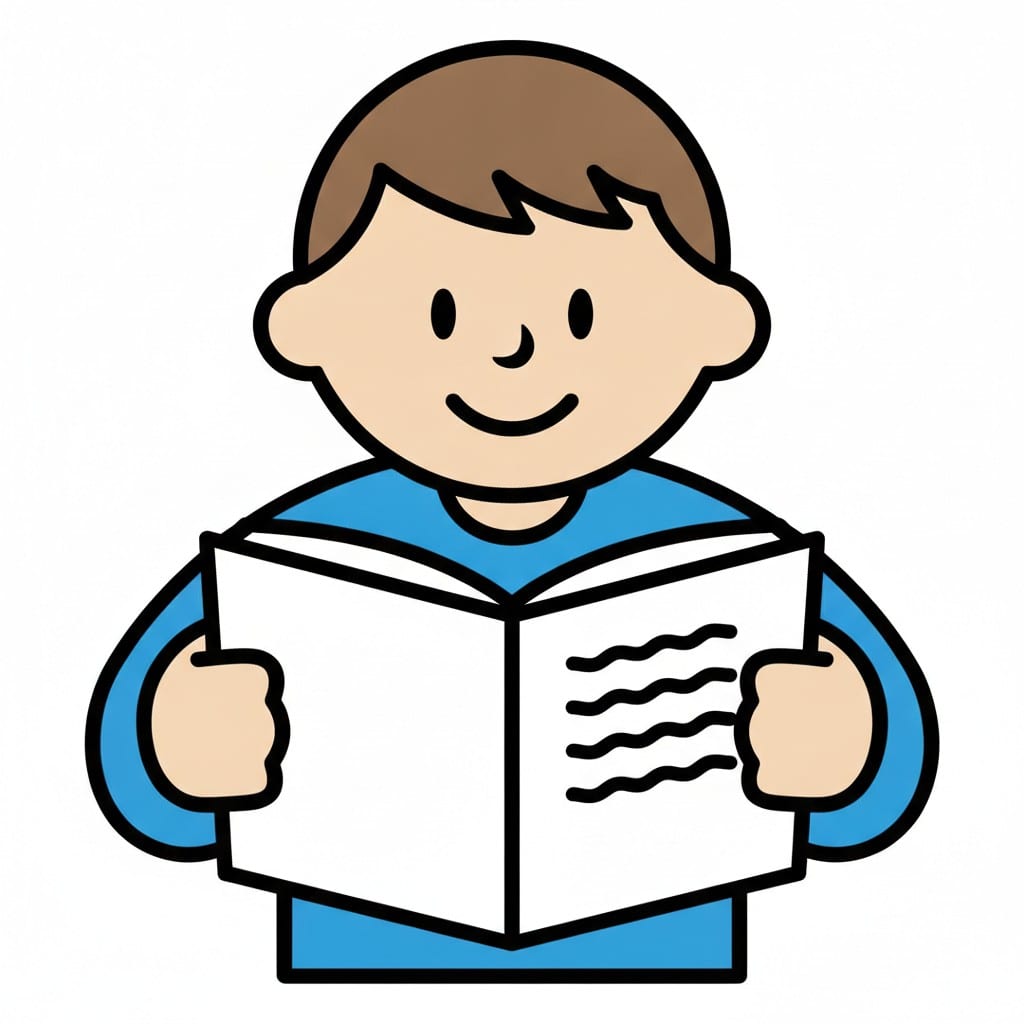 ♂
♂Hold an open book
A boy in a blue top holds up an open book and smiles.
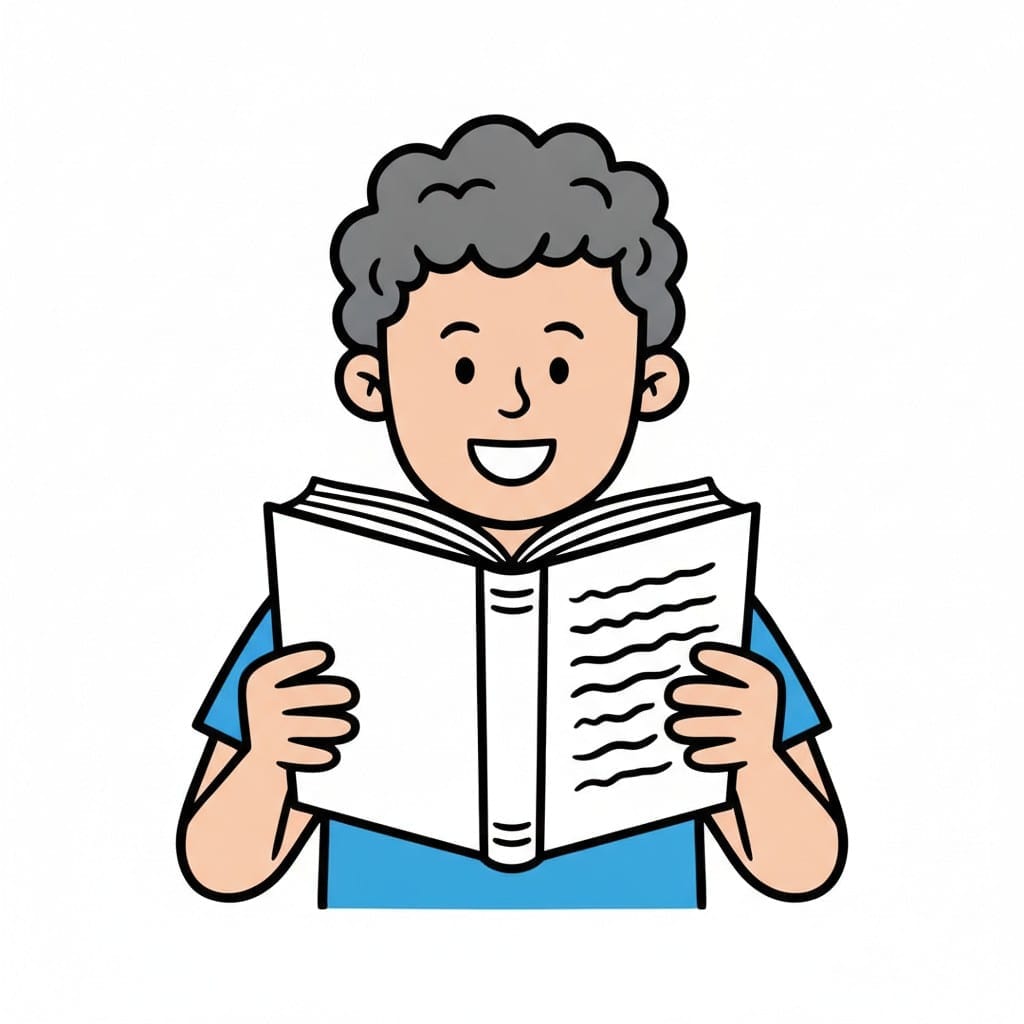 ♂
♂Read and laugh
A boy with curly hair in a blue t-shirt holds an open book full of written lines and laughs.
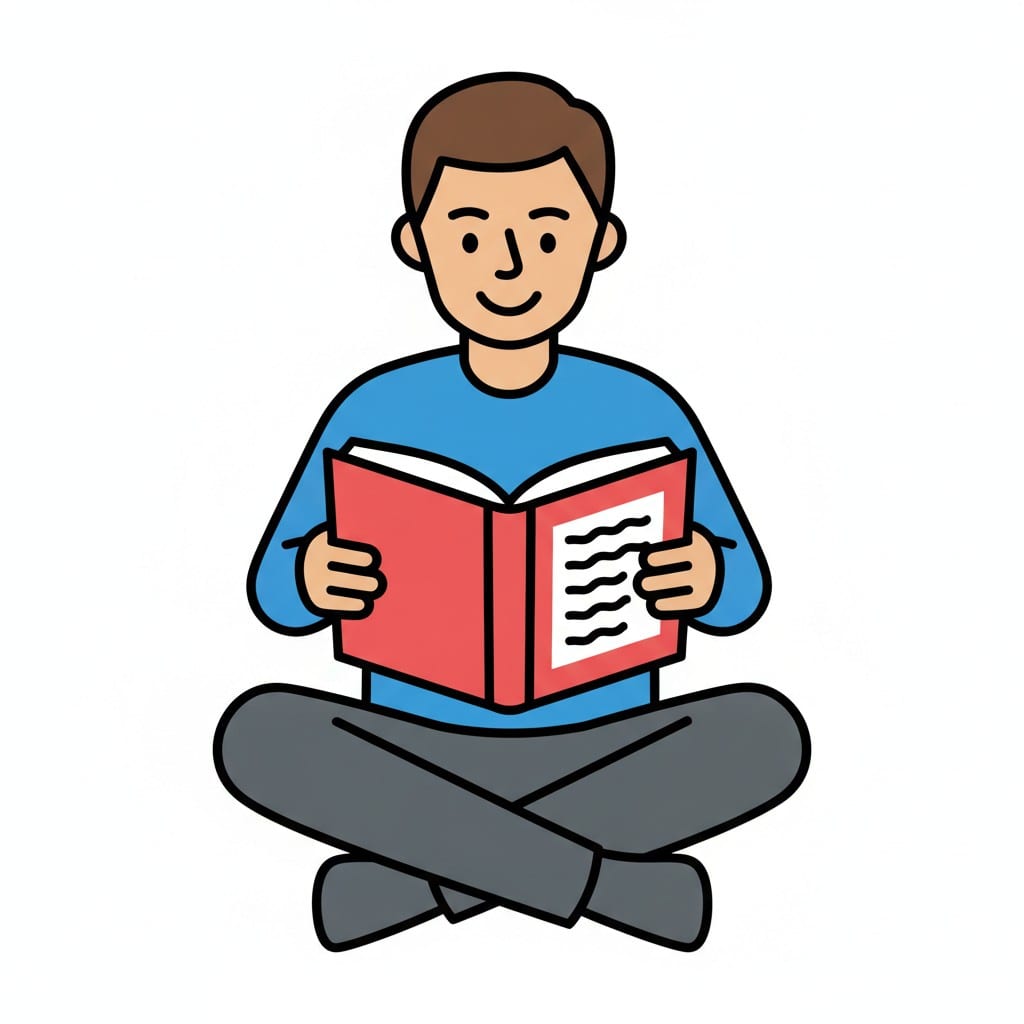 ♂
♂Person sitting and reading a red book
A smiling person sits cross-legged holding an open red book with both hands.
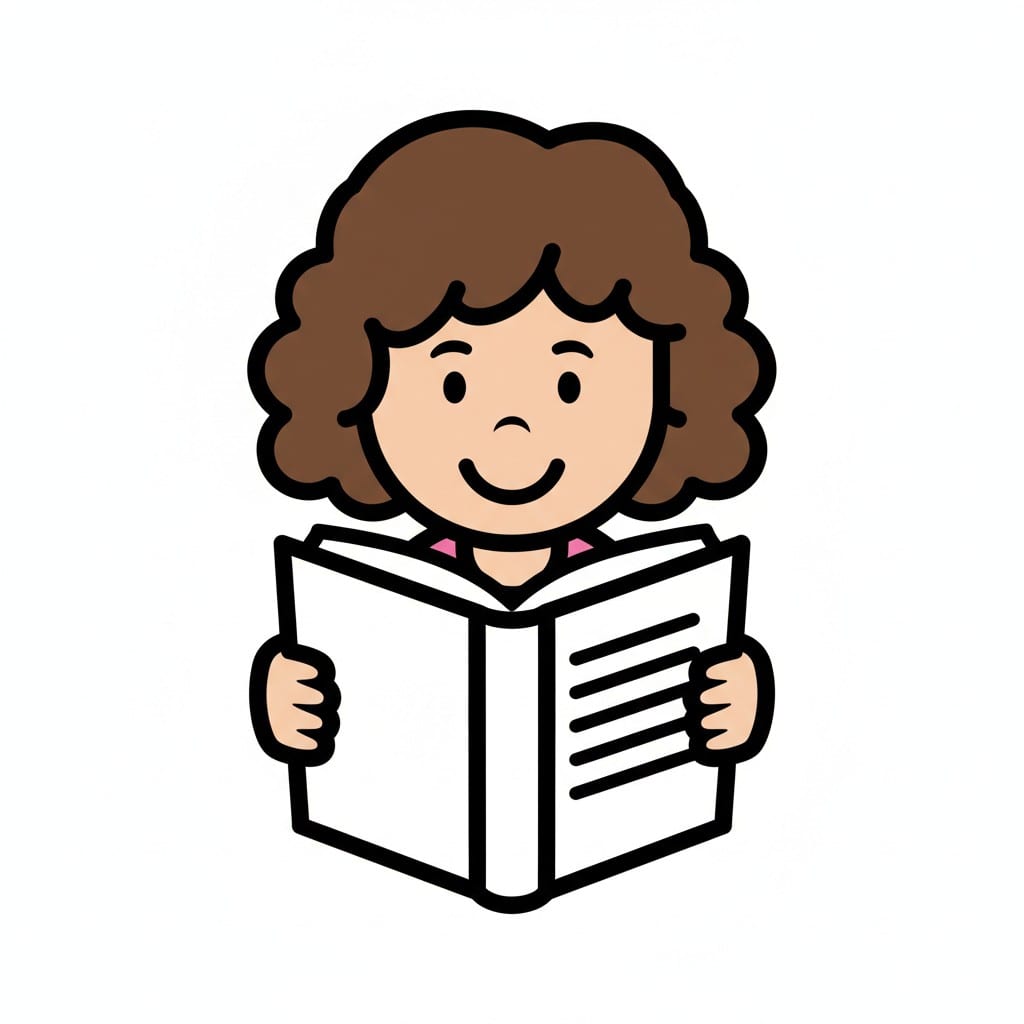 ♀
♀Girl reading a book
A girl with curly hair holds an open book in front of her and smiles.
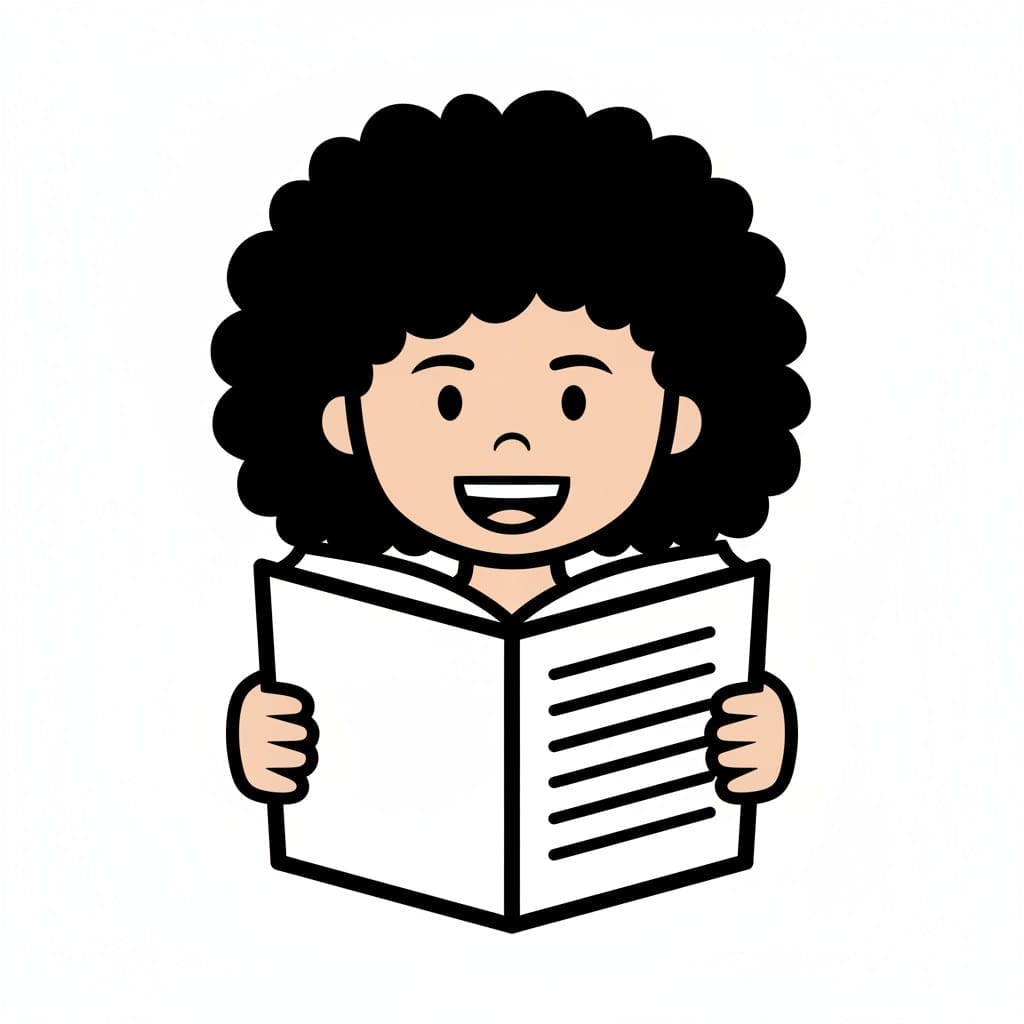 ♀
♀Laughing at the book
A girl with big curly hair laughs from behind an open book filled with lines of text.
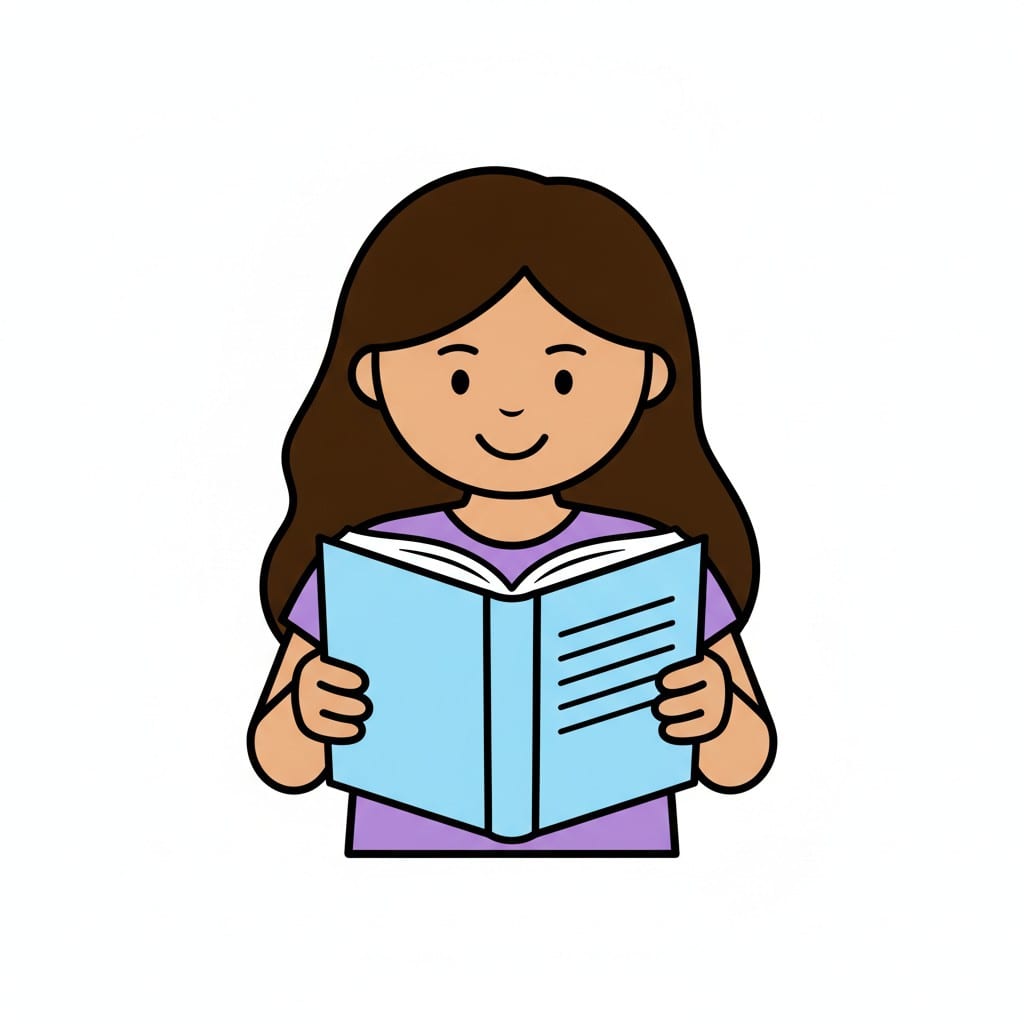 ♀
♀Reading a blue book
A girl with long hair and a purple t-shirt holds an open light blue book.
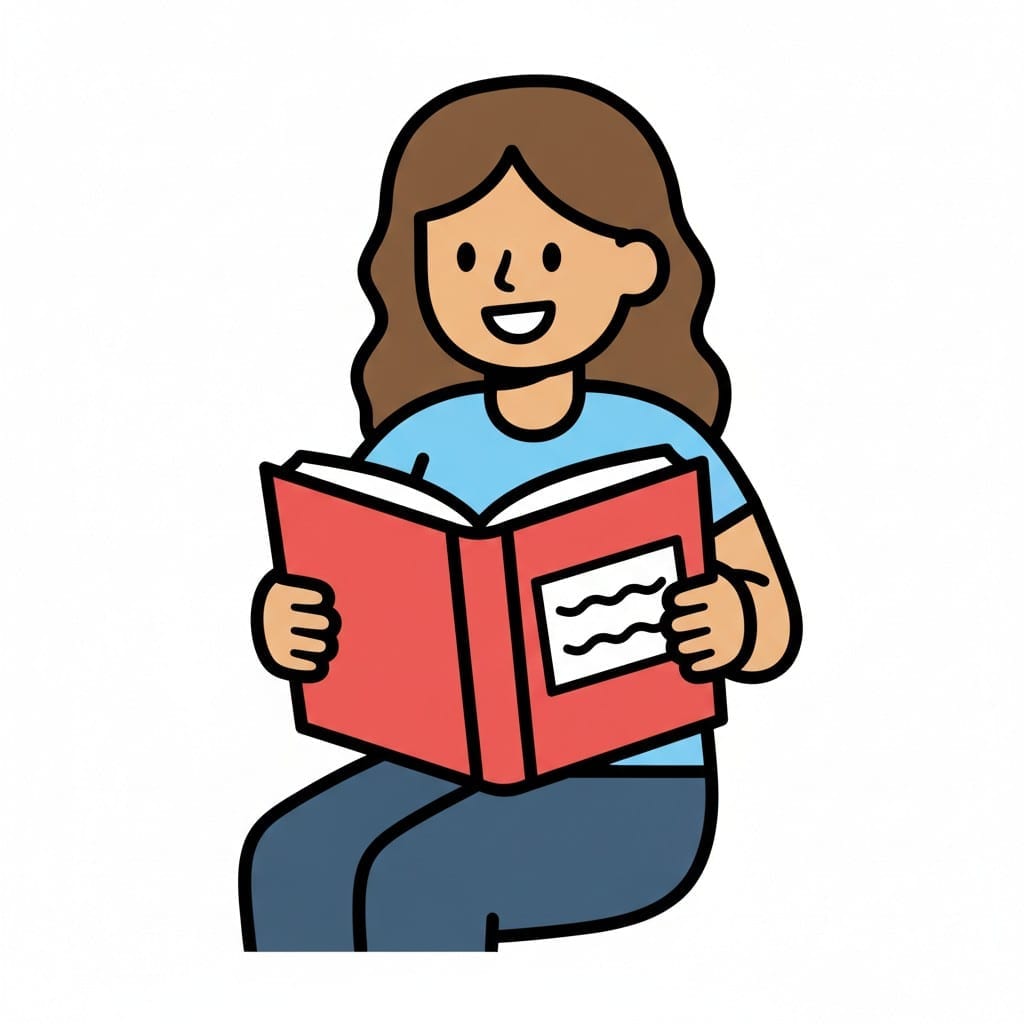 ♀
♀Person reading a red book
A laughing person with long hair sits holding up an open red book.
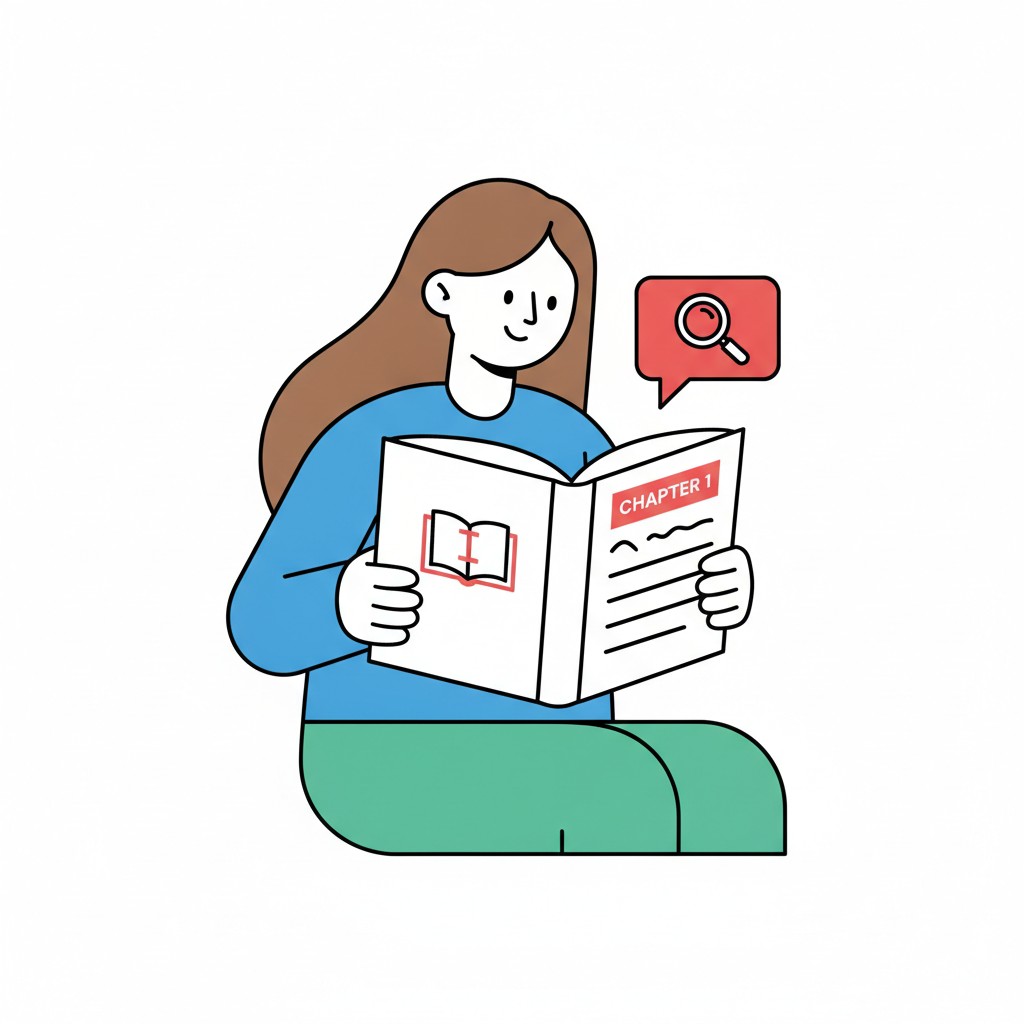 ♀
♀Reading a chapter
A woman reads the first chapter of a book.
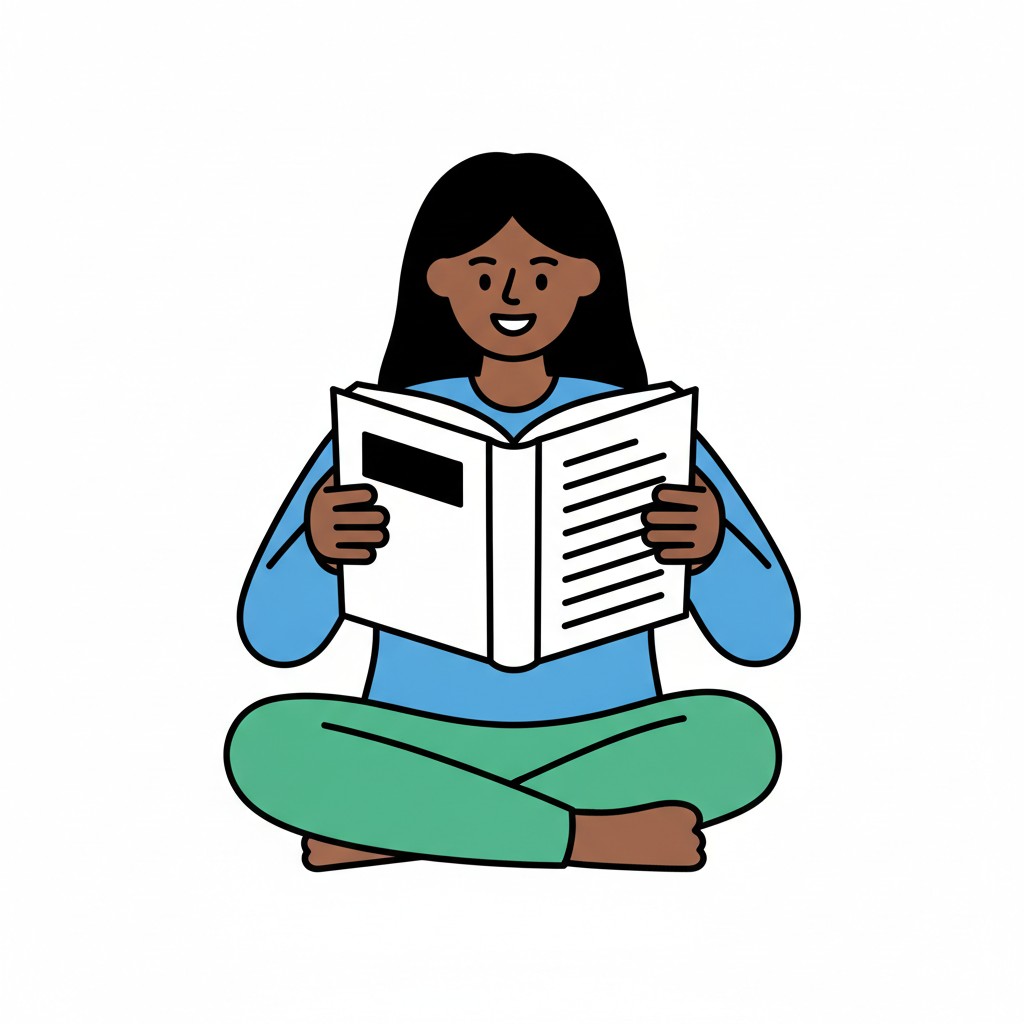 ♀
♀Reading
A girl sits cross-legged reading a large book.
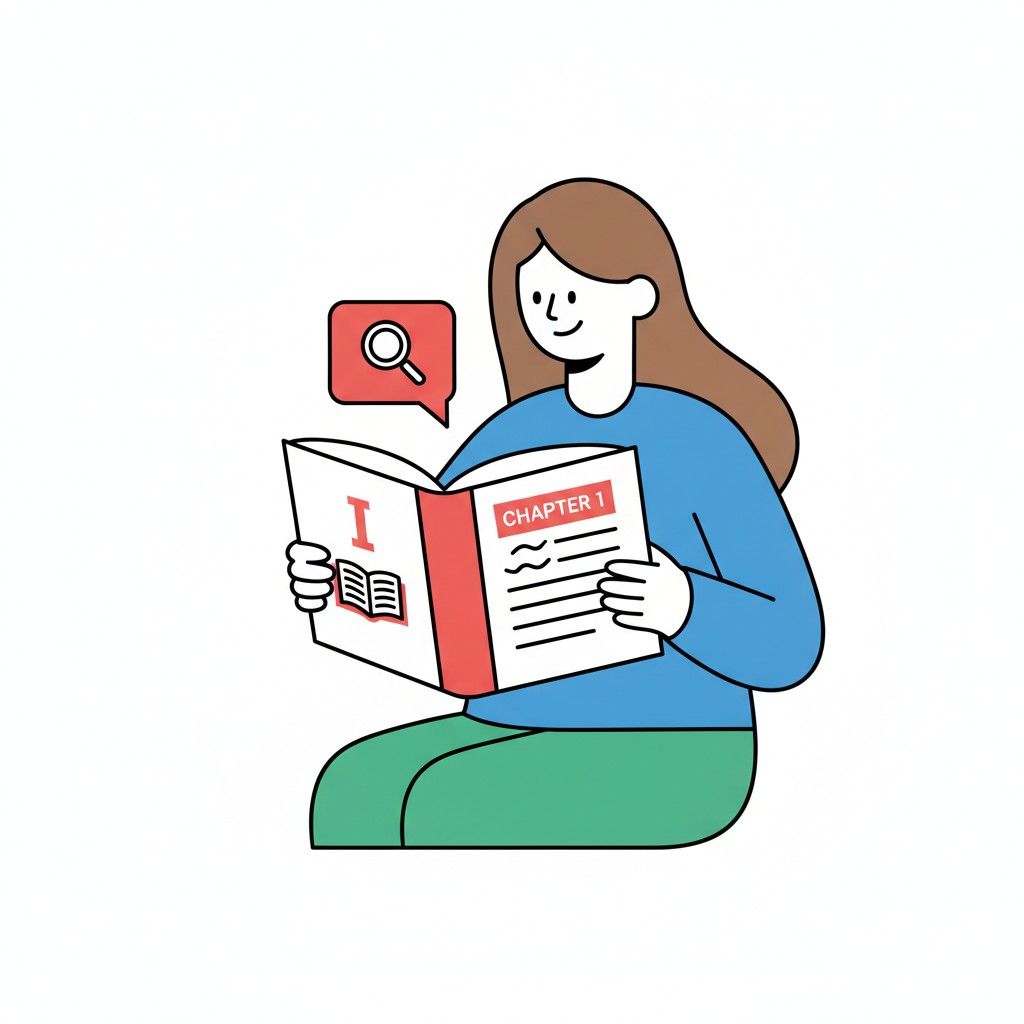 ♀
♀Reading in a book
A woman reads a chapter with a search icon in a speech bubble.
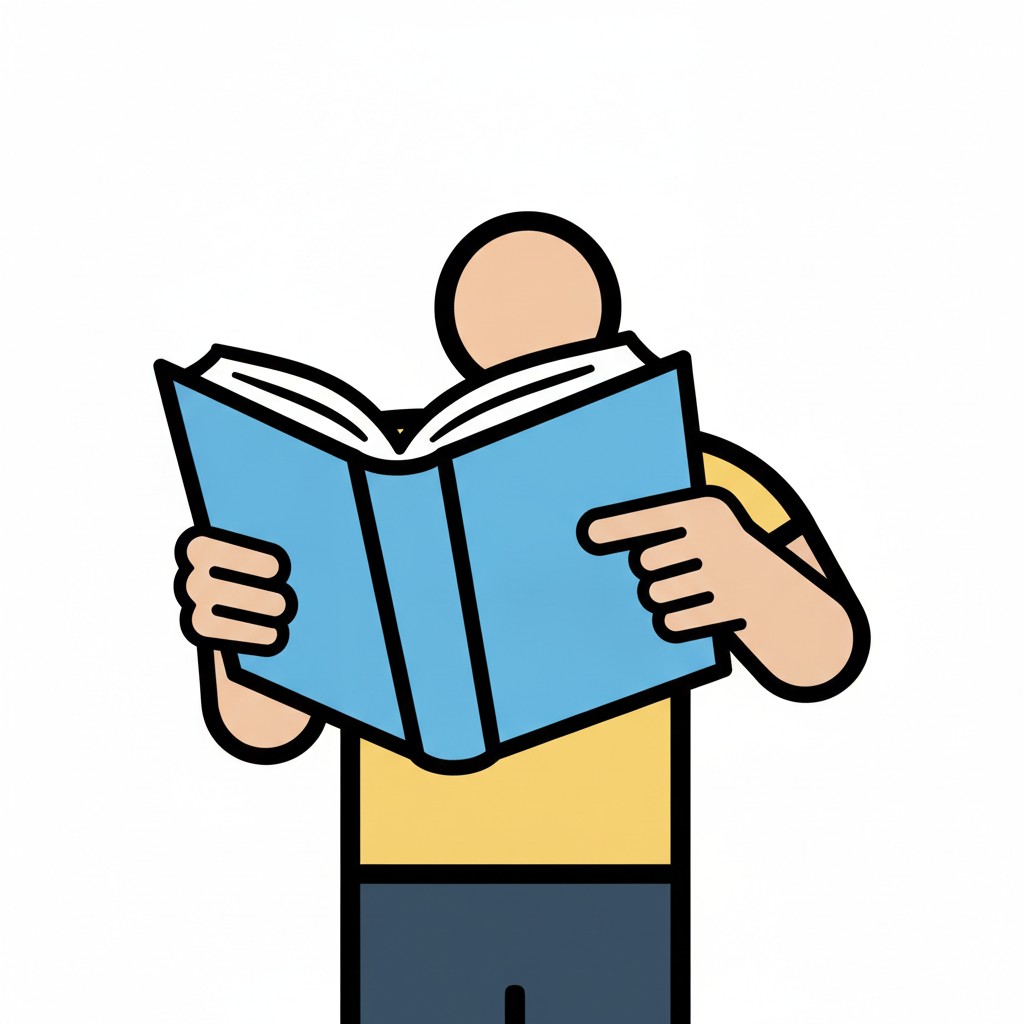 ⚲
⚲Read the book
A person holds an open book up in front of them and reads.
About this visual support
This is not about a child not wanting to read. It is about three steps lying between the thought read for a bit and actually sitting with an open book: choosing which one, finding where, and letting the eyes stay there. Each tiny jump costs energy, and if something stalls, it is not the text but the road to it that became too long.
Visual support gives that road some edges. When the child sees the picture of pulling a book from the shelf, settling into the chair, and opening the first page, the task becomes an action they can do instead of a vague wish. It works equally well for the child who loves to read but struggles to start, and for the one who finds reading hard and needs a quiet structure around it.
One tip: put a bookmark on the page you will start before the child sits down. That way the opening is not searching for where you left off, and the first sentence arrives quickly. If you want to follow the reading habit over time with visuals and gentle reminders, you can try Routined for fourteen days.
Use this image in a schedule
Build your own visual schedule with this image and download it as a print-ready PDF. Completely free.

More similar visual supports

Book
An open book with a blue cover and white pages filled with lines of text.
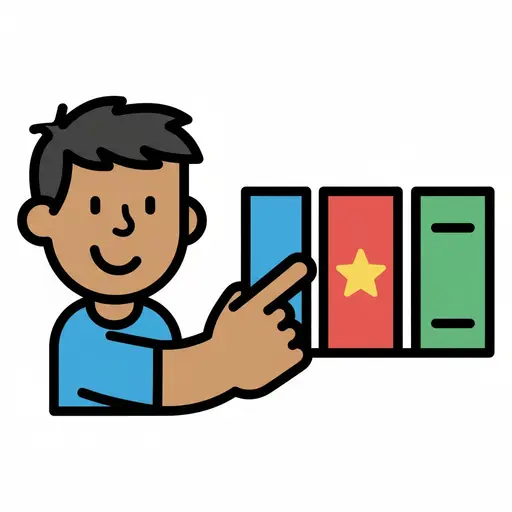
Choose book
A happy boy points to a book in a row of books.
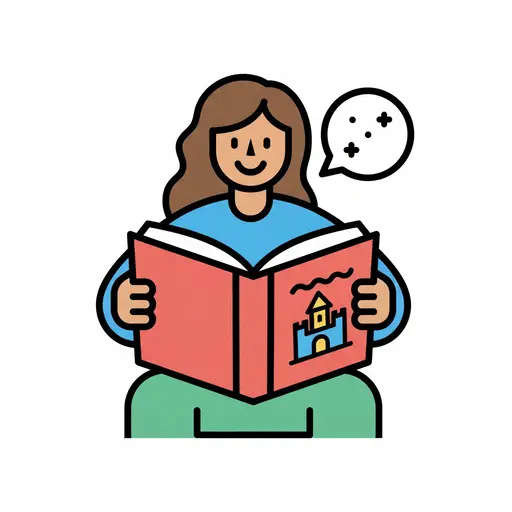
Read story
A girl in a blue shirt reads a red book with a castle on the page, and a thought...
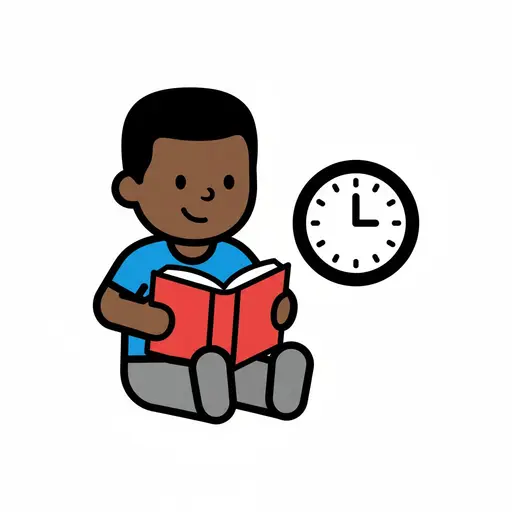
Book time
A boy sits holding a red book, with a clock next to him showing the time as quar...
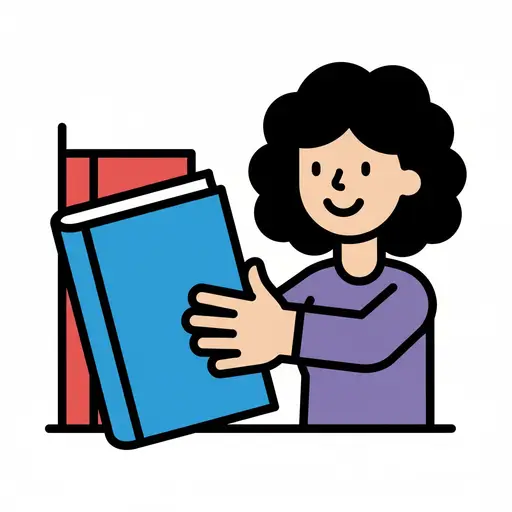
Get a book
A person is selecting a blue book from a stack of books.
Mom reads
A mother smiles while holding an open red book.
Play story
An illustration of a girl holding an open book, with musical notes and a speaker...
Read a book
A girl reads a book.
Take the visual supports with you
In Routined you build schedules from these pictures, add timers and voice instructions, and your child follows the day on their own.


* 14-day free trial, then $2.39 a month or $20.99 a year (US pricing). Cancel anytime.