Read aloud
Reading aloud is more than reading; it is eyes on you, breath you have to manage, and the fear of stumbling mid-sentence. The visual support below keeps focus on the action itself, giving the body something concrete to lean on.
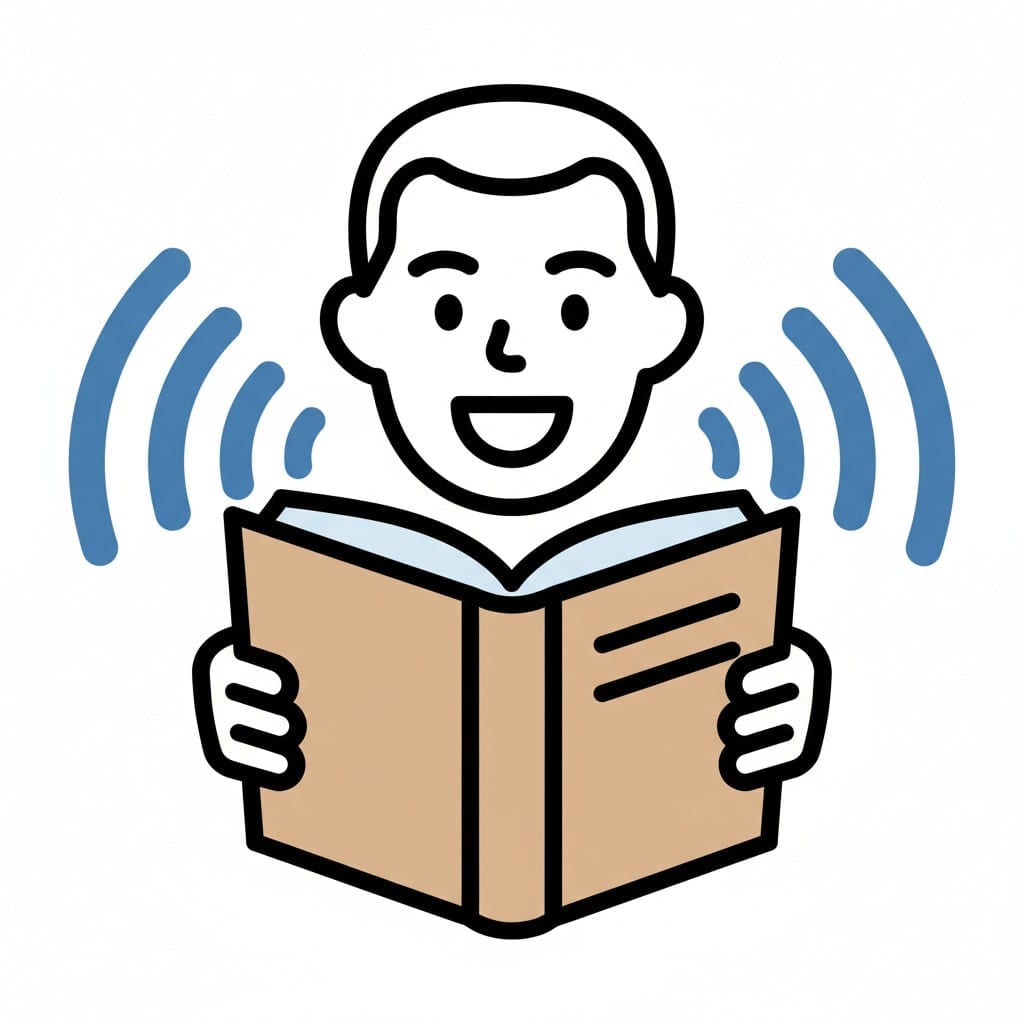 ♂
♂Read aloud
An illustration of a person reading a book aloud, with sound waves indicating speech.
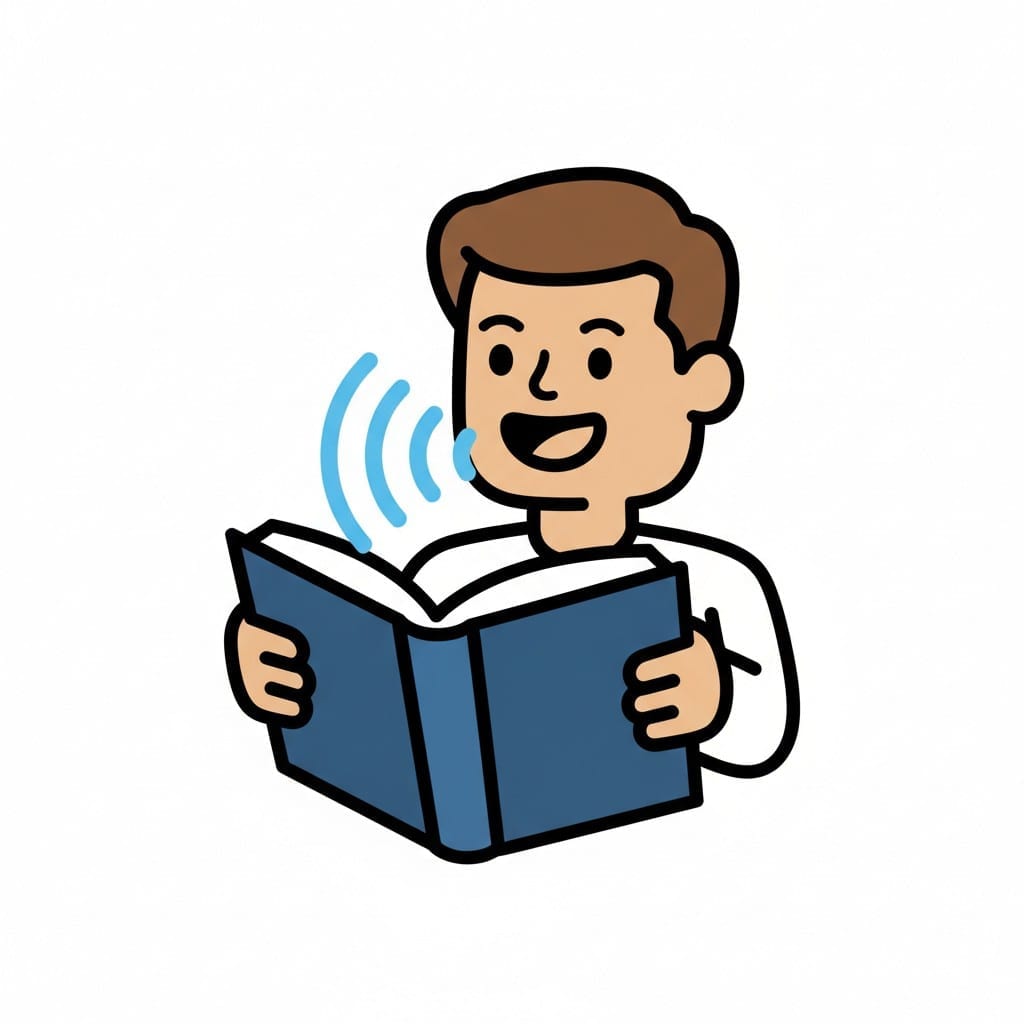 ♂
♂Read aloud
A cartoon illustration of a boy reading aloud from a blue book, with sound waves emanating from his mouth.
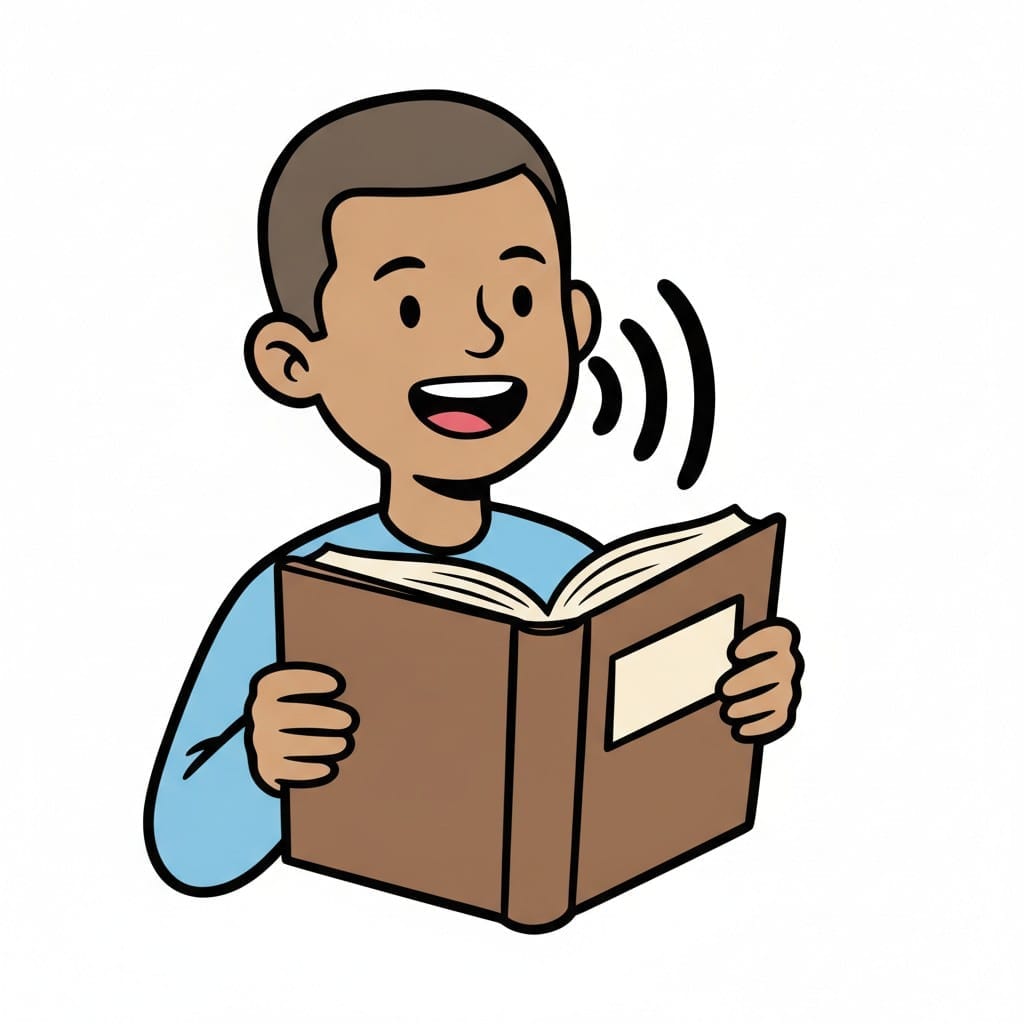 ♂
♂Boy reading aloud from brown book
A smiling boy in a blue shirt holds up a brown book and reads aloud, with sound waves drawn beside his mouth.
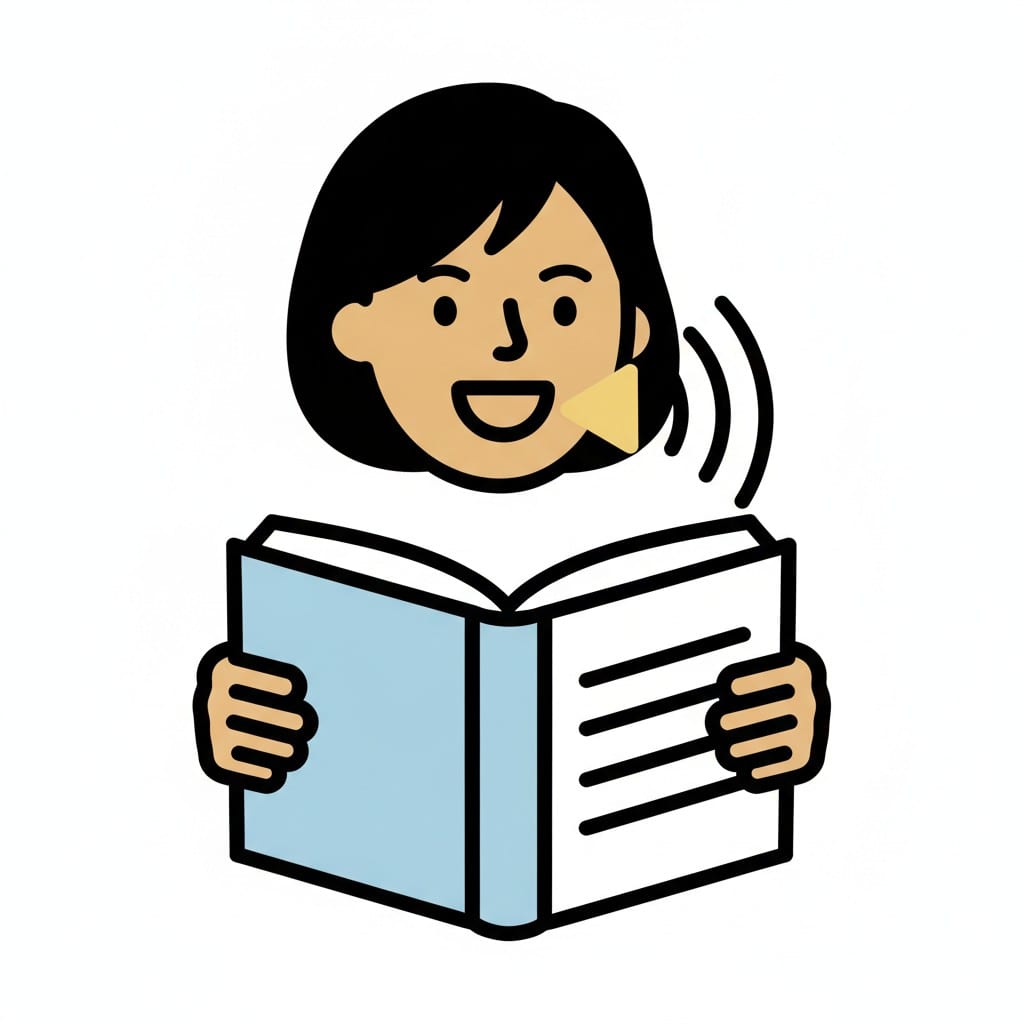 ♀
♀Girl reading aloud from open book
A girl with dark hair holds an open blue book in front of her and reads aloud, with a speaker symbol and sound waves at her mouth.
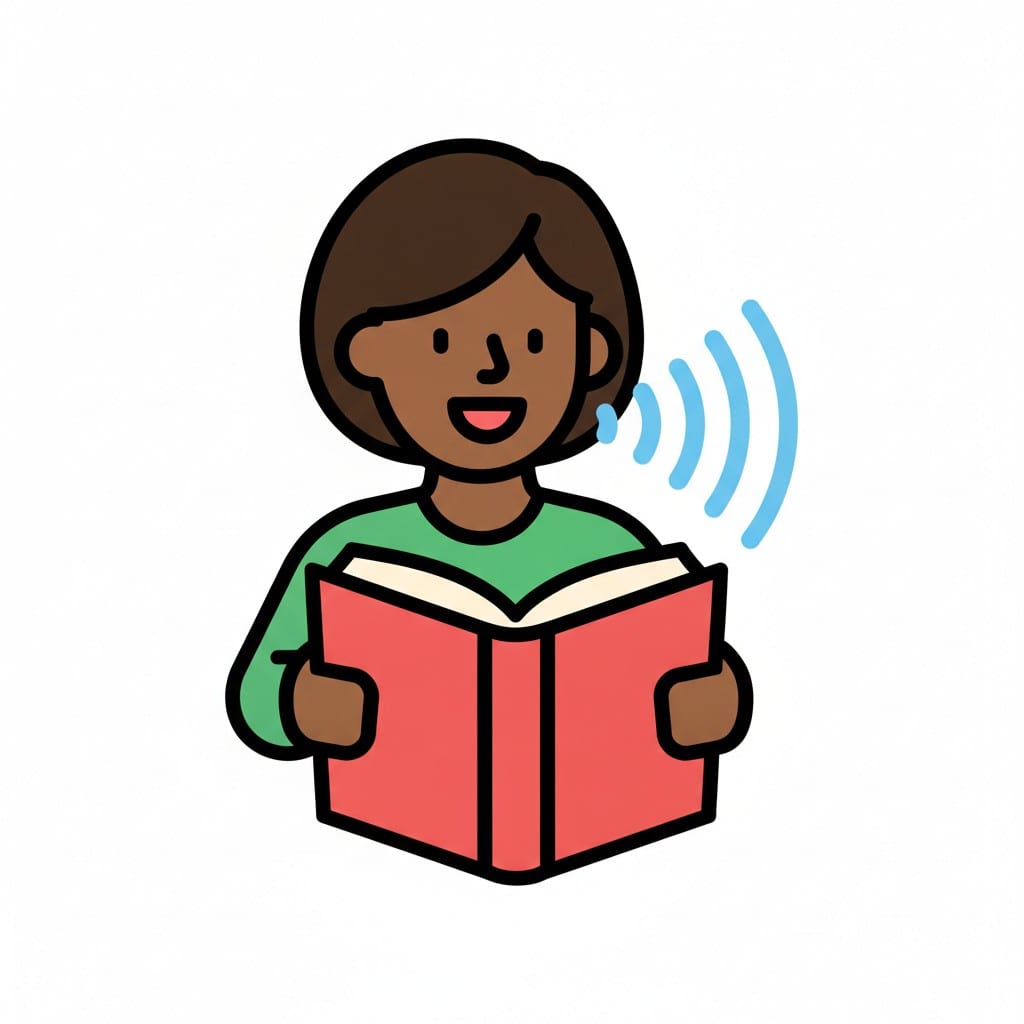 ♀
♀Girl in green top reading aloud
A smiling girl in a green top holds an open red book and reads aloud, with blue sound waves spreading out to the side.
About this visual support
When the words have to leave the mouth in a room with other people, suddenly everything is visible. Not only that you are reading, but how it sounds, whether you trip up, whether the voice shakes a little on the long sentence. For many children this is a racing heart they cannot quite name.
Visual support moves the focus away from the audience and toward the task itself: breathe, find your finger on the line, read a passage, then look up. When the moments are visible as steps, they become easier to handle one at a time, and the demand stops floating. The child knows what the next small action is, even when their stomach is in a knot.
One tip: let the child mark natural pauses with a pencil dot before they begin reading, so there are planned breathing stops that do not betray the need for them. To gather reading practice, breathing visuals and a timer in one place, Routined can be tried for fourteen days.
Use this image in a schedule
Build your own visual schedule with this image and download it as a print-ready PDF. Completely free.

More similar visual supports
Choose book
A happy boy points to a book in a row of books.
Mom reads
A mother smiles while holding an open red book.
Play story
An illustration of a girl holding an open book, with musical notes and a speaker...
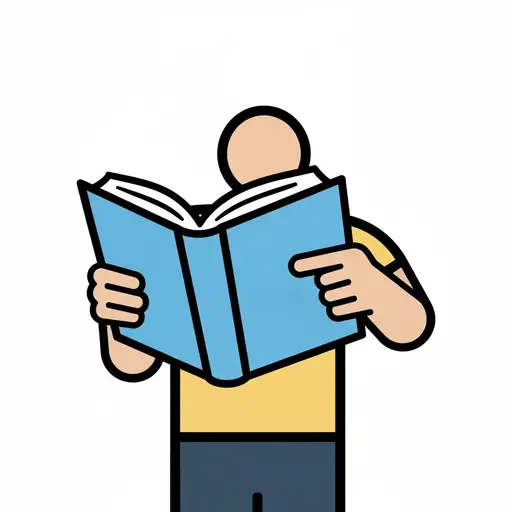
Read
A person holds an open book up in front of them and reads.
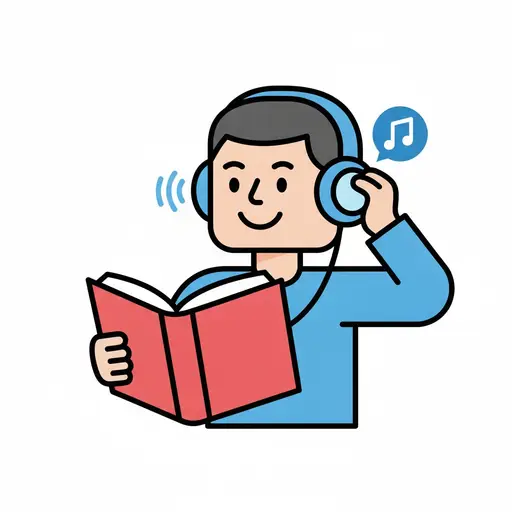
Read a book and listen to a story
A boy wearing blue headphones holds an open book and listens to a story at the s...
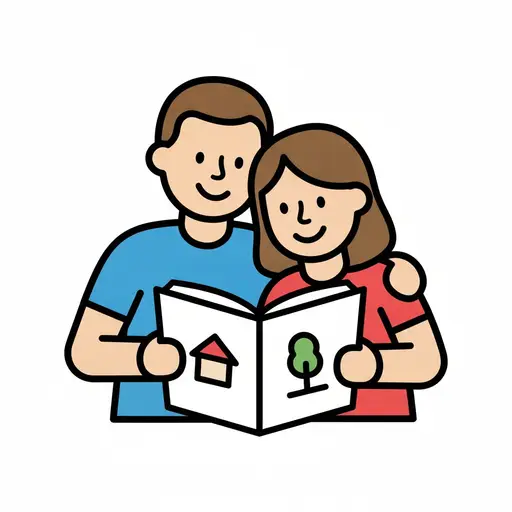
Read a book with mom
A child and mom look at an open picture book together.
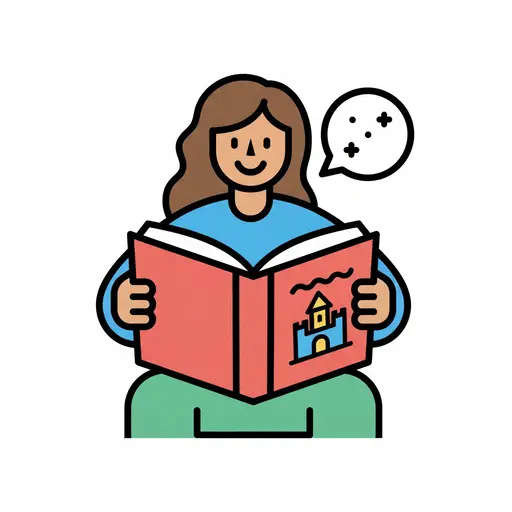
Read story
A girl in a blue shirt reads a red book with a castle on the page, and a thought...
Story
A smiling girl with braids sits cross-legged holding an open red book, with a cl...
Take the visual supports with you
In Routined you build schedules from these pictures, add timers and voice instructions, and your child follows the day on their own.


* 14-day free trial, then $2.39 a month or $20.99 a year (US pricing). Cancel anytime.