Receive a gift
Inside the package is something the child cannot see yet, and outside it is someone waiting for a smile. That double expectation is hard even for adults. The steps below help the child handle the surprise and say thank you at their own pace.
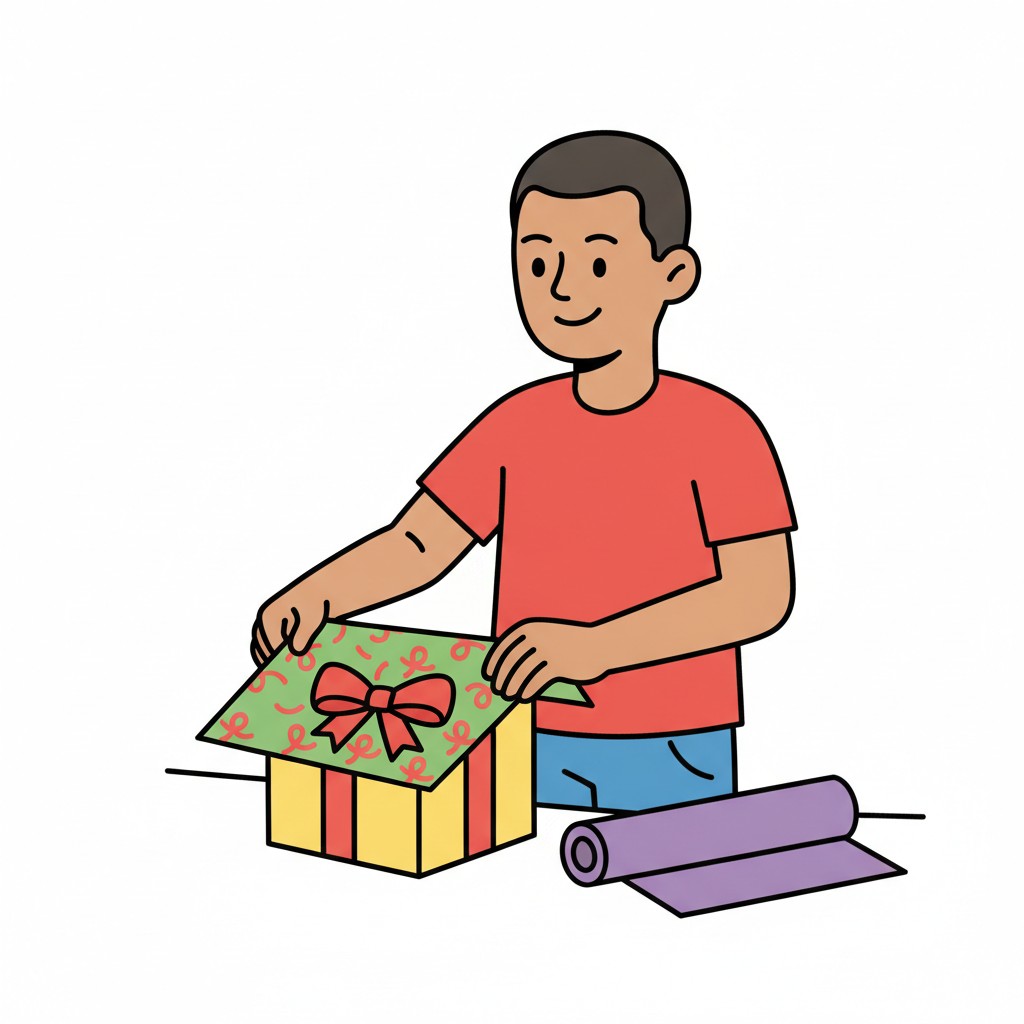 ♂
♂Wrapping a present
A man wraps a present with wrapping paper.
 ♀
♀Receiving a wrapped gift
A smiling girl with long dark hair holding a red wrapped present with a yellow ribbon and large bow.
 ♀
♀Putting the gift in a bag
A woman puts a present into a gift bag.
About this visual support
Receiving a gift asks for two things at once: a spontaneous reaction to something unknown and gratitude produced on demand. For many children, those demands collide in the exact second the paper tears. The result can look like silence, a turned head or a comment that adults read as ungrateful, even when the child simply needs time.
A visual schedule unpacks that social choreography. One picture for the package in the hands, one for the paper coming off, one for a pause where the child gets to look without speaking, and only after that one for meeting the giver's eyes. Saying thank you becomes its own step rather than an automatic reflex that has to land right away.
A concrete tip: agree in advance on a sentence the child can use if the gift was not what they were hoping for, such as thank you, I will look at it more later. That gives them ready language for lukewarm moments. To rehearse before a party, you can put the sequence together in Routined and walk through the steps calmly during the morning.
Use this image in a schedule
Build your own visual schedule with this image and download it as a print-ready PDF. Completely free.

More similar visual supports
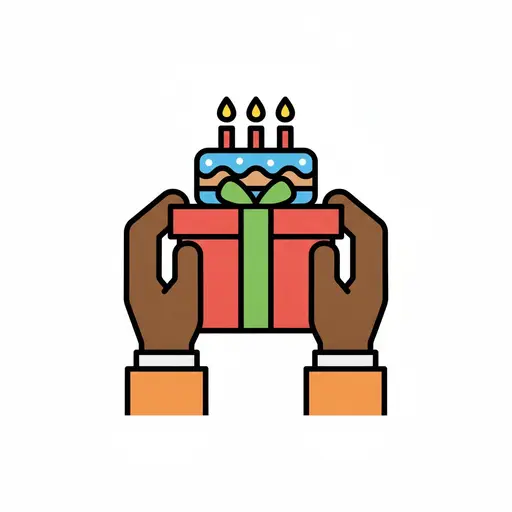
Birthday
Hands hold a present with a cake with candles on top.

Party
Presents, a cake, a party hat and bunting.
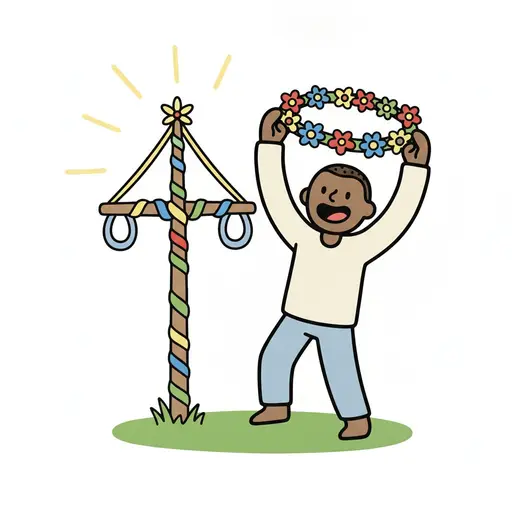
Celebrate Midsummer
A boy dancing beside a maypole on the grass, holding up a flower garland in the ...
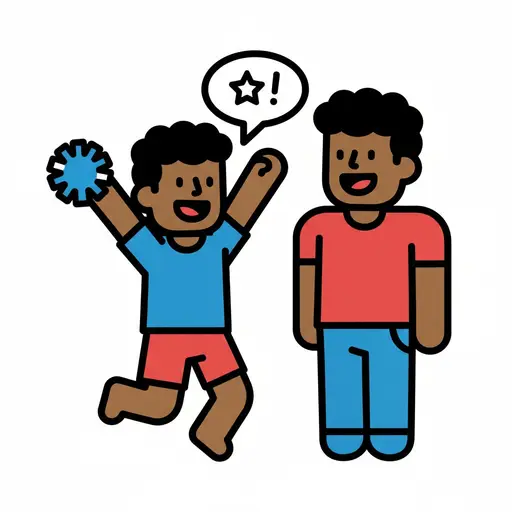
Cheer for Dad
A smiling boy in a blue shirt jumping in the air holding a blue pompom, with a h...
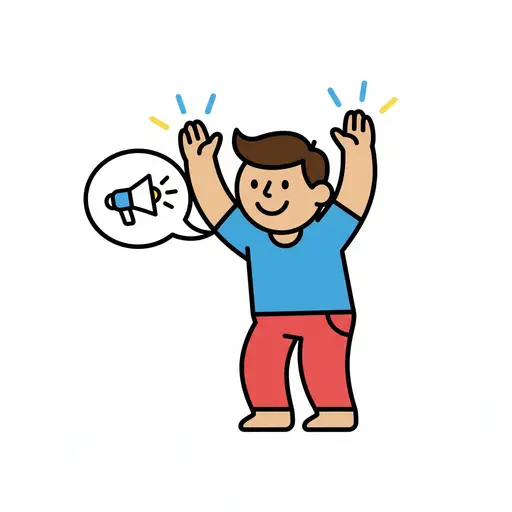
Cheer on
A smiling person in a blue t-shirt and red trousers raising both arms, with a sp...
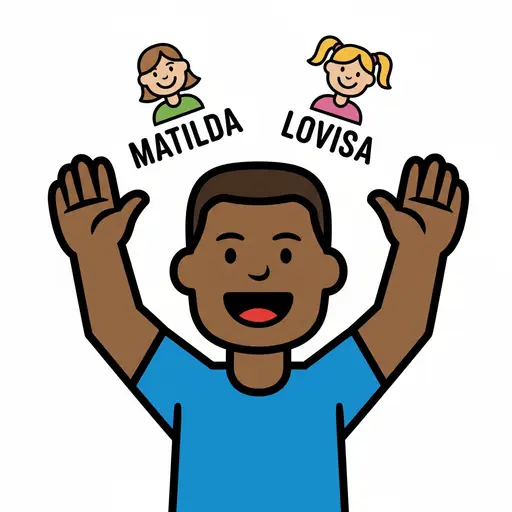
Cheer on Matilda and Lovisa
A smiling boy in a blue shirt with both hands raised, with two small round portr...
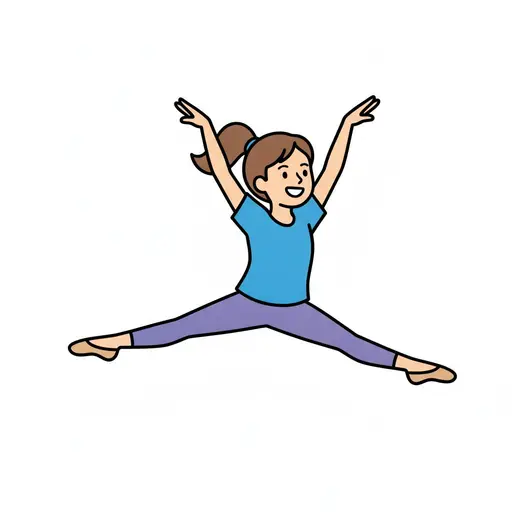
Dance leap
A smiling person with a ponytail in a blue t-shirt and purple trousers floats in...
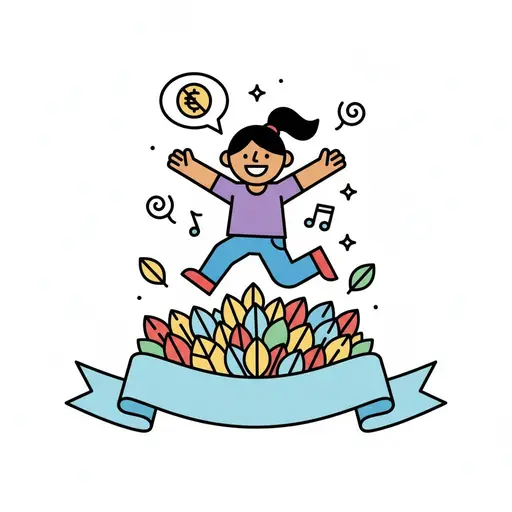
Free activity
A happy person with a ponytail jumps with arms raised above a pile of colourful ...
Take the visual supports with you
In Routined you build schedules from these pictures, add timers and voice instructions, and your child follows the day on their own.


* 14-day free trial, then $2.39 a month or $20.99 a year (US pricing). Cancel anytime.