Ride in the stroller
Sitting in the stroller means someone else is steering. The world slides past backwards and your child cannot press pause. The visual schedule below shows where you are going, where you stop and when the wheels start rolling again.
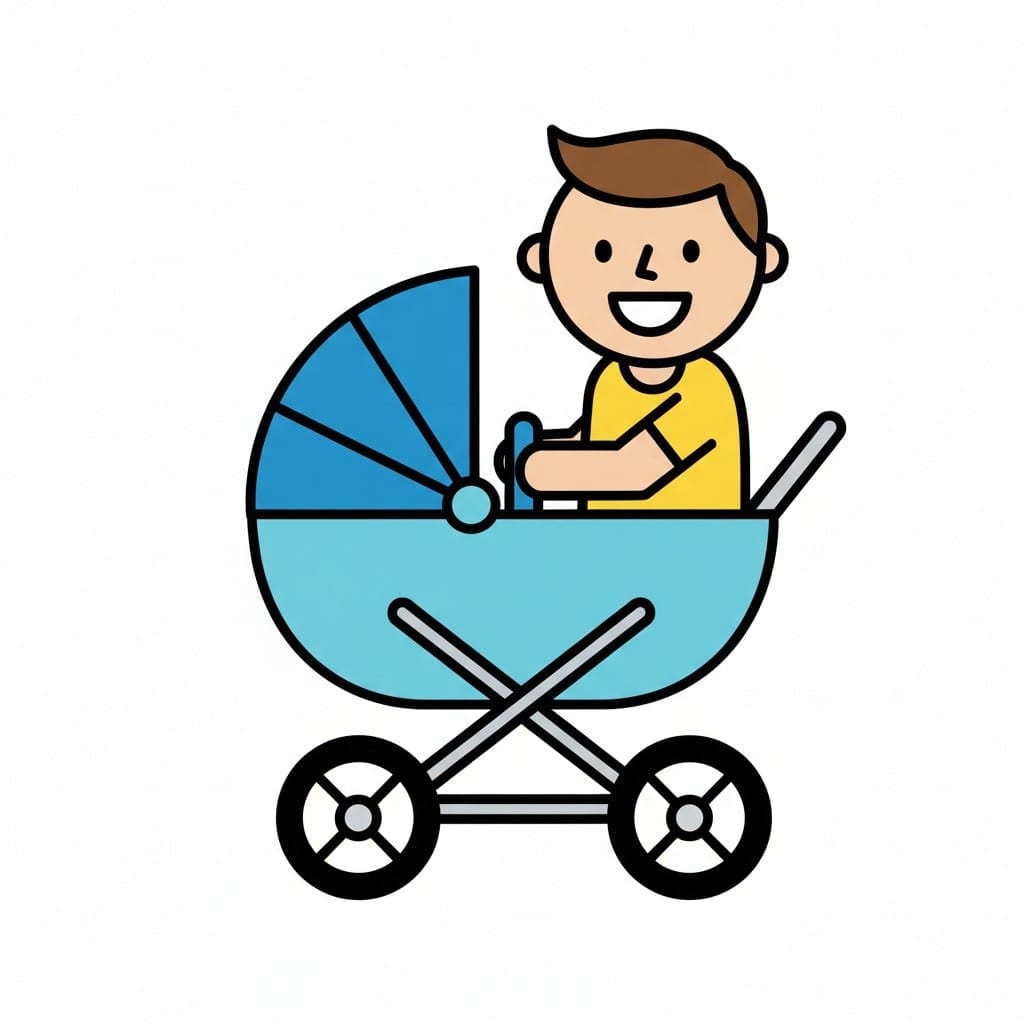 ♂
♂Sitting up in a blue pram
A smiling boy in a yellow shirt sitting up in a blue pram with the blue canopy raised and two black wheels.
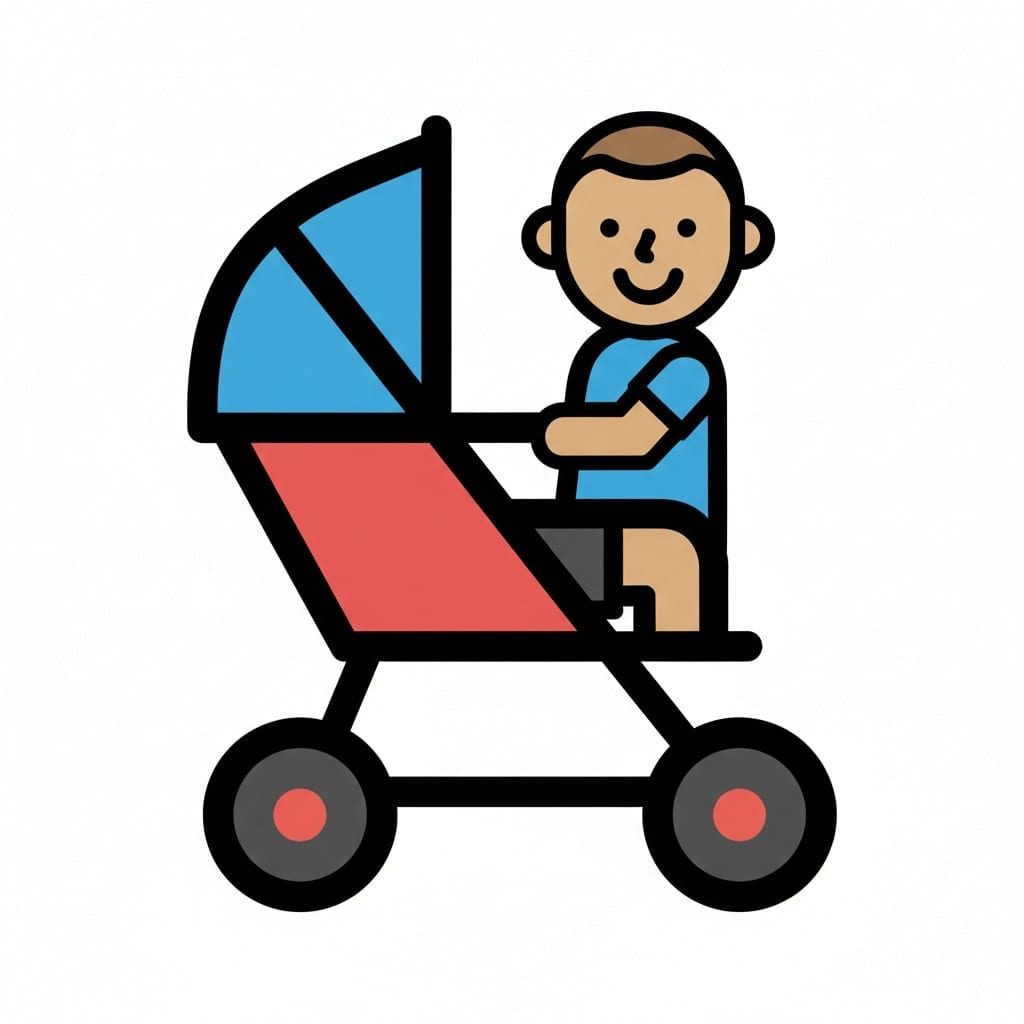 ♂
♂Sitting in a blue and red stroller
A smiling boy in a blue t-shirt sitting in a blue and red stroller with the canopy raised and red-and-black wheels, seen from the side.
 ♂
♂Riding in a wagon with handle
A smiling boy in a blue t-shirt sitting facing forward in a black wagon with a long handle and two large wheels.
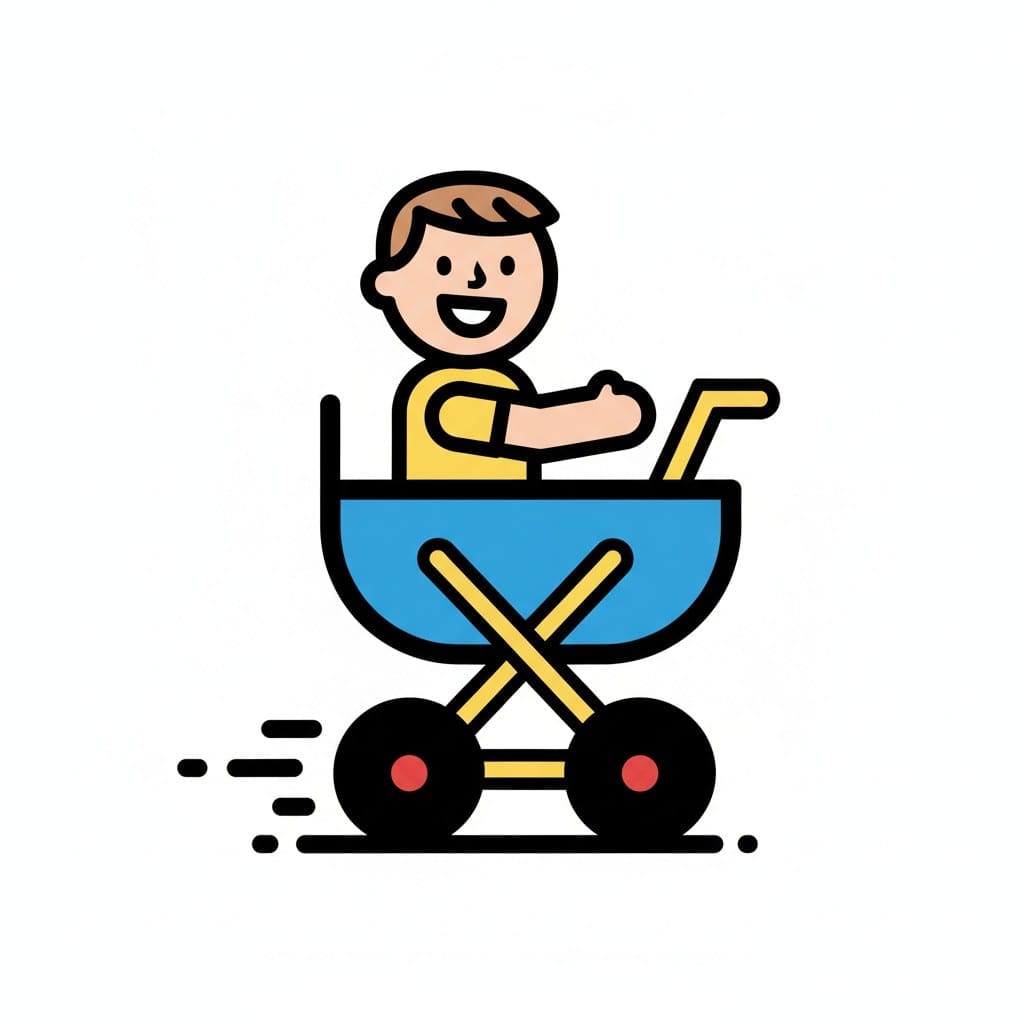 ♂
♂Happy boy in blue stroller with yellow hood
A smiling boy in a yellow shirt sitting in a blue stroller with the yellow canopy raised and black wheels with red centres, with motion lines behind.
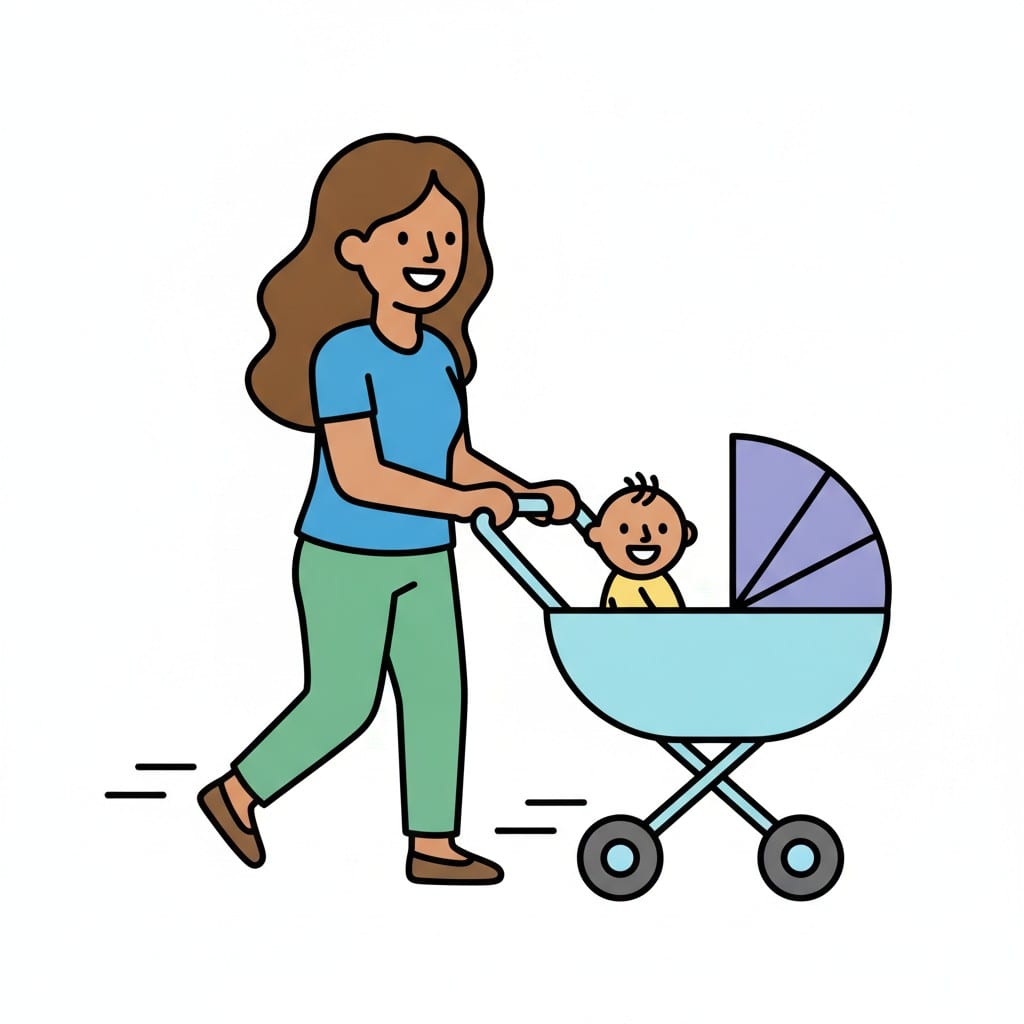 ♀
♀Person pushing a pram
A smiling person walks pushing a light blue pram with a small smiling child in it.
About this visual support
The stroller puts a child in an unusual position: strapped in, watching the world slide past backwards, with no control over speed or direction. For some children that is restful. For others, the missing influence is exactly what makes the ride hard. When pictures show where the walk is heading and what stops are along the way, your child gets a piece of the map back.
A visual schedule for riding in the stroller works best when it is location based rather than step based: one picture for daycare, one for the shop, one for the park, one for home. The walk turns into a chain of destinations instead of an endless forward motion. Your child can point to the next stop when the ride starts to feel long.
Let your child hold the picture card during the trip, or clip it to the canopy. The map then sits at eye level and you do not have to stop and dig out your phone every time you hear where are we going. Inside Routined you can save different stroller routes as separate routines: one for daycare, one for grandma's, one for the weekend walk.
Use this image in a schedule
Build your own visual schedule with this image and download it as a print-ready PDF. Completely free.

More similar visual supports
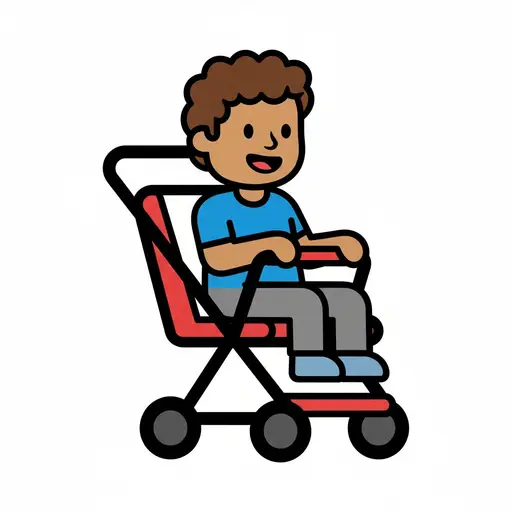
Sit in the stroller
A smiling boy with curly hair sitting in a red stroller with a blue cushion, see...
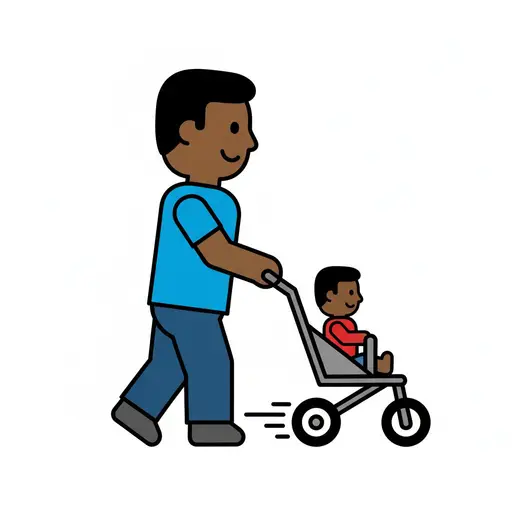
Stroller ride
A smiling adult in a blue shirt walking forward while pushing a stroller in whic...
Family walk
An adult and two children walk together on the grass.

Go to Hugo
Two boys open their arms toward each other on a patch of grass, with an arrow po...
Go to the parking
A person walks toward a blue parking sign.

Go to Town
A boy walks along a path toward town buildings with a clock tower.
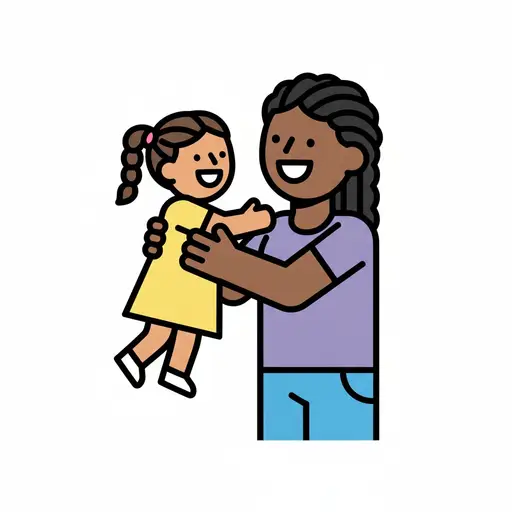
A parent picks up the child
An adult happily lifts a child up in their arms.

Airplane
A blue cartoon airplane flying to the right.
Take the visual supports with you
In Routined you build schedules from these pictures, add timers and voice instructions, and your child follows the day on their own.


* 14-day free trial, then $2.39 a month or $20.99 a year (US pricing). Cancel anytime.