Run a race
You can see the finish, but the finish is still far away. Between the starting signal and the ribbon the legs will feel heavy, and no one knows yet who comes in first. The visual support below shows the whole race, from start line to medal.
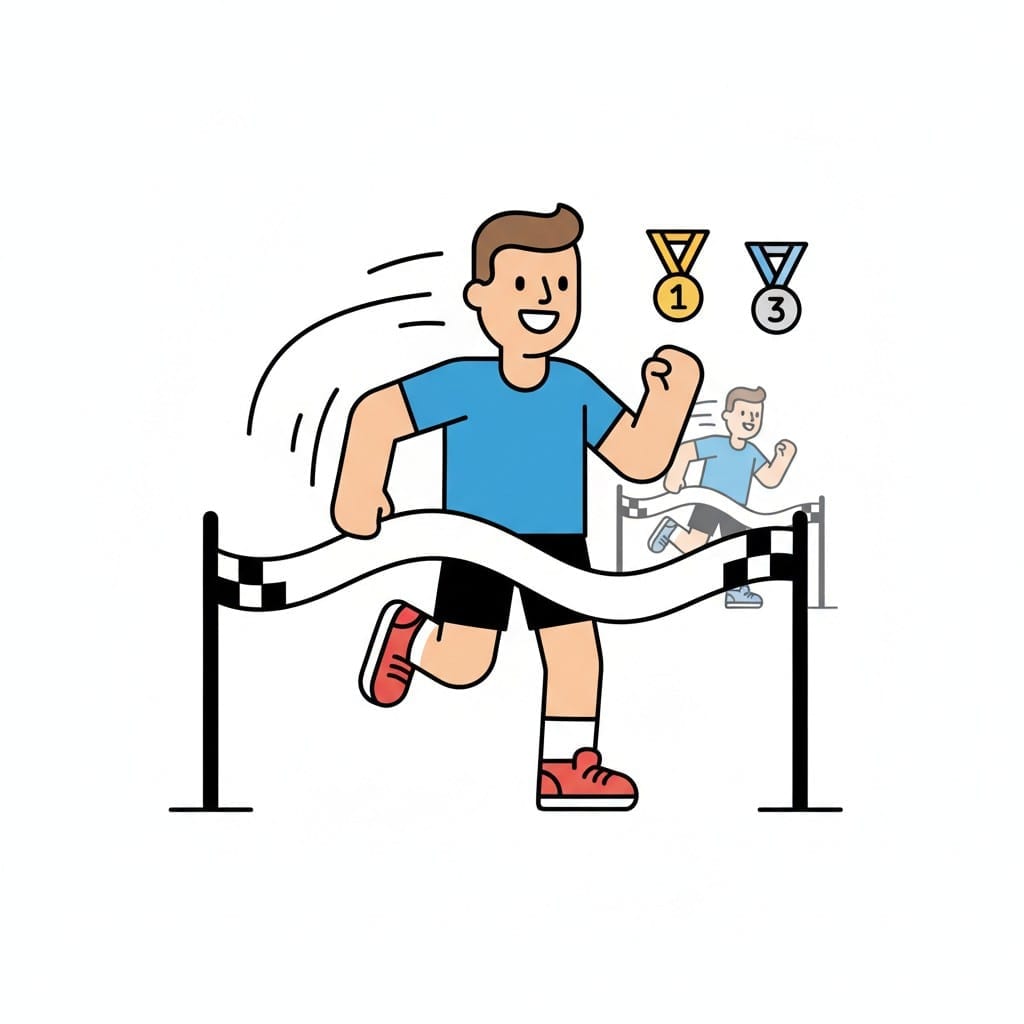 ♂
♂Crossing the finish line
A smiling runner in a blue shirt and red shoes crossing a checkered finish line, with a gold and silver medal shown nearby and another runner following behind.
About this visual support
A race plays with time and uncertainty at the same time. Your child knows there is a finish somewhere over there, but not how long the distance will feel once the legs decide they are tired. Nor whether the medal turns out to be gold, silver, bronze or just a participation ribbon. The visual support needs to show both: the distance and the uncertainty.
A sequence that tends to work is start, first bend, halfway mark, final straight, ribbon, medal or diploma. The middle picture is often the most important one. That is where many children want to stop, and that is where an image of pushing past halfway can shift things. Add a picture of breathing too, so your child knows the tiredness is expected, not a sign that something is wrong.
One activity specific tip: walk the race route first, without running. Use the cards as stations along the way and let your child point to the right one as you pass each segment. That way the starting signal is not the first time the distance is experienced. Inside Routined you can save the full race sequence, including warm-up and cool-down, so your child sees the whole arc from the first jog step to the medal around the neck.
Use this image in a schedule
Build your own visual schedule with this image and download it as a print-ready PDF. Completely free.

More similar visual supports
Cheer dad on his run
A smiling adult running forward in a blue t-shirt with a megaphone symbol, holdi...
Do a lap
A person running in a continuous circular motion, indicated by a blue arrow, sym...
Run
A boy with a backpack jogs towards school.
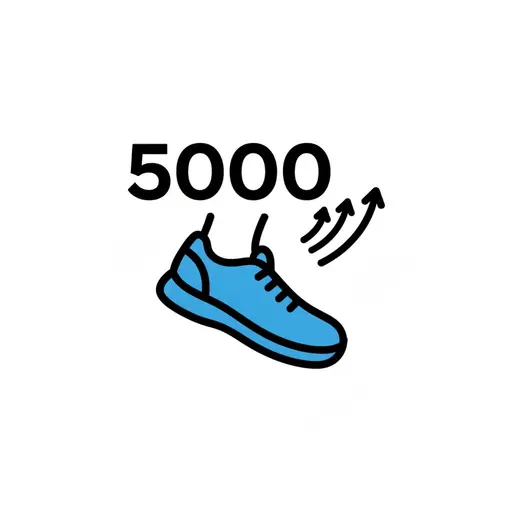
5000 Steps
A blue sneaker with the number 5000 and arrows showing movement.
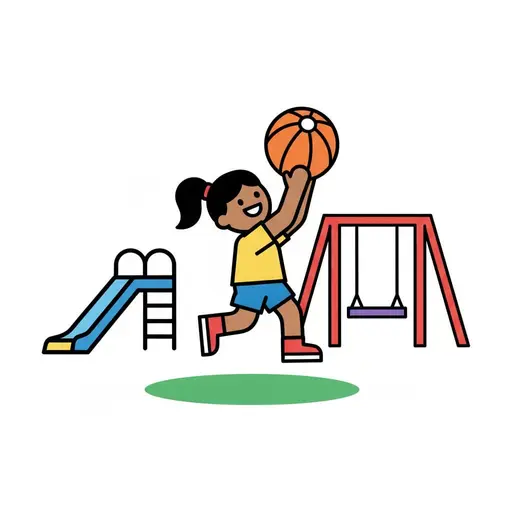
Active play
A girl jumps with a basketball in a playground with a slide and swings.
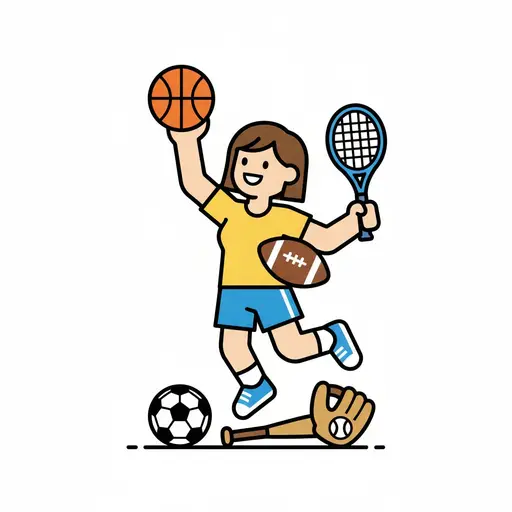
Active Time
A girl jumps with a basketball, a racket and an American football around her.
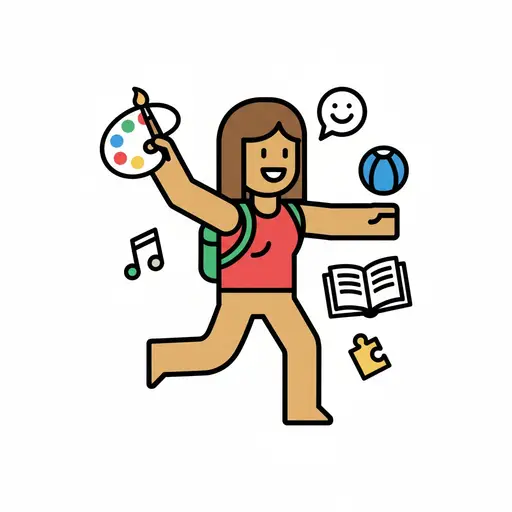
Activities
A child surrounded by icons for a book, paint palette, ball and building block.
Activity
Hands holding a book and a paintbrush, surrounded by a puzzle, a ball and buildi...
Take the visual supports with you
In Routined you build schedules from these pictures, add timers and voice instructions, and your child follows the day on their own.


* 14-day free trial, then $2.39 a month or $20.99 a year (US pricing). Cancel anytime.