Screen break
Pulling a child away from a game mid-level rarely lands as a calm okay. The frustration is about the interruption itself, not the pause. The visual support below shows the move from screen to next activity in a way the child can see arriving.
 ♂
♂Stretching
A person stretches with arms above their head next to a computer monitor with a green checkmark and a clock indicating a break.
About this visual support
What sets off a child at screen-break time is rarely the break itself. It is the quest still mid-fight, the level not finished, the friends still online. When a parent says time to stop, that sentence hits a brain locked into something else, and the reply is resistance.
Visual support shifts where the conflict sits. Instead of a sudden cut, the child sees that screen time is ending and that something concrete is coming next, often physical or social. The card for the next activity gives the brain a place to land, so the whole transition no longer rests on the word stop.
A practical tip that actually works: place the next-activity card next to the screen when screen time begins, not at the end. The child has seen the destination the whole time, so the pause does not arrive as a surprise. Inside the Routined app you can pair the visual support with a visible timer so the child can track the time themselves.
Use this image in a schedule
Build your own visual schedule with this image and download it as a print-ready PDF. Completely free.

More similar visual supports

Activities
A child surrounded by icons for a book, paint palette, ball and building block.

Activity
Hands holding a book and a paintbrush, surrounded by a puzzle, a ball and buildi...
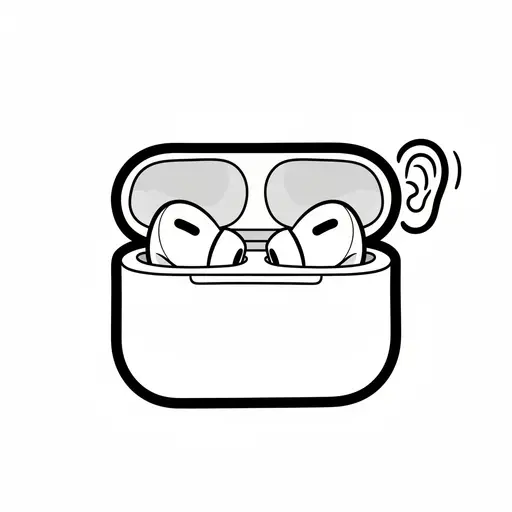
Airpods
A pair of Airpods in their charging case with an ear icon next to it.
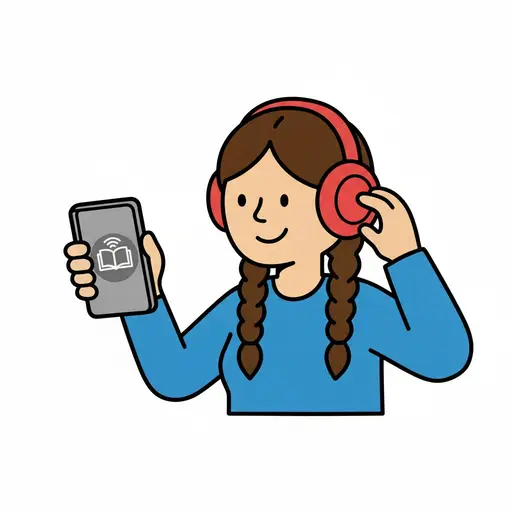
Audiobook time
A smiling girl with braids wears red headphones and holds up a phone showing a b...
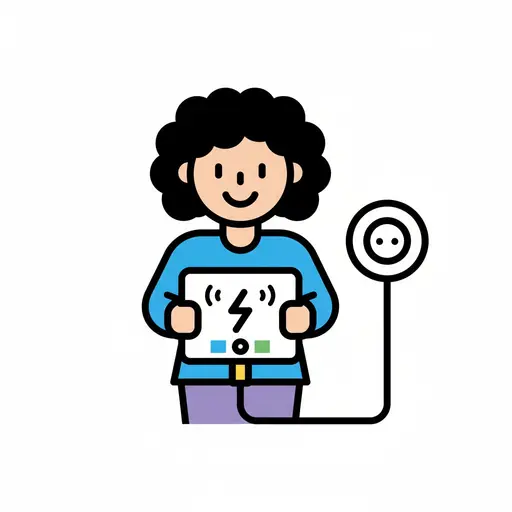
Charge tablet
A person holding a tablet that is plugged into a wall outlet for charging. The t...

Charge the headphones
A girl holds a pair of headphones with a cable, a lightning symbol shows they ar...

Check the phone
A child holds a mobile phone and a speech bubble with a search icon appears abov...
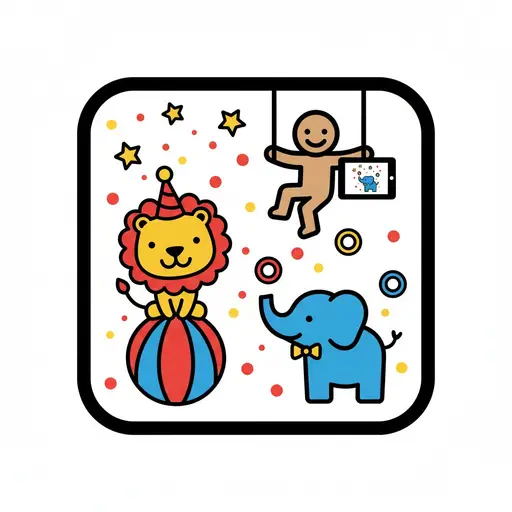
Circus animals app
A cartoon figure on a trapeze holds a tablet displaying an elephant, while a lio...
Take the visual supports with you
In Routined you build schedules from these pictures, add timers and voice instructions, and your child follows the day on their own.


* 14-day free trial, then $2.39 a month or $20.99 a year (US pricing). Cancel anytime.