Sit in the stroller
The body needs to stay still, but the head is usually wide awake and wants to move. The visual support below shows how the harness, footrest and view fit together, so the stroller becomes a place of rest instead of a battle over staying seated.
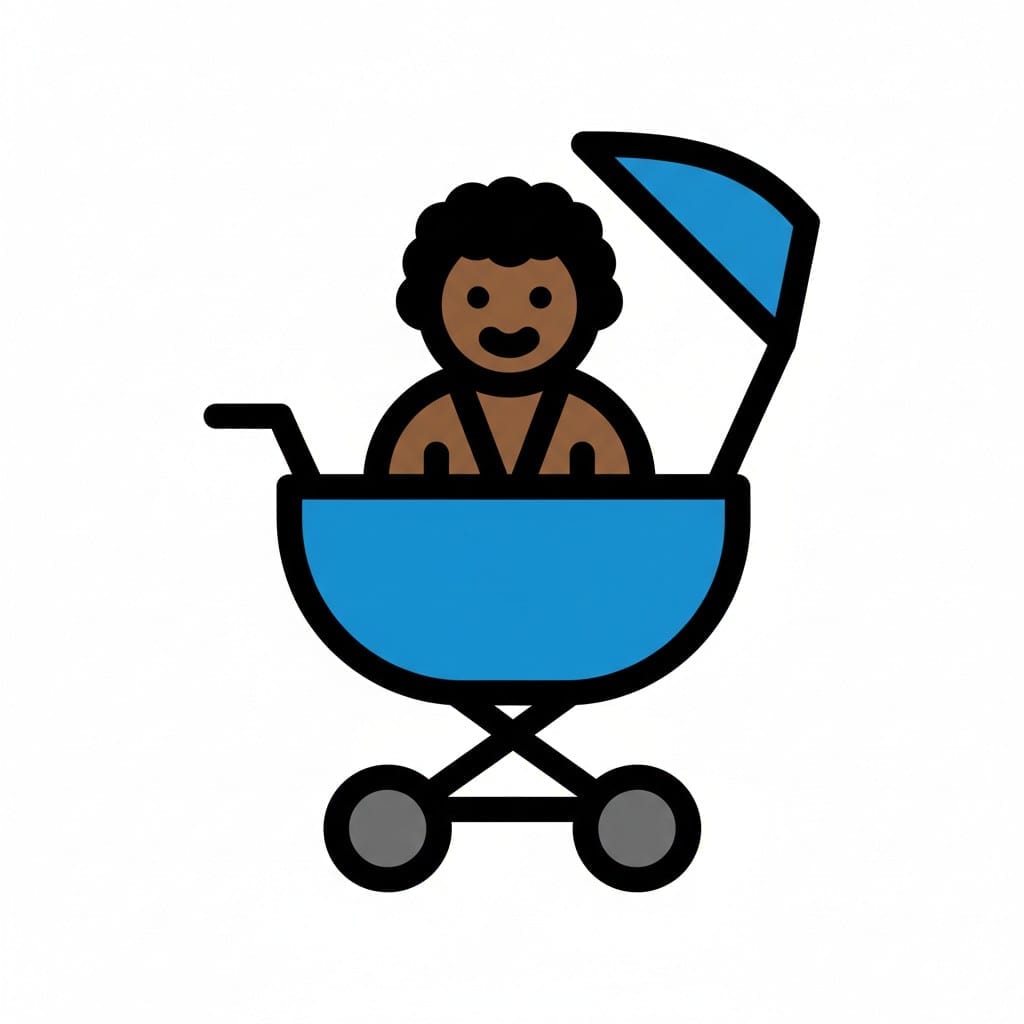 ♂
♂Sitting in a blue pram
A smiling child with curly hair sitting upright in a blue pram with the blue canopy raised, seen from the front.
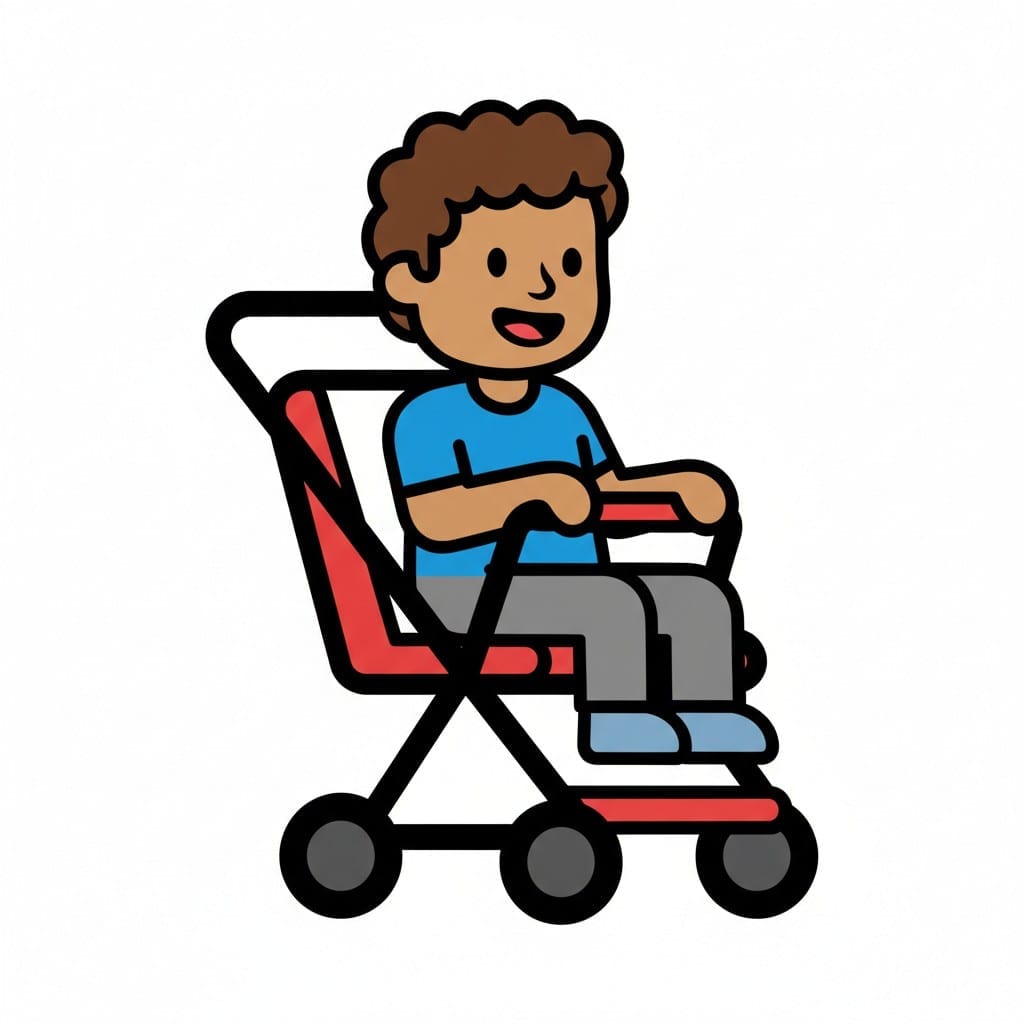 ♂
♂Sitting in a red stroller
A smiling boy with curly hair sitting in a red stroller with a blue cushion, seen from the side.
About this visual support
The harness and footrest do a job that often goes unnoticed: they keep the body in place even when the child is not at all tired. That clash between a still body and a wide-awake head is usually what makes a child start kicking, twisting and leaning sideways after ten minutes in the stroller.
Visual support helps by preparing the child for exactly what will happen with the body. First you sit, then the harness clicks, then the footrest folds out, then the stroller rolls. When the order is clear, it becomes easier to accept that the arms and legs stay where they are, even while the eyes and thoughts wander.
One concrete tip: pick two things together that the child can look out for during the ride, like a dog and a red car. That gives the awake head something to do while the body rests. If you want to connect these pictures to a longer routine with getting dressed, the stroller and coming home again, you can build the whole flow in the Routined app, so the trip is visible from start to finish.
Use this image in a schedule
Build your own visual schedule with this image and download it as a print-ready PDF. Completely free.

More similar visual supports
Ride in the stroller
A smiling person walks pushing a light blue pram with a small smiling child in i...
Stroller ride
A smiling adult in a blue shirt walking forward while pushing a stroller in whic...
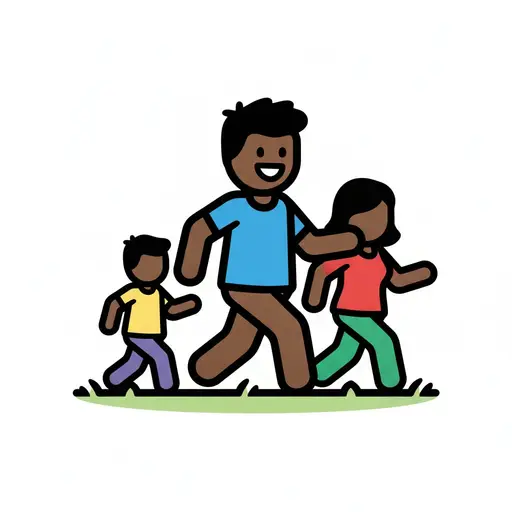
Family walk
An adult and two children walk together on the grass.
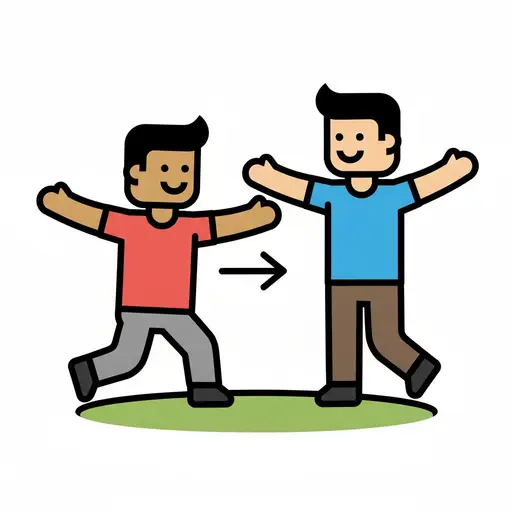
Go to Hugo
Two boys open their arms toward each other on a patch of grass, with an arrow po...
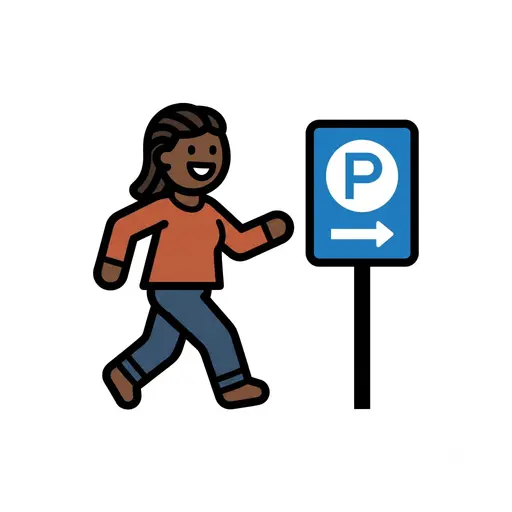
Go to the parking
A person walks toward a blue parking sign.
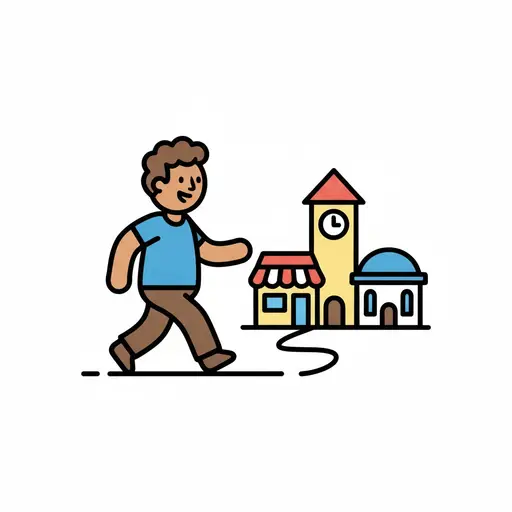
Go to Town
A boy walks along a path toward town buildings with a clock tower.
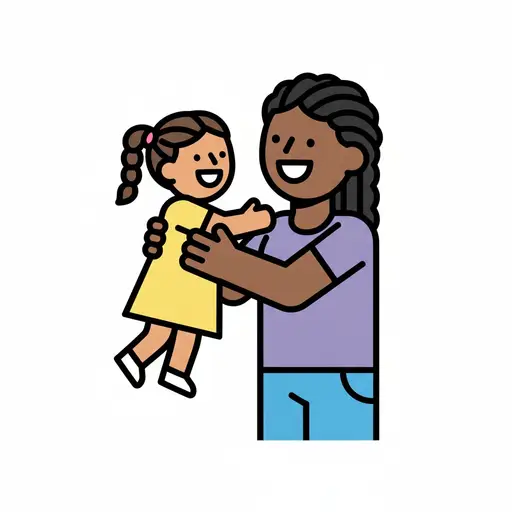
A parent picks up the child
An adult happily lifts a child up in their arms.
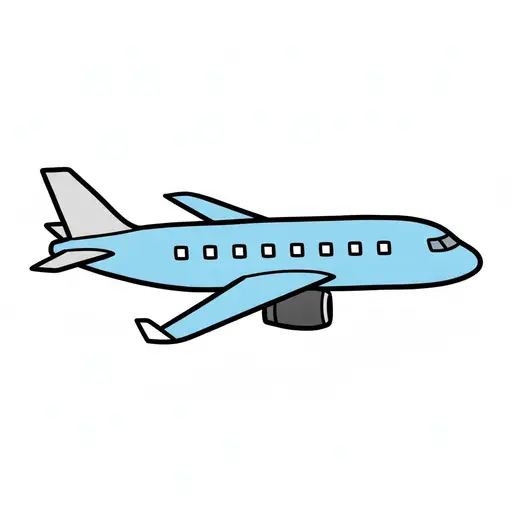
Airplane
A blue cartoon airplane flying to the right.
Take the visual supports with you
In Routined you build schedules from these pictures, add timers and voice instructions, and your child follows the day on their own.


* 14-day free trial, then $2.39 a month or $20.99 a year (US pricing). Cancel anytime.