Stay home
A child had braced for the outing, and suddenly it is off. Staying home instead means the whole expectation has to be redrawn, and that rarely happens quietly. The visual support below makes the new plan something to lean on.
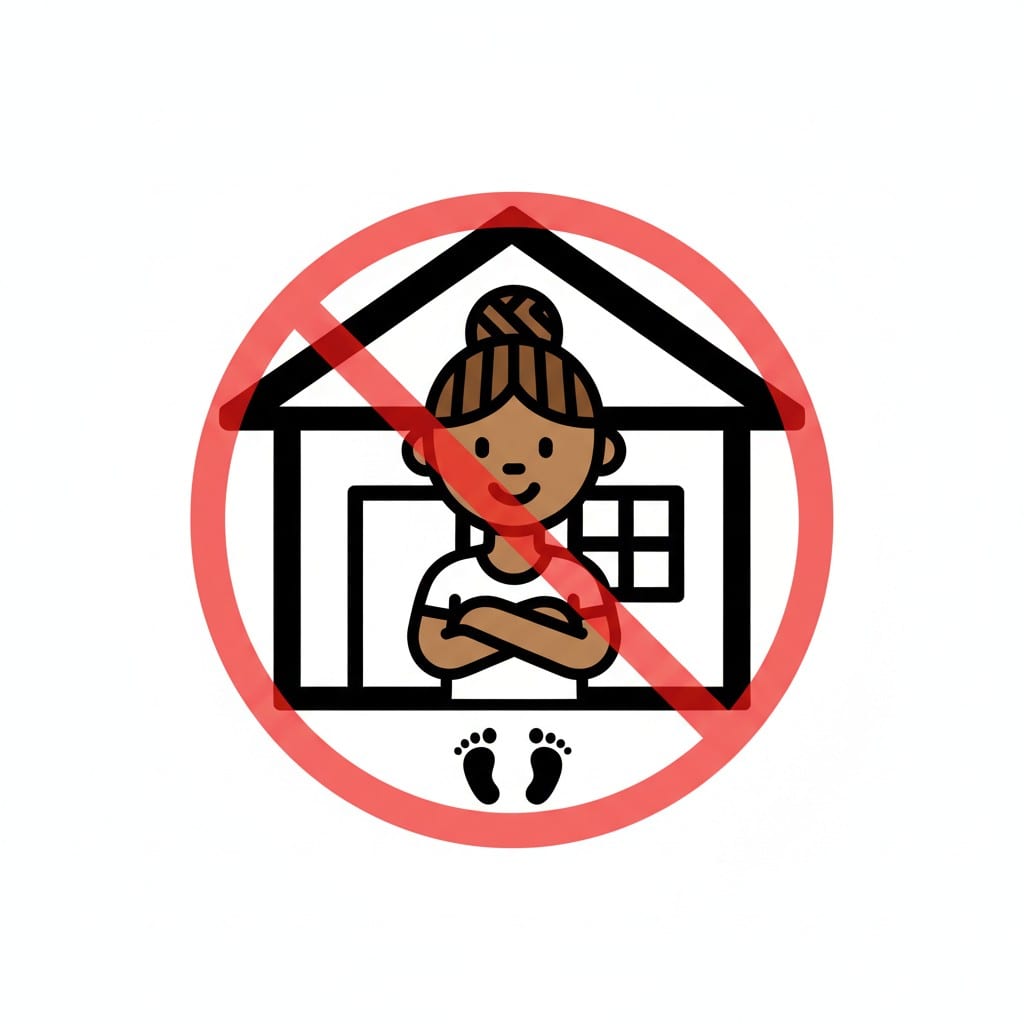
Stay home
A girl inside a house with a red prohibition sign and footprints showing staying at home.
About this visual support
The hard part of staying home is not the home itself, but that a plan which already felt settled gets pulled away. A child has built an inner picture of the day, and when rain or a change topples it, the whole expectation has to be reset at once. That reset is what makes the resistance loud, not the sofa or the toys.
Visual support helps here by moving the plan out of the head and onto the table. When you can point to the outing card, turn it away and lay out the home card instead, the swap becomes something a child watches happen rather than only hears about. It gives a concrete thing to aim the disappointment at, and a fresh order to follow.
One tip: always pair the cancelled thing with something that genuinely does happen that day, so the home card means a den or a film rather than an empty gap. In Routined you can quickly swap out the day's plan and drop in the replacement activity, so the change shows up as clearly as the original did.
Use this image in a schedule
Build your own visual schedule with this image and download it as a print-ready PDF. Completely free.
More similar visual supports
Home Day Friday
A girl sits reading a book outside a house, with a sun and a calendar showing Fr...

Free
A person stands with arms raised, with two doves, an open padlock and an opened ...
Stay inside
A girl stands inside at a window with her hand on the glass, with the sun and a ...

Club Morning
A boy reads a yellow book with a sun and a speech bubble with music notes.
Activity
Hands painting on an easel and stacking colourful blocks, with puzzle pieces and...
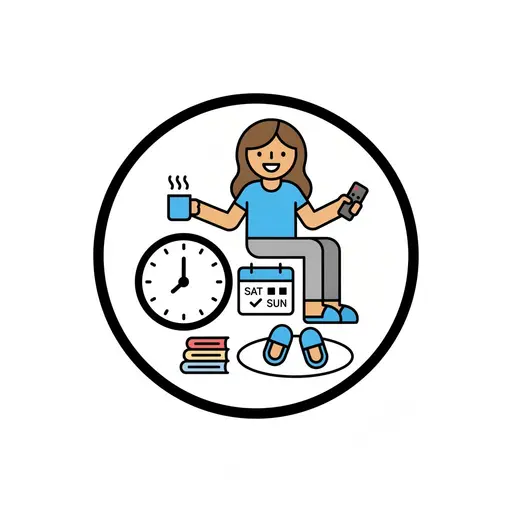
Weekend routine
A girl holding a mug and a phone, surrounded by a clock, a weekend calendar, boo...
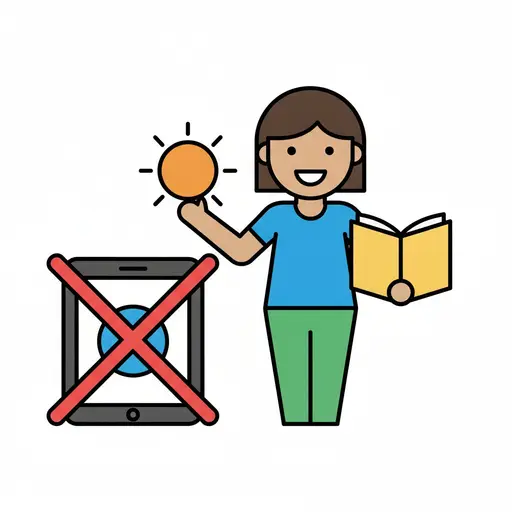
Screen-free time
A girl holds a book and the sun next to a crossed-out tablet.

Holiday
An open suitcase filled with sunglasses, a beach ball, a towel and a book under ...
This visual support in other languages
Take the visual supports with you
In Routined you build schedules from these pictures, add timers and voice instructions, and your child follows the day on their own.


* 14-day free trial, then $2.39 a month or $20.99 a year (US pricing). Cancel anytime.