Stroller ride
Riding in a stroller means not seeing the person doing the steering. The child has to trust the voice, a hand on the shoulder, a pause at the crossing. The visual support below makes the unseen parent visible, so the ride feels safer the whole way.
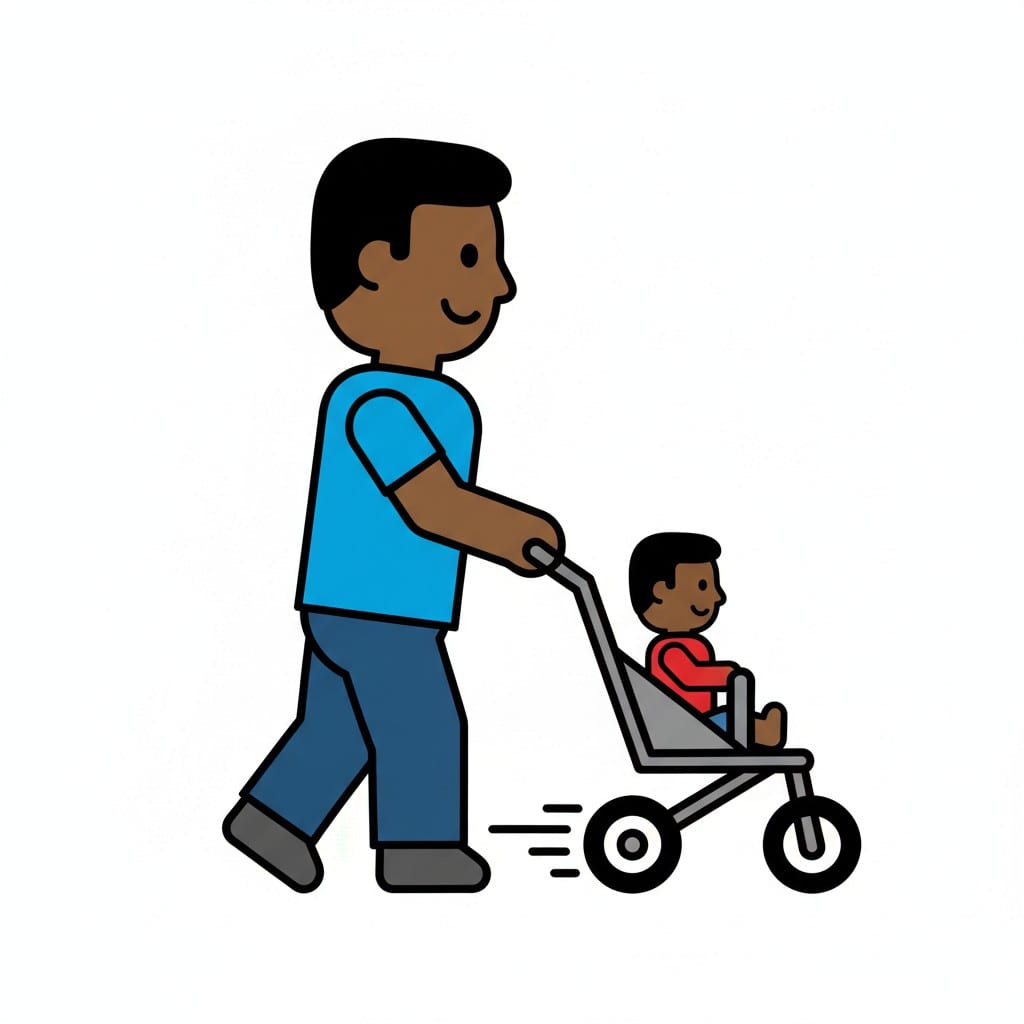 ♂
♂Parent pushing the stroller
A smiling adult in a blue shirt walking forward while pushing a stroller in which a child in a red shirt is sitting and looking ahead.
About this visual support
The parent behind the stroller disappears from view the moment the child sits down. It is a small oddity in the whole setup that adults rarely notice, but for the child it means the usual social check-in, the eyes, the face, the expression, is suddenly gone. Something else has to take its place.
That is where visual support comes in. By showing the voice, the hand on the shoulder and the stops along the way as their own steps, the adult's presence becomes concrete. The child can tick off in their head: the voice is there, the hand will come, we are stopping at the crossing. The check-in that usually happens through eye contact now happens through a rhythm the child can feel and expect.
A concrete tip: choose a word you say every time the stroller stops, the same word for the whole ride. It works like a sound version of a tap on the shoulder, telling the child you are still there without them needing to turn their head. If you want to link the ride to getting dressed before and arriving home after, you can group it all in the Routined app.
Use this image in a schedule
Build your own visual schedule with this image and download it as a print-ready PDF. Completely free.

More similar visual supports
A parent picks up the child
An adult happily lifts a child up in their arms.
Ride in the stroller
A smiling person walks pushing a light blue pram with a small smiling child in i...
Sit in the stroller
A smiling boy with curly hair sitting in a red stroller with a blue cushion, see...
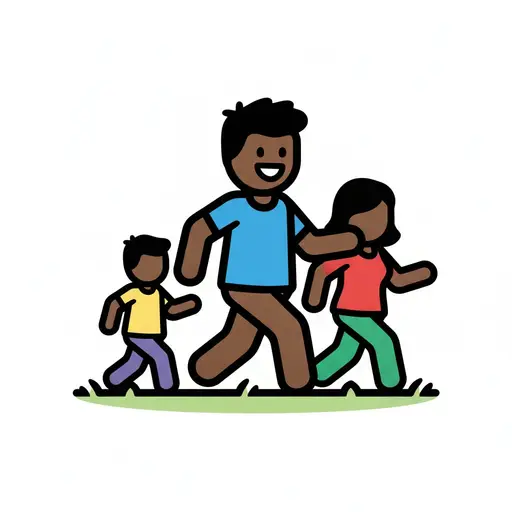
Family walk
An adult and two children walk together on the grass.
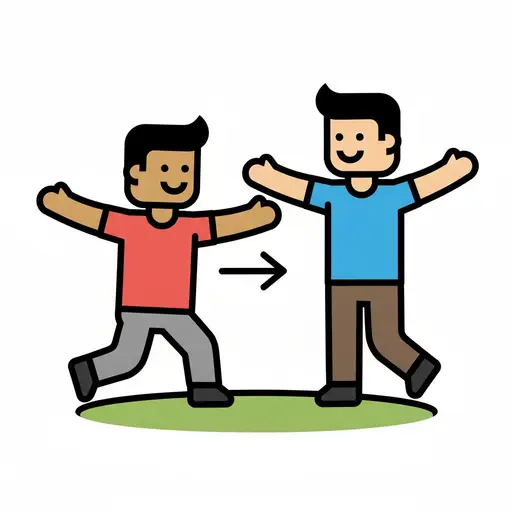
Go to Hugo
Two boys open their arms toward each other on a patch of grass, with an arrow po...
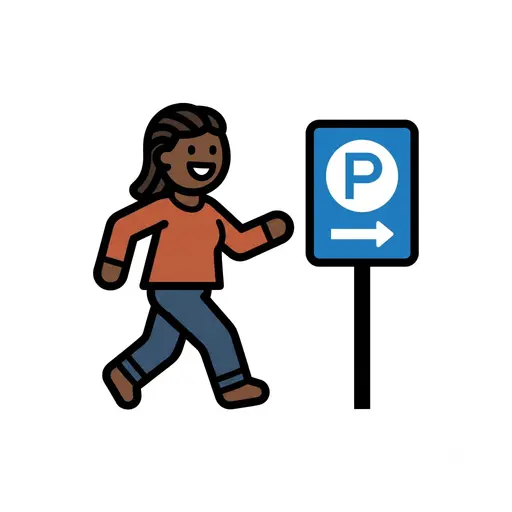
Go to the parking
A person walks toward a blue parking sign.
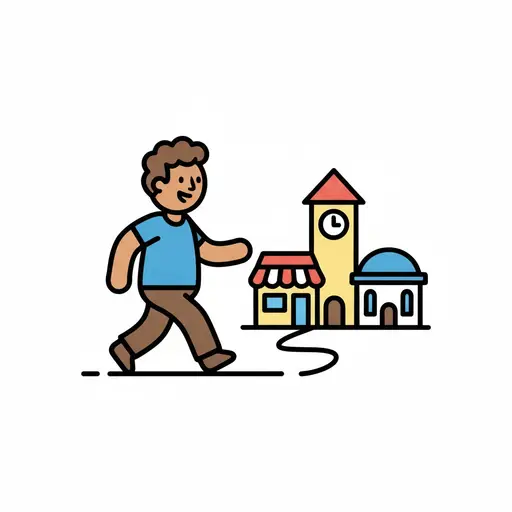
Go to Town
A boy walks along a path toward town buildings with a clock tower.
Airplane
A blue cartoon airplane flying to the right.
Take the visual supports with you
In Routined you build schedules from these pictures, add timers and voice instructions, and your child follows the day on their own.


* 14-day free trial, then $2.39 a month or $20.99 a year (US pricing). Cancel anytime.