Taekwondo
In taekwondo, knowing the kick is not enough – it has to come in the right order, on the right command, with the right posture. The visual support below breaks the session into parts a child can rehearse mentally before the dobok is even on.
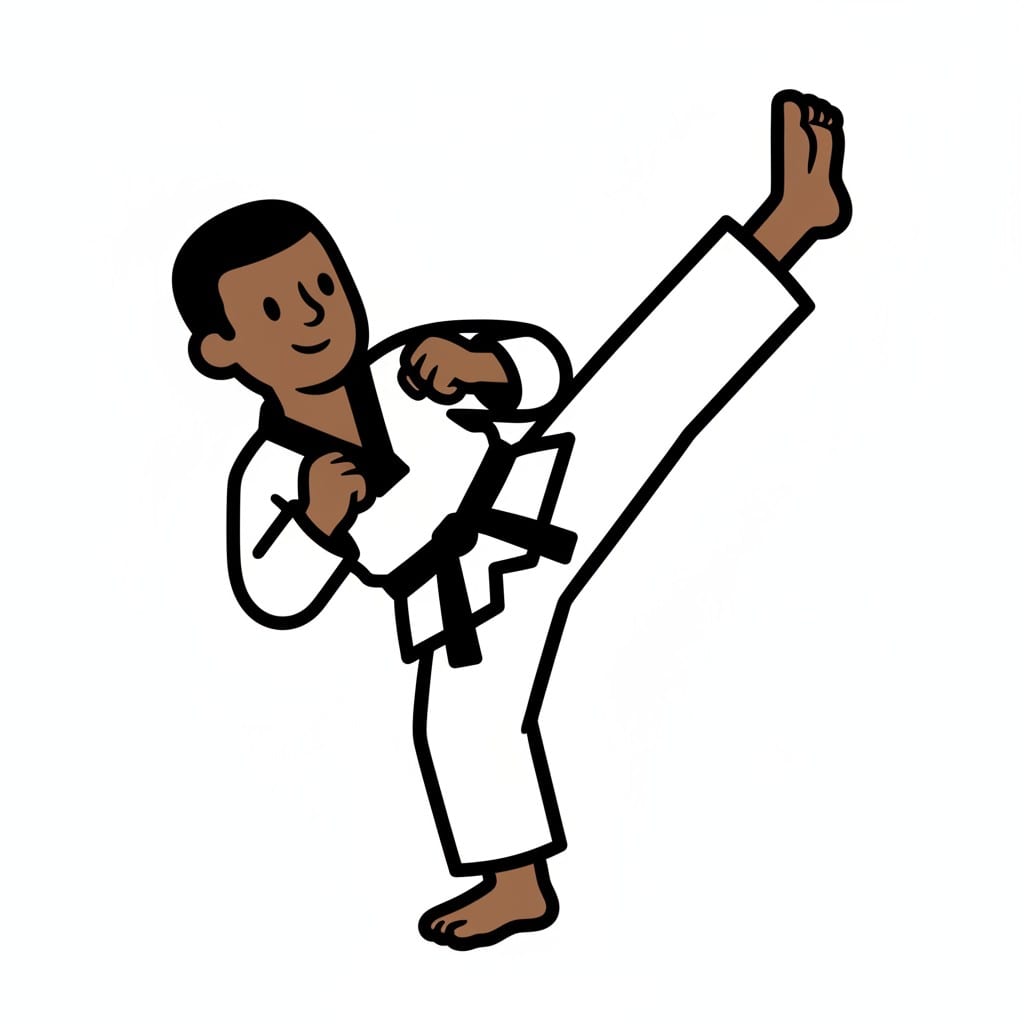 ♂
♂Martial Arts
A boy in a white taekwondo uniform with a black belt performs a high kick.
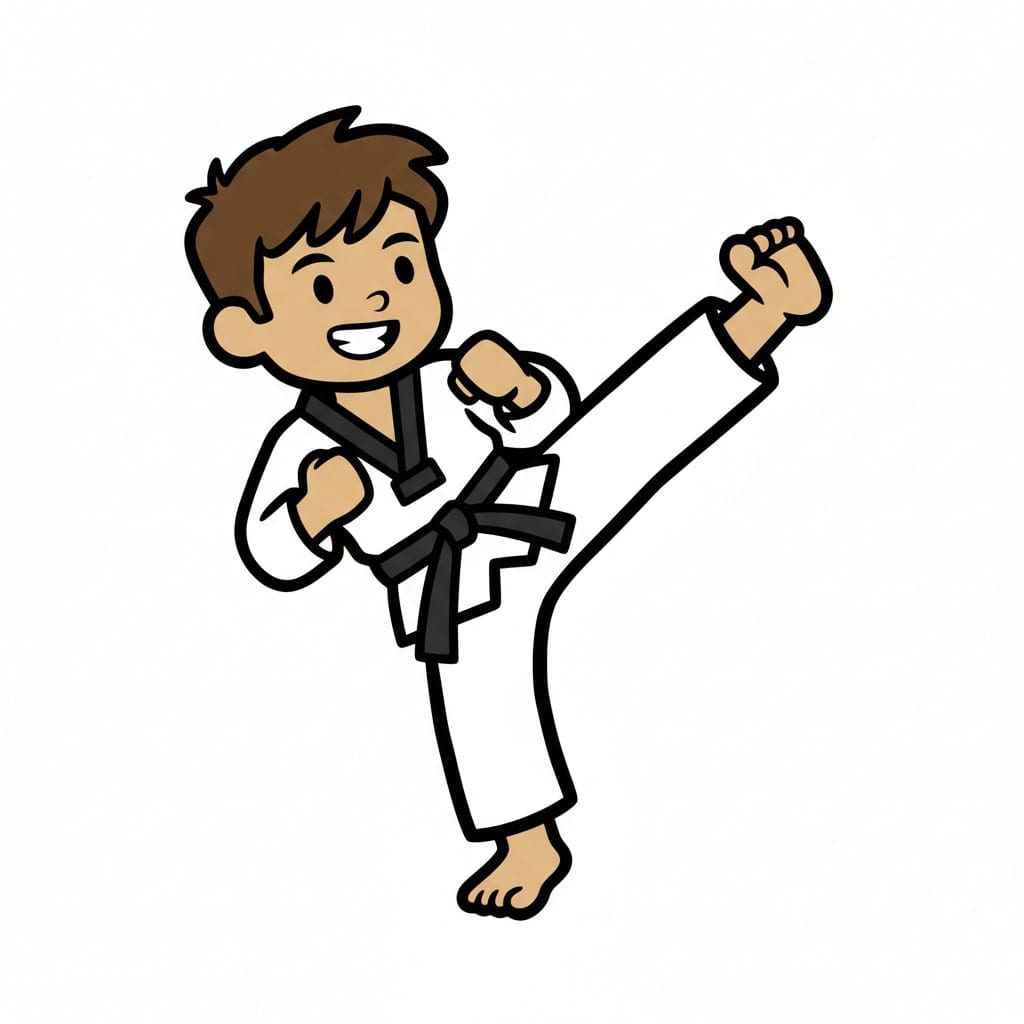 ♂
♂Martial Arts
A boy in a white taekwondo uniform with a black belt performs a high kick, smiling.
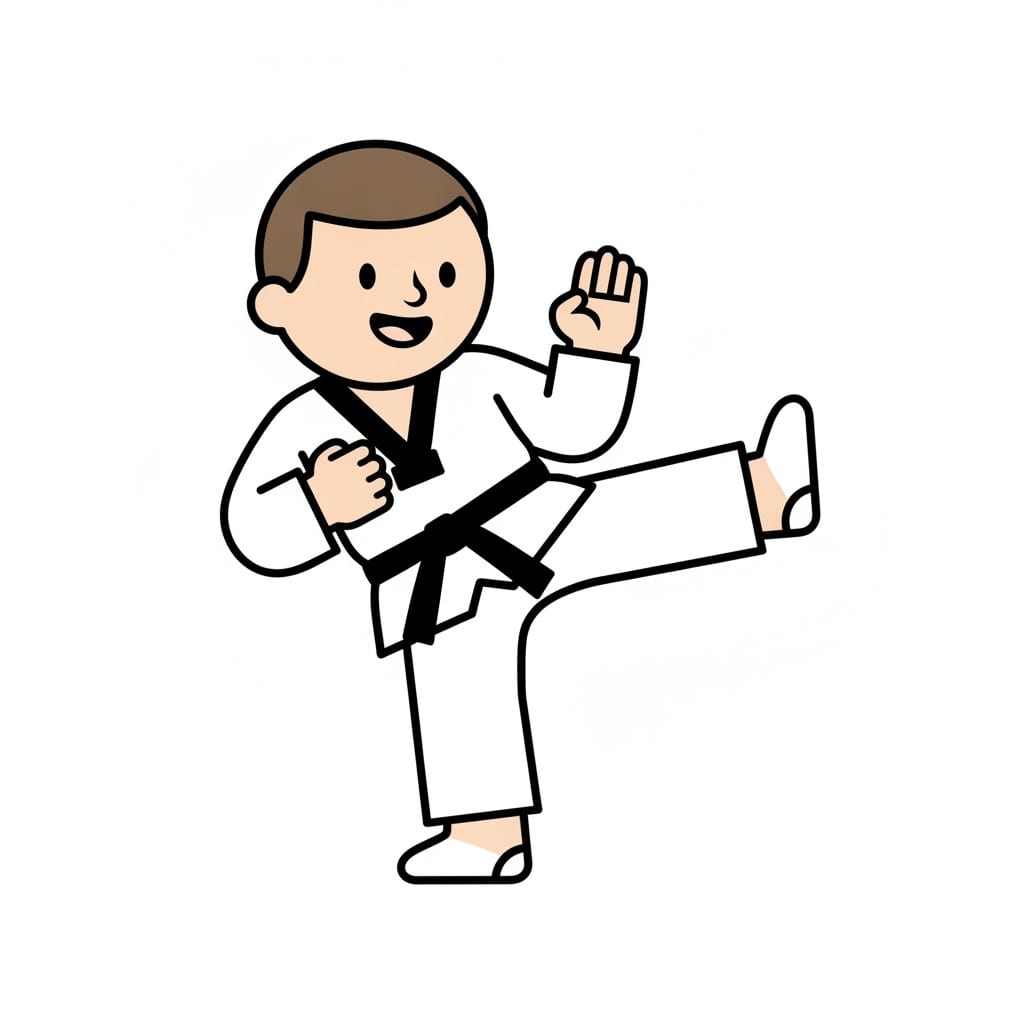 ♂
♂Person kicking in a taekwondo suit
A smiling person in a white martial arts suit with a black belt performs a high kick with one hand raised.
About this visual support
The first time a child steps into a dojang, a lot happens at once. There is the uniform that has to be tied in a particular way, the bow at the line, the commands in Korean, and the other students who already seem to know what is going on. Learning the moves becomes almost secondary when the whole frame around them is unfamiliar.
Visual support makes that frame visible. When you and the child walk through getting dressed, warm-up, stances, break and the closing bow – in the order they actually occur during the session – the child can rehearse the sequence in their head before walking in. The body already has a hint of what is coming, and focus can land on the technique itself instead of on decoding the room.
One concrete tip: ask the coach for a list of the fixed parts of the class, and photograph the corners of the actual dojang too (the mat, the wall with the flag, the line where students line up). Pictures from that exact room stick faster than generic ones. If you want the sequence on the phone before every class, you can put it into Routined and let the child swipe through the steps in the car on the way there.
Use this image in a schedule
Build your own visual schedule with this image and download it as a print-ready PDF. Completely free.
More similar visual supports
Floorball practice
A boy in red shorts dribbles a floorball with his stick inside a round frame.
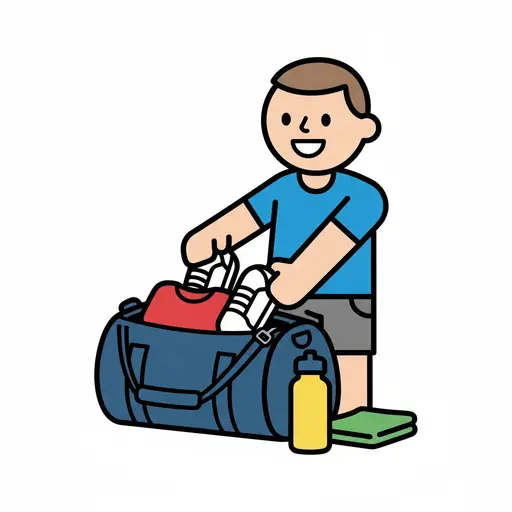
Pack gym bag
A person kneels and packs their gym bag with athletic shoes and a water bottle. ...
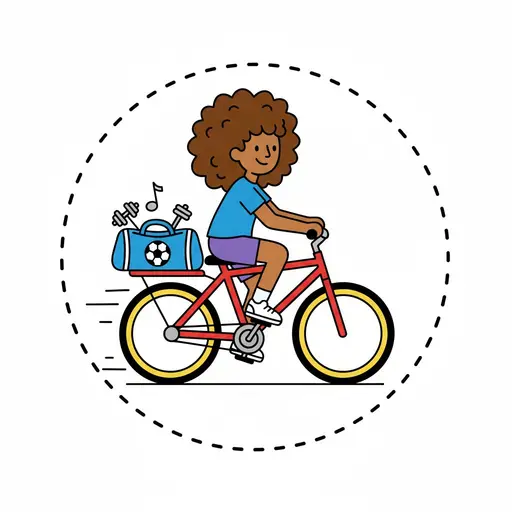
Bike to practice
A girl riding a bike with a sports bag on the back.
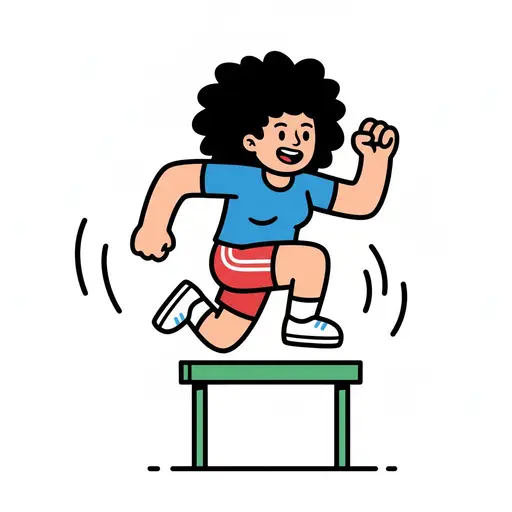
Exercise
Cartoon illustration of a woman in sportswear jumping over a green hurdle.
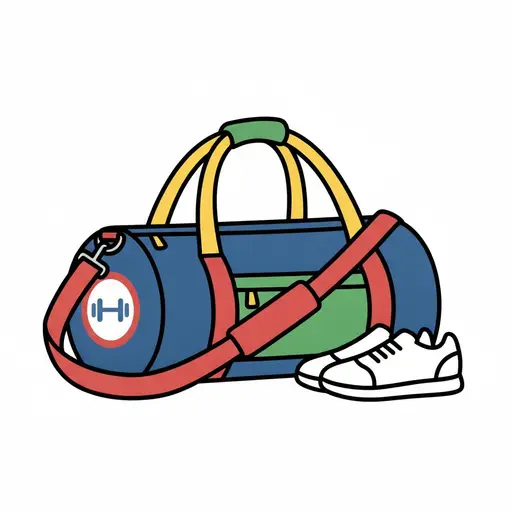
Gym bag
A blue duffel bag with a dumbbell tag and a pair of white trainers.
Bike shorts
A pair of black cycling shorts with grey details.
Athletics
A girl runs past a hurdle, with a javelin and a target around her.
Pack soccer clothes
A girl packs a red football shirt, shorts and socks into a green sports bag with...
This visual support in other languages
Take the visual supports with you
In Routined you build schedules from these pictures, add timers and voice instructions, and your child follows the day on their own.


* 14-day free trial, then $2.39 a month or $20.99 a year (US pricing). Cancel anytime.