Take a walk
It is not the walk itself that is hard, it is leaving something fun and putting shoes on without a clear reward at the other end. The pictures below give the transition steps you can actually see.
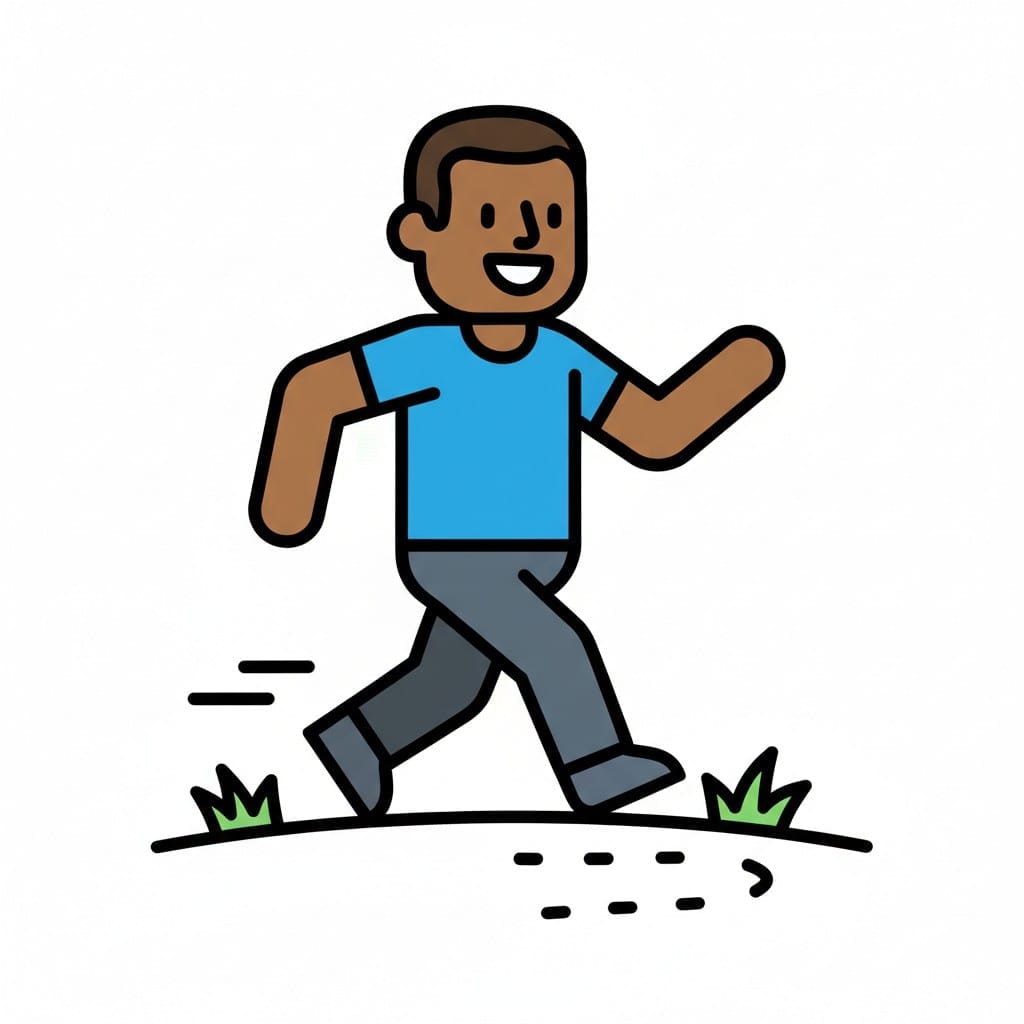 ♂
♂Take a walk
A man walking outside.
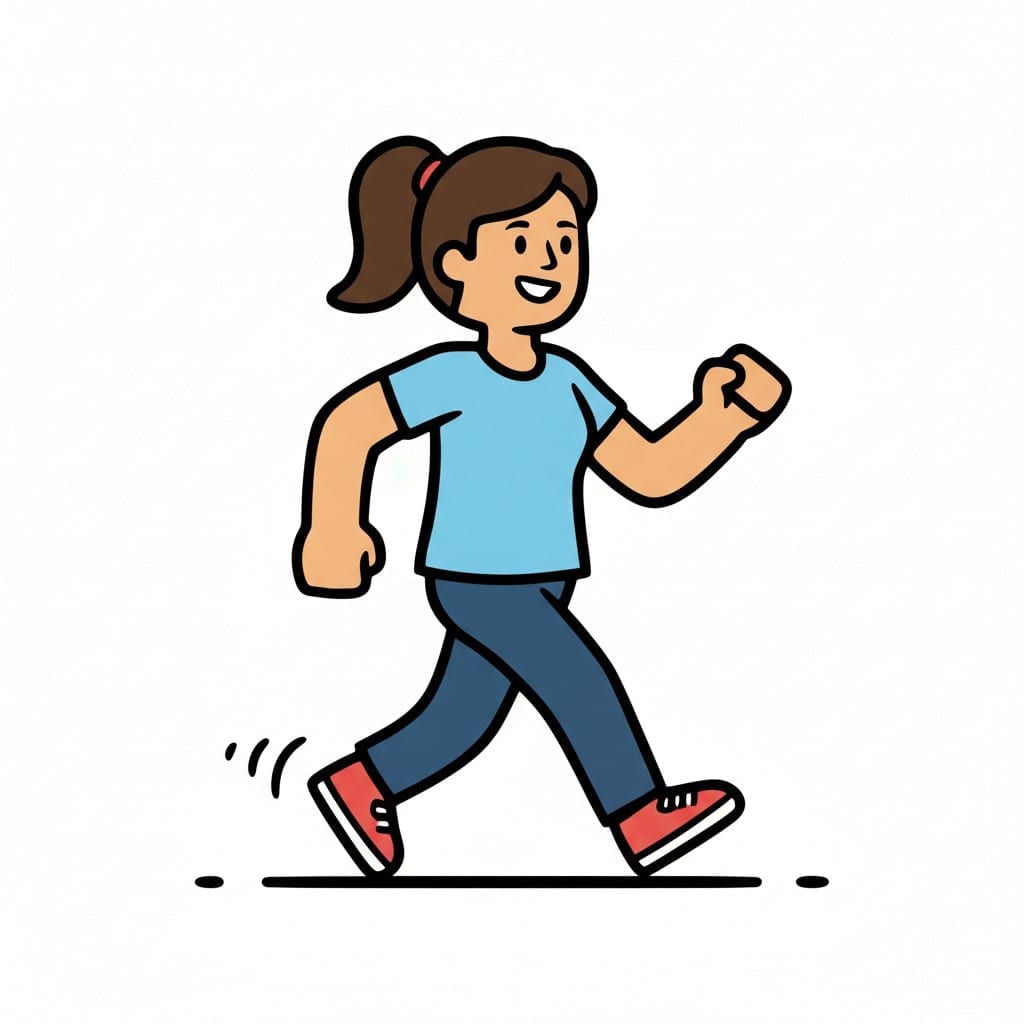 ♀
♀A woman walking
A cartoon image of a woman walking with a happy expression.
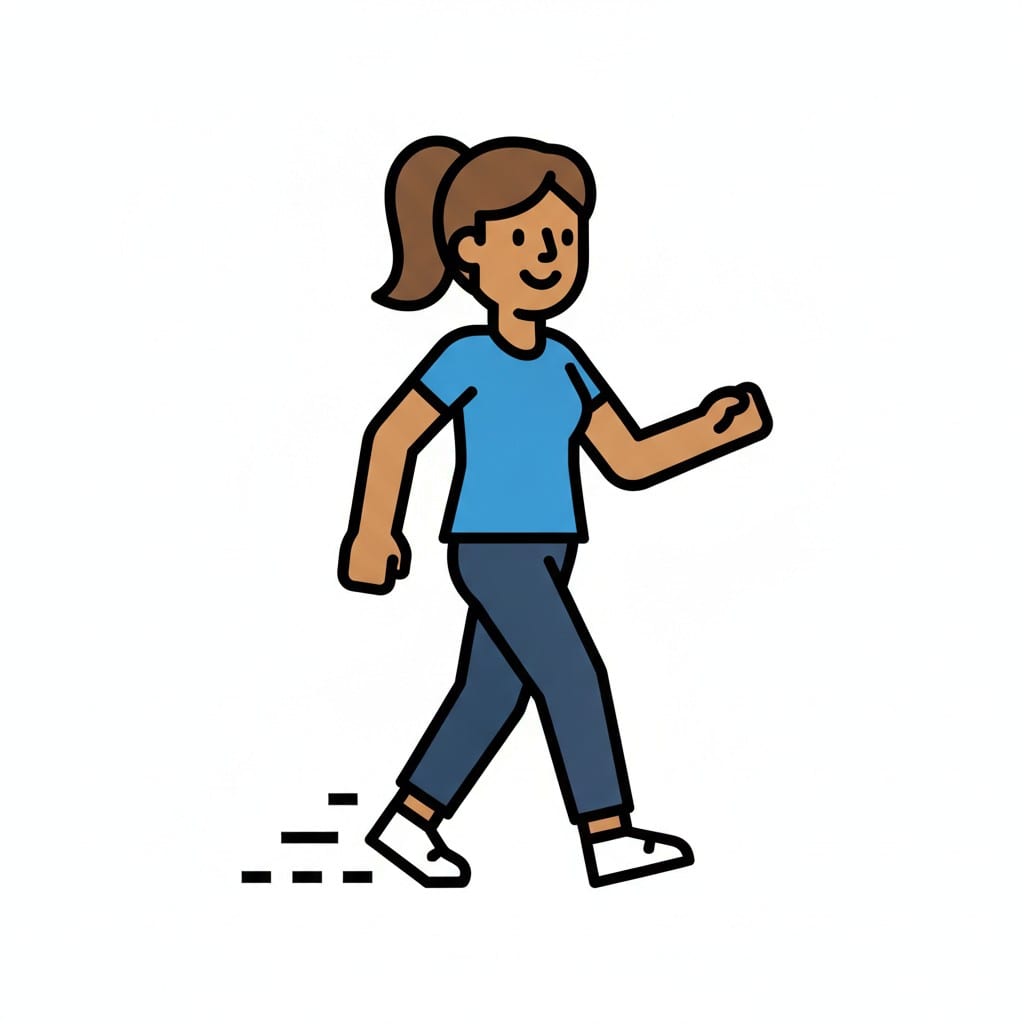 ♀
♀Woman out walking
A woman with a ponytail strides forward in a blue t-shirt and dark trousers.
About this visual support
A walk is one of those activities where the doing is usually pleasant but the starting is a wall. There is no goal, no instant reward, just the body being asked to stop doing what it already enjoys and head for the door. Transitions without a clear purpose are some of the most resisted moments in a child’s day.
Visual support gives the missing reward a shape you can look at. When the sequence shows leave toy, shoes on, jacket, out, and a concrete thing to spot on the way, like a particular garden or a lamppost the child likes to count, the brain finds something to aim at. Toddlers in language development and older children working on transitions both benefit.
A specific tip: agree on a tiny mission before you leave, for example finding three red things or picking up a stone that fits the pocket. The mission pulls focus away from what was left behind and forward into the walk. In Routined the walk can sit as a short sequence with a start, a midpoint and a return home, so getting going stops being the entire mountain.
This image is part of these ready-made schedules
Use this image in a schedule
Build your own visual schedule with this image and download it as a print-ready PDF. Completely free.

More similar visual supports
Exercise in the forest
A child does a lunge exercise among the trees in the forest.
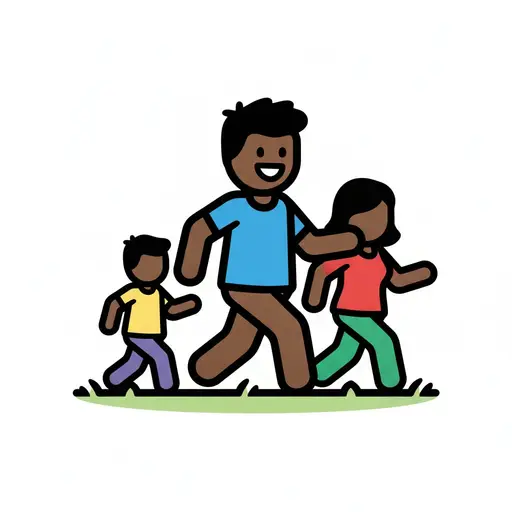
Family walk
An adult and two children walk together on the grass.
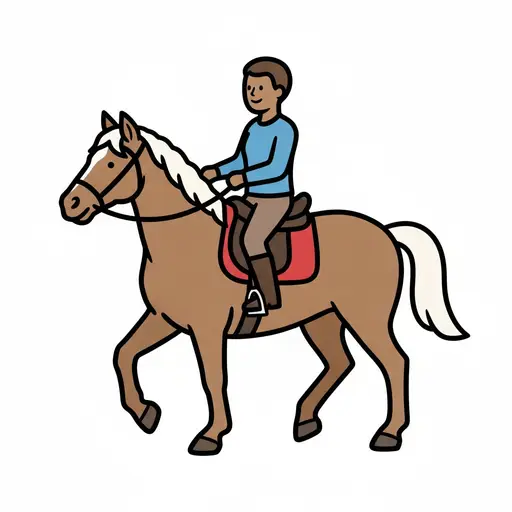
Ride a bike
A child rides a brown horse.
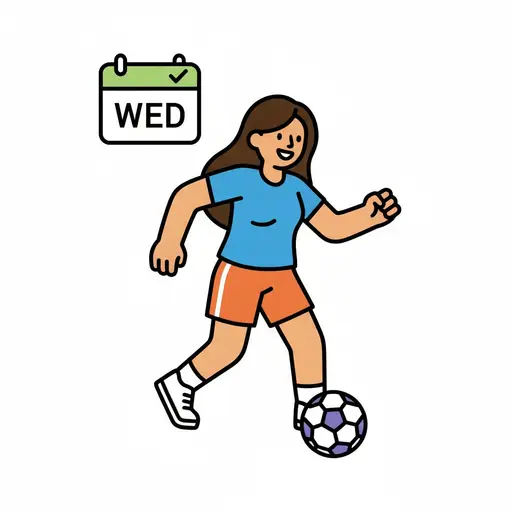
Sport
A smiling person in a blue top and orange shorts moves a football along, beneath...
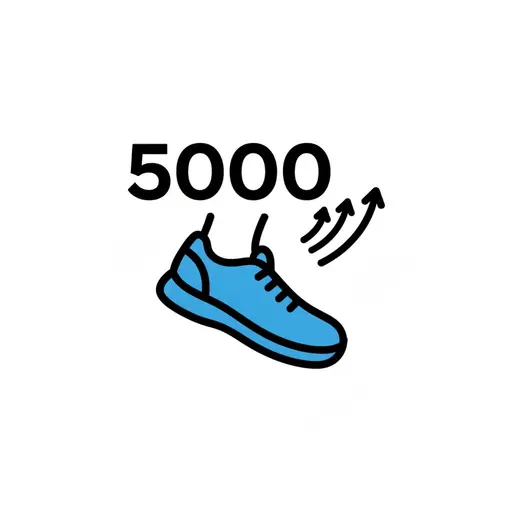
5000 Steps
A blue sneaker with the number 5000 and arrows showing movement.
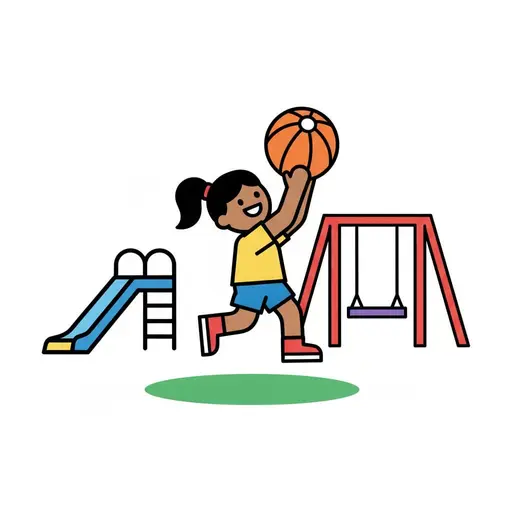
Active play
A girl jumps with a basketball in a playground with a slide and swings.
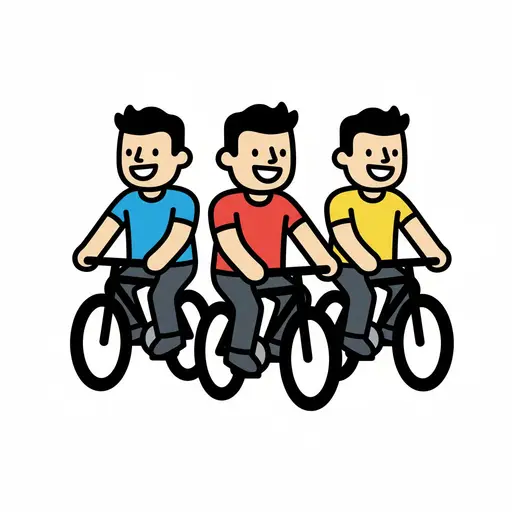
Bike with friends
Three happy boys ride their bicycles side by side.
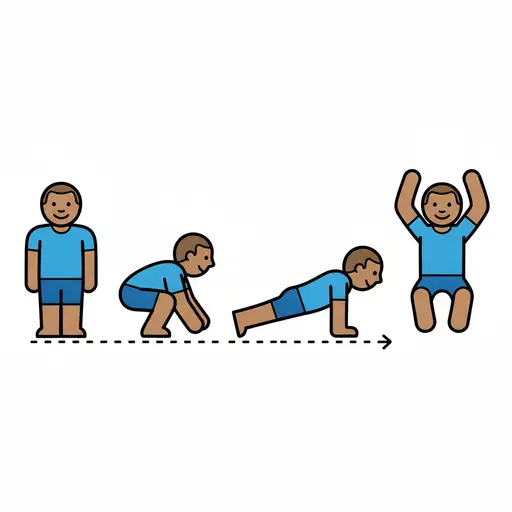
Burpees
Four figures in a row show a boy standing, squatting down, dropping into a plank...
Take the visual supports with you
In Routined you build schedules from these pictures, add timers and voice instructions, and your child follows the day on their own.


* 14-day free trial, then $2.39 a month or $20.99 a year (US pricing). Cancel anytime.