Toys
Toys pull a child's attention no matter what the clock says, and being interrupted right at the best part of play feels unfair. The visual support below gives the child a clear heads-up before things wrap.
Toys
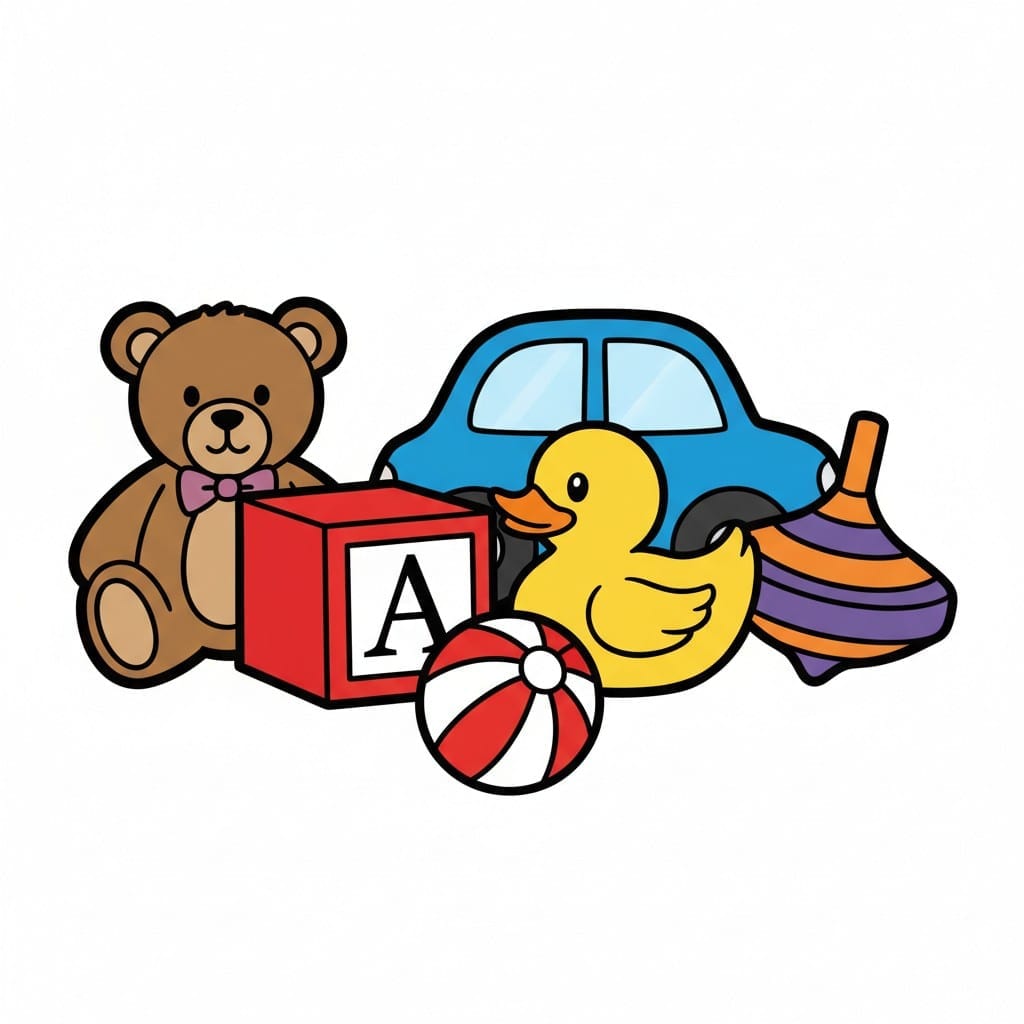
A collection of toys including a teddy bear, car, duck, block, and ball.
Toys
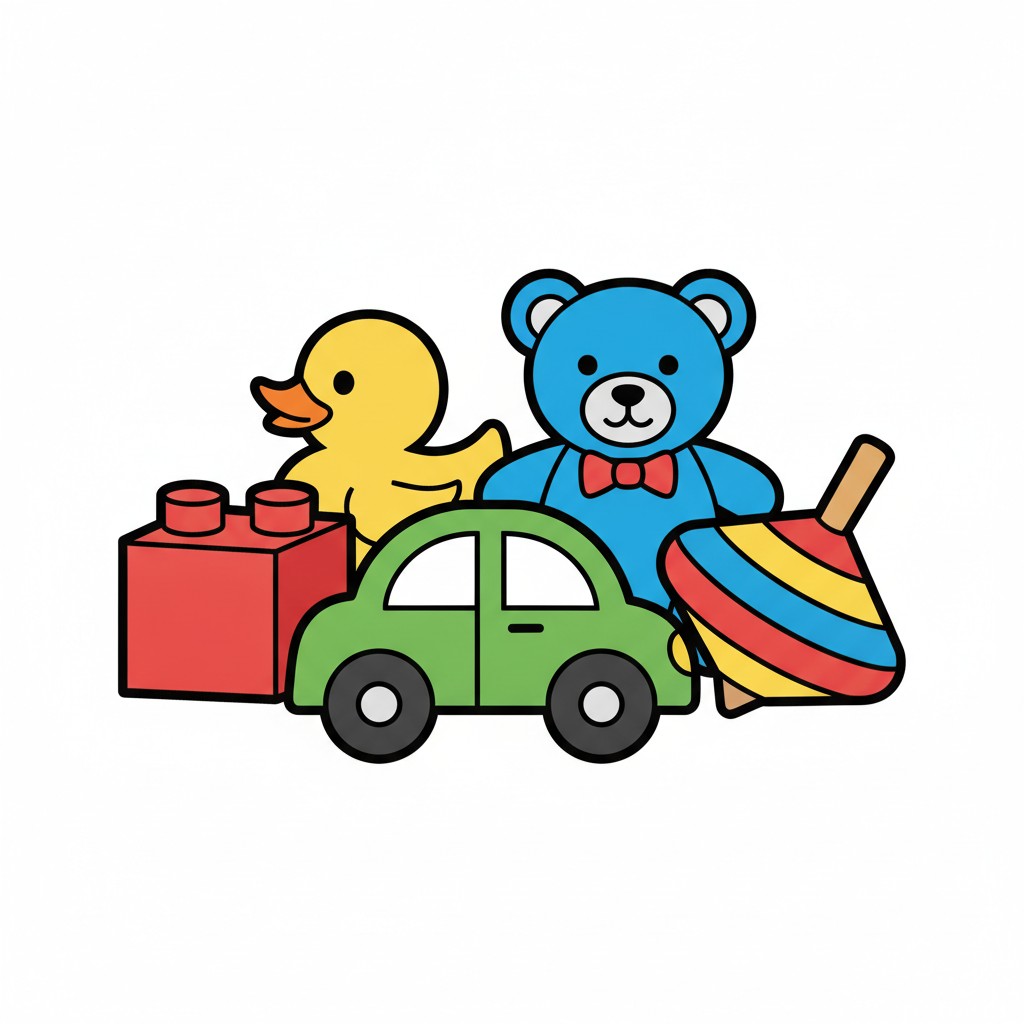
A rubber duck, a teddy bear, a building brick, a car and a spinning top.
Pile of toys
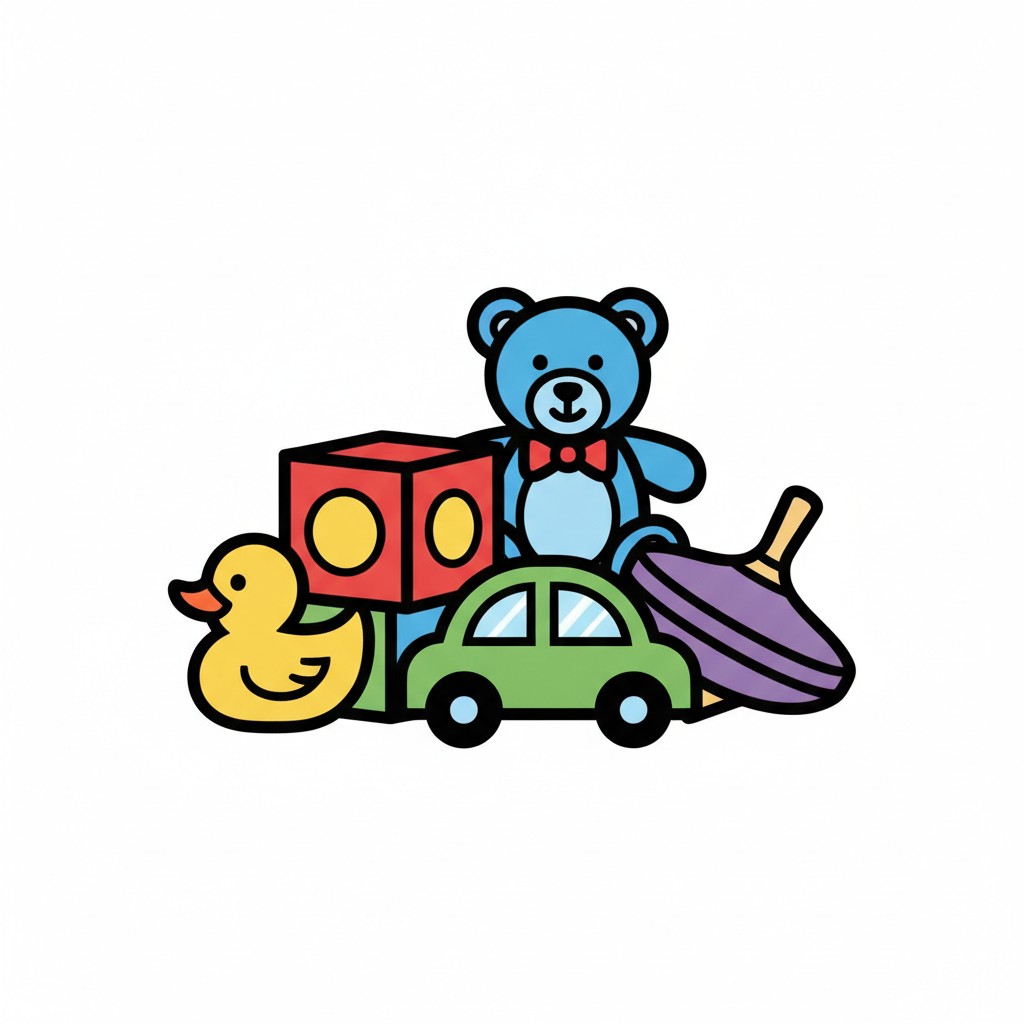
A teddy, a block, a duck, a car and a spinning top in a pile.
Toys with letter block
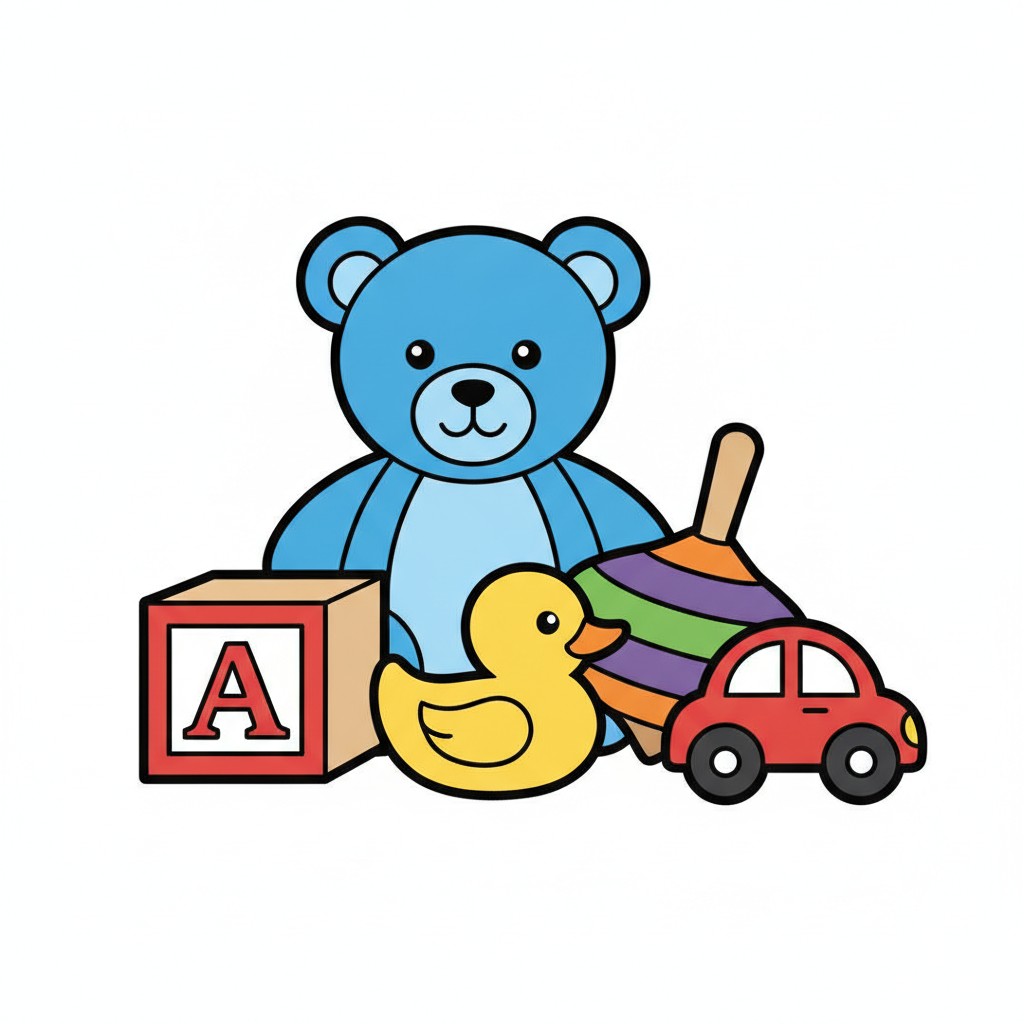
A blue teddy, an A block, a duck, a spinning top and a red car.
About this visual support
Toys carry their own gravity. When a child is deep in the blocks or the cars, it is not refusal that keeps them from hearing you – it is that the play feels weightier than the voice above their head. Pulling them out without warning almost always sparks a clash, no matter how calmly it is said.
A visual schedule for toys works best as a small set of pictures rather than one: play in progress, play paused or packed away, and what comes next. When the child sees the sequence before it kicks in, the change does not happen in a jolt. You can also photograph the family's favourite toys and use them in the support, which makes it crystal clear exactly what needs to go back in the box.
A concrete tip: lay the next-card next to the child a little before play ends, without saying anything. The brain starts shifting in the background. Inside Routined you can build a short toy-to-next sequence to bring up on the phone as the moment approaches.
Use this image in a schedule
Build your own visual schedule with this image and download it as a print-ready PDF. Completely free.

More similar visual supports

Indoor games
A cartoon girl with a happy face sits cross-legged inside a house outline. She i...
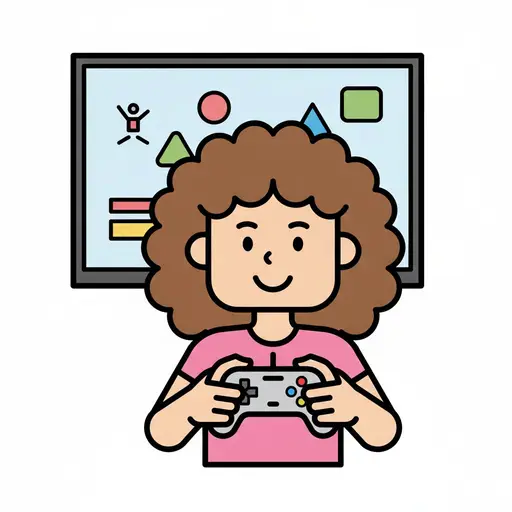
Play games
Holding a controller, a girl with curly hair plays in front of a television show...
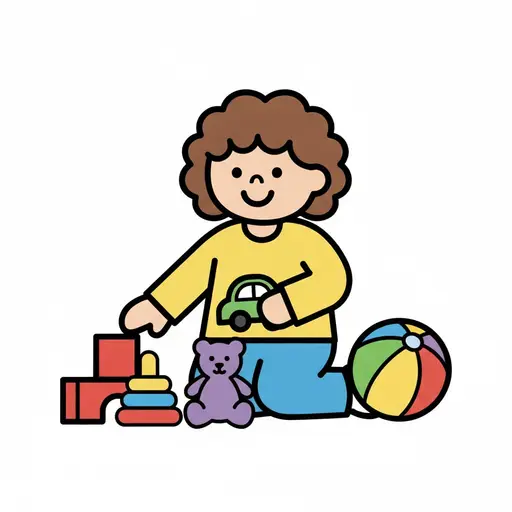
Free play
A girl plays with blocks, a car, a teddy and a ball.
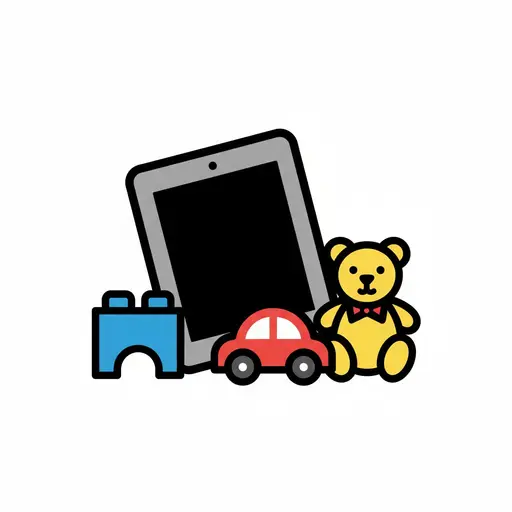
iPad and toys
An iPad is leaning against a blue building block. Next to it are a red toy car a...
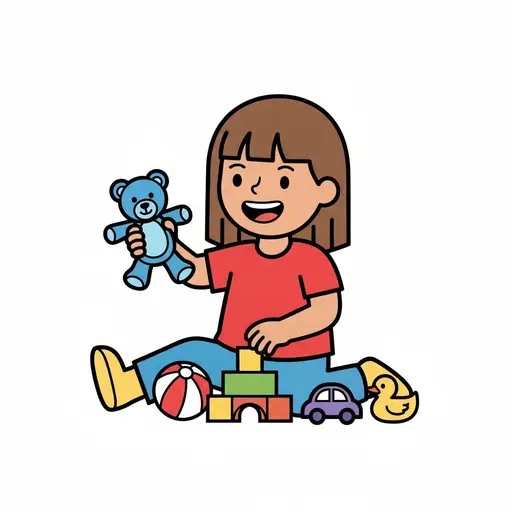
Leisure time
A girl sits on the floor with a teddy, blocks, a ball and a car.
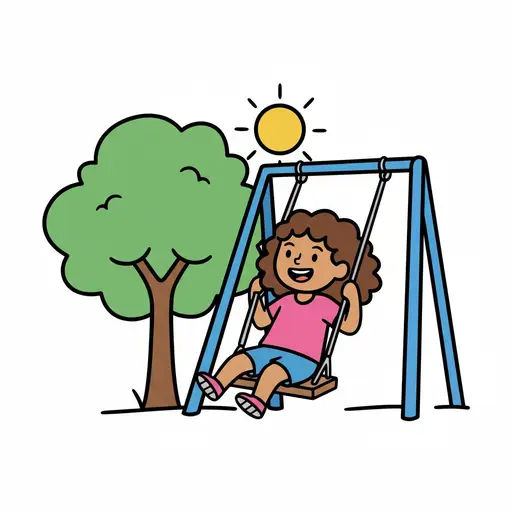
Outdoor Play
A happy girl on a swing in an outdoor setting with a tree and sun.
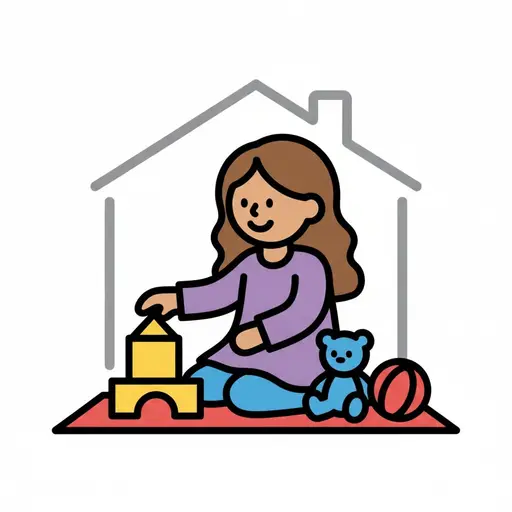
Play indoors
Inside a drawn house, a girl sits on a red rug stacking yellow blocks, with a bl...
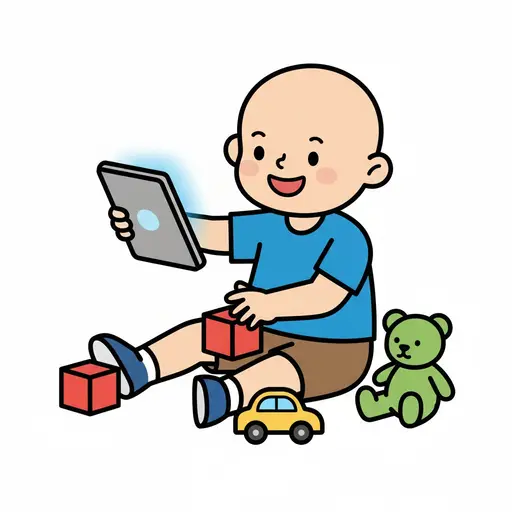
Play iPad and toys
A happy boy is sitting on the floor holding an iPad. Around him are red building...
Take the visual supports with you
In Routined you build schedules from these pictures, add timers and voice instructions, and your child follows the day on their own.


* 14-day free trial, then $2.39 a month or $20.99 a year (US pricing). Cancel anytime.