Walk
A walk without a destination can feel pointless when a child needs to know where the legs are heading. With the goal on a card, walking becomes a stretch between two places rather than a loop with no end. The visuals below map out the route.
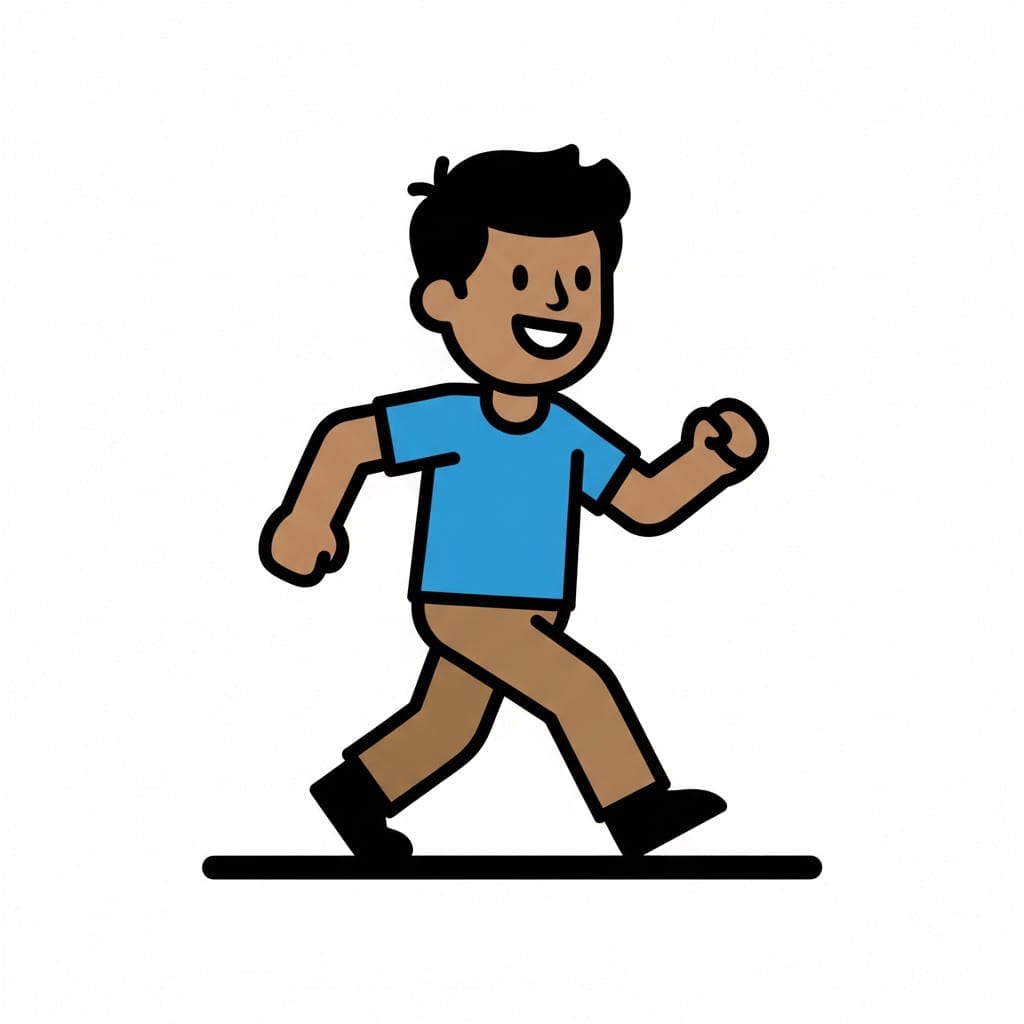 ♂
♂Man walking
A man in a blue t-shirt strides forward along a line on the ground.
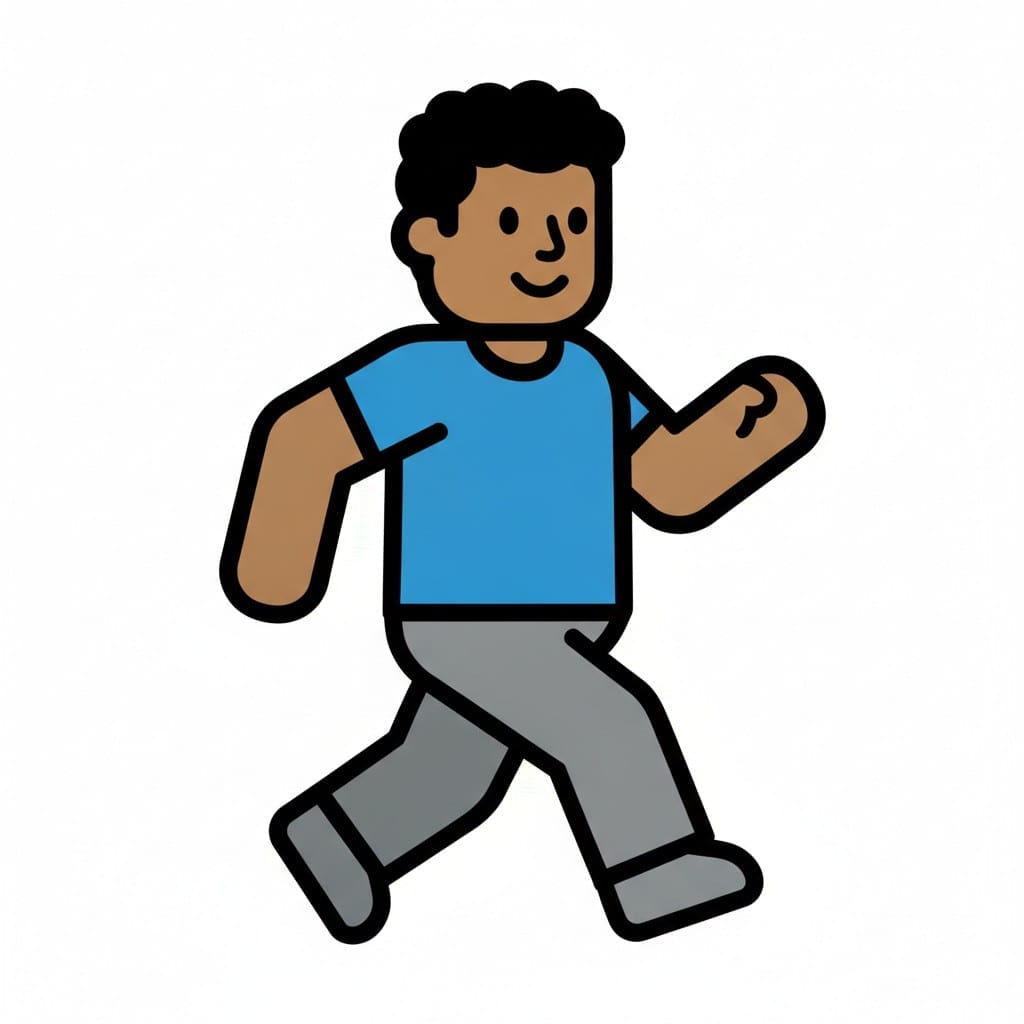 ♂
♂Brisk walk
Seen from the side, a man in a blue t-shirt and grey trousers is caught mid-stride.
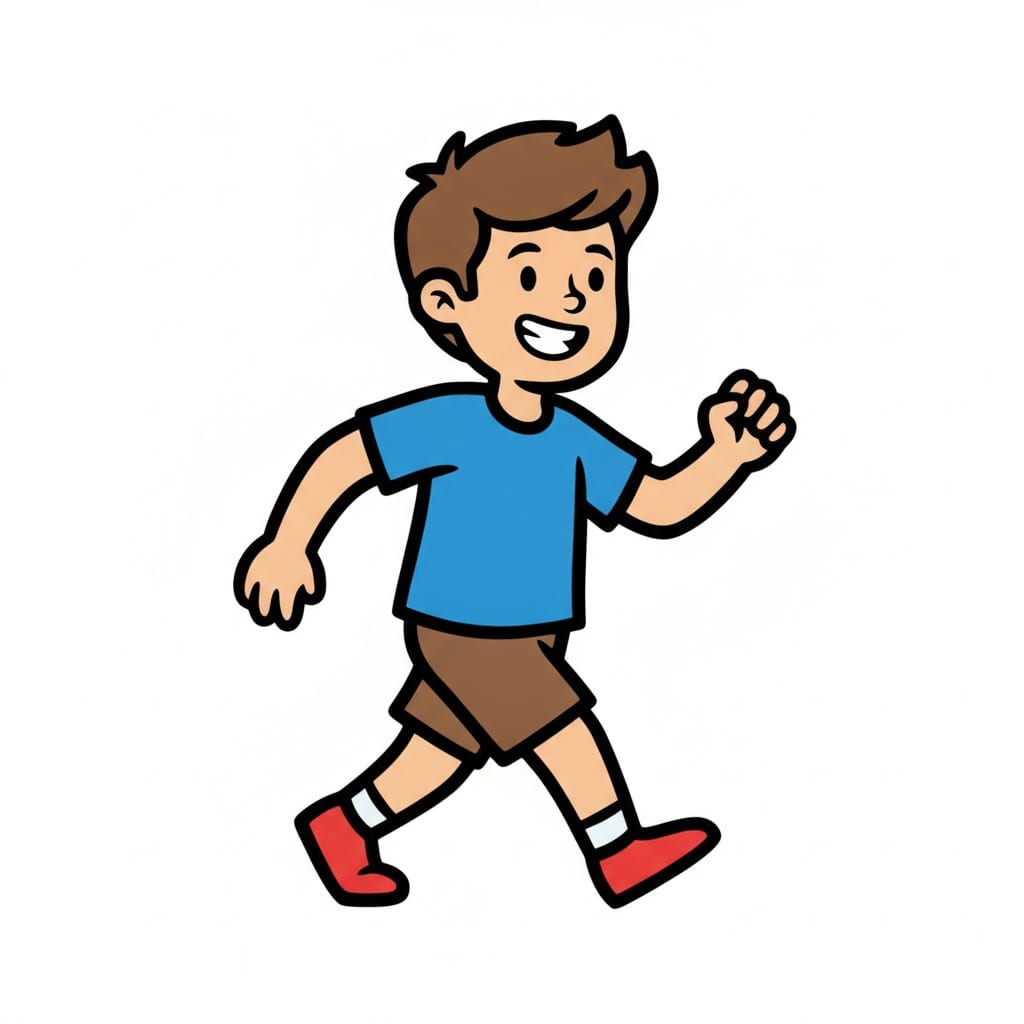 ♂
♂Boy walking
A cheerful boy in a blue t-shirt, brown shorts and red shoes walks forward.
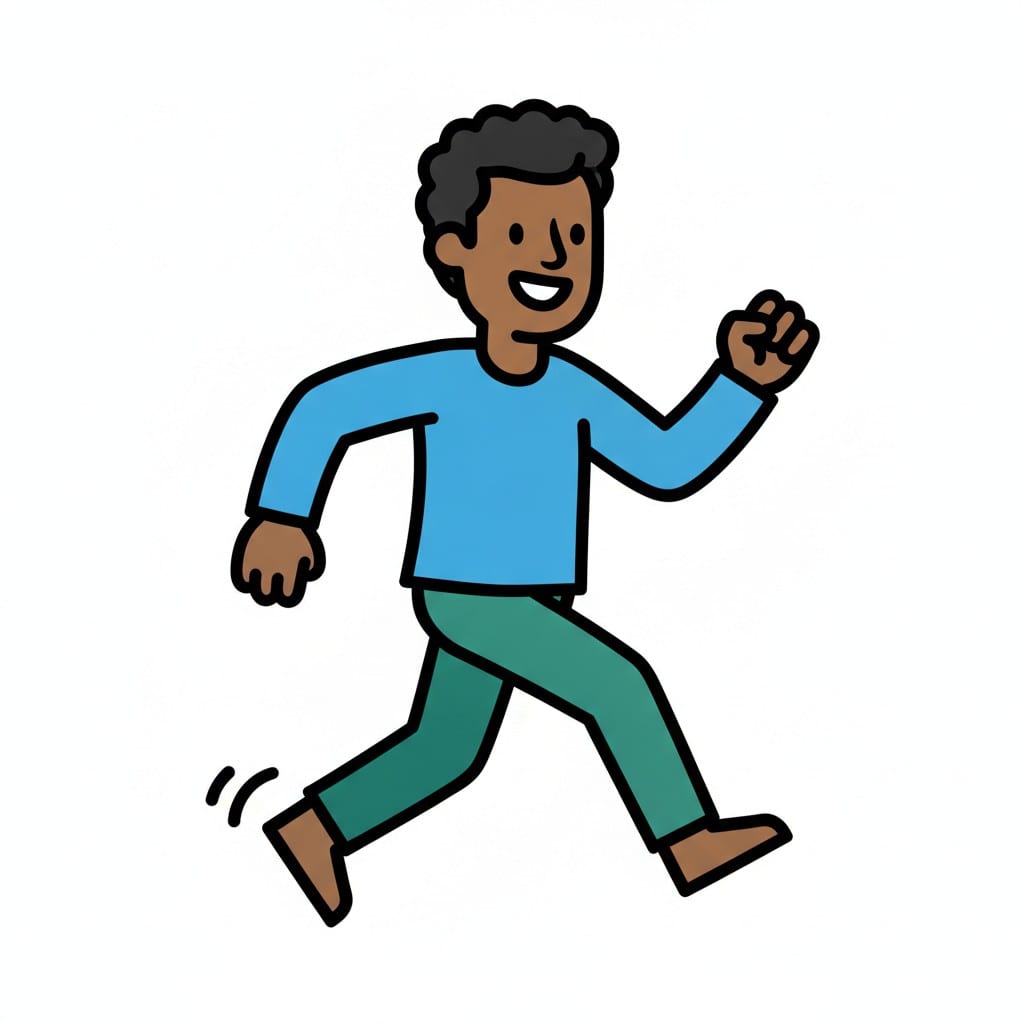 ♂
♂Person walking briskly
A laughing person in a blue top and green trousers strides forward with motion lines at their foot.
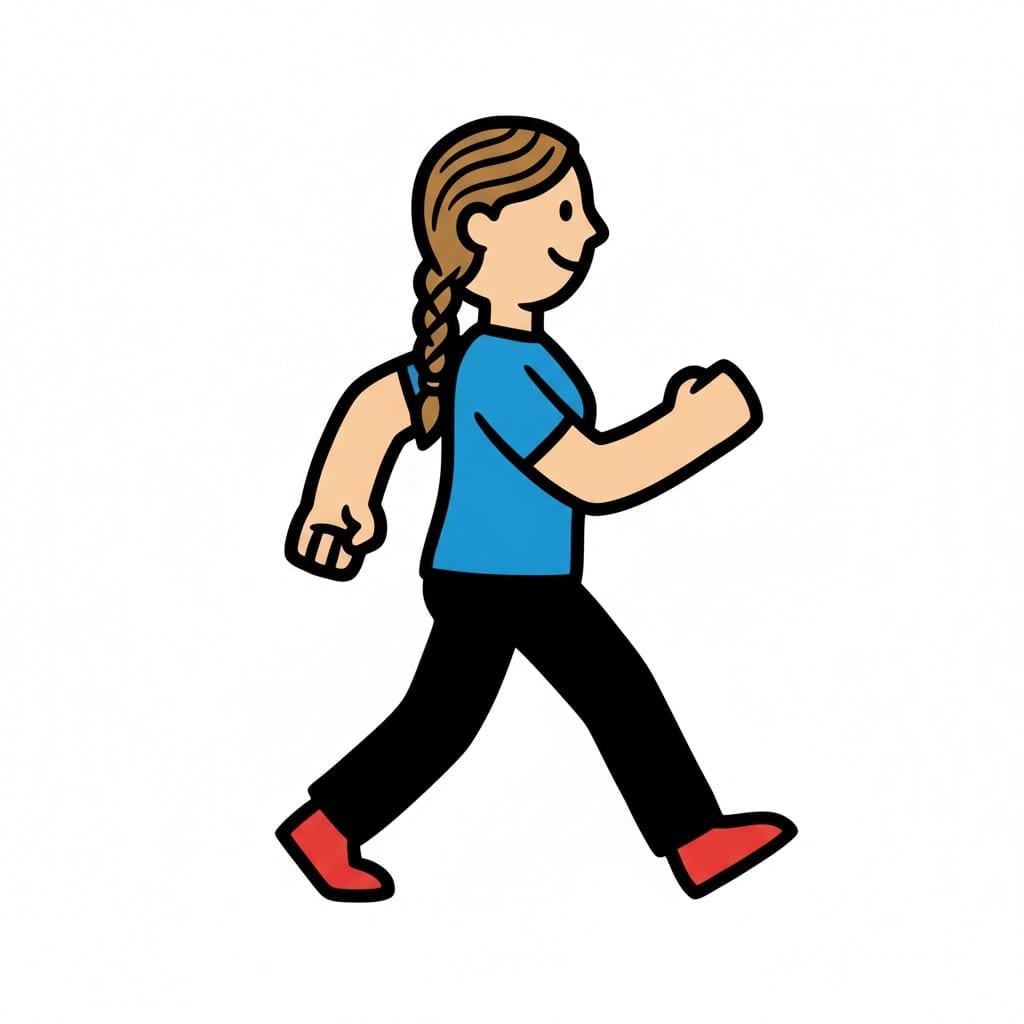 ♀
♀Girl walking
A girl with braids is walking with a smile.
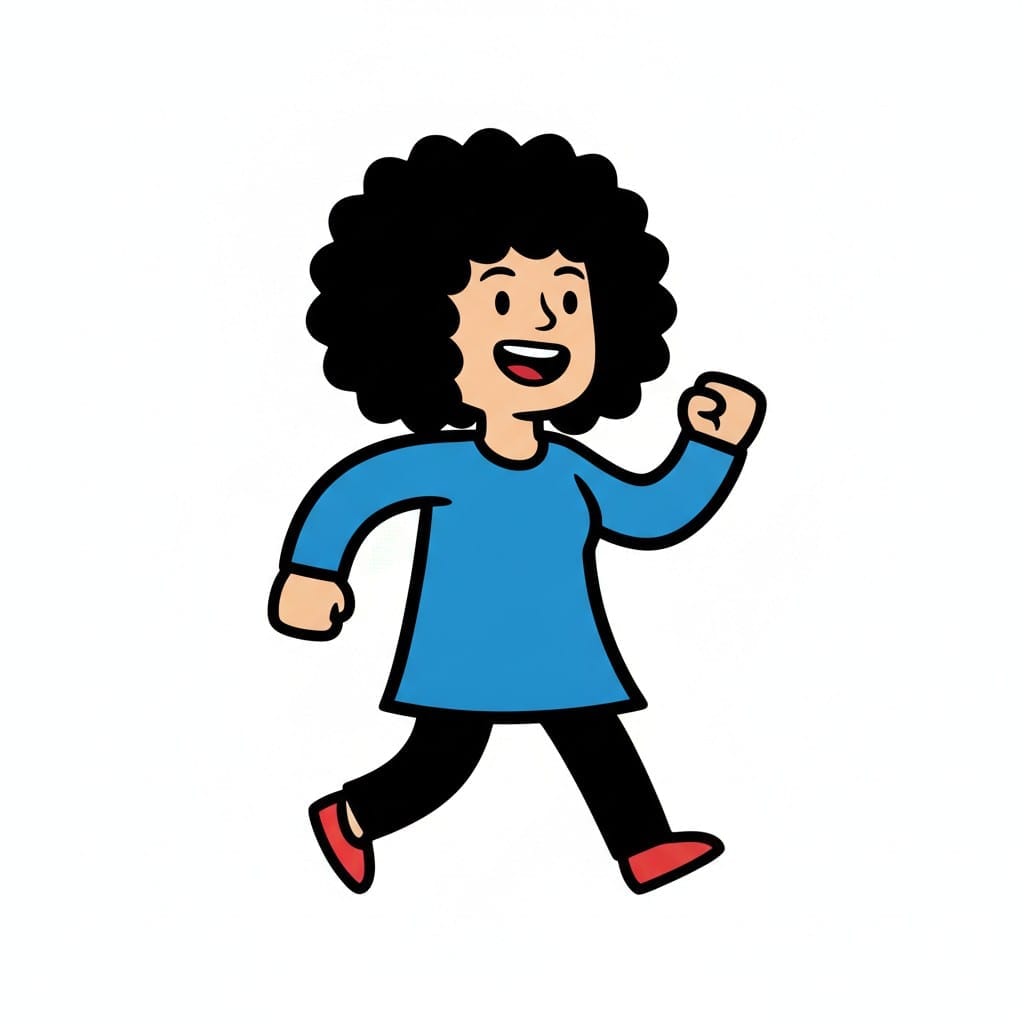 ♀
♀Girl out walking
A laughing girl with big curly hair walks along in a blue tunic and red shoes.
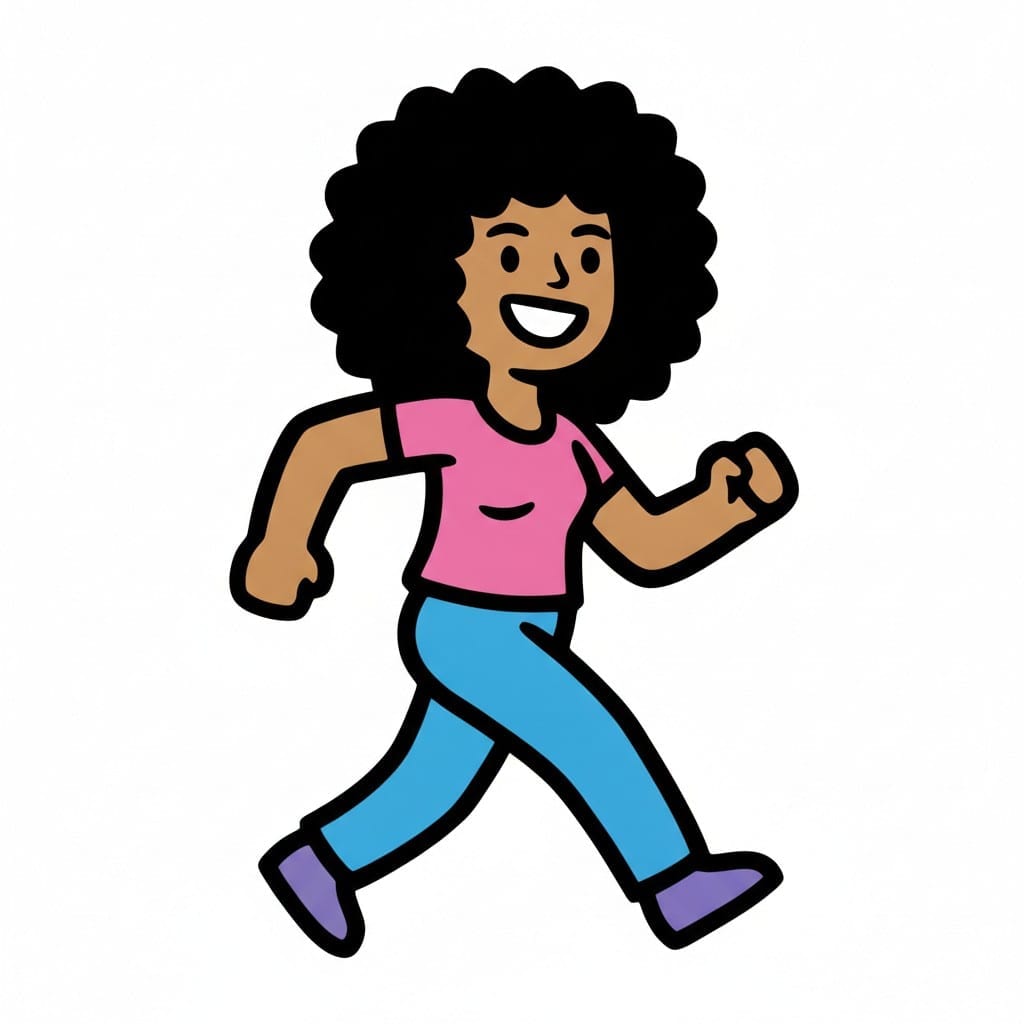 ♀
♀Woman walking
A smiling woman in a pink top and blue jeans takes long steps forward.
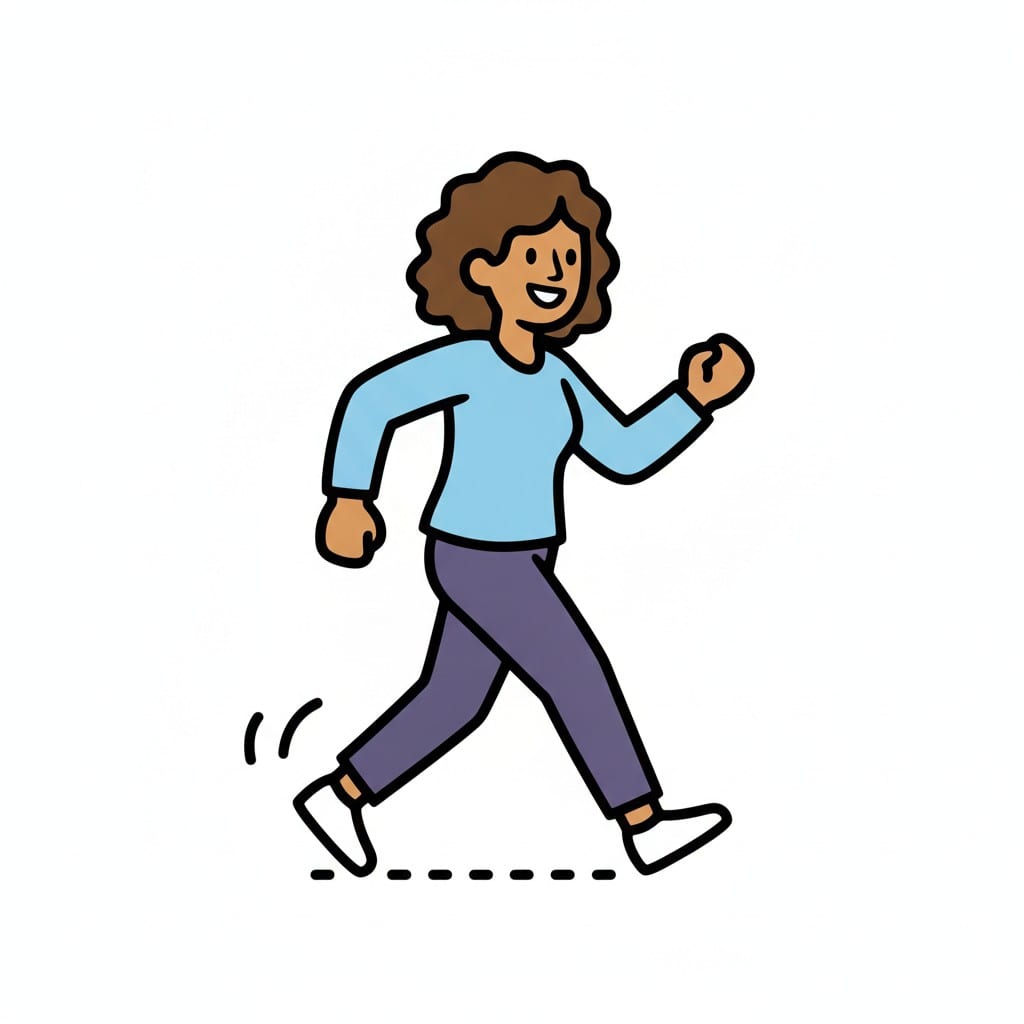 ♀
♀Person walking along a dashed line
A smiling person in a light blue top and dark trousers walks forward along a dashed line on the ground.
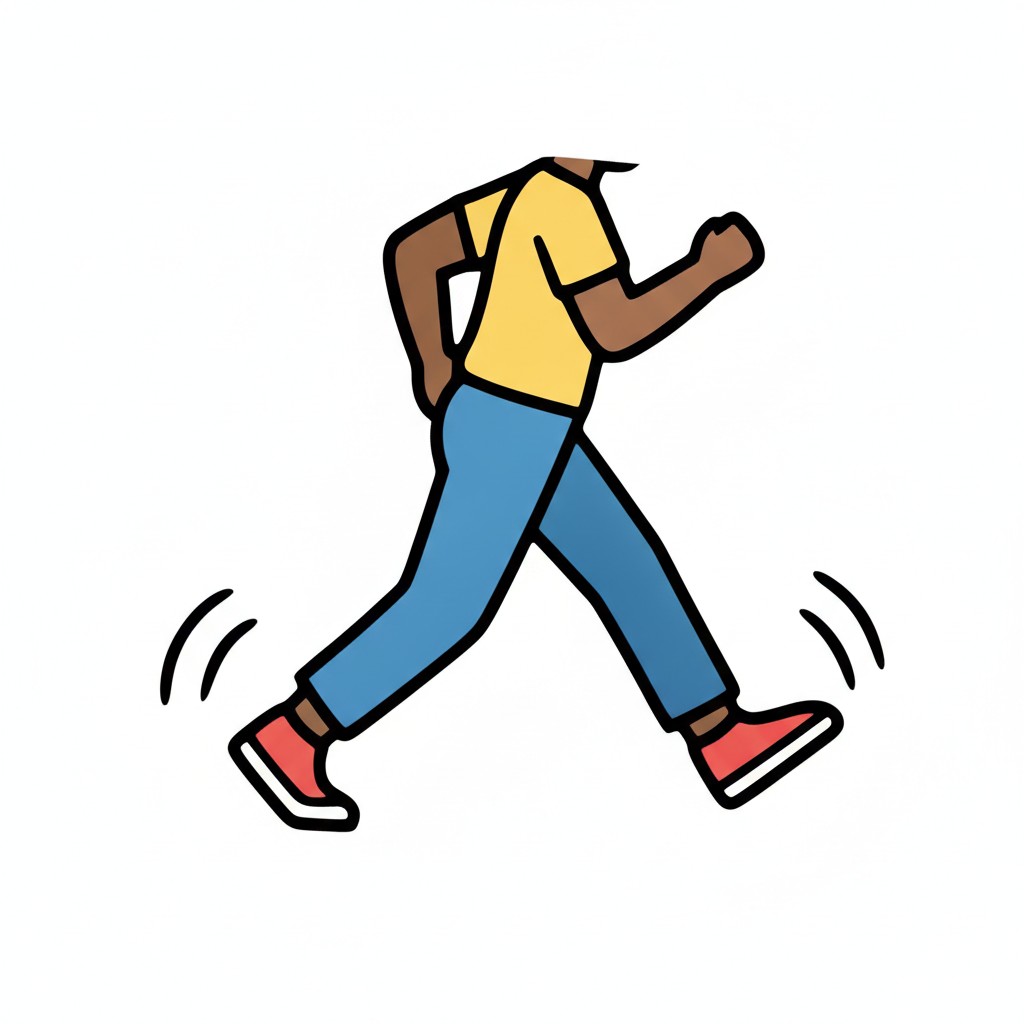 ⚲
⚲Walk briskly
A person walks briskly forward with a backpack and red shoes, with movement lines at their feet.
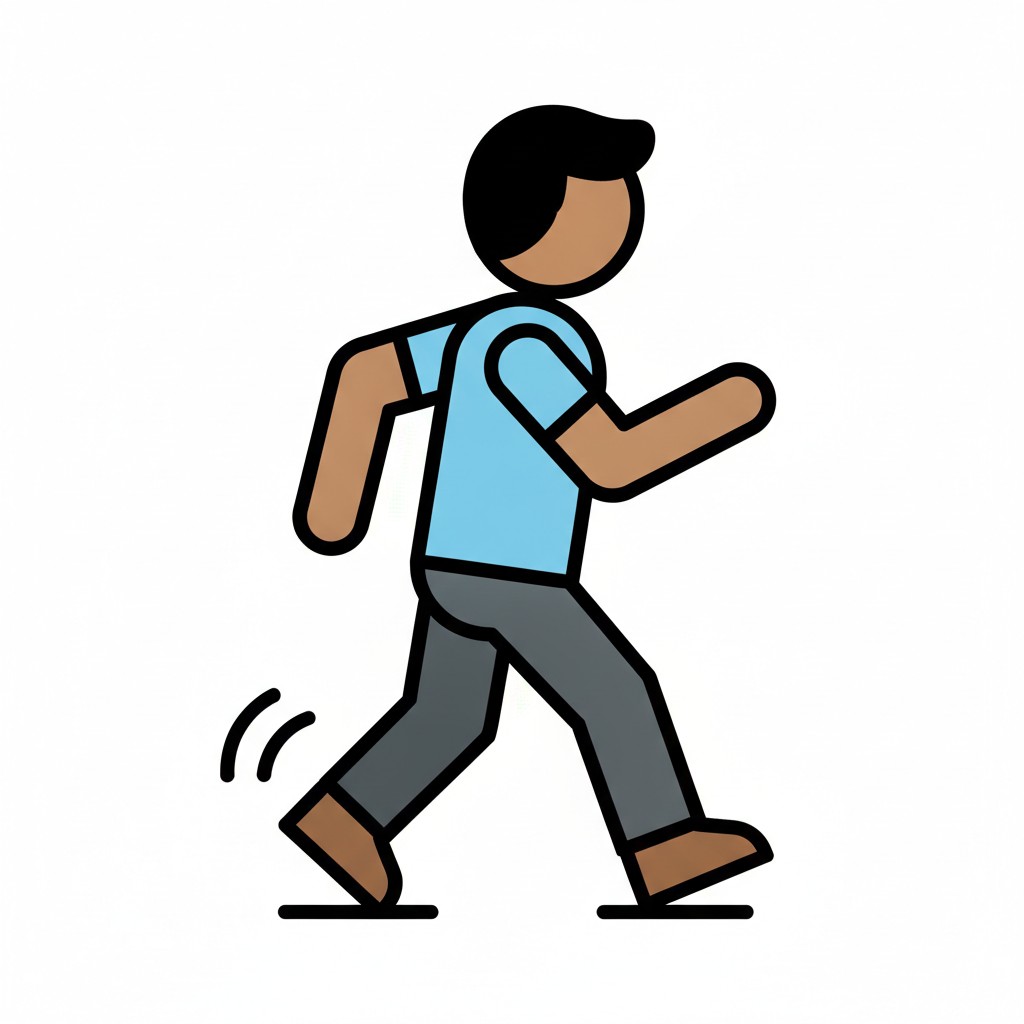 ⚲
⚲Walk with a backpack
A person walks sideways with a light blue backpack and movement lines behind them.
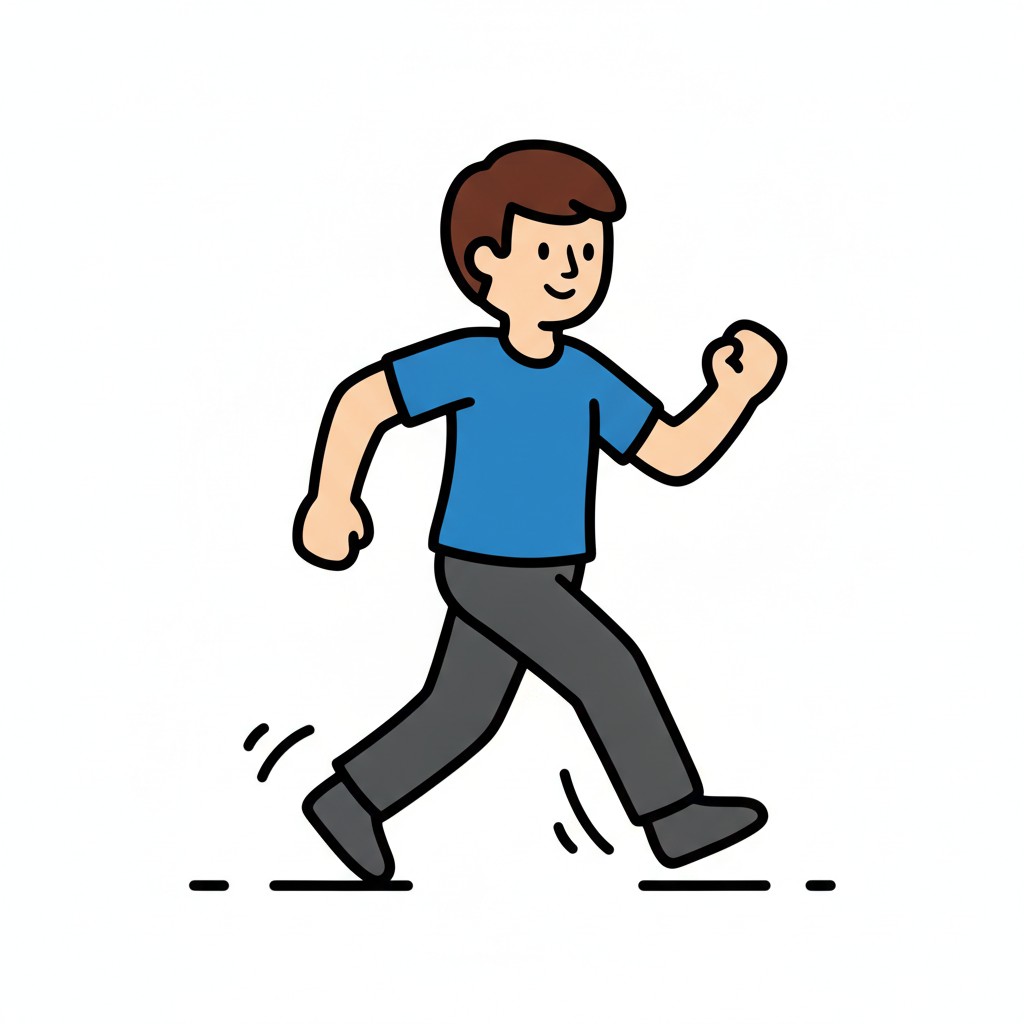 ⚲
⚲Walk forward
A person walks forward in a blue top and dark trousers, with dashes at their feet showing movement.
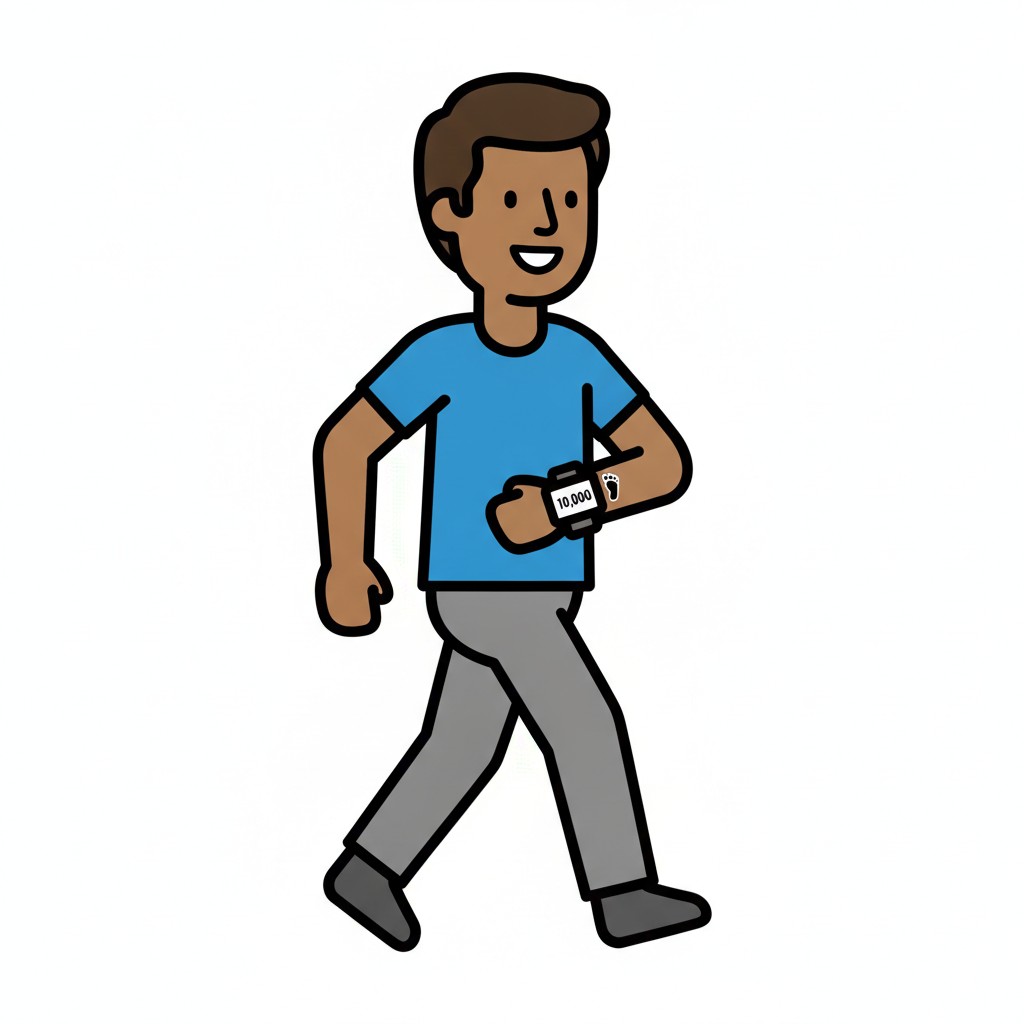 ⚲
⚲Walk with a step counter
A person walks forward holding a step counter in their hand.
About this visual support
The question your child asks in the hallway isn't really about walking. It's about where, and why right now. Without a concrete answer, the walk turns into a chore, and resistance starts building at the shoe rack. What looks like an aversion to movement is often just a missing destination.
When you place a picture of the goal – the playground, the post box, the kiosk that sells ice cream – the walk gets a beginning, middle and end the child can picture. The brain stops asking and starts moving. Images of waypoints along the route, a park you pass, a fence with cats behind it, break the distance into smaller, manageable chunks.
Let the child pick between two or three destinations when possible. That small choice is the difference between being led and leading. In Routined you can save different walking routes as ready sequences, so the child can point to today's loop before the jackets are even on.
Use this image in a schedule
Build your own visual schedule with this image and download it as a print-ready PDF. Completely free.

More similar visual supports
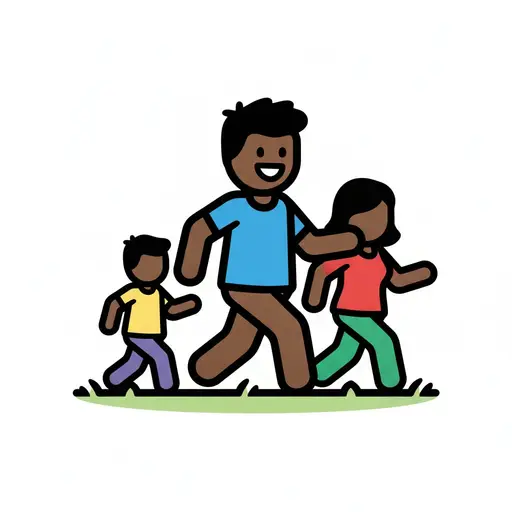
Family walk
An adult and two children walk together on the grass.
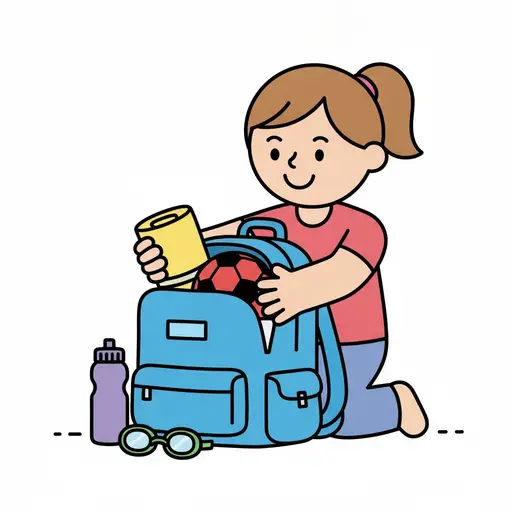
Pack for activities
A girl packs a blue backpack with a ball and a rolled towel, and a water bottle ...
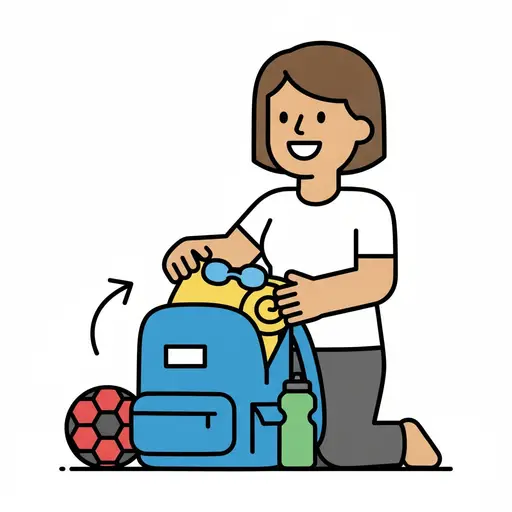
Pack for the activity
A girl puts a yellow towel and goggles into a blue backpack, with a ball and a g...
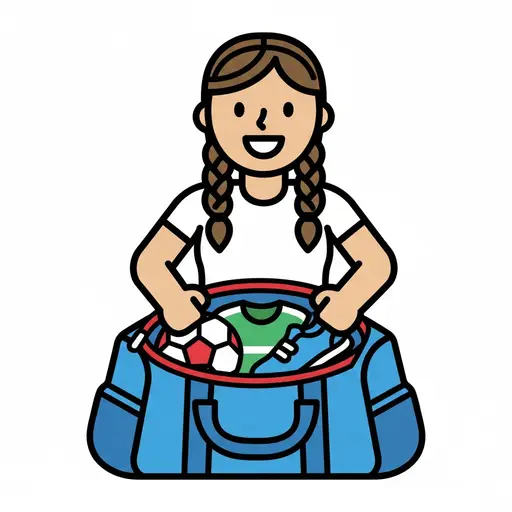
Pack for sports
A girl with braids holds open a blue sports bag packed with a football, a jersey...
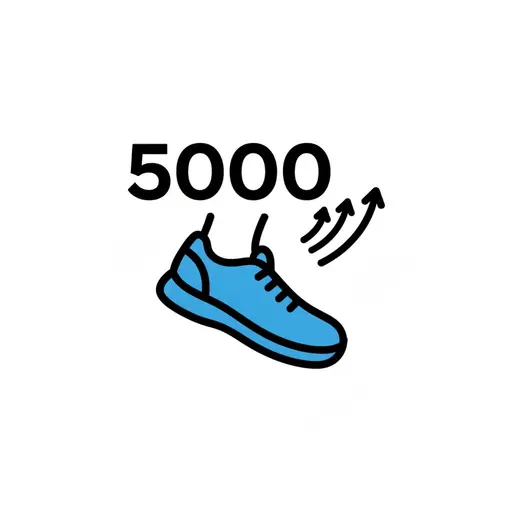
5000 Steps
A blue sneaker with the number 5000 and arrows showing movement.
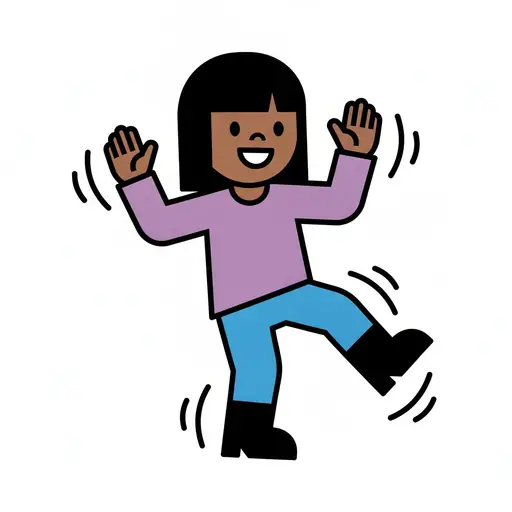
Dance
A girl dances with her arms raised and one leg lifted, with movement lines aroun...
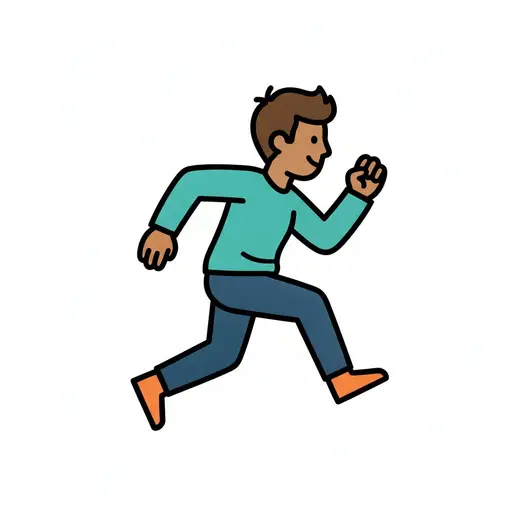
Move around
A person jogs forward in a green top and blue trousers.
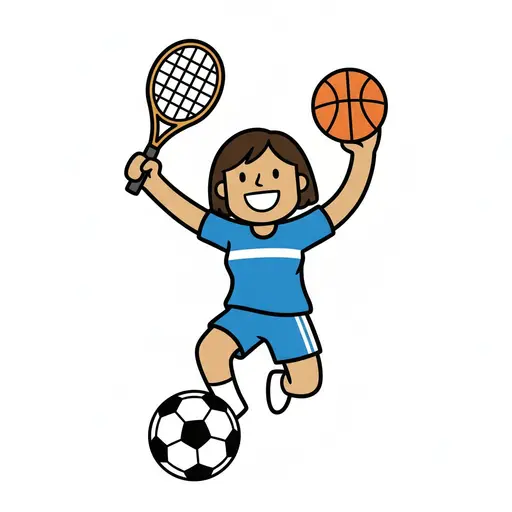
Play sports
A girl in sports clothes holds a racket and a basketball with a football at her ...
Take the visual supports with you
In Routined you build schedules from these pictures, add timers and voice instructions, and your child follows the day on their own.


* 14-day free trial, then $2.39 a month or $20.99 a year (US pricing). Cancel anytime.