Workout
The body has to push even though the reward sits far ahead, and the tiredness always shows up first. The visual schedule below splits the workout into visible steps, so progress is plain without having to ask again and again.
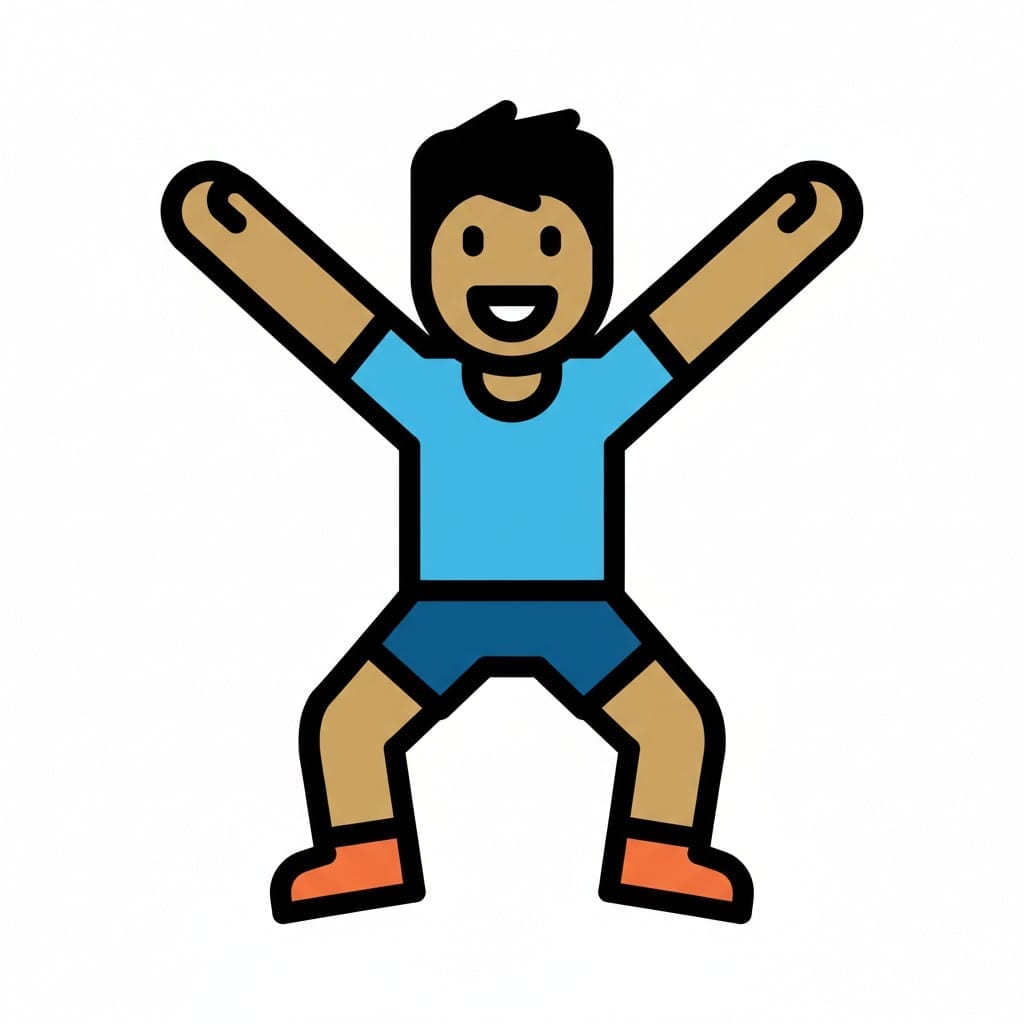 ♂
♂Exercise
A cartoon boy in a light blue t-shirt and dark blue shorts performs a jumping jack pose with arms up and legs apart.
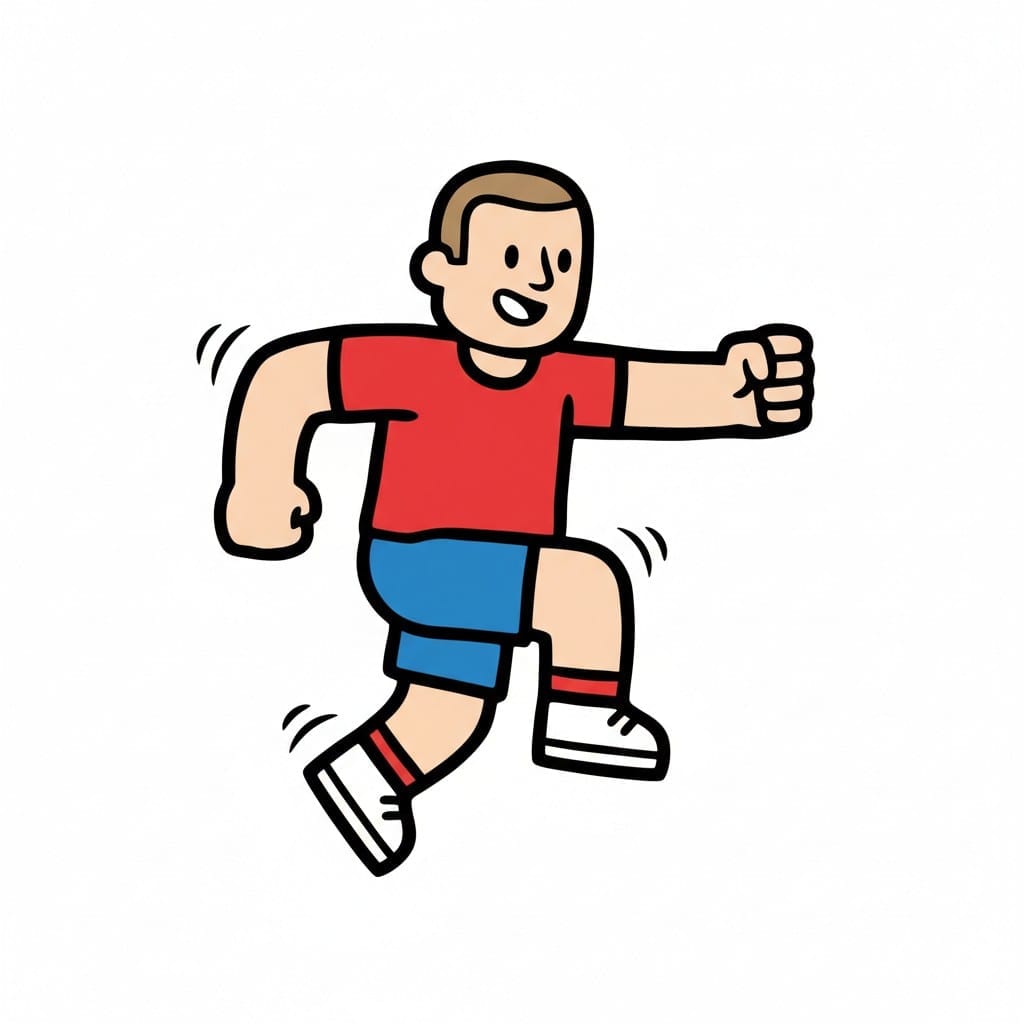 ♂
♂Exercise
A boy exercising or running.
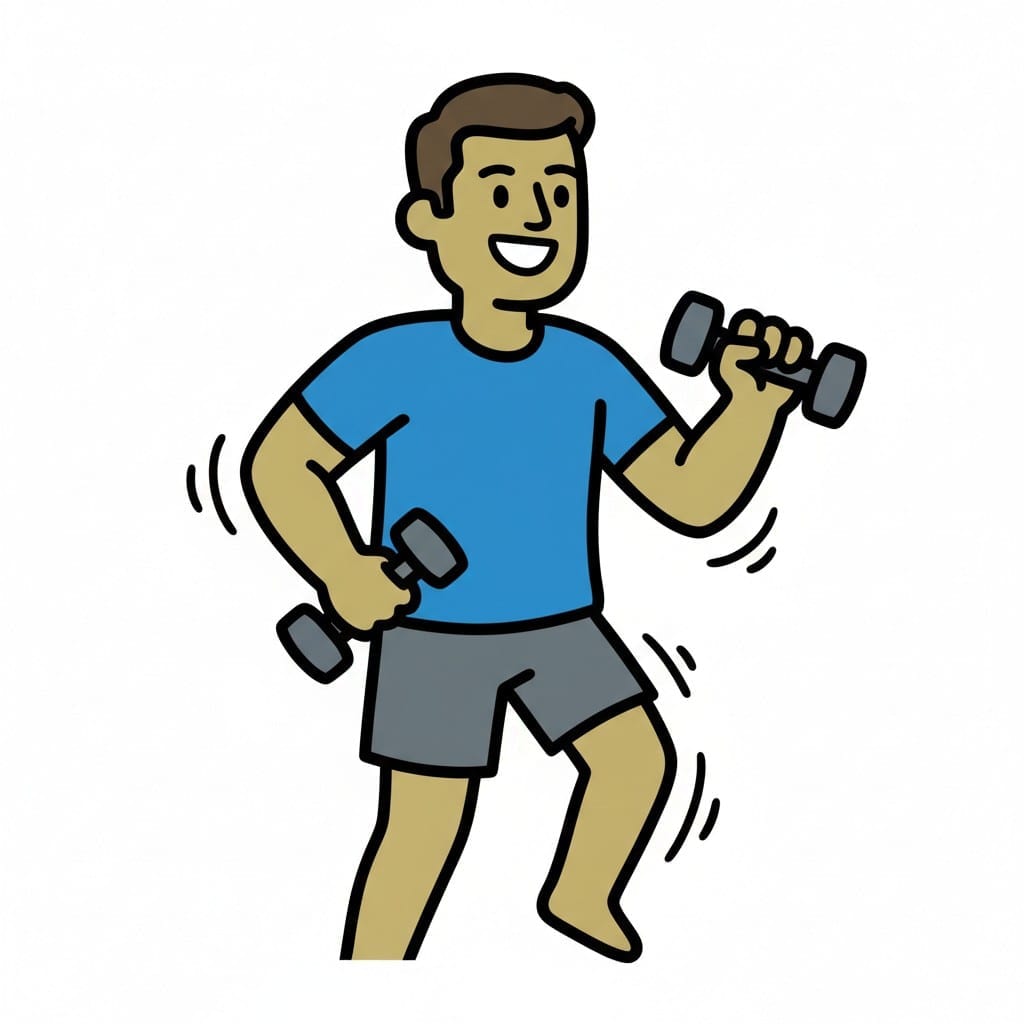 ♂
♂Exercise
A man is exercising with dumbbells.
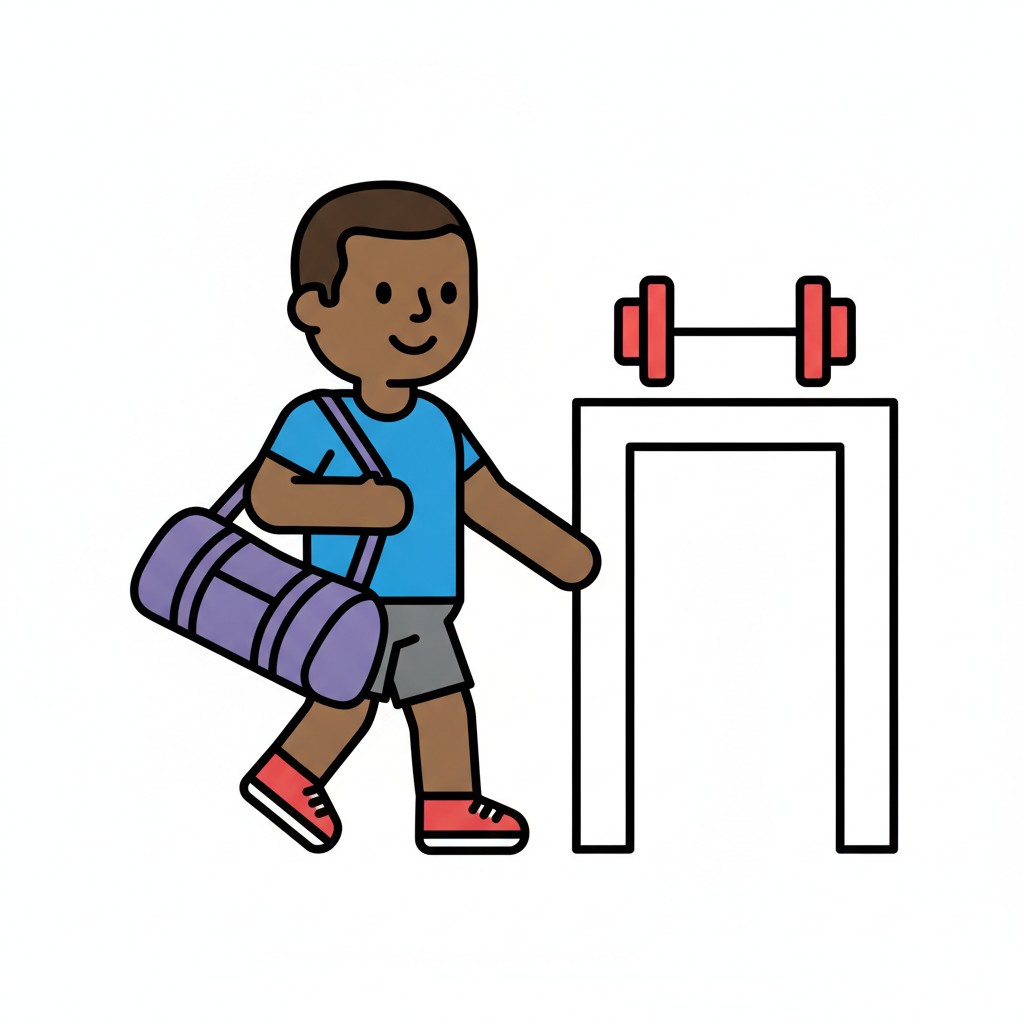 ♂
♂Going to the gym
A boy with a gym bag walks into a gym.
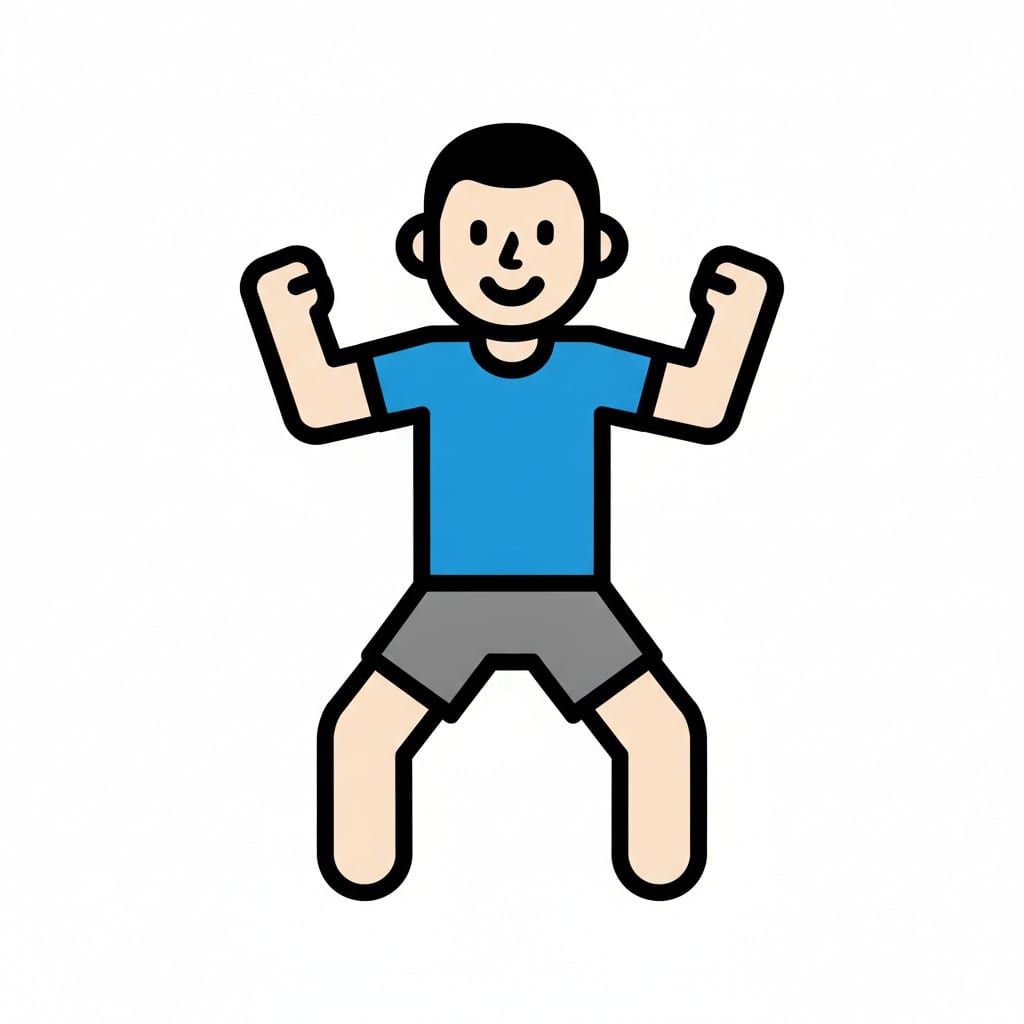 ♂
♂Doing exercises
A boy in shorts does a squat with his arms bent upward.
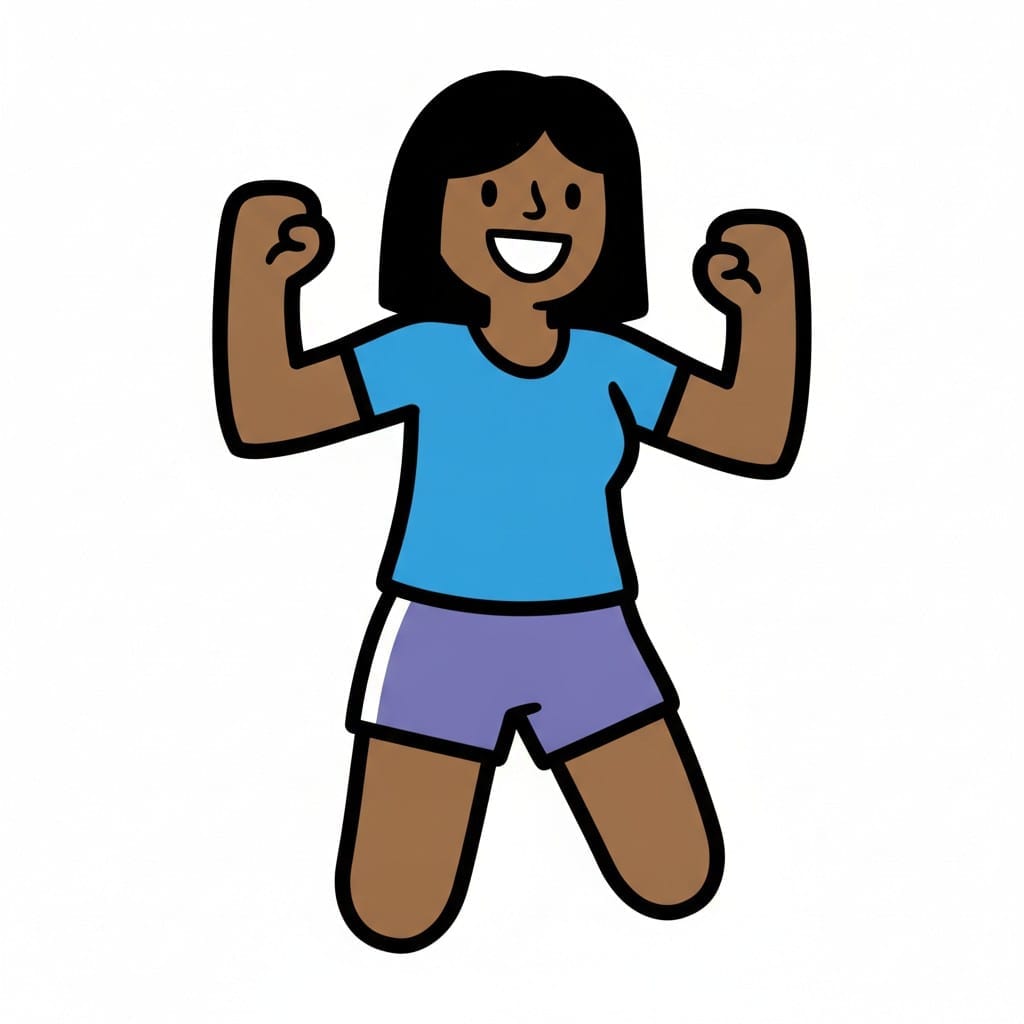 ♀
♀Jumping with arms flexed
A woman in a blue t-shirt and purple shorts jumps with both arms flexed upward.
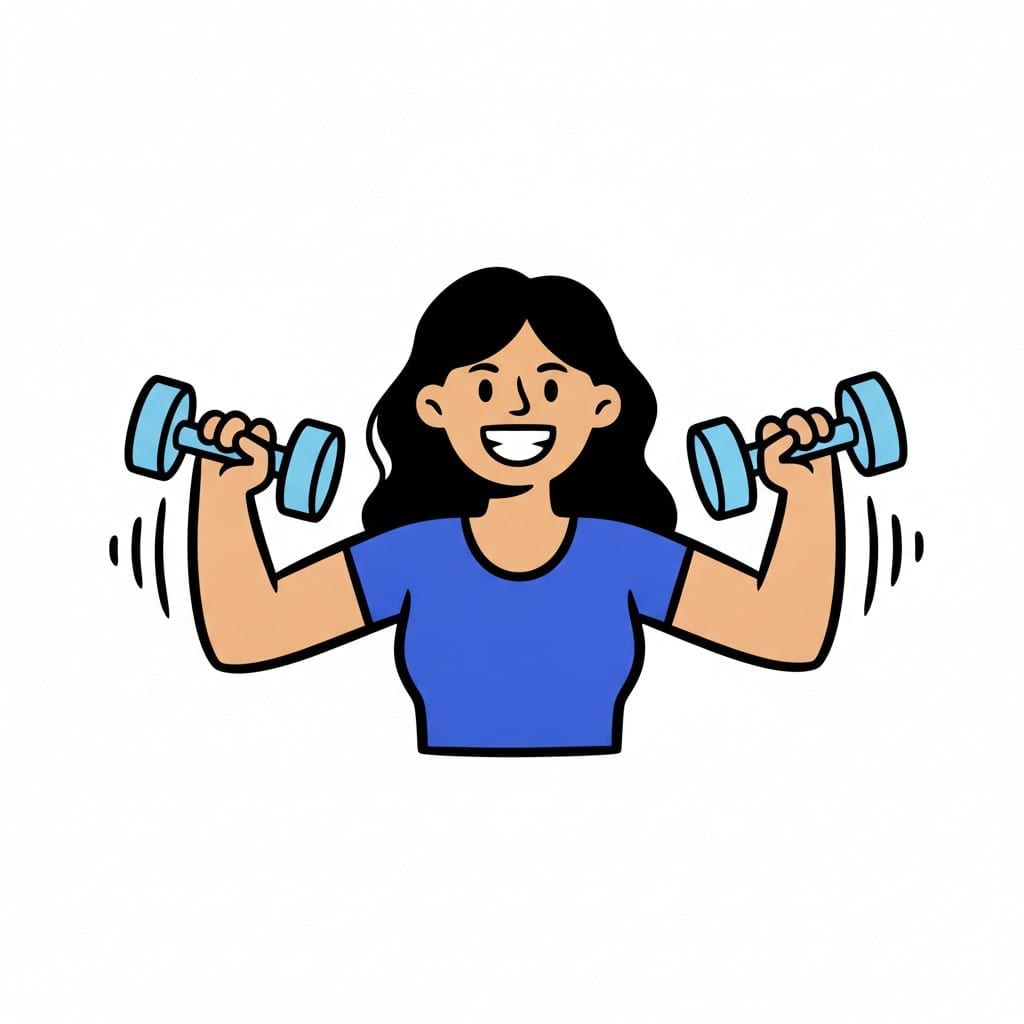 ♀
♀Lifting dumbbells
Smiling and wearing a blue t-shirt, a woman raises a light blue dumbbell in each hand.
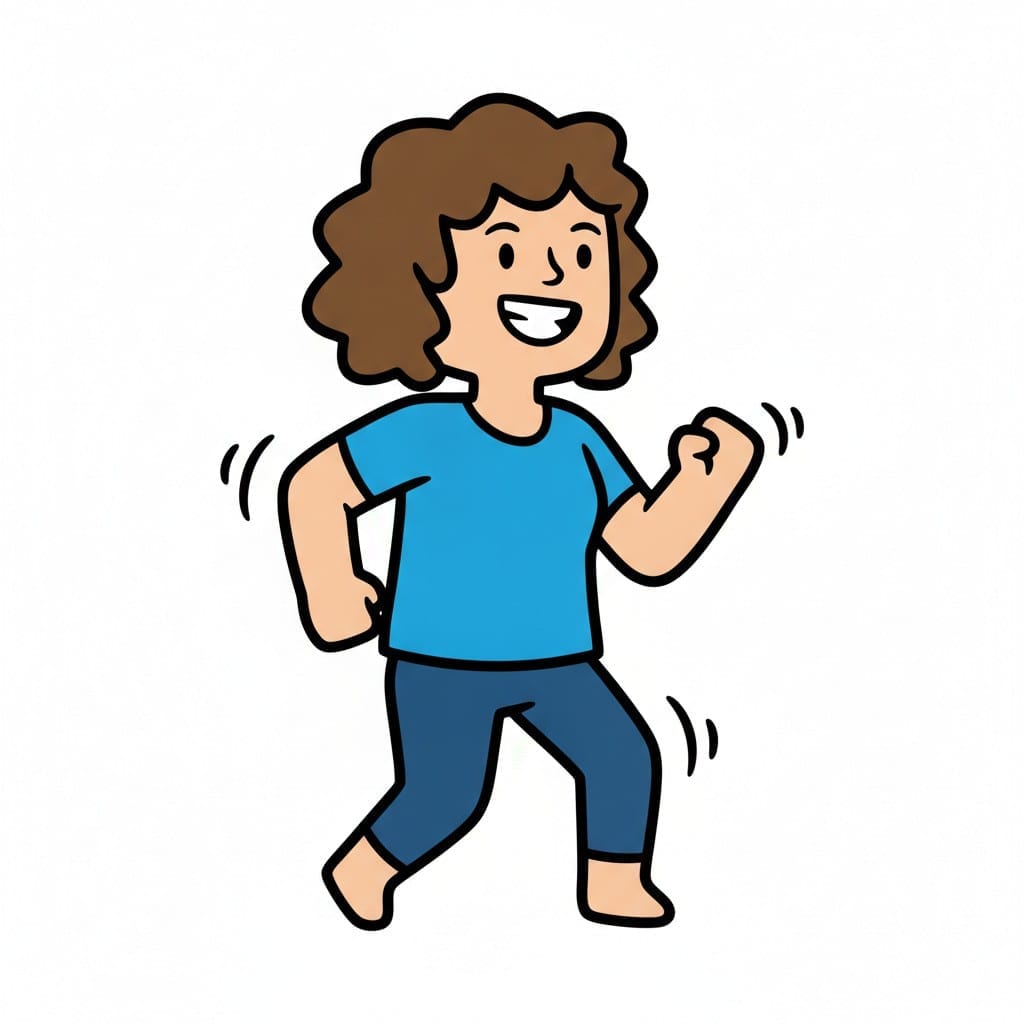 ♀
♀Jogging in place
With arms bent, a woman with curly hair jogs forward while small motion lines show the movement.
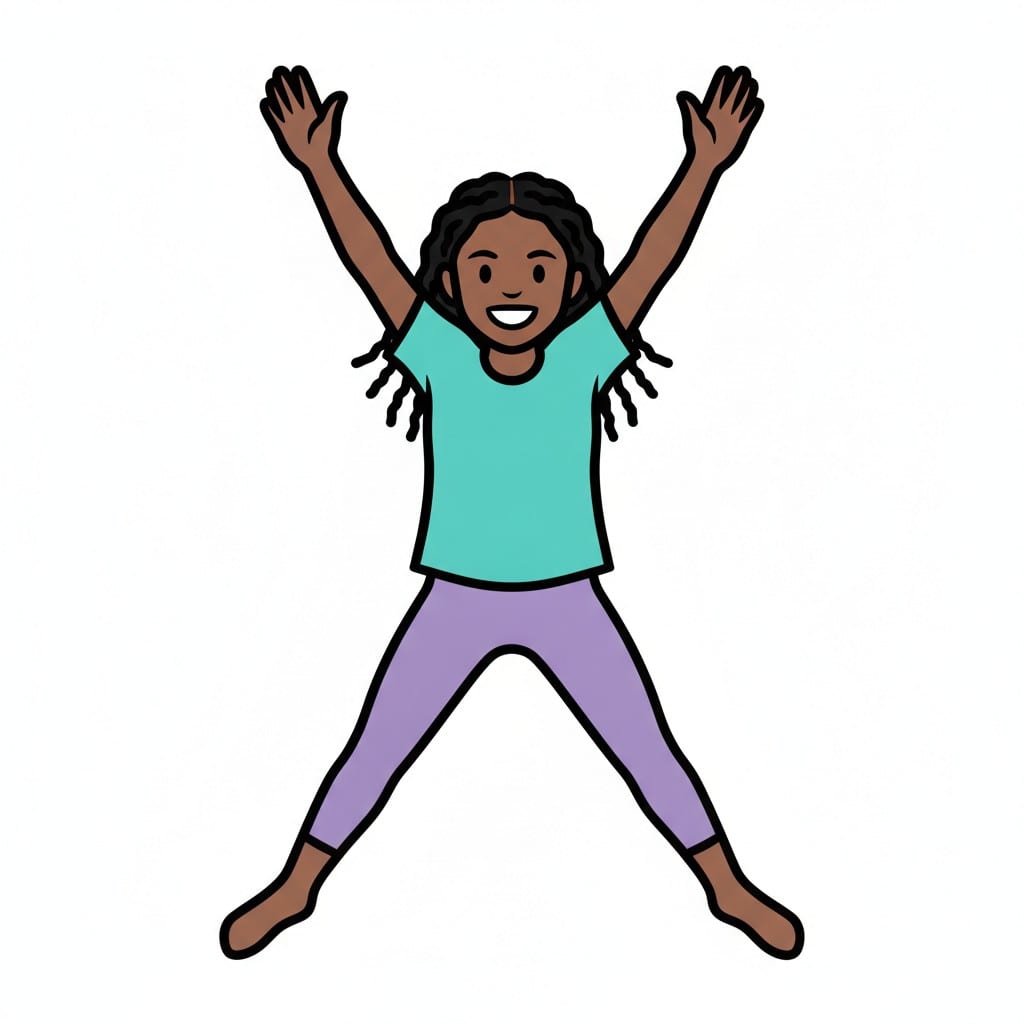 ♀
♀Workout
A person does a star jump with arms and legs spread.
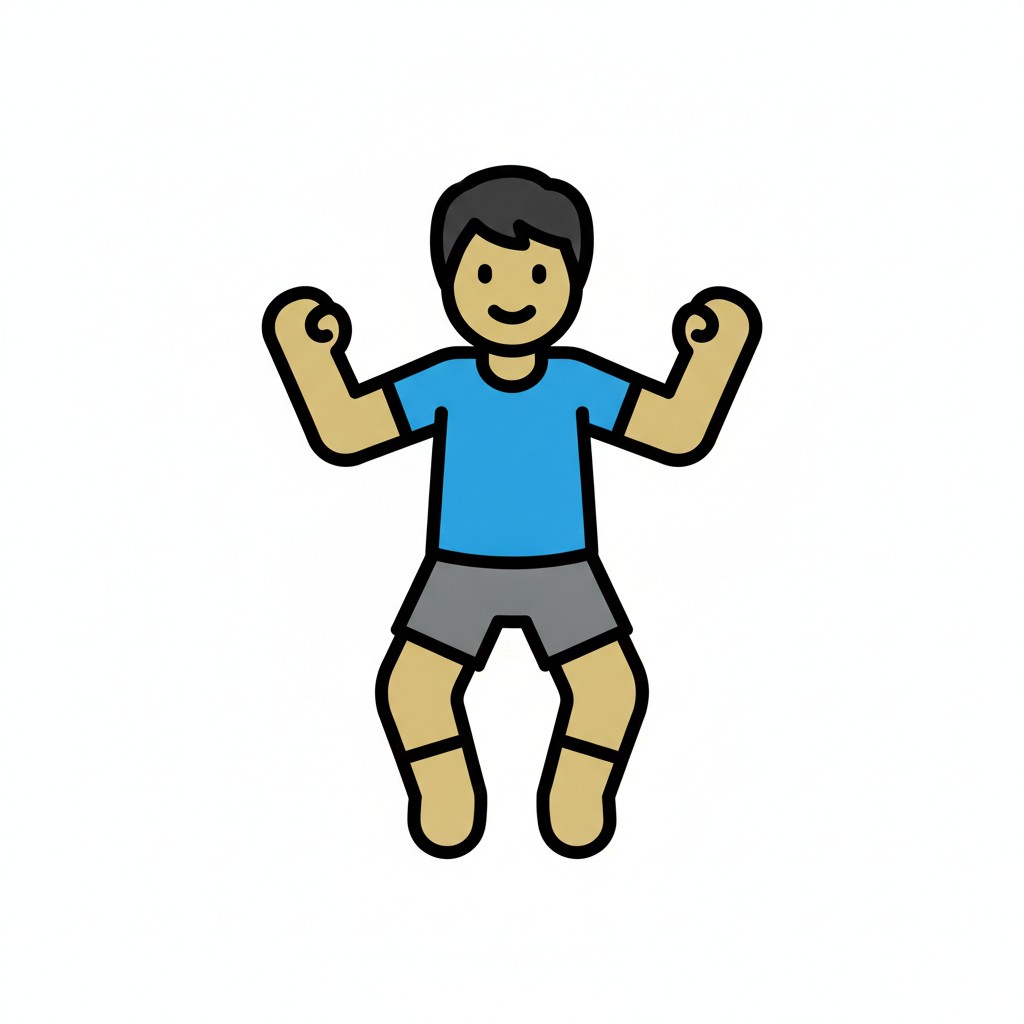 ⚲
⚲Flex your muscles
A person jumps with bent arms and flexed muscles.
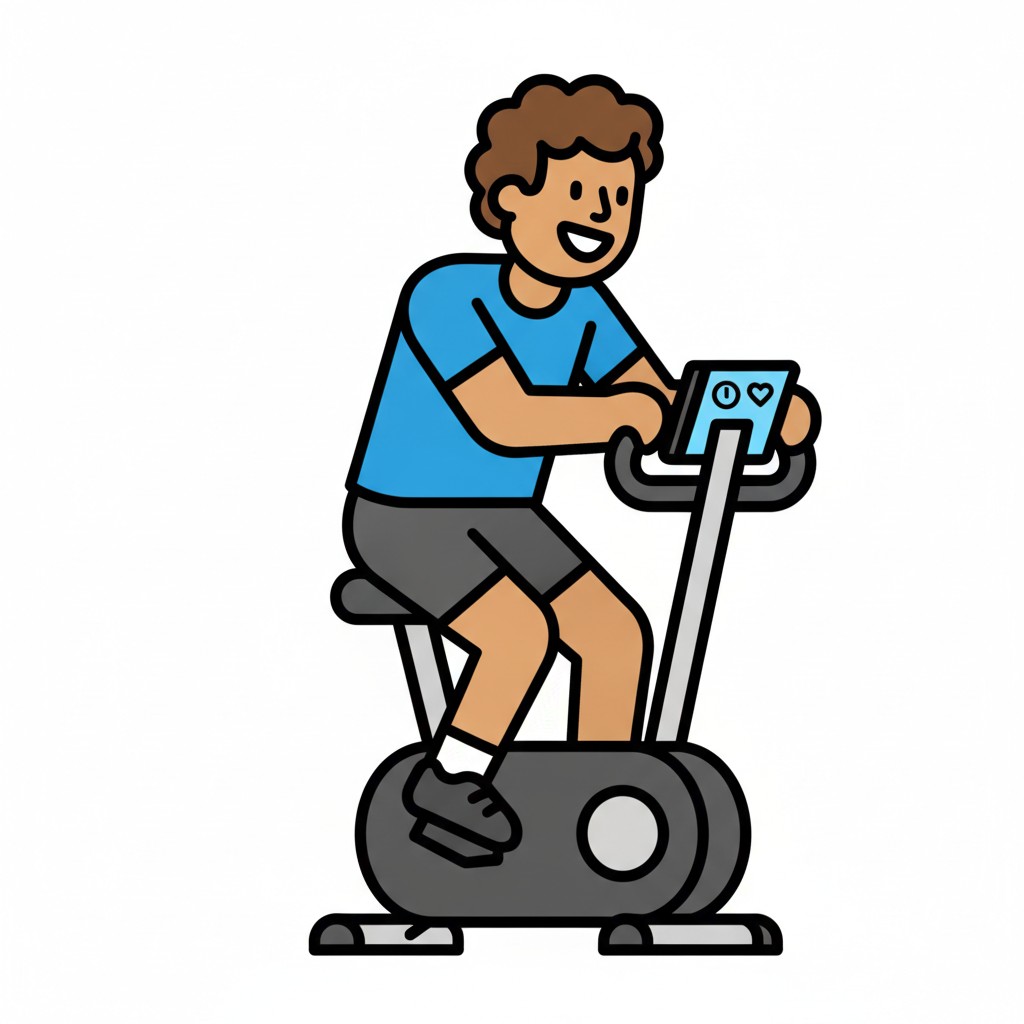 ⚲
⚲Exercise bike
A person pedals an exercise bike with a display in front of them.
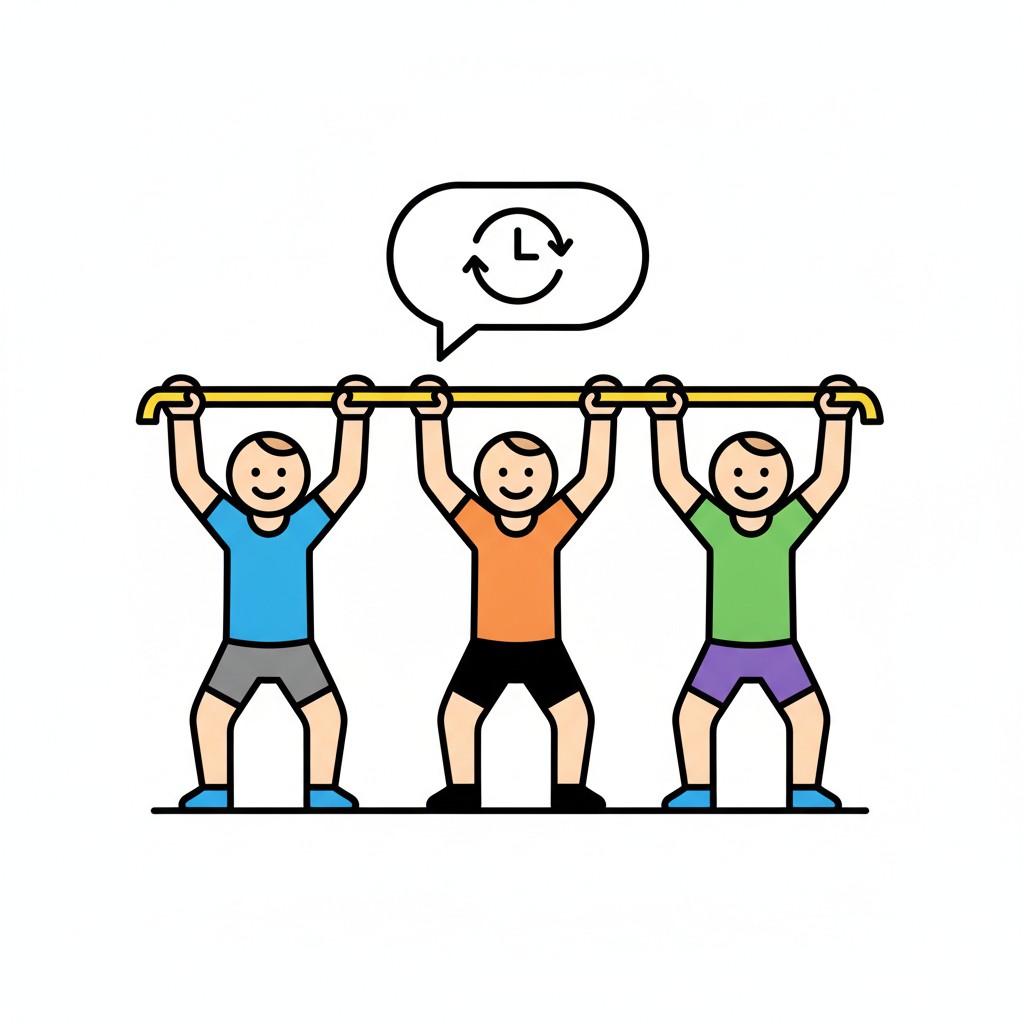 ⚲
⚲Group exercise
Three children hang from a bar beside a speech bubble with a clock.
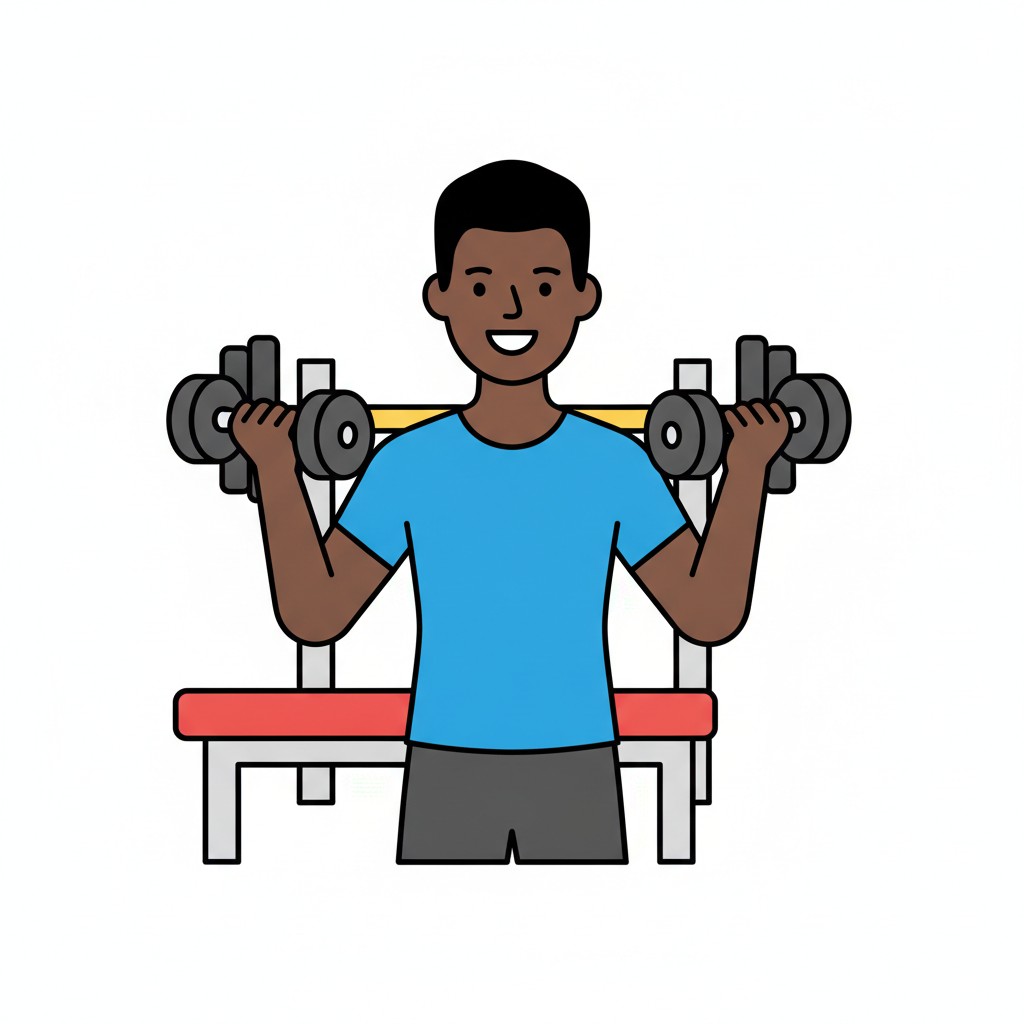 ⚲
⚲Train with dumbbells
A person sits on a bench and lifts a dumbbell in each hand.
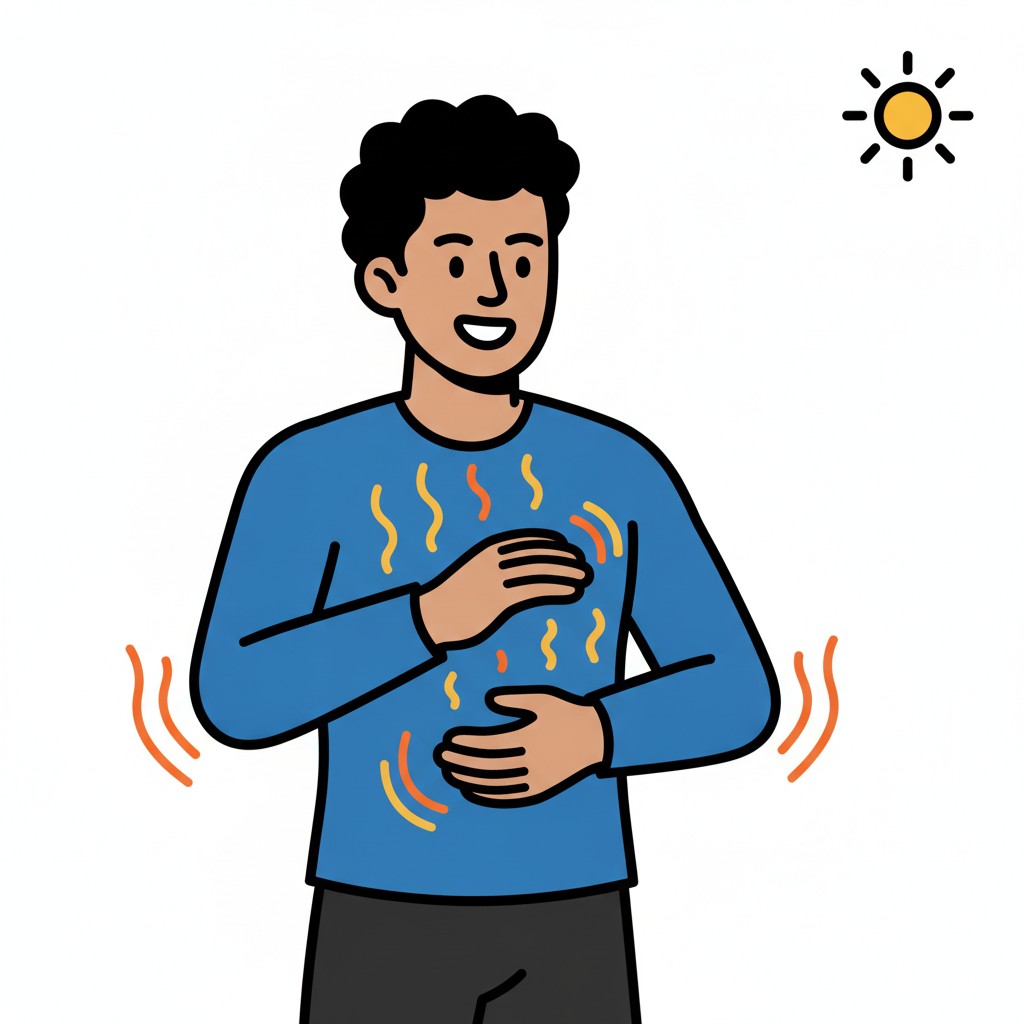 ⚲
⚲Warm up
A person holds their hands to their body with warmth lines around them and a sun in the corner.
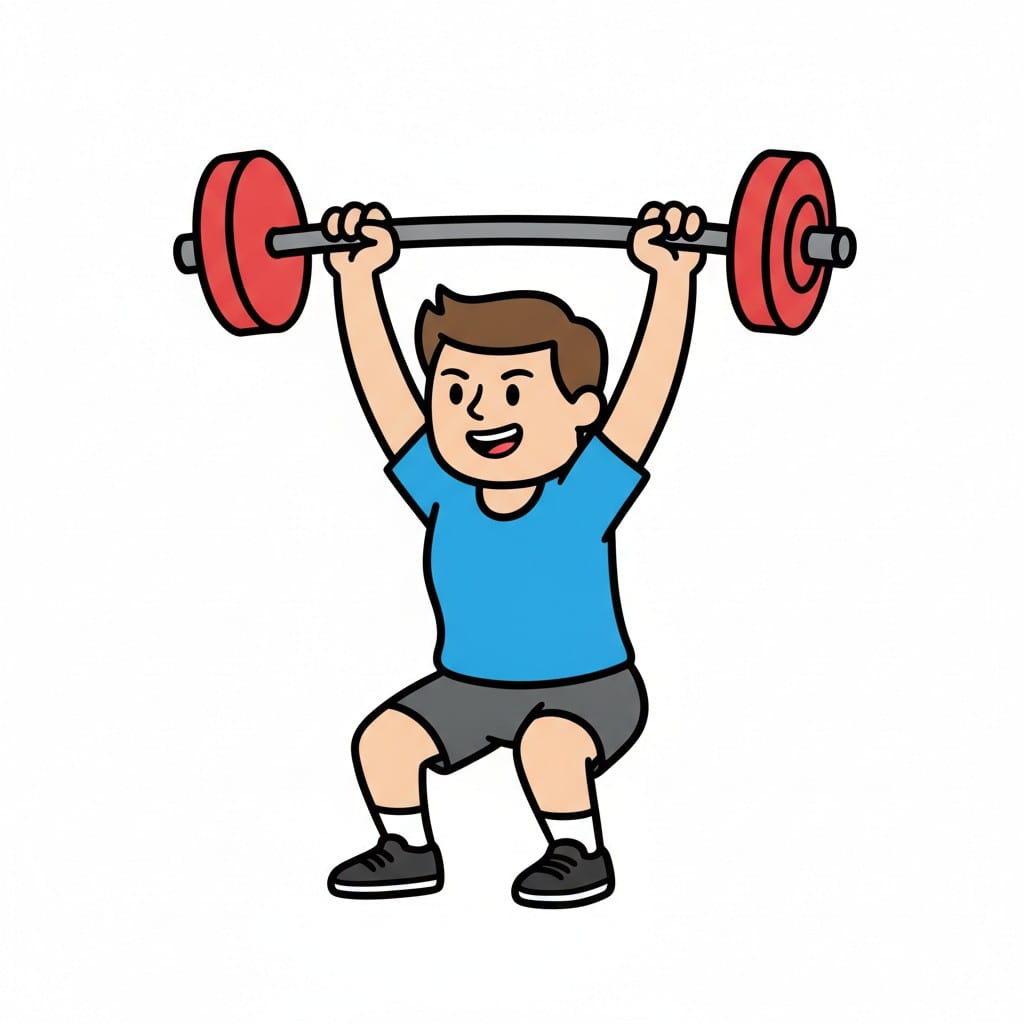 ⚲
⚲Lifting a barbell
A person squats and lifts a barbell with red weights above their head.
About this visual support
Exercise is built on a kind of delayed reward that does not always land with a younger child. The body feels tiredness, warm skin and a beating pulse, but no clear gain. Motivation runs out long before the body is actually spent. That is not laziness, it is a brain missing a visible map of how much is left and what waits on the other side.
Visual support for a workout makes the journey visible. With warm-up, exercise, break and finish laid out as cards in front of the child, the effort becomes time-bound rather than endless. A concrete tip: turn one card into a water pause and place it at the halfway marker, so the body gets a visible rest point that is part of the movement rather than its end. It is often easier to keep going after a planned break than after one that had to be argued for.
If you want to assemble a movement session that fits your family, the images can be combined in Routined with a per-step timer and a short rest in between. The app comes with a fourteen-day trial before any choice has to be made.
Use this image in a schedule
Build your own visual schedule with this image and download it as a print-ready PDF. Completely free.
More similar visual supports
5000 Steps
A blue sneaker with the number 5000 and arrows showing movement.
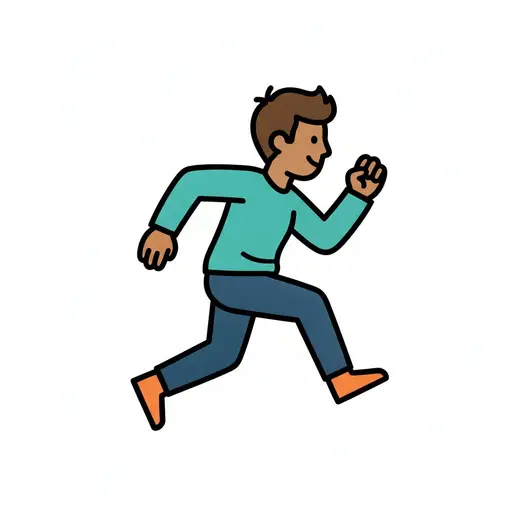
Move around
A person jogs forward in a green top and blue trousers.
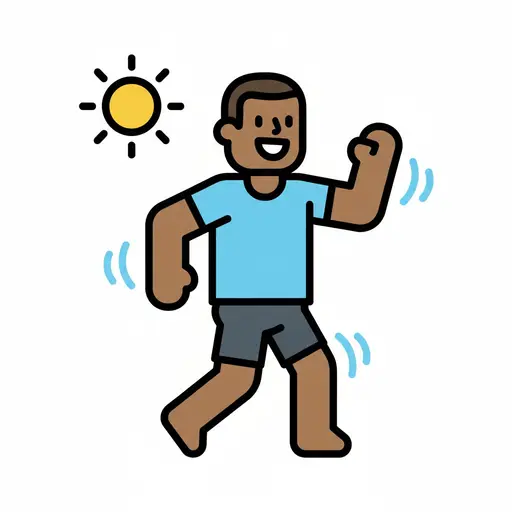
Morning exercise
A man in athletic wear performing morning exercise with the sun in the backgroun...
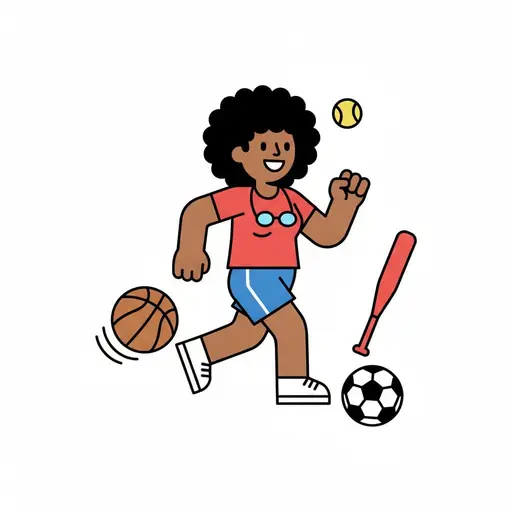
Active Time
A happy girl runs surrounded by a basketball, a football, a bat and a tennis bal...
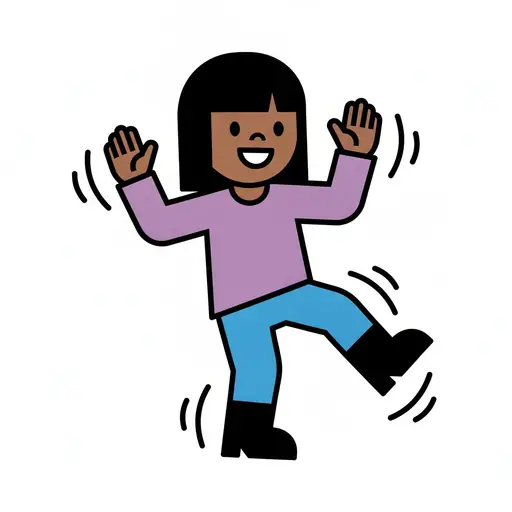
Dance
A girl dances with her arms raised and one leg lifted, with movement lines aroun...
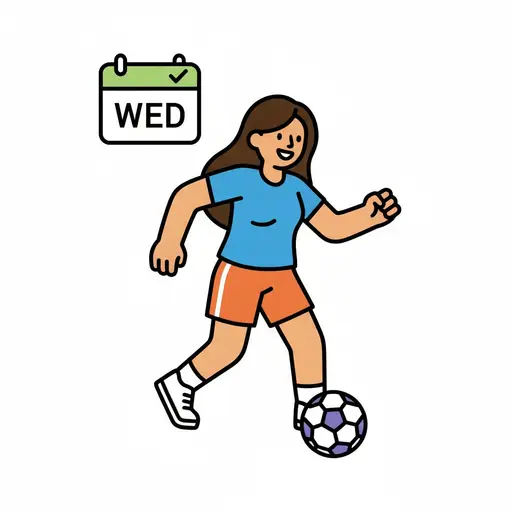
Sport
A smiling person in a blue top and orange shorts moves a football along, beneath...
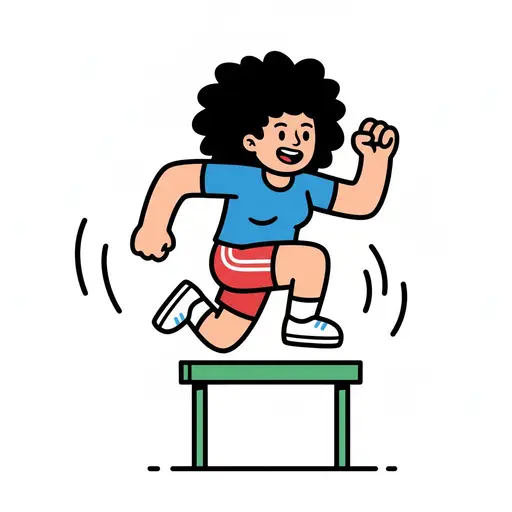
Exercise
Cartoon illustration of a woman in sportswear jumping over a green hurdle.
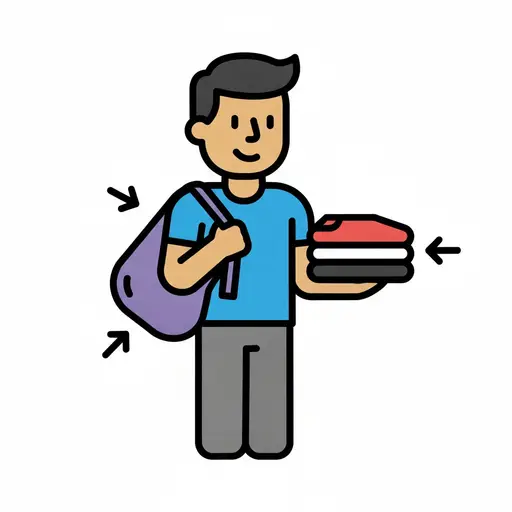
Bring gym clothes
A man carries a bag on his shoulder and holds folded gym clothes.
This visual support in other languages
Take the visual supports with you
In Routined you build schedules from these pictures, add timers and voice instructions, and your child follows the day on their own.


* 14-day free trial, then $2.39 a month or $20.99 a year (US pricing). Cancel anytime.