After school
By three o'clock most children are running on empty when it comes to self-control. School has ended, home demands haven't started, and meltdowns settle into that gap. The steps below give the gap something concrete to walk into.
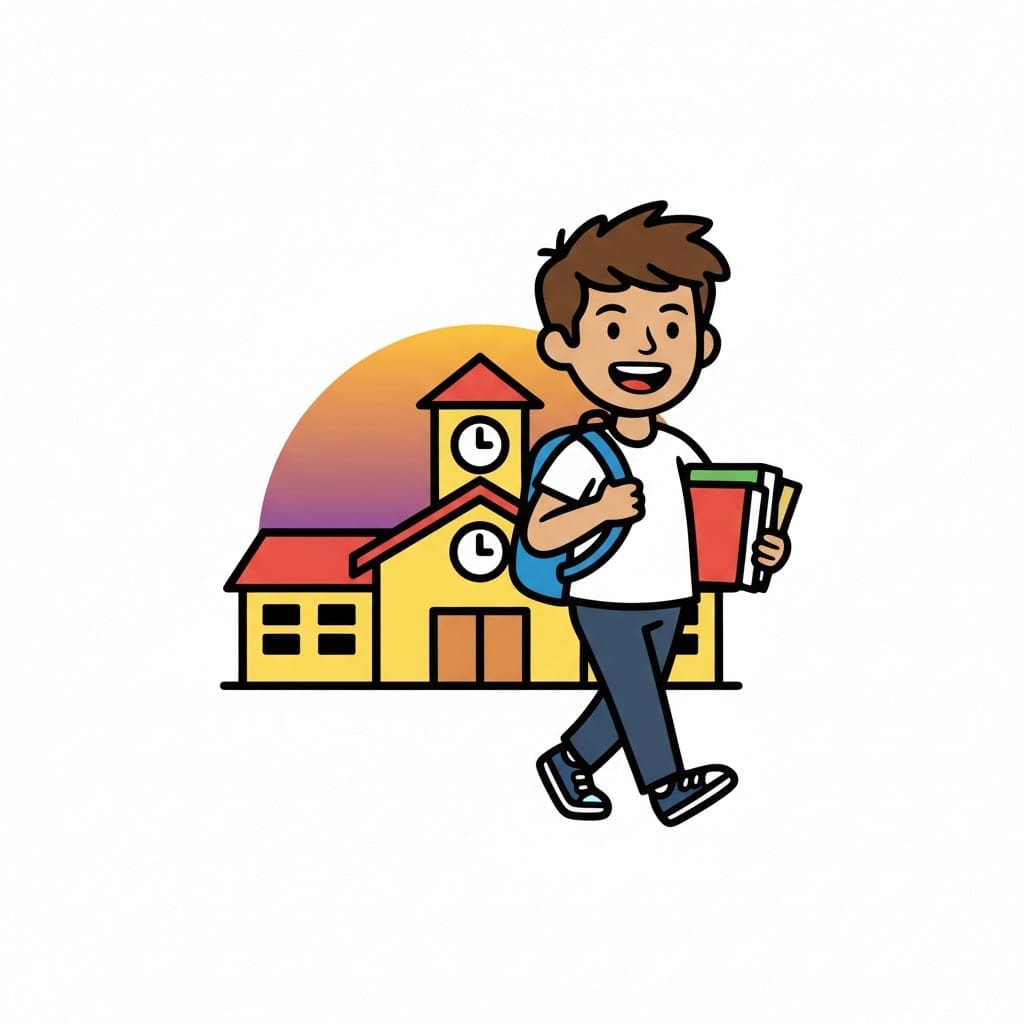 ♂
♂After school
A happy boy with a backpack and books walks away from a school building, signifying the end of the school day.
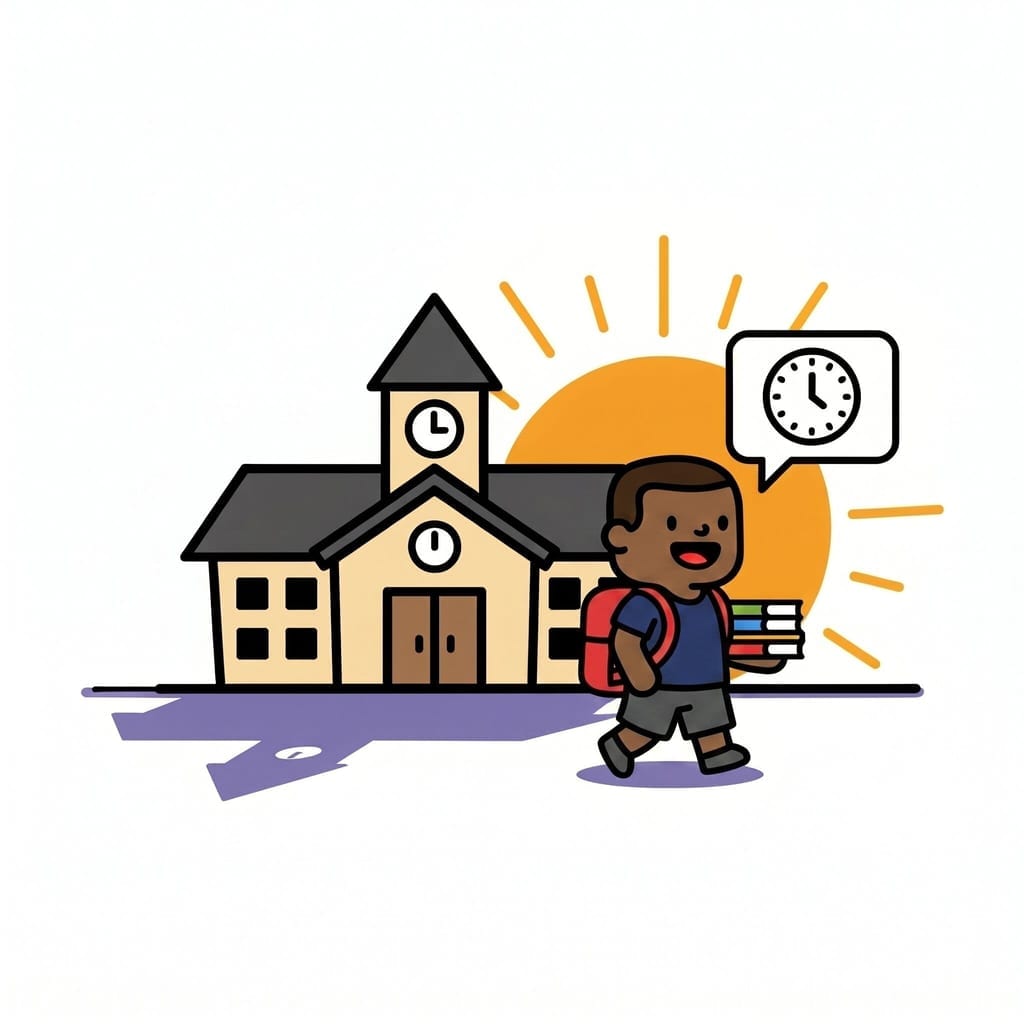 ♂
♂Boy leaving school after school
A boy with a red backpack and holding books, walking away from a school building. The sun is setting behind the school. A speech bubble above the boy's head shows a clock.
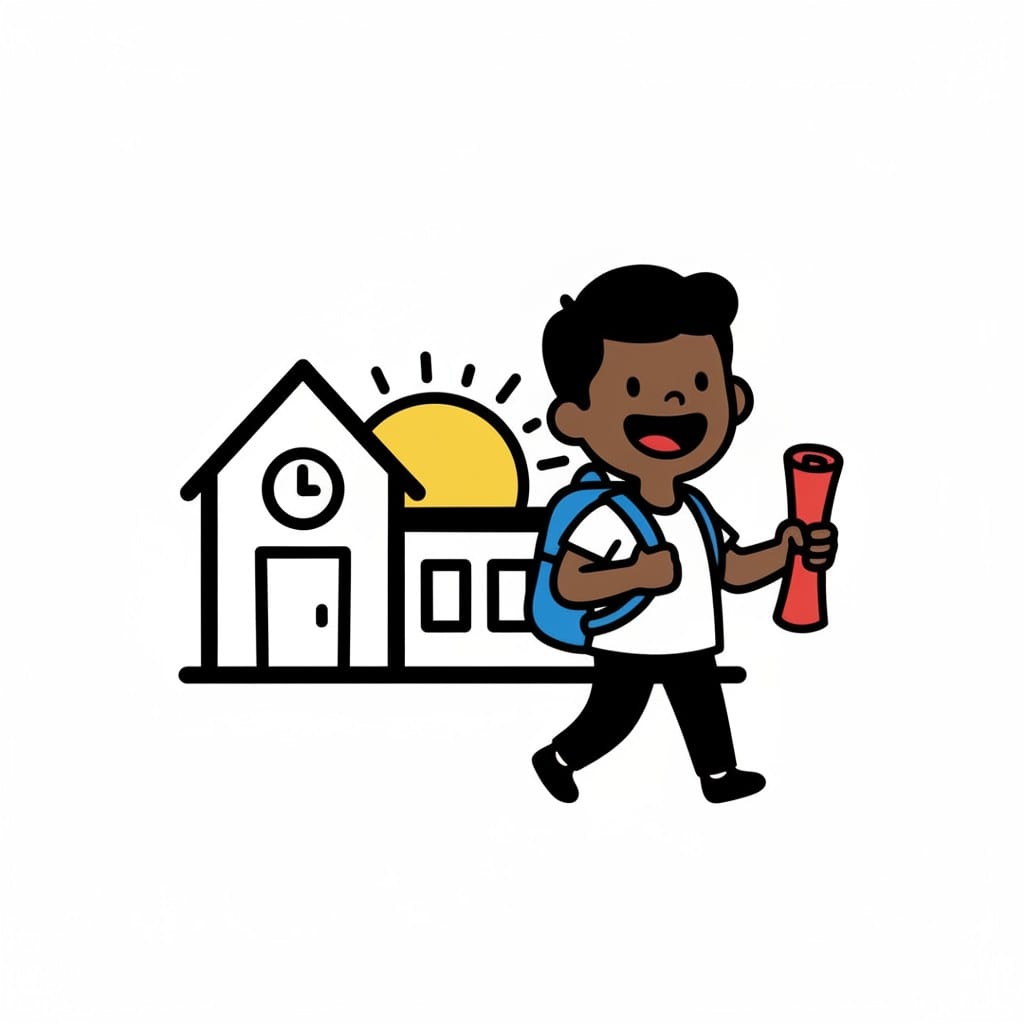 ♂
♂Boy leaving school happy
A happy boy with a blue backpack and holding a red scroll, walking away from a school building. The sun is setting behind the school.
 ♂
♂Boy with a book outside school
Inside a round icon, a smiling boy with a backpack holds a red book next to a yellow school building with a clock, and the sun shines behind the roof.
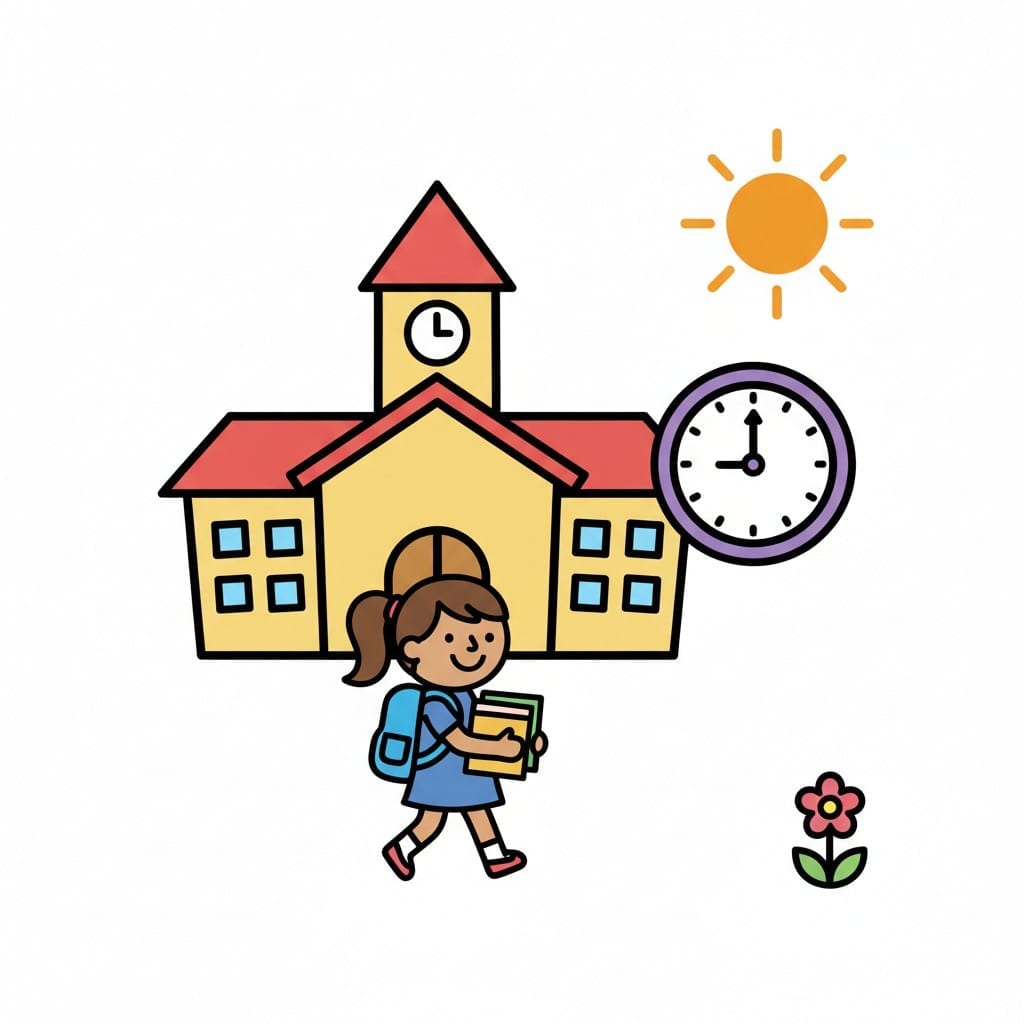 ♀
♀After school
A girl with a backpack and books walks away from a school building. A clock shows 3 PM and the sun shines, indicating the afternoon.
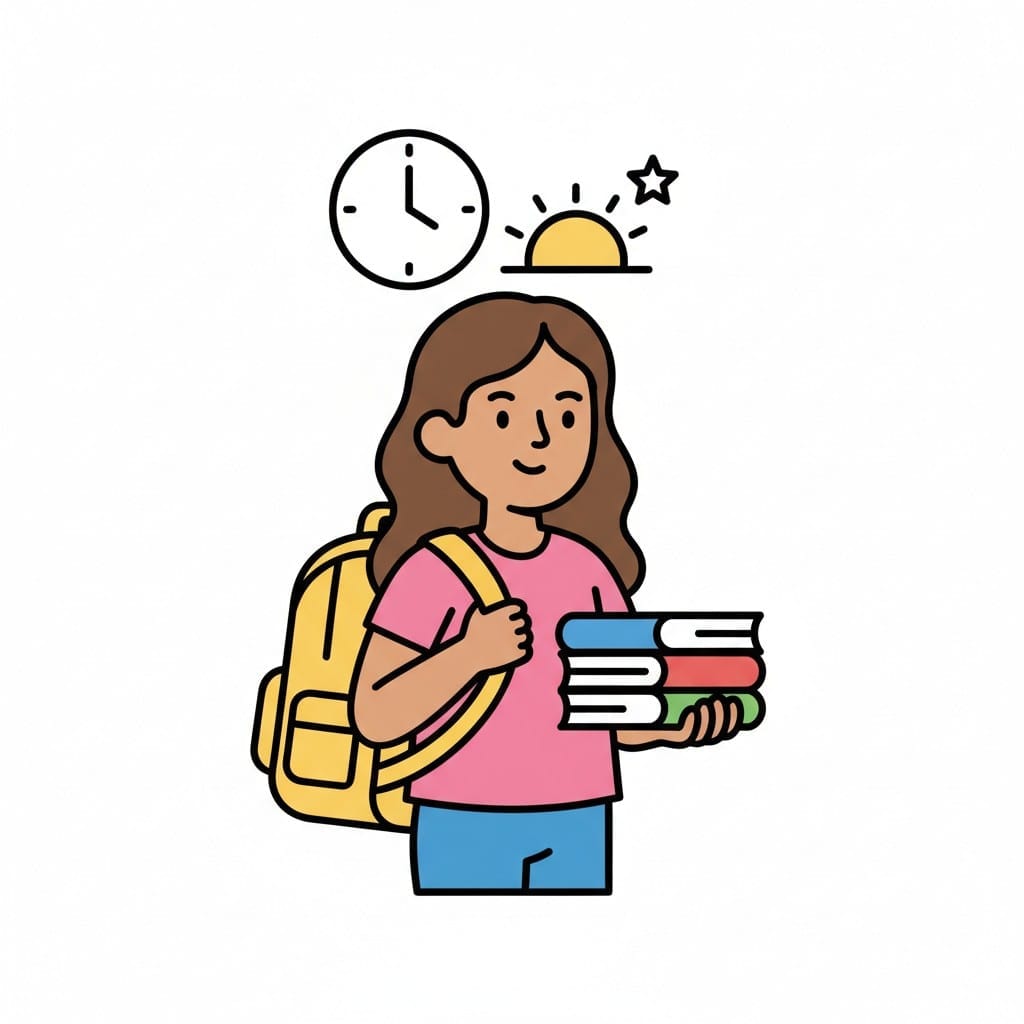 ♀
♀After school
A girl with a backpack and books stands, with a clock and an icon showing a setting sun or evening above her head.
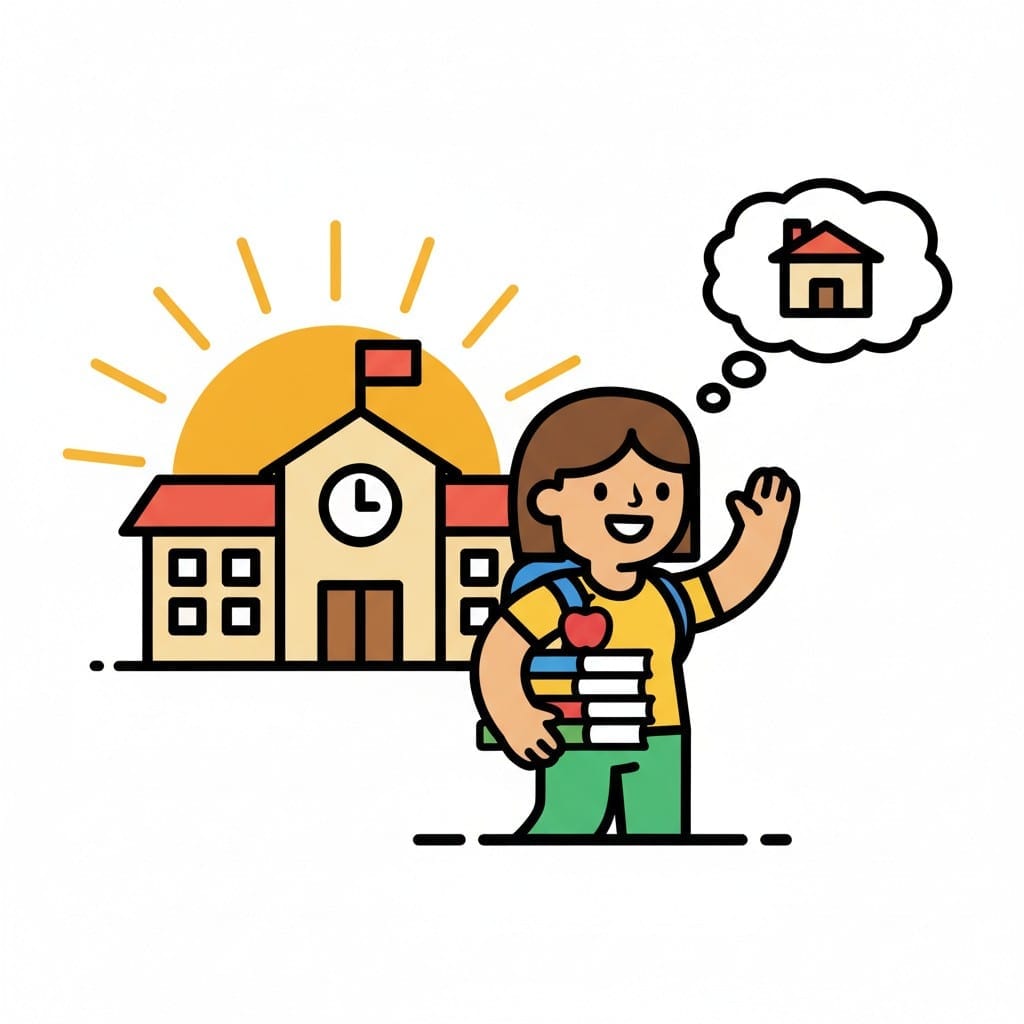 ♀
♀Girl waving outside school
A girl with a backpack waves outside a school building with a clock, carrying a stack of books topped with a red apple while a thought bubble shows a house.
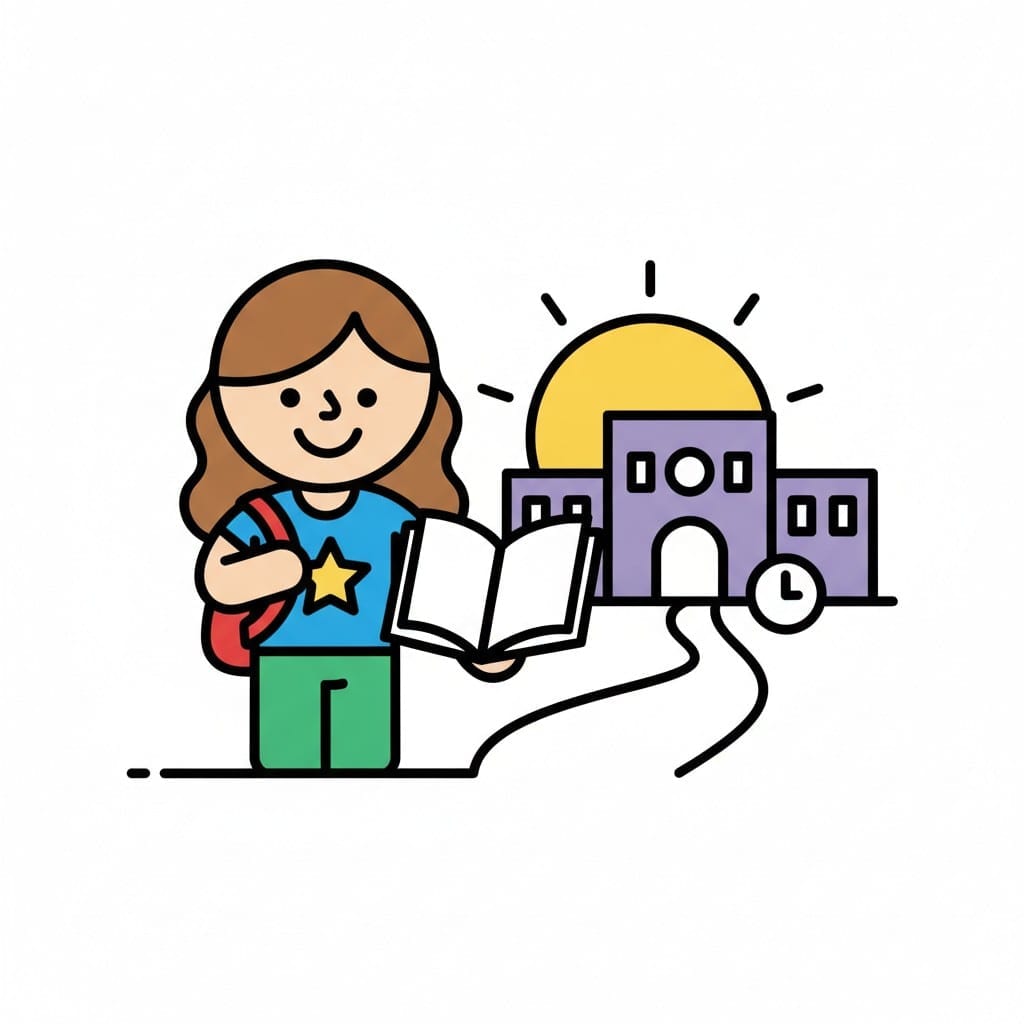 ♀
♀Girl with a book outside school
A girl with a backpack holds an open book in front of a school building with the sun, a clock and a winding path.
About this visual support
A school day is one long exercise in holding it together. When the final bell rings, the self-regulation that's kept the child upright for six hours often collapses, and no new structure has taken over yet. Many parents describe it as collecting a different child from the one they sent off in the morning.
A visual plan for this moment doesn't need to be ambitious. A short sequence – take off the jacket, line up the shoes, head straight to a snack, then twenty minutes on the bed with a book or screen – works better than a well-meant chat at the door. The child can follow a visible plan without having to make decisions, because decision-making is exactly what's spent.
One tip: build in a non-negotiable pause before homework or questions about the day. Ten to twenty minutes of nothing required usually restores more than any gentle question can. In Routined you can lay out the whole afternoon so the child sees where the pause sits and what's coming after it.
Use this image in a schedule
Build your own visual schedule with this image and download it as a print-ready PDF. Completely free.

More similar visual supports
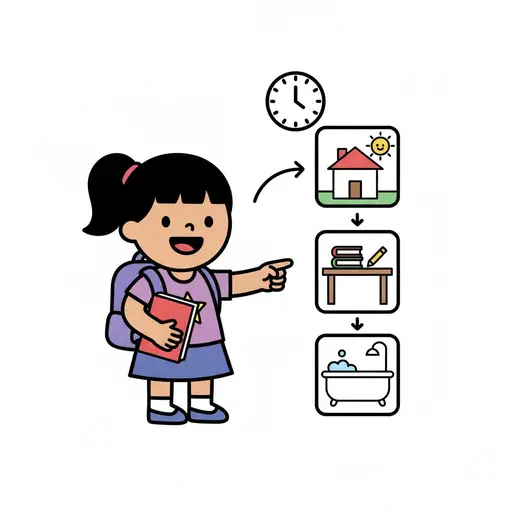
After School Routine
A girl with a backpack points at a schedule showing home, homework and bath afte...
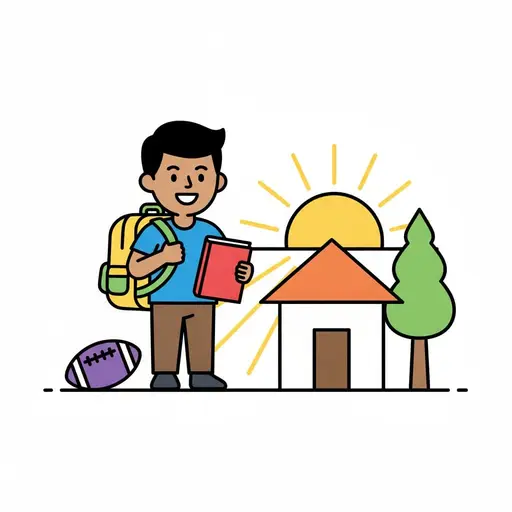
After the school day
A boy with a backpack holds a red book beside a house, a tree, the sun and a rug...
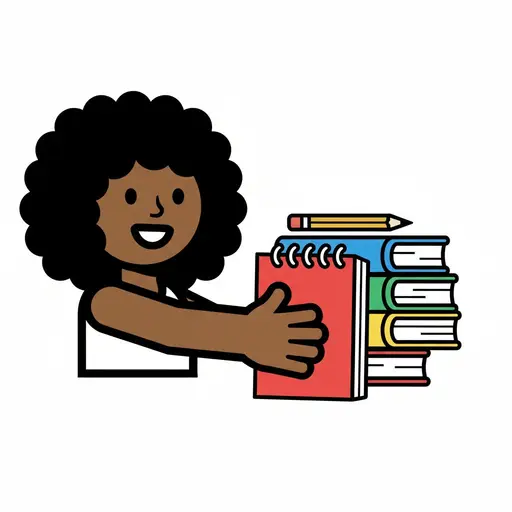
Get homework
A smiling girl hugs a notebook beside a stack of books and a pencil.
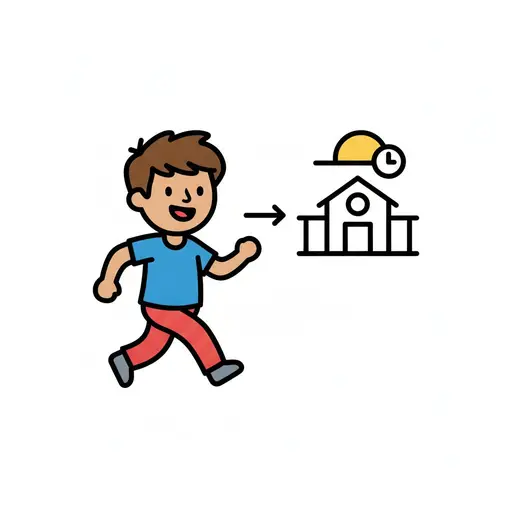
Go to After School
A happy child walks toward a building with an arrow and a sun, on the way to aft...
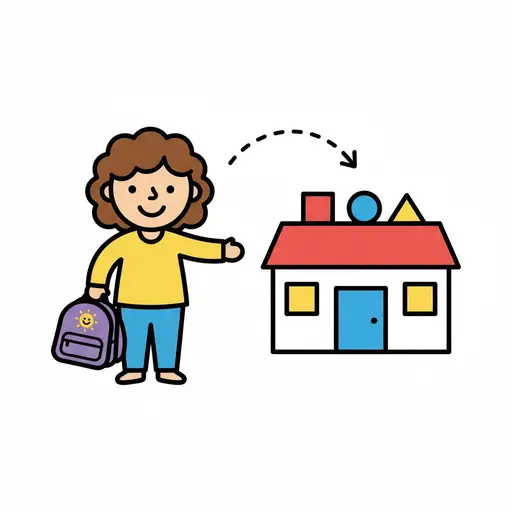
Go to preschool
A cartoon girl with a backpack is going to a building that represents a preschoo...

Grab pen and paper
A smiling boy holds a blue pen and some sheets of paper, ready to write.
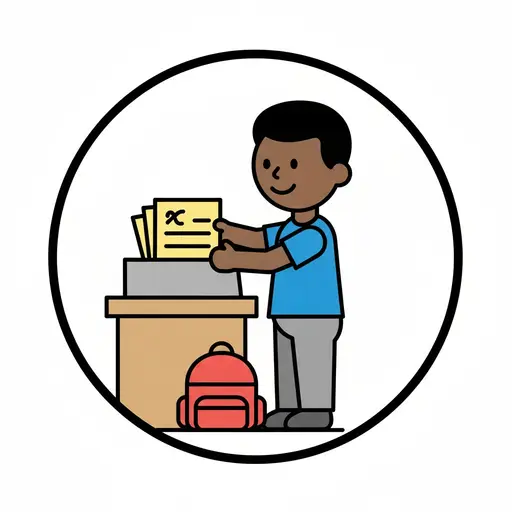
Hand in homework
A boy puts papers into a homework box with his backpack below.
Marcello school
A cartoon illustration of a school building with an 'M' on the front and a flag ...
Take the visual supports with you
In Routined you build schedules from these pictures, add timers and voice instructions, and your child follows the day on their own.


* 14-day free trial, then $2.39 a month or $20.99 a year (US pricing). Cancel anytime.