Backpack
Packing right asks the child to juggle several things at once: today's timetable, what's needed, where each item lives now. The visual support below moves that list out of their head and into the hallway, where it can be checked off.
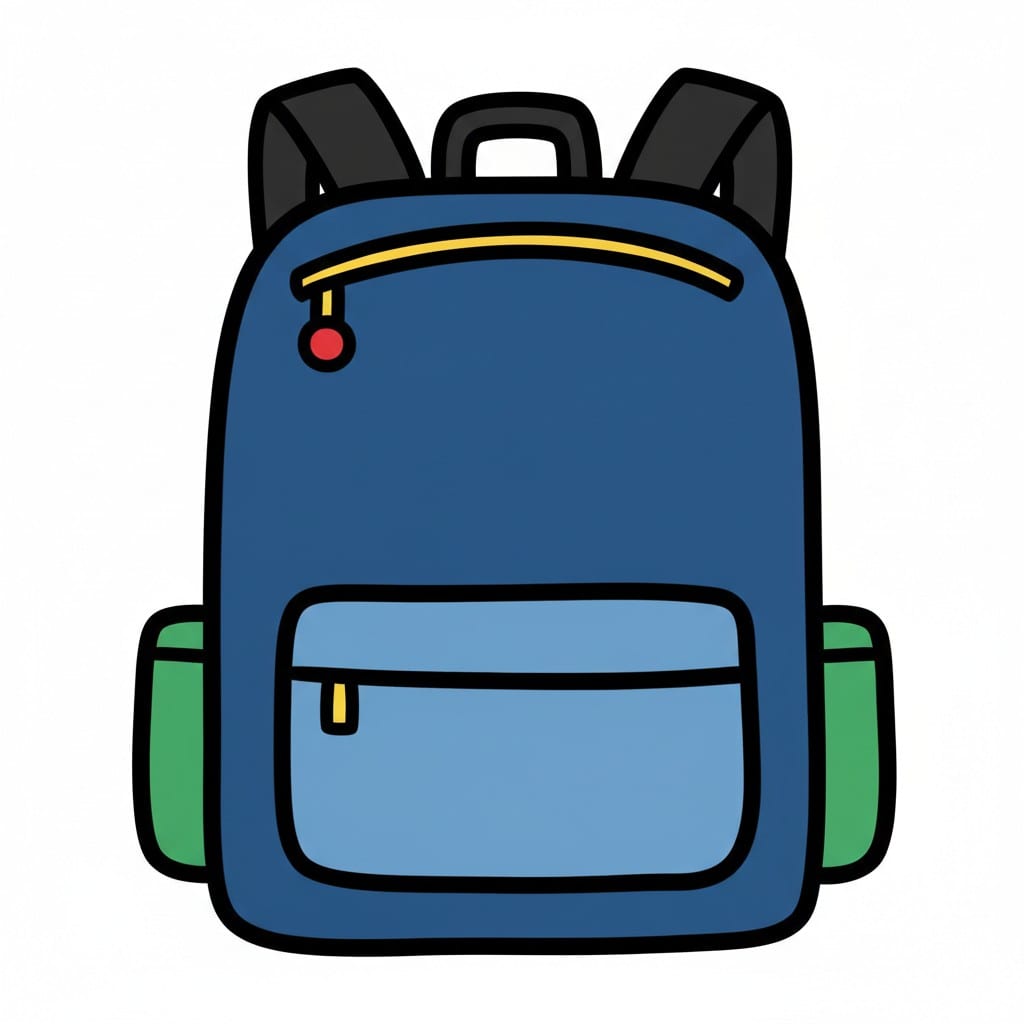
Backpack
A blue backpack with black shoulder straps, a yellow zipper, a light blue front pocket, and green side pockets.
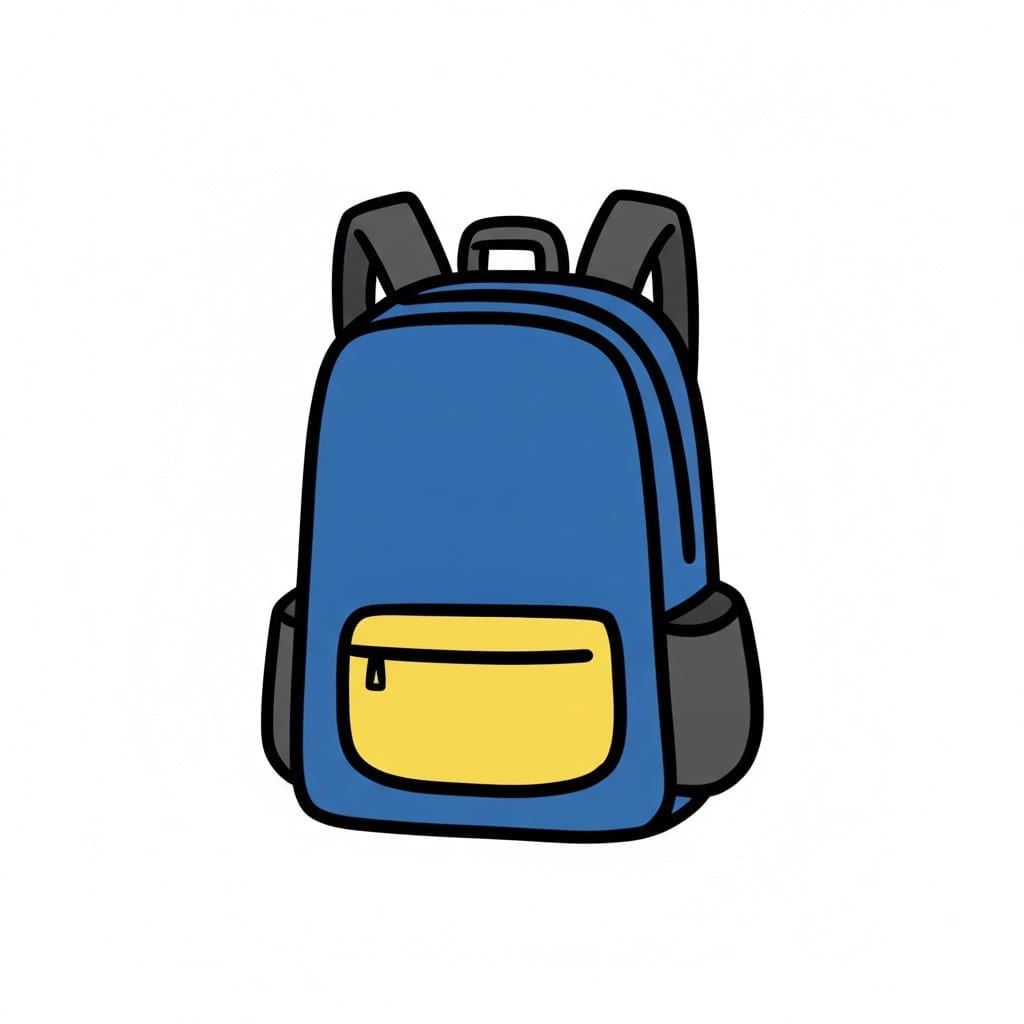
Blue backpack with a yellow pocket
A blue backpack with grey shoulder straps, grey side pockets and a yellow zipped front pocket.
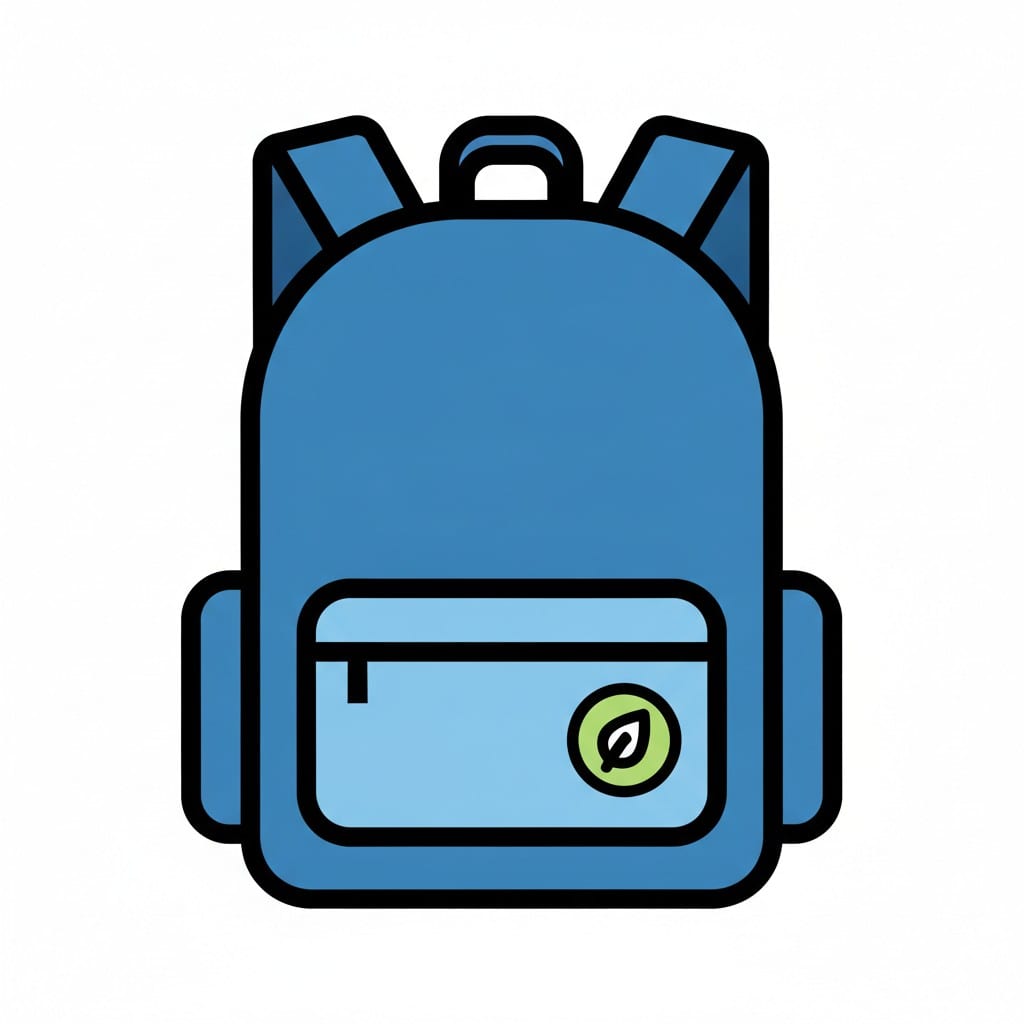
Blue backpack
A blue backpack with a light blue front pocket.
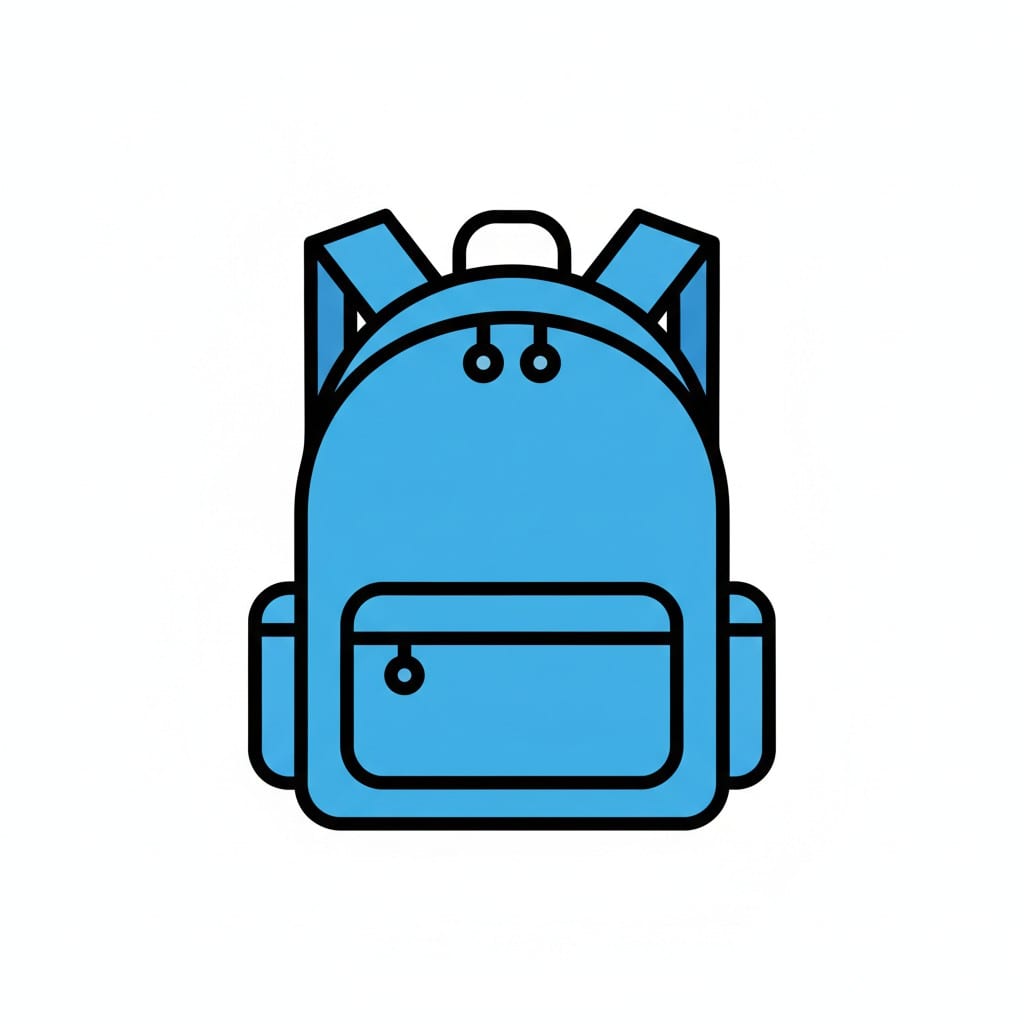
Blue backpack
A blue backpack with a carry loop, shoulder straps and a large zipped front pocket.
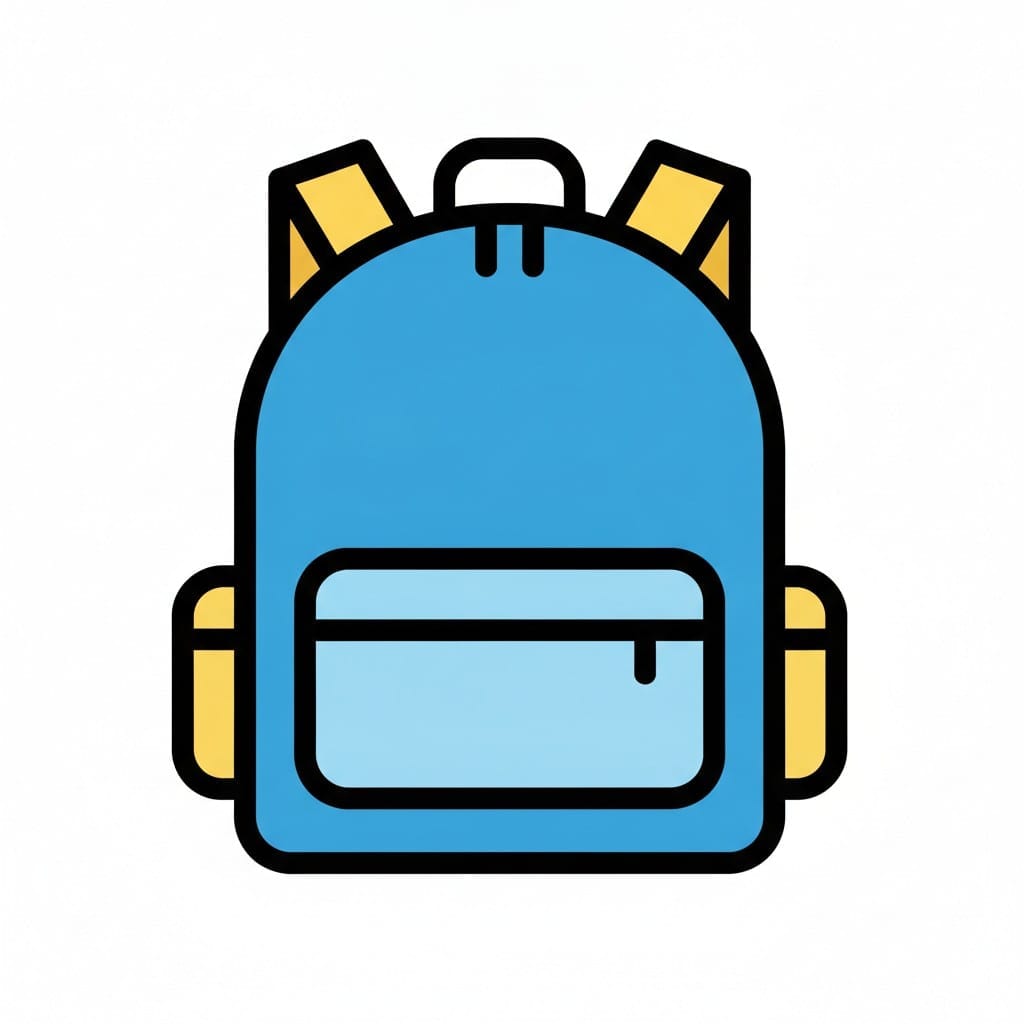
Backpack with yellow straps
A blue backpack with yellow shoulder straps, yellow side pockets and a pale front pocket.
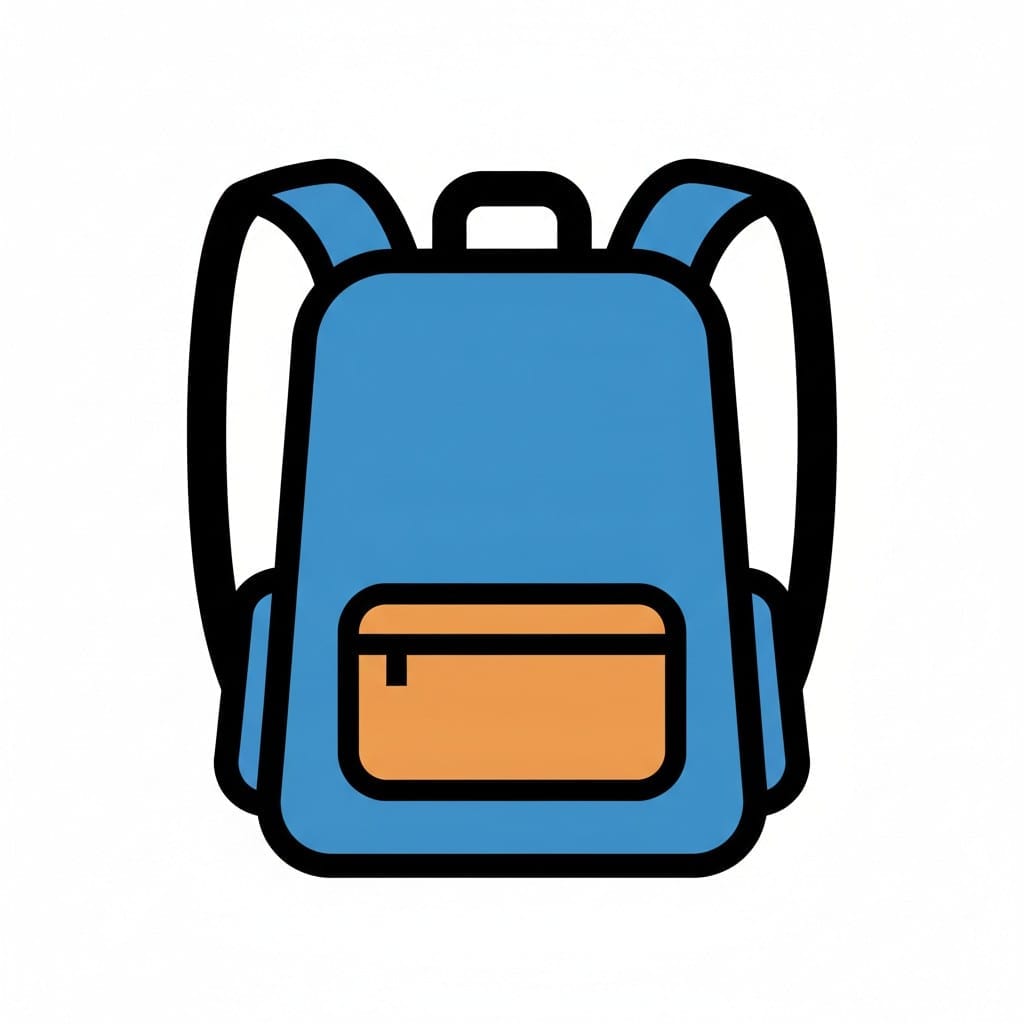
Blue backpack with orange pocket
A blue backpack with shoulder straps, a carry handle and an orange zip pocket on the front.
About this visual support
Packing is an executive task in disguise. The child has to remember today's lessons, translate them into objects, hunt each object down in the house and get them all into one bag – before you have to leave. If something gets missed, it doesn't show up until mid-morning, when the teacher asks for it.
With visual support the packing list lives outside the child. The cards show not just 'what' but an order: pencil case first, then today's books, then the PE bag if there's PE, then lunchbox, then water bottle. With the order fixed, the child doesn't have to start from scratch each morning, and you don't have to repeat the same reminders in the same tone.
A practical tip: keep two versions – a base list (every day) and a weekday-specific add-on (PE kit Tuesday, art smock Thursday). The extras show only when needed, without stretching the base. In Routined both can sit side by side in the hall, so the right list goes with the day instead of being rebuilt from zero every morning.
This image is part of these ready-made schedules
Use this image in a schedule
Build your own visual schedule with this image and download it as a print-ready PDF. Completely free.
More similar visual supports
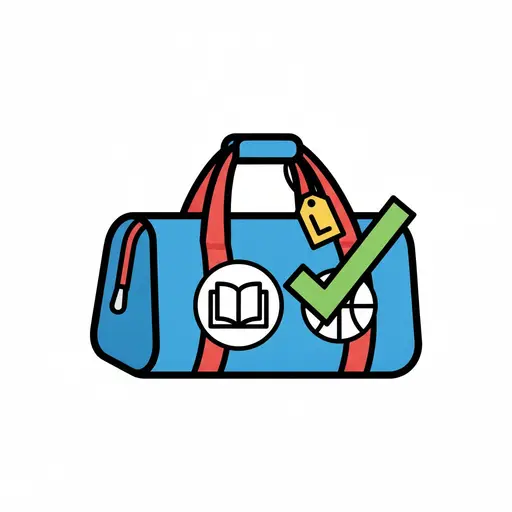
Bag is ready
A blue bag with book and ball symbols and a green tick showing it is packed.
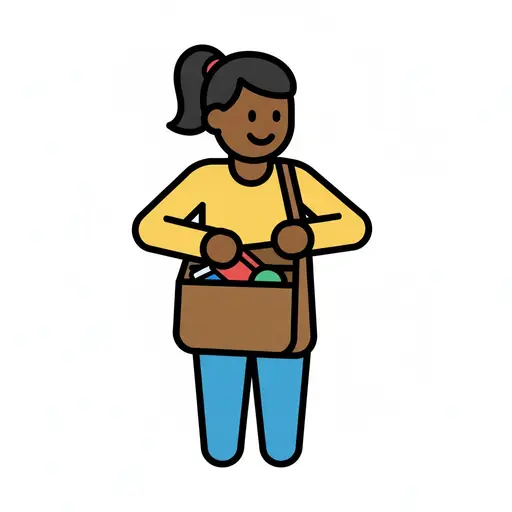
Check the bag
A girl with a ponytail looks into her brown shoulder bag.
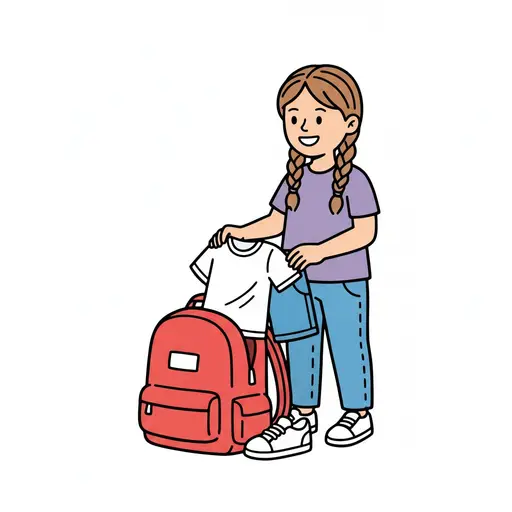
Pack the PE bag
A girl puts a T-shirt into a backpack with trainers nearby.
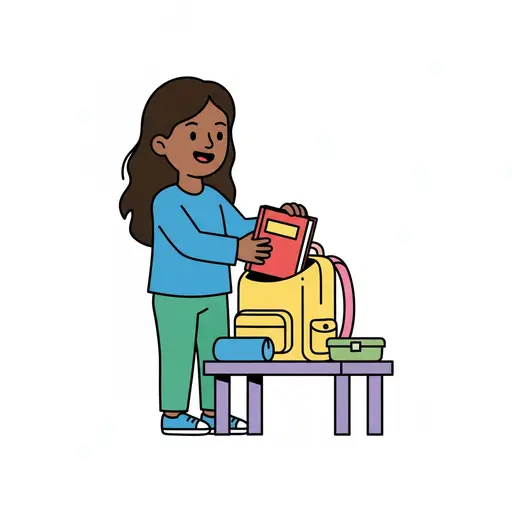
Pack the schoolbag
A girl puts a book into a yellow backpack with a pencil case and lunch box nearb...
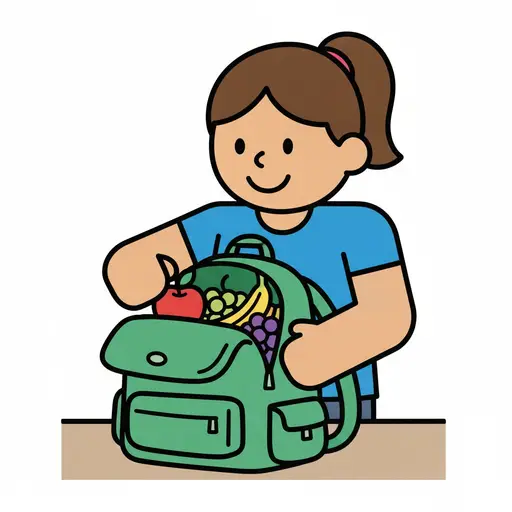
Pack fruit in the backpack
A girl puts an apple and other fruit into a green backpack on the table.
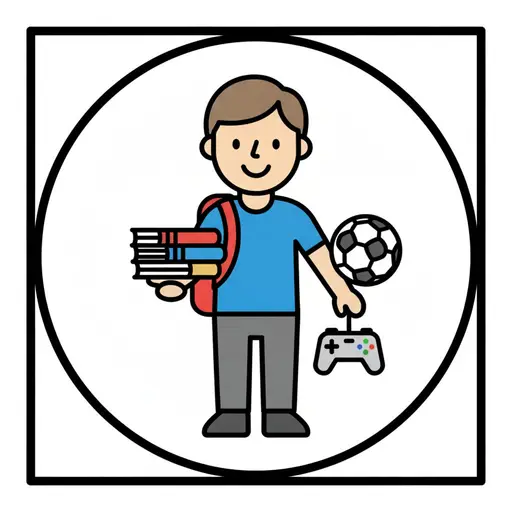
School and after-school
A person holds books under one arm and a football and a game controller in their...
Go to After School
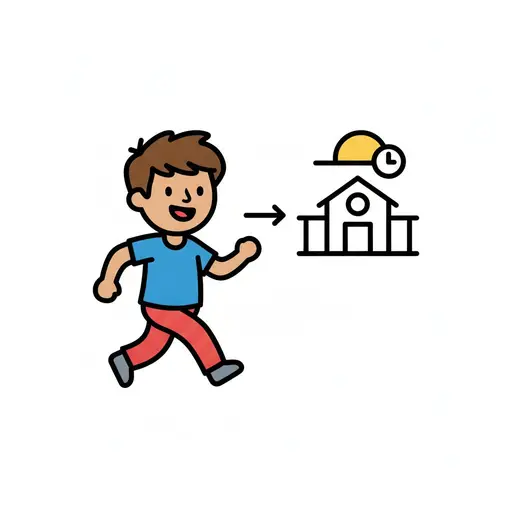
A happy child walks toward a building with an arrow and a sun, on the way to aft...
After the school day
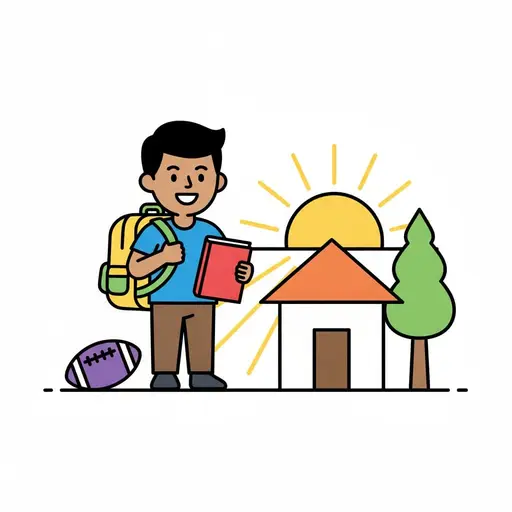
A boy with a backpack holds a red book beside a house, a tree, the sun and a rug...
This visual support in other languages
Take the visual supports with you
In Routined you build schedules from these pictures, add timers and voice instructions, and your child follows the day on their own.


* 14-day free trial, then $2.39 a month or $20.99 a year (US pricing). Cancel anytime.