Break time play
Break time looks free, but much is decided by others: the bell rings, play is already going and the other kids decide where there is room. The pictures below give a child a few steady anchors when the surroundings set the pace.
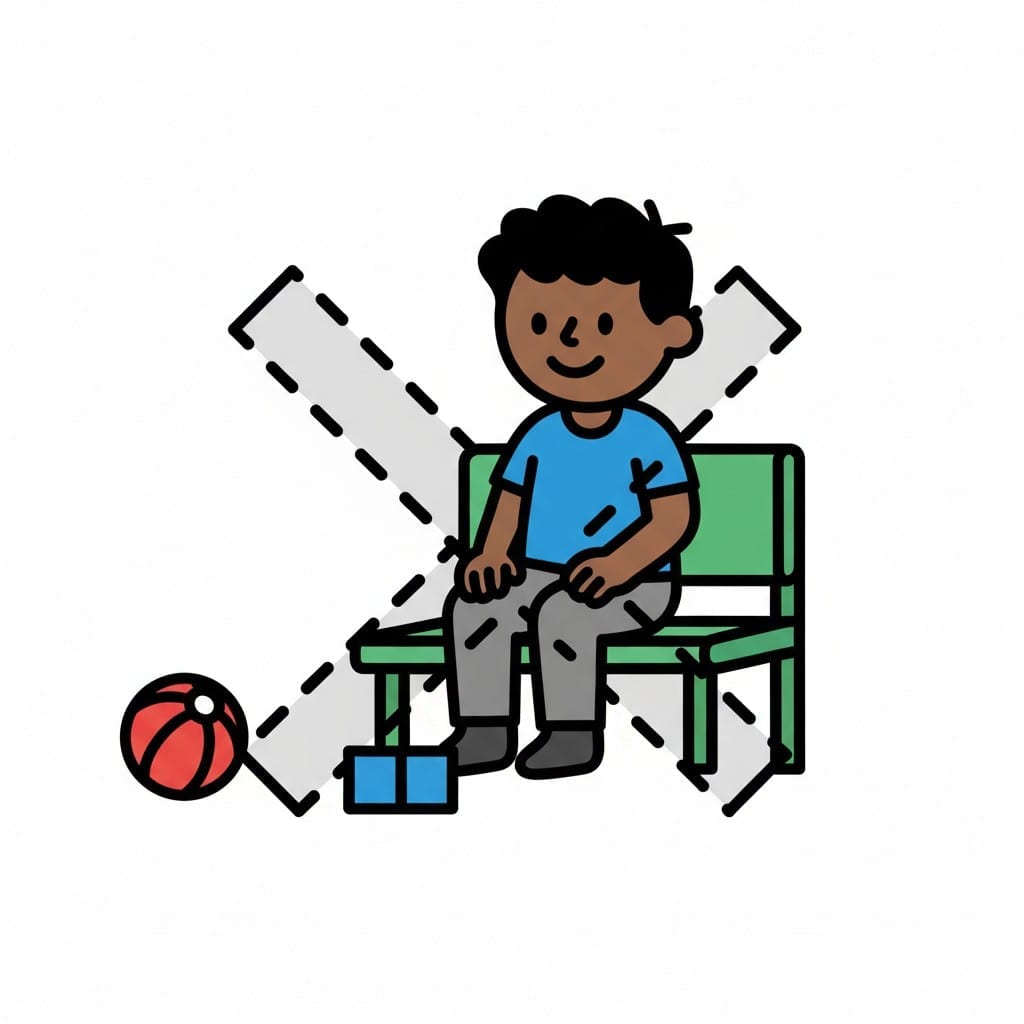 ♂
♂Sitting during break
A boy sits on a bench next to a ball, with a crossed-out mark showing that play is paused.
About this visual support
What makes break time hard is not the freedom itself but how little of it rests with the child. The bell decides when it starts and ends, play is already running when you step out, and whether there is room in an ongoing ball game is up to others. For a child who needs some predictability, an unpredictable break can become the hardest part of the day.
Visual support cannot steer the other children, but it can offer a plan of one own to lean on. A picture of sitting down for a moment, one of watching what is going on, one of asking to join, makes the invisible steps visible. The child does not have to invent everything on the spot but has already seen the order calmly before the break.
One concrete tip: include a picture of a calm activity that always works, such as walking a lap or sitting on a chosen bench. That gives a guaranteed plan B when play is full, and break time stops being a race to get in. With Routined you can make a small break card the child recognises from practising at home.
Use this image in a schedule
Build your own visual schedule with this image and download it as a print-ready PDF. Completely free.
More similar visual supports

After the school day
A boy with a backpack holds a red book beside a house, a tree, the sun and a rug...
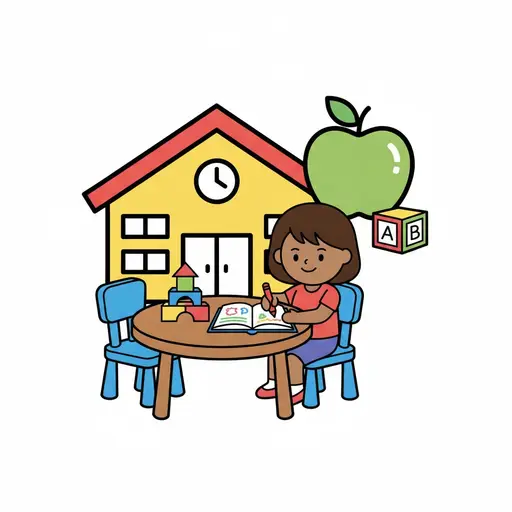
Kindergarten
Three stacked building bricks in red, blue and yellow.

Good attitude
Illustration of a person with a star above their head, giving a thumbs up and po...

Preschool
A blue preschool building with an orange roof and a painted sun stands on grass ...

School activities
A boy stands holding an open book surrounded by symbols of a pencil, a globe, a ...

Take a slip
A cartoon boy is taking a slip of paper from a striped box with a happy expressi...
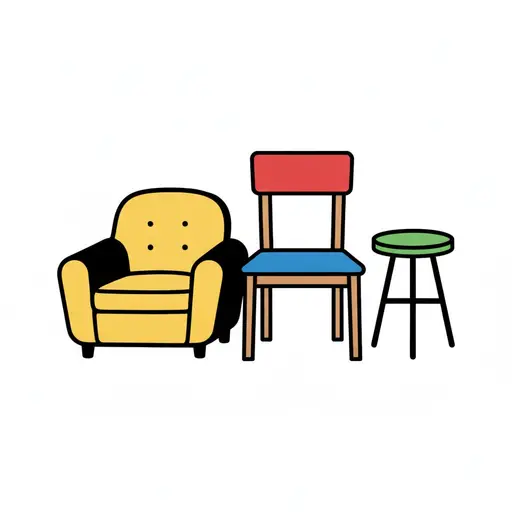
Settle into chair
An armchair, a chair and a stool.
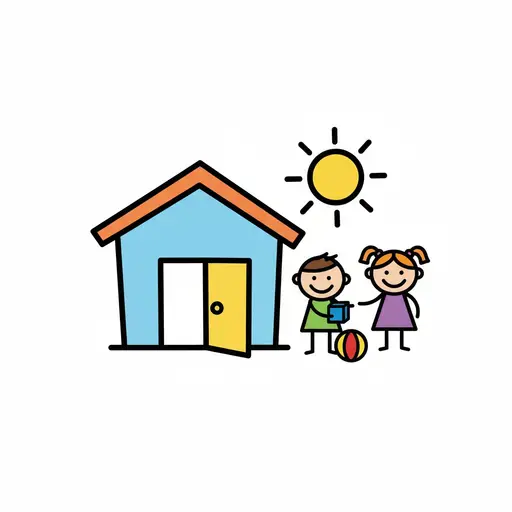
Daycare
Illustration of a boy and a girl playing outside a house with a sun in the sky, ...
This visual support in other languages
Take the visual supports with you
In Routined you build schedules from these pictures, add timers and voice instructions, and your child follows the day on their own.


* 14-day free trial, then $2.39 a month or $20.99 a year (US pricing). Cancel anytime.