Do dictation
Dictation asks the ear, working memory and hand to act in the same second. The moment one slips, the whole sentence is gone. The visual support below splits the process into visible steps.
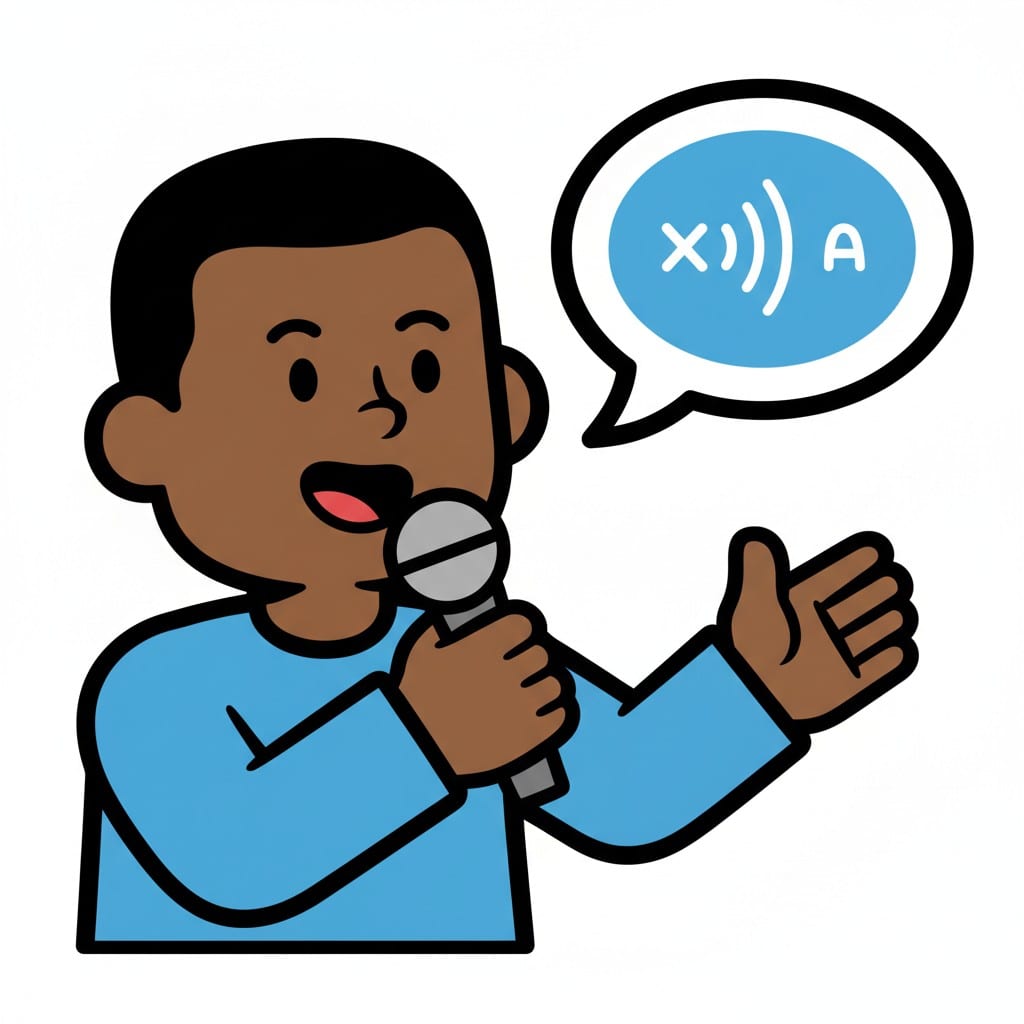 ♂
♂Dictation: Boy speaking into microphone
A boy speaks into a microphone, with a speech bubble showing sound waves and the letter A. He is dictating or speaking.
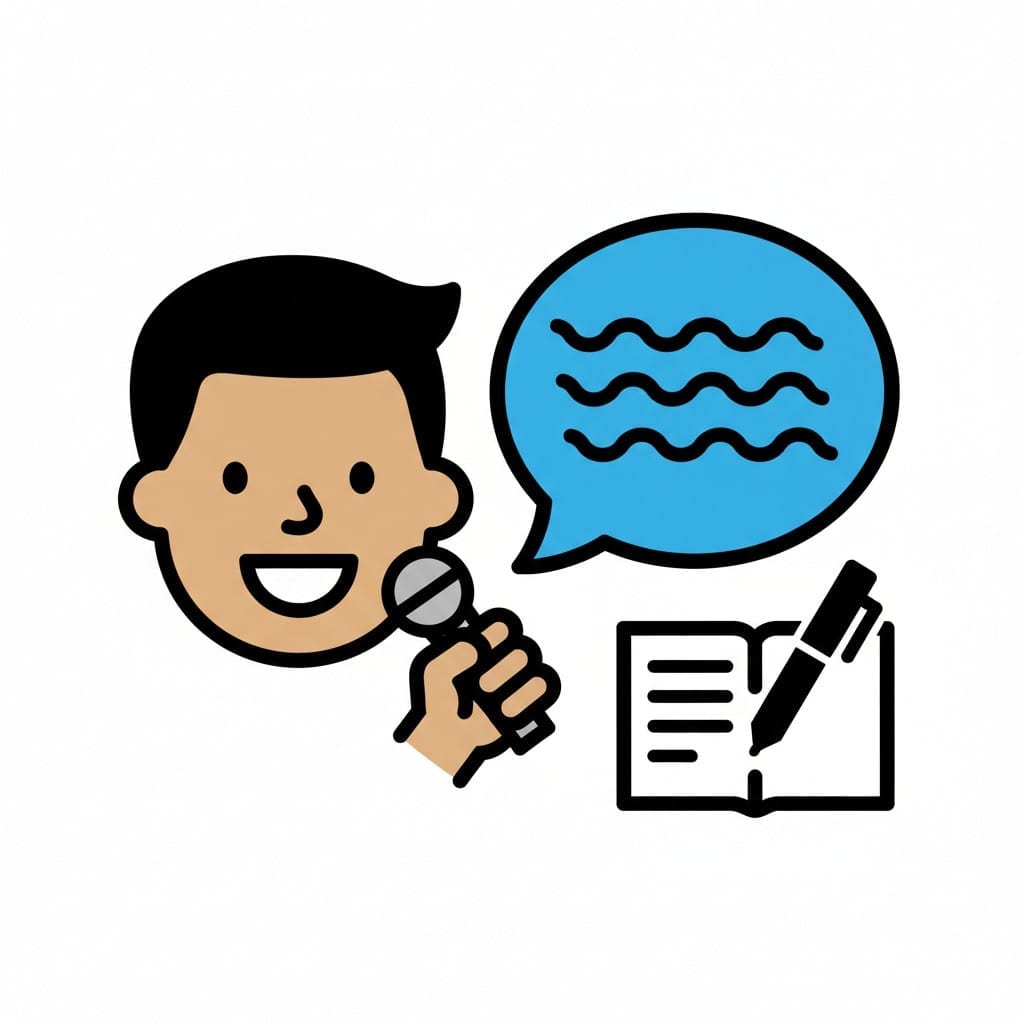 ♂
♂Dictation: Person dictating and writing
A person's head speaks into a microphone, with a speech bubble showing waves. Next to it is a notebook with a pen. The person is dictating and text is being written down.
About this visual support
Three processes happen at once: hearing the words, carrying them through working memory, shaping them with the pen. For many children, that triple load is what makes dictation hard, not the spelling itself. When one process demands too much, the others collapse.
A visual schedule places each sub-task as its own card: ear listening, head holding, hand writing. The child sees three things that must happen, not one vague demand. Once a sentence is finished, the eyes return to the first card and the next round begins.
A concrete tip: read the whole sentence first, wait until the child nods, then read it again in chunks. A finger on the picture marks where you are in the sequence. In the Routined app you can save the dictation flow as a repeating activity with a timer between sentences, so the rhythm stays steady through the whole session.
Use this image in a schedule
Build your own visual schedule with this image and download it as a print-ready PDF. Completely free.
More similar visual supports
Take note
A boy holding a pen and writing in a notebook. A glowing lightbulb floats above ...
Study
A person sits at a desk writing in a book, with a calendar, a tablet and a mug b...
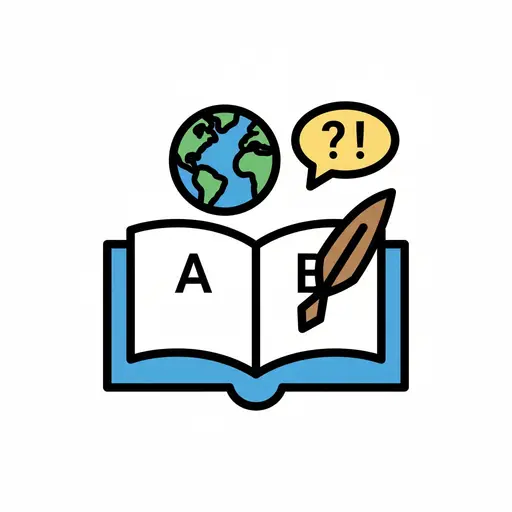
English Class
An illustration symbolizing an English class with an open book displaying letter...
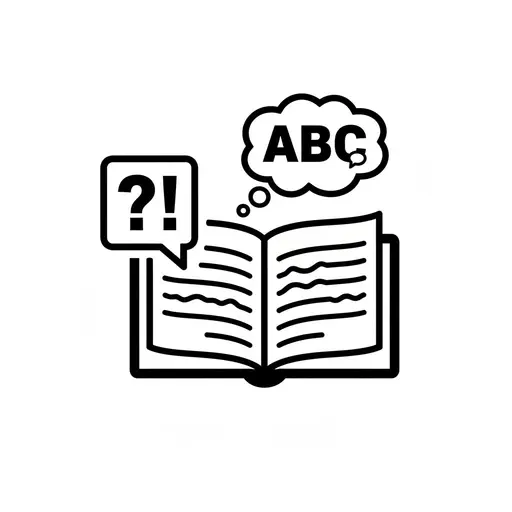
Words
An open book with a thought bubble containing ABC and a speech bubble with ?!
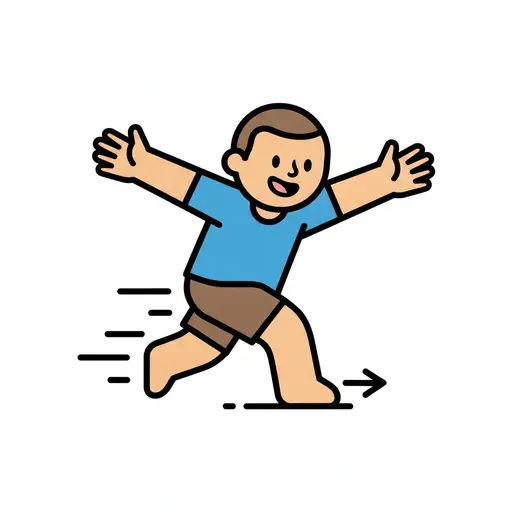
Follow instructions
A happy boy runs with his arms outstretched.
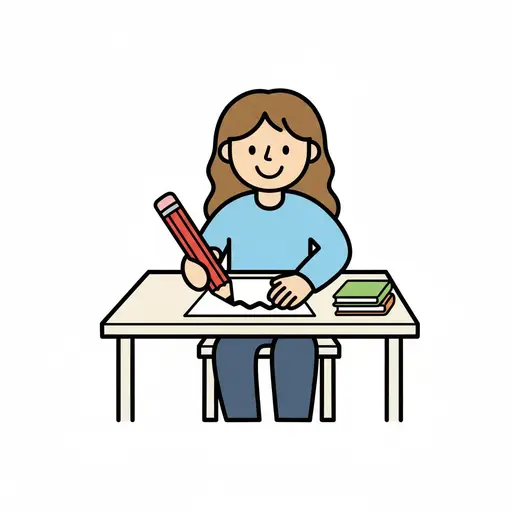
Write
A girl writes with a large pencil at a desk.
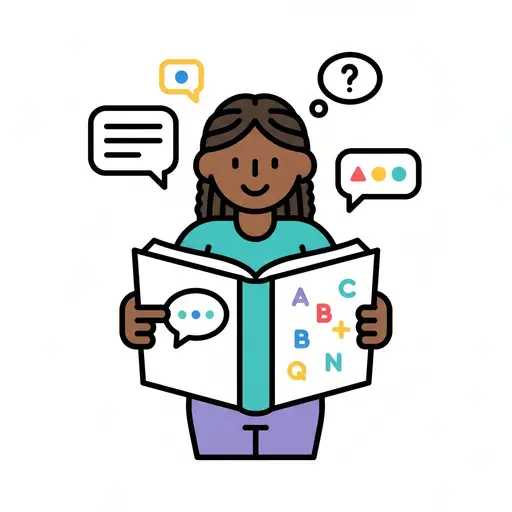
Learn words
A girl reads a book of letters with speech bubbles around her.
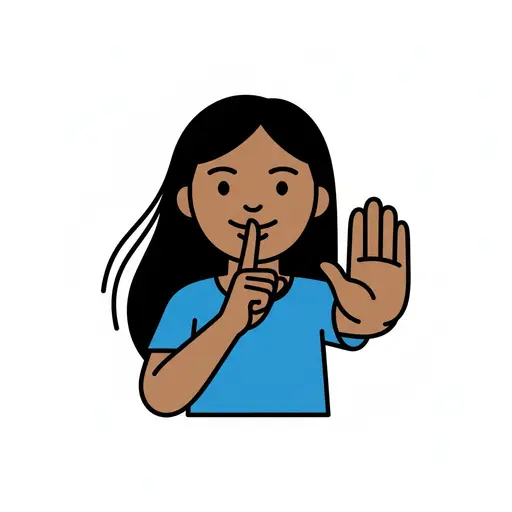
Be quiet
An illustration of a person holding a finger to their lips to signal to be quiet...
This visual support in other languages
Take the visual supports with you
In Routined you build schedules from these pictures, add timers and voice instructions, and your child follows the day on their own.


* 14-day free trial, then $2.39 a month or $20.99 a year (US pricing). Cancel anytime.