Follow instructions
Following instructions is two jobs at once: keep listening, and keep the hands still until the grown-up is done. That double demand is where it often breaks. The cards below show the steps in advance, so the waiting has a visible finish.
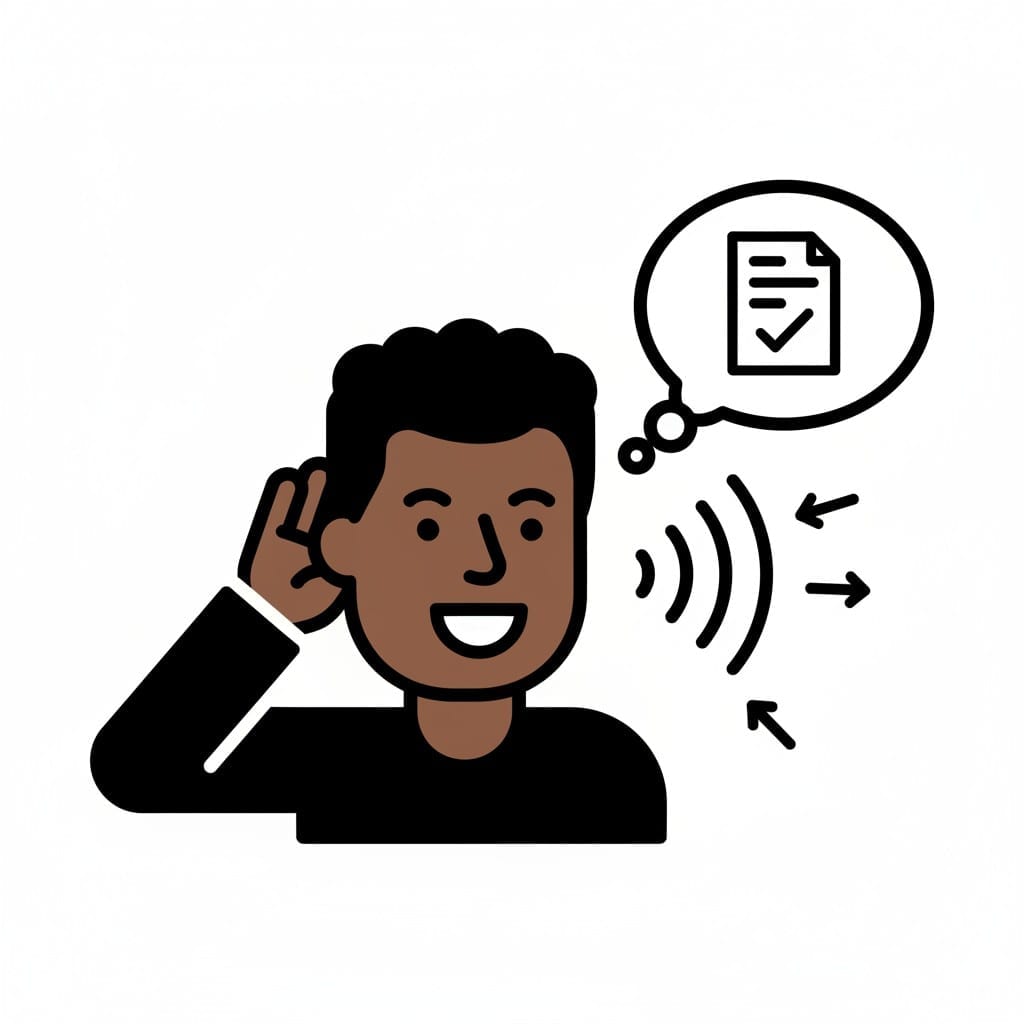 ♂
♂Listen to instructions
An illustration of a person cupping their ear to hear better, with symbols for sound waves indicating sound coming in, and a thought bubble containing a document with a checkmark, representing understanding instructions.
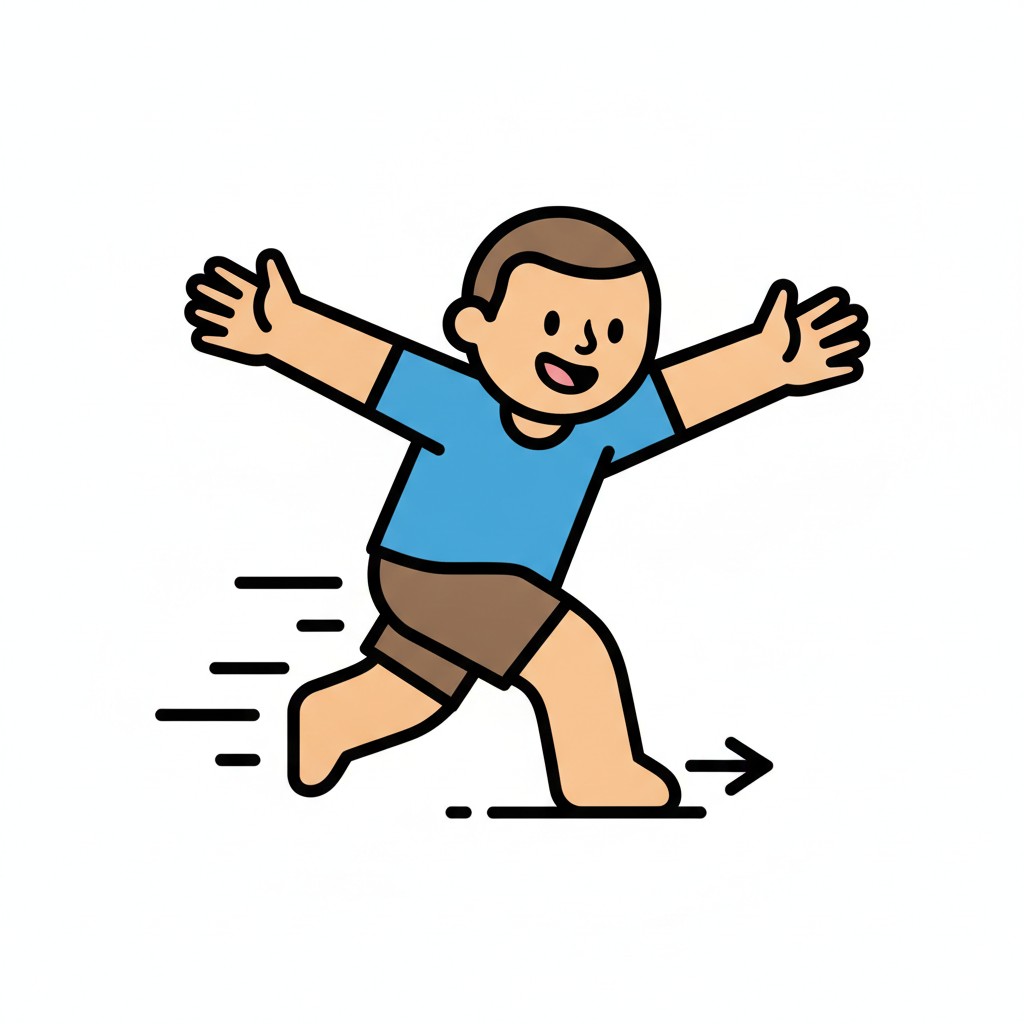 ♂
♂Coming right away
A happy boy runs with his arms outstretched.
About this visual support
The tricky part is not the words, it is doing two things at once: hearing the sentence to the end and holding back the hand that wants to start now. The brain has not finished sorting the order, so the first part of the instruction gets carried out while the rest is still being said. Then it goes wrong, and frustration spreads both ways.
When the steps appear as pictures, part of the memory work moves out of the head. The child can see that there are three things, not seven, and that they have an order. Waiting becomes understandable: I am not waiting for the grown-up to stop talking in general, I am waiting until step one is pointed at. The pointing turns into a clear go signal instead of a vague you can begin.
A concrete tip: lay the cards in a row in front of your child while you speak, point to each one as you name it, and let the last point be the green light for the hands. With Routined you can save a short instruction set for recurring moments like getting dressed or starting homework.
Use this image in a schedule
Build your own visual schedule with this image and download it as a print-ready PDF. Completely free.

More similar visual supports
Listen to instructions
An illustration of a person holding a hand to their ear, with sound waves moving...
Be quiet
An illustration of a person holding a finger to their lips to signal to be quiet...
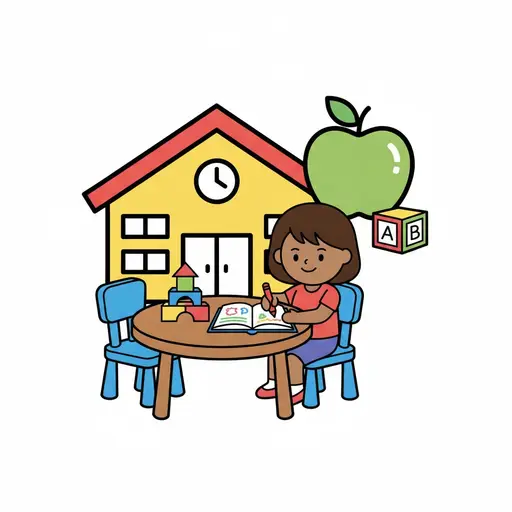
Kindergarten
Three stacked building bricks in red, blue and yellow.
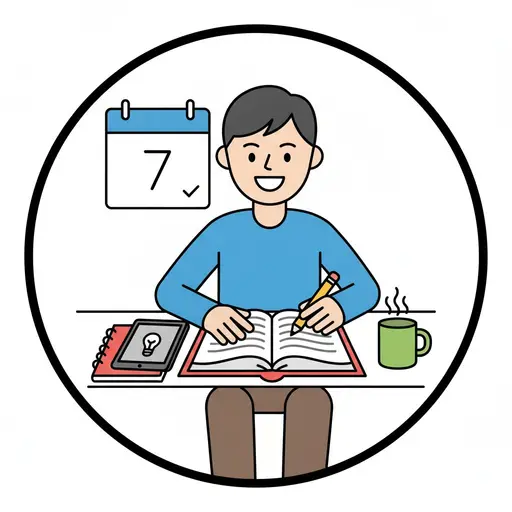
Study
A person sits at a desk writing in a book, with a calendar, a tablet and a mug b...
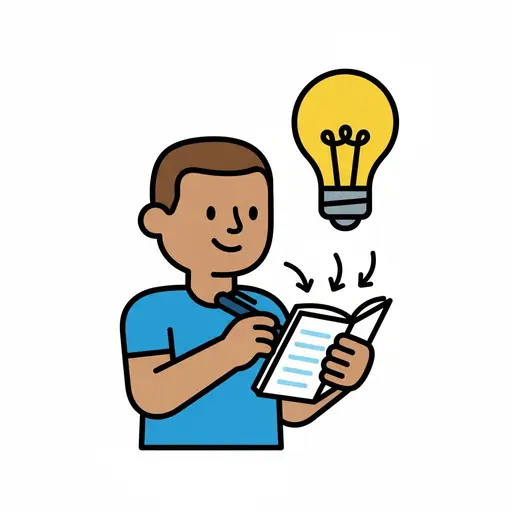
Take note
A boy holding a pen and writing in a notebook. A glowing lightbulb floats above ...
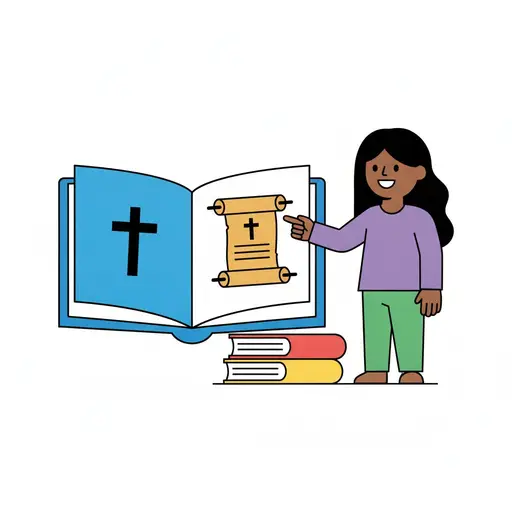
Christian studies
A smiling pupil points at a large open blue book showing a cross and a scroll, b...

Circle time
A group of people standing in a circle holding hands, with one person in the cen...

Danish
A round pastry icon with golden petals, white sprinkles and a red round filling ...
Take the visual supports with you
In Routined you build schedules from these pictures, add timers and voice instructions, and your child follows the day on their own.


* 14-day free trial, then $2.39 a month or $20.99 a year (US pricing). Cancel anytime.