Bedroom
Same room, two completely different modes. The bedroom is a play space by day and a wind-down space at night, and that switch is hard to make without clear signals. The visual support below marks the shift.
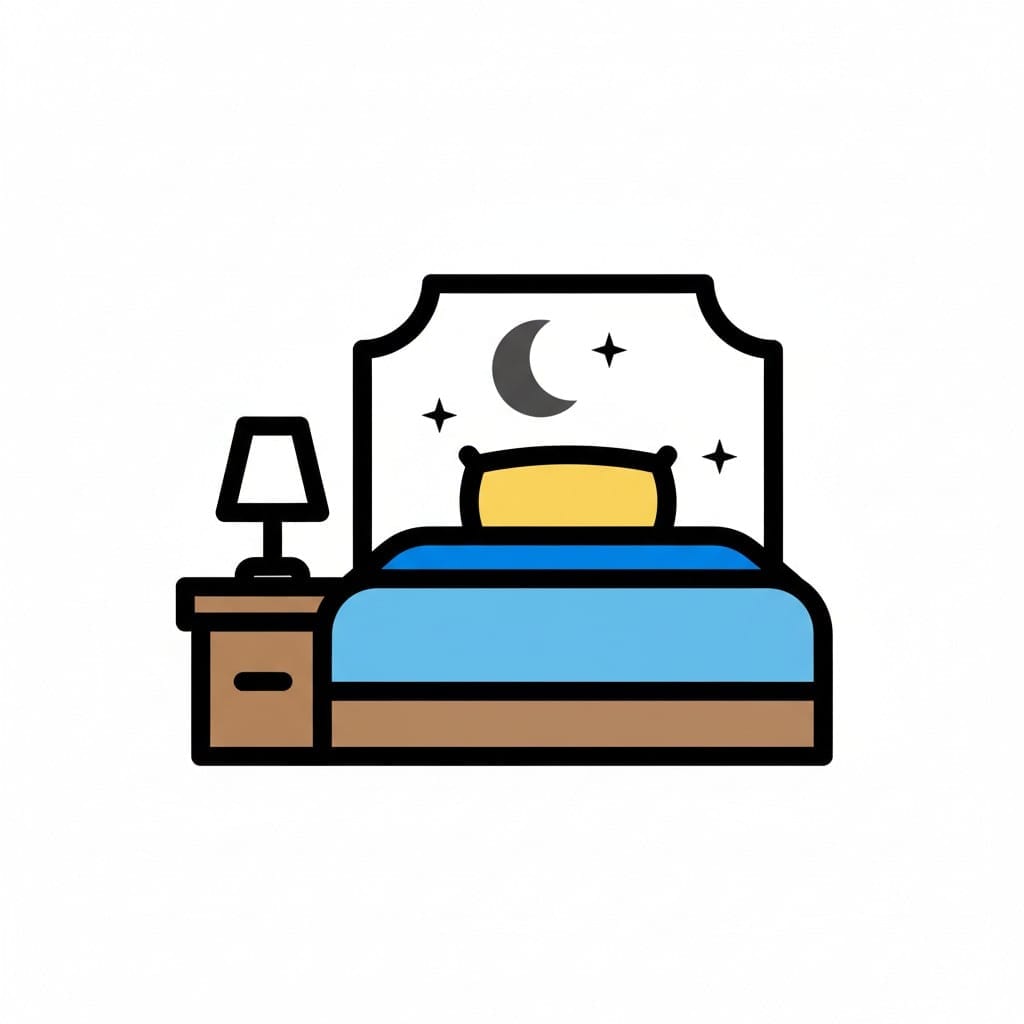
Bedroom
An illustration of a bedroom with a bed, a nightstand with a lamp, and a moon with stars above the bed, indicating night.
Bedroom
An illustration of a bedroom with a bed, a nightstand, and a moon with stars above the bed.
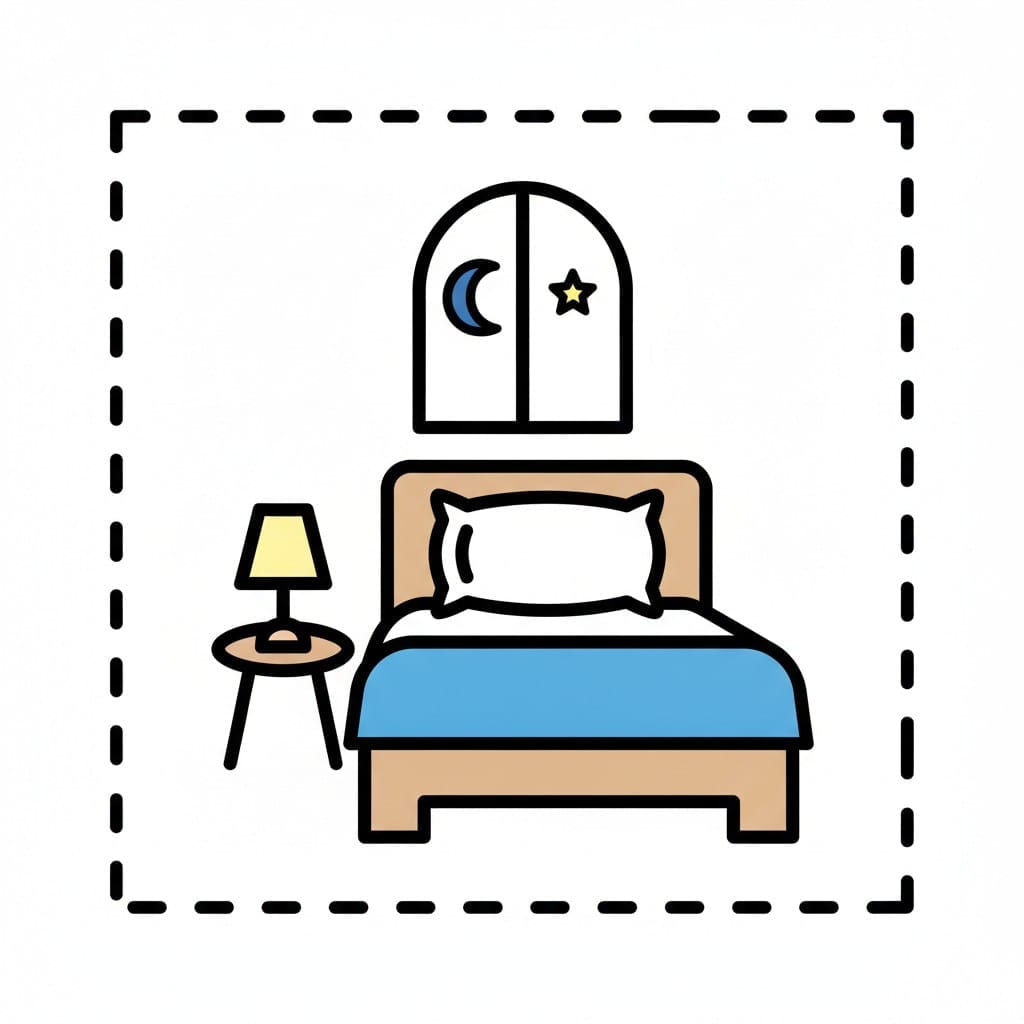
Bedroom with bed and lamp
A bedroom scene with a made bed, a bedside table with a lamp, and a window showing a moon and a star.
About this visual support
A bedroom does double duty. In the morning it might be a Lego site, a fort under the duvet, or a stage in front of the mirror, and by night the same square metres are supposed to go quiet and become a place to rest. The brain reads room signals strongly, but only if they are actually there, and without visible markers the space keeps whispering play long after the clock disagrees.
Visual support gives the child a wall they can see between day mode and night mode. A picture showing the toys returning to their box, one showing a dimmed lamp, one showing the bed ready. This is not nagging about tidying — it is letting the eyes register that the room is changing role. For children who struggle with transitions, the visual shift itself does the heavy lifting.
One concrete tip: place the night-mode card physically on the door or nightstand, so the room literally looks different the moment it appears. To tie it to the rest of the evening, you can build the sequence in Routined and let the room change be the last step before brushing teeth.
Use this image in a schedule
Build your own visual schedule with this image and download it as a print-ready PDF. Completely free.

More similar visual supports
In Bed Quiet Time
A boy lies in a bed under a blue blanket with a thought bubble showing a moon an...

Lie down
A child lies flat on their back.
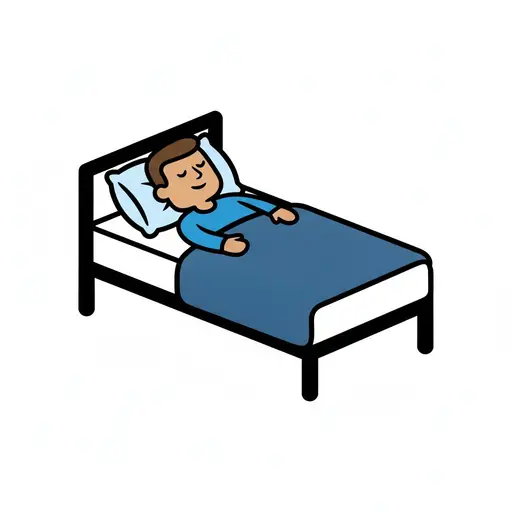
Lie in bed
A boy lies resting in bed under a blue blanket.
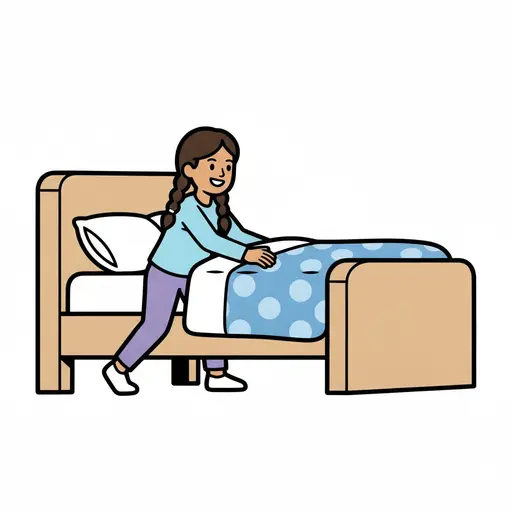
Get Into Bed
A girl gets into bed under a spotted duvet.
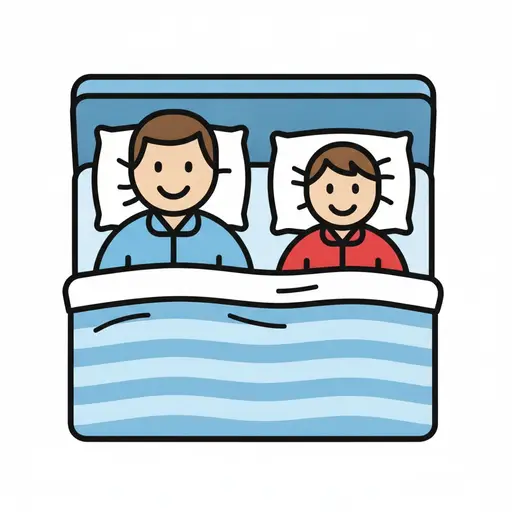
Go to bed with dad
Dad and a child lie next to each other in a bed with a duvet and pillows.
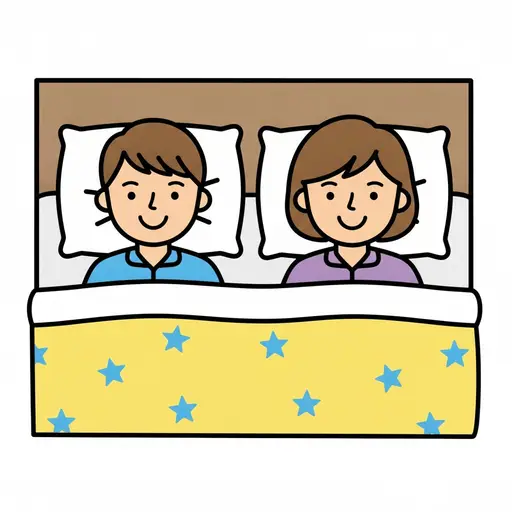
Go to bed with mom
A child and mom lie next to each other in a bed with a yellow duvet with stars.
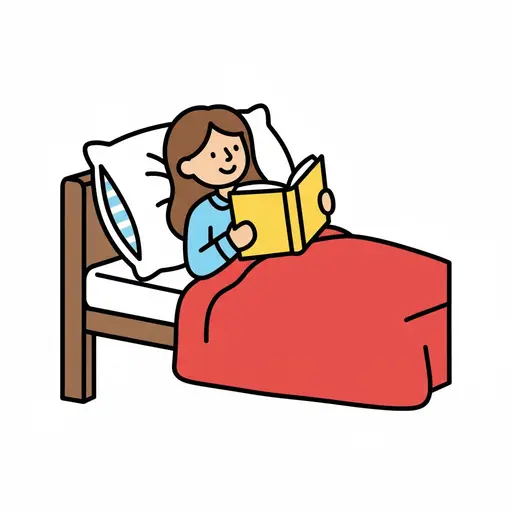
Goodnight Story
A girl sits up in bed reading a book while thinking of the moon and stars.
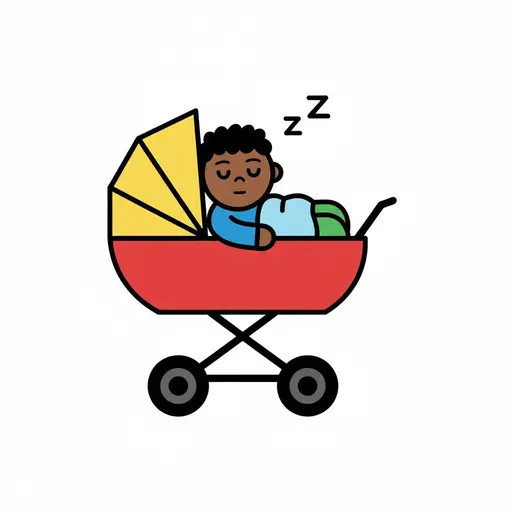
Nap in the stroller
A child sleeping inside a red stroller with the yellow sun canopy raised and two...
Take the visual supports with you
In Routined you build schedules from these pictures, add timers and voice instructions, and your child follows the day on their own.


* 14-day free trial, then $2.39 a month or $20.99 a year (US pricing). Cancel anytime.