Go home
It is rarely home the child resists, but the interruption itself. When play is at full speed, a sudden stop feels almost unfair. The steps below make the transition visible before it turns into a fight.
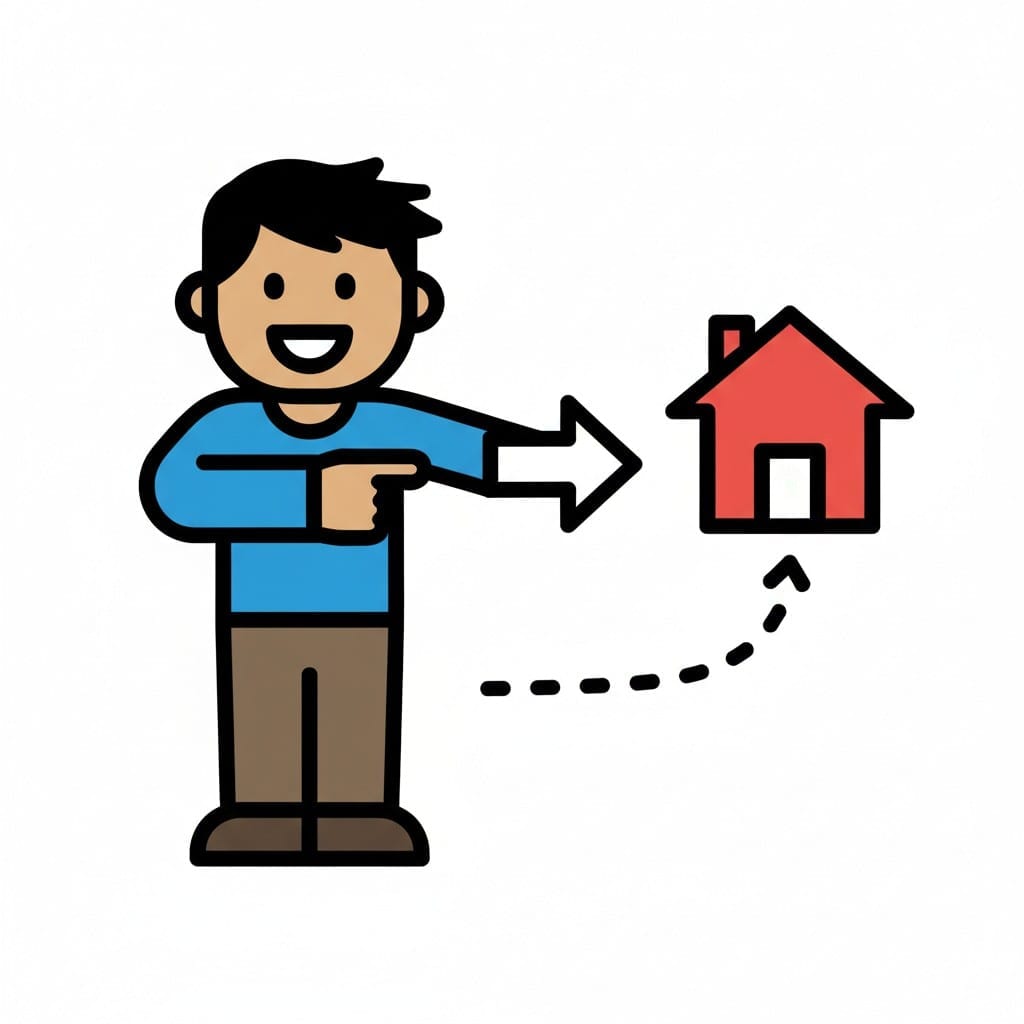 ♂
♂Go home
An illustration of a person pointing with an arrow towards a red house, representing going home.
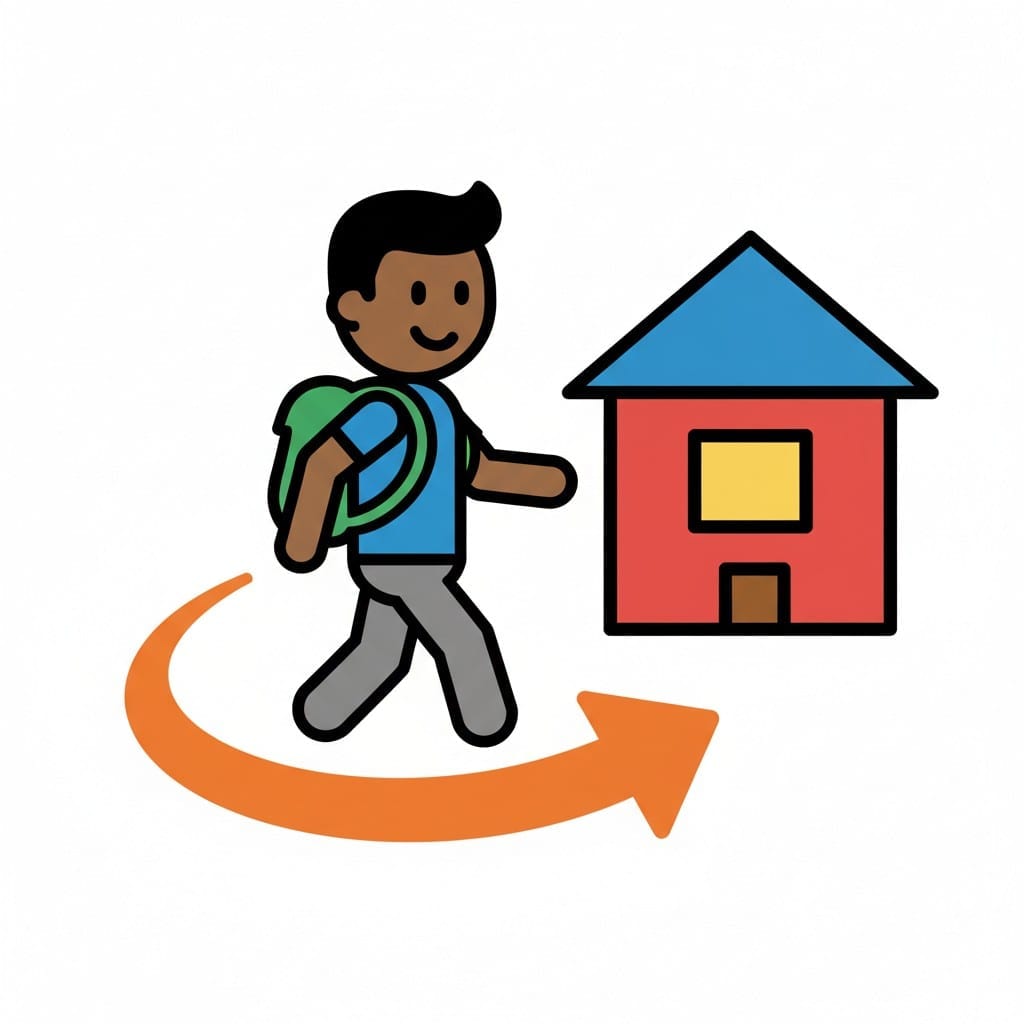 ♂
♂Boy walking home to the house
A boy with a backpack walks toward a red house while an orange arrow curves toward it.
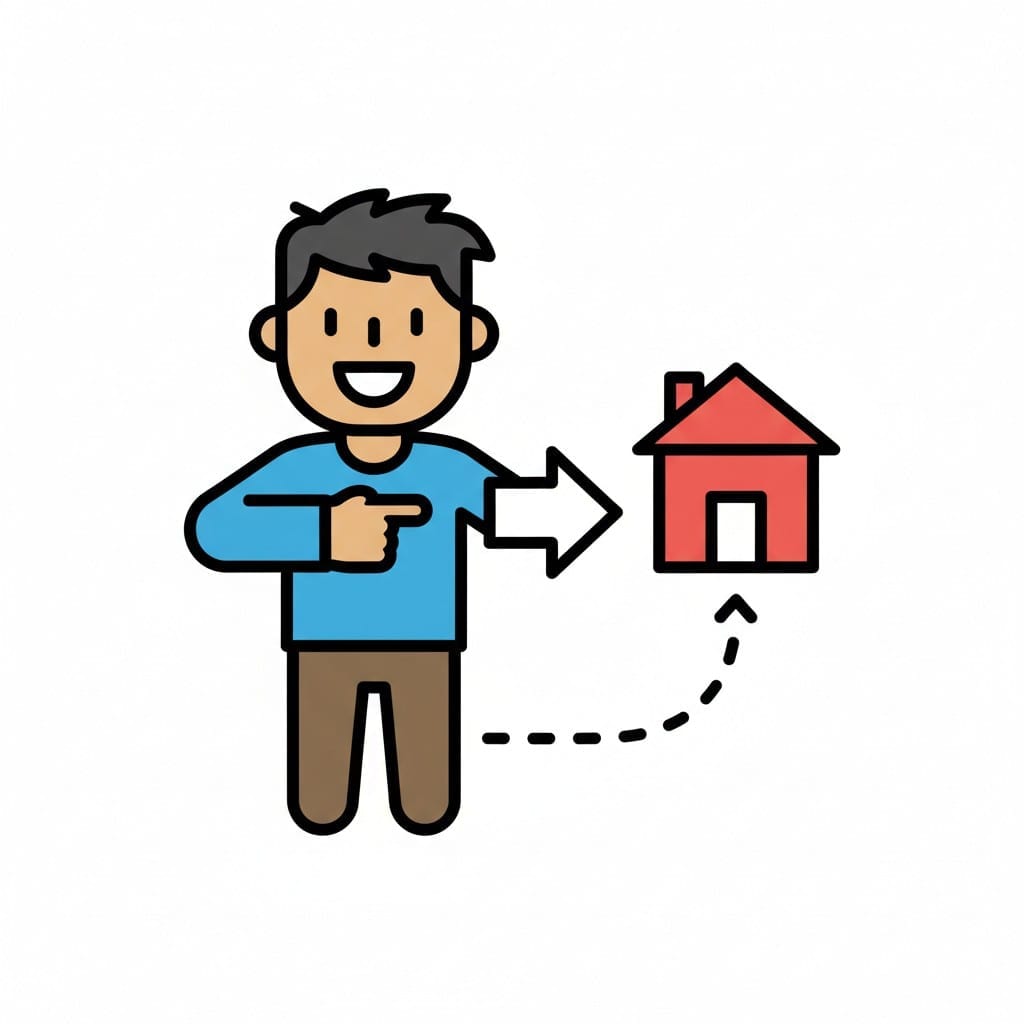 ♂
♂Boy pointing toward home
A smiling boy in a blue top points at a small red house, with an arrow and a dotted line leading to it.
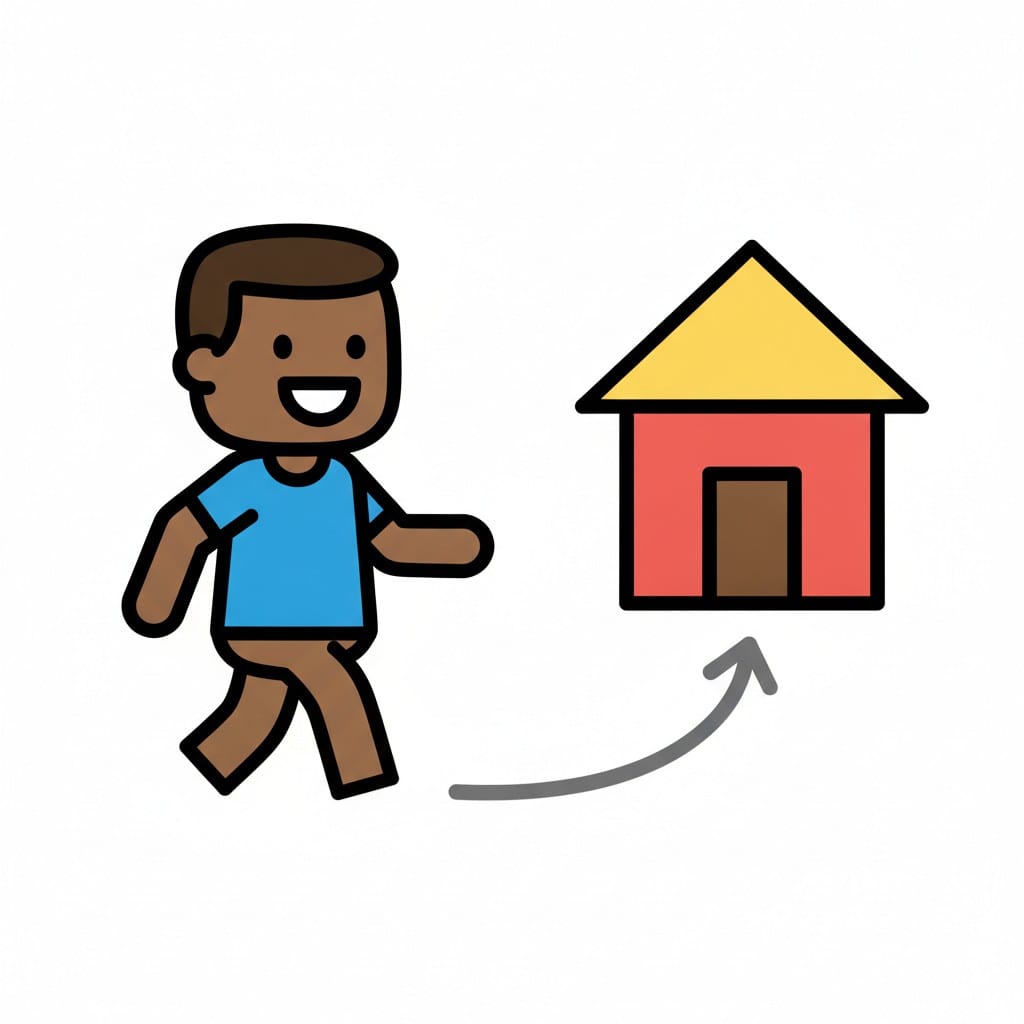 ♂
♂Go home
A person walks towards a red house with a yellow roof, a grey arrow pointing at the house.
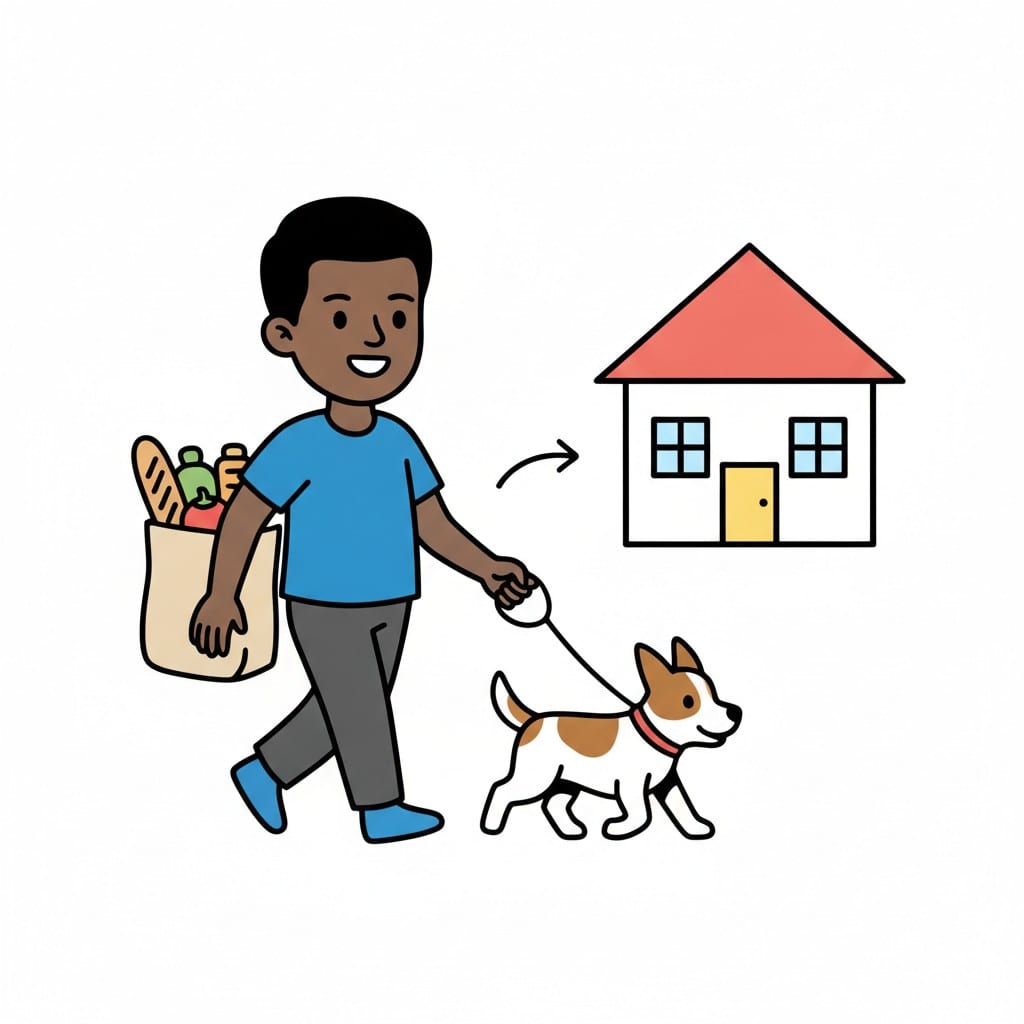 ♂
♂Heading home with groceries
A boy walks home with a grocery bag and a dog on a lead.
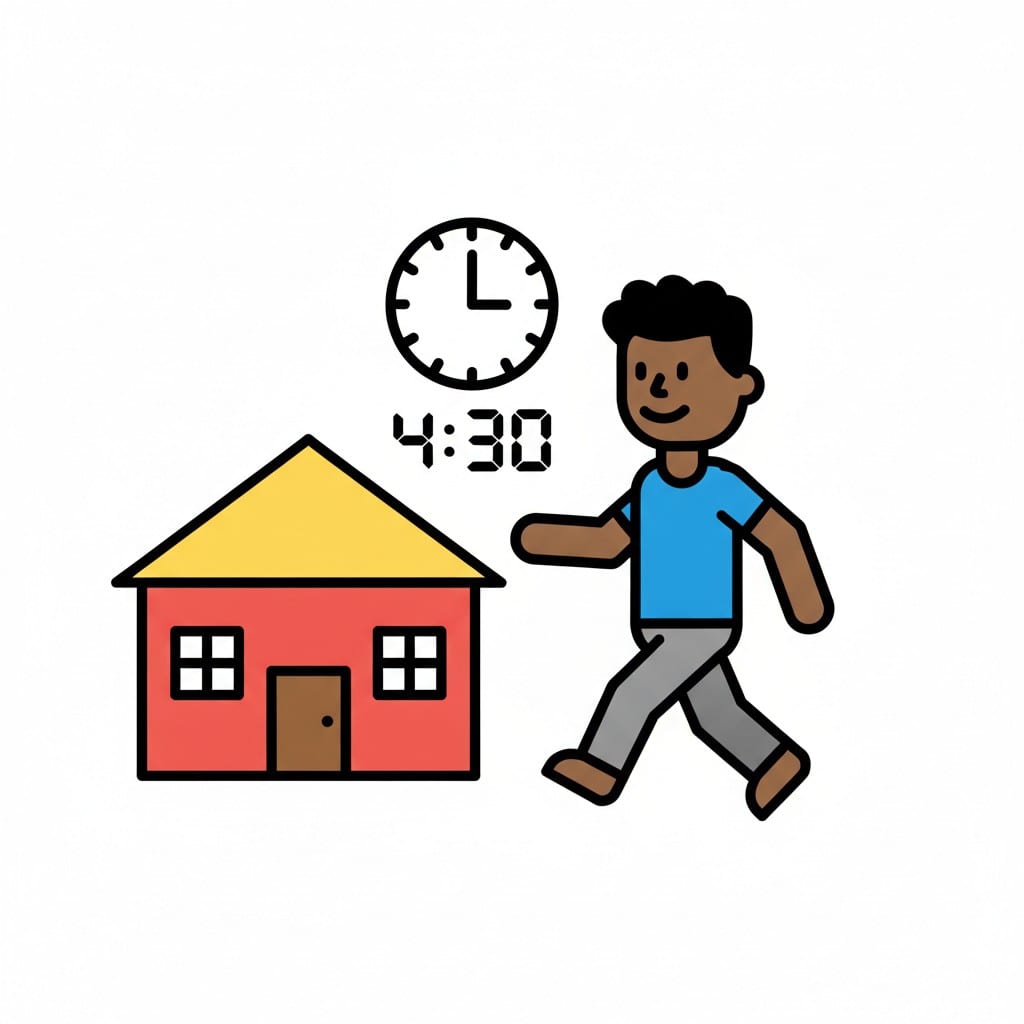 ♂
♂Going home at 4:30
A boy walks towards a house with a clock showing 4:30.
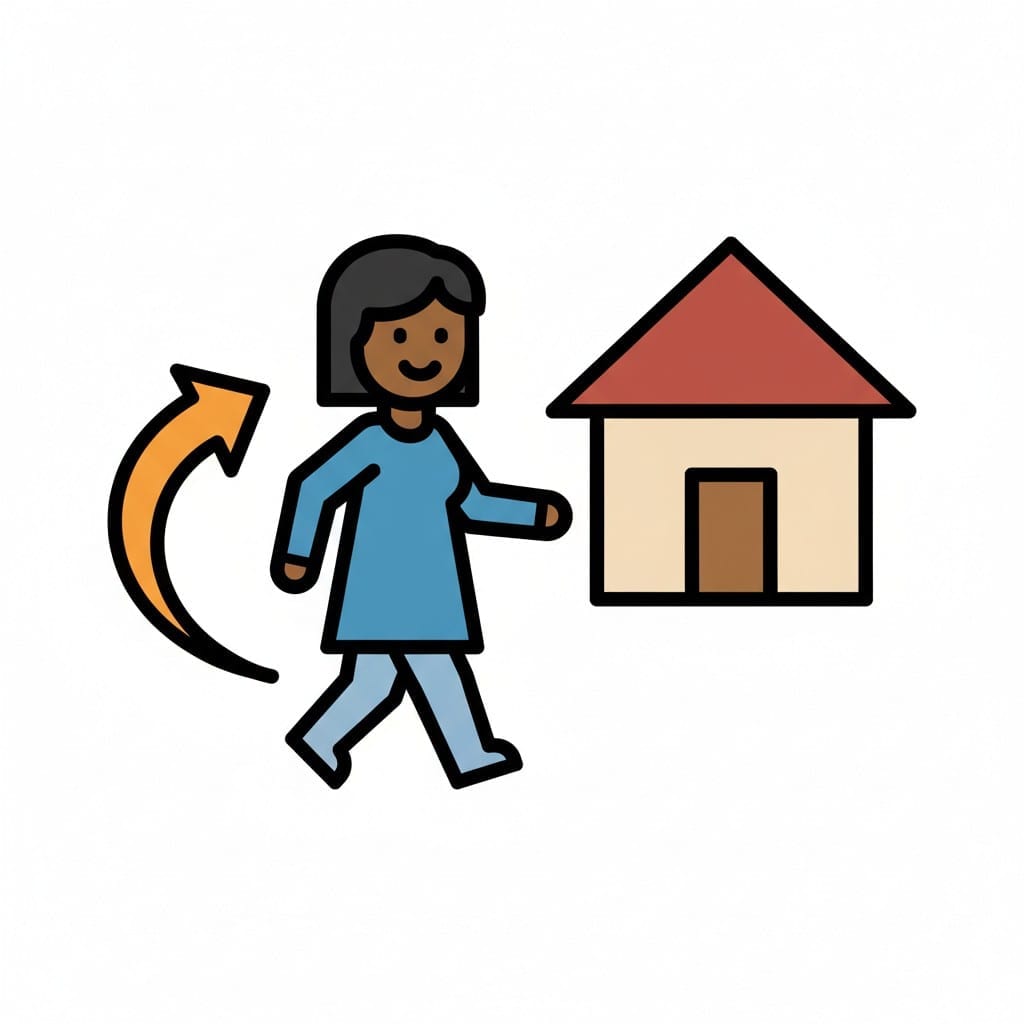 ♀
♀Go home
A woman walks towards a house with an arrow indicating she is going home.
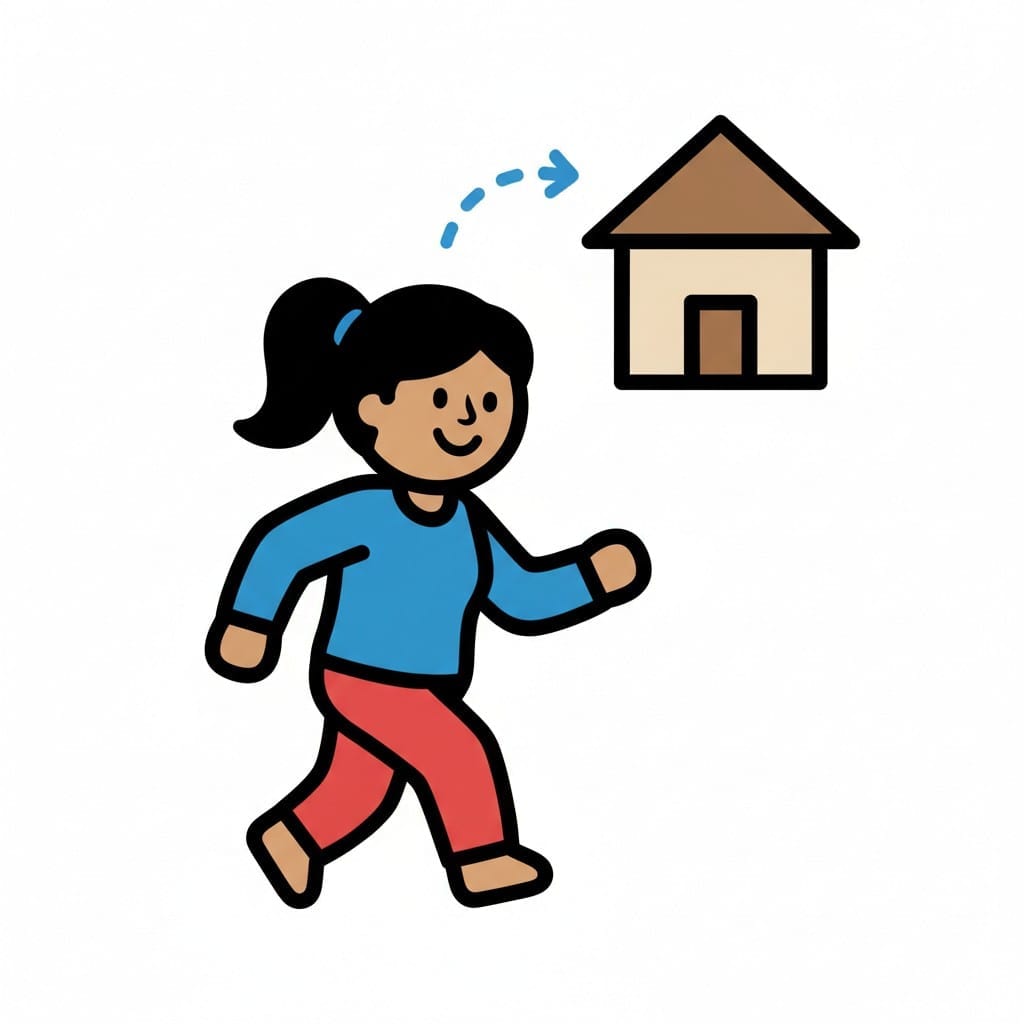 ♀
♀Go home
A woman walking towards a house, indicating going home.
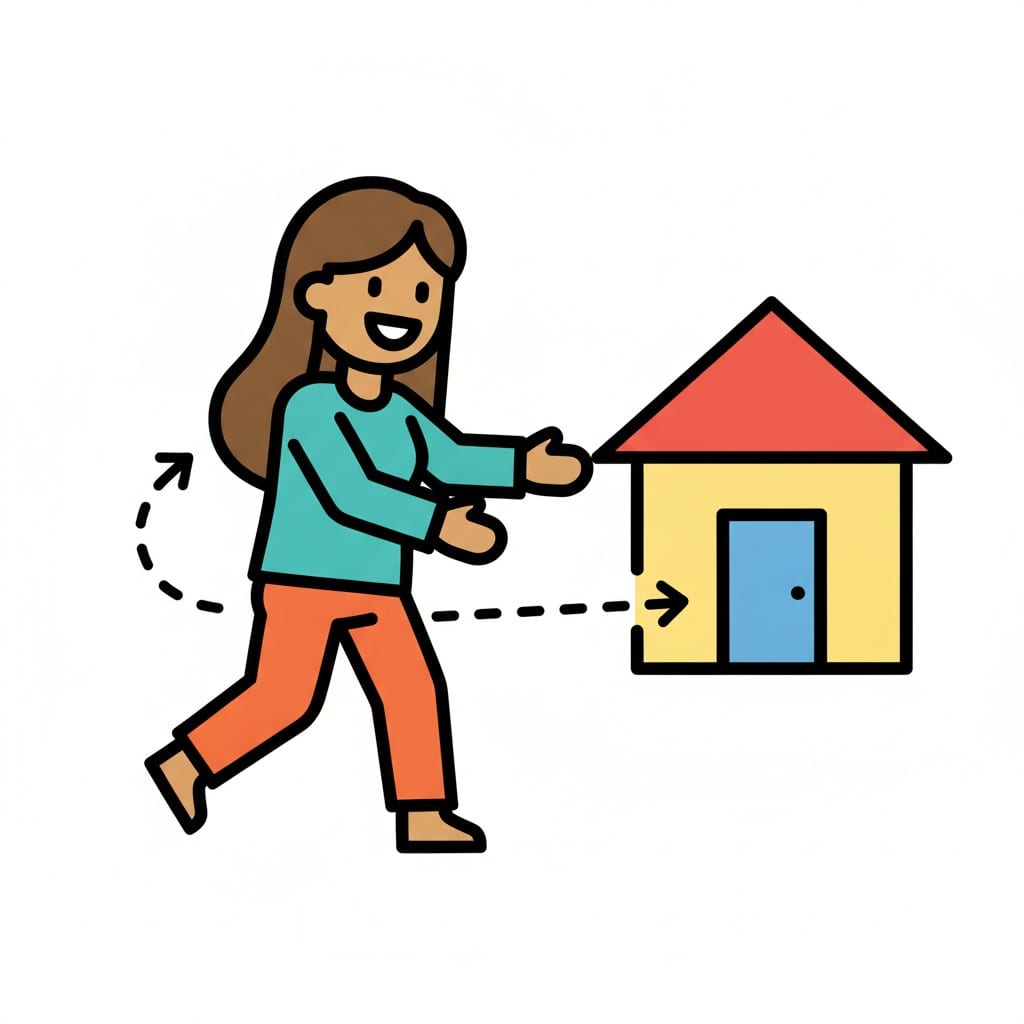 ♀
♀Going home
A woman walks towards a house along a dotted arrow.
About this visual support
Leaving a place where something fun is happening is hard even when home is safe and welcoming. The child is not really resisting the destination, but the break itself, which is why arguments about dinner or bedtime rarely land.
A visual schedule lets the child see the whole arc: we are here now, we pack up, we walk, we are home. That gives the brain somewhere steady to rest while the decision to stop settles. One concrete idea that often works: ask the child to pick one thing to carry home in their head, maybe which friend they want to mention to an adult later, so the way home becomes a continuation rather than a stop.
In Routined you can build this exact way home as its own visual schedule and save it, so it looks the same next time you are at the same place. Try the app free for 14 days.
Use this image in a schedule
Build your own visual schedule with this image and download it as a print-ready PDF. Completely free.

More similar visual supports
Come home
A child with a suitcase waves in front of a house, with an arrow showing the way...
Pick up from daycare
An adult man holds a small child.

Afternoon and evening
A girl points from a sun on a light background toward a moon on a dark blue back...
Bedtime Snack
A girl sits on her bed eating a banana with a glass of milk.
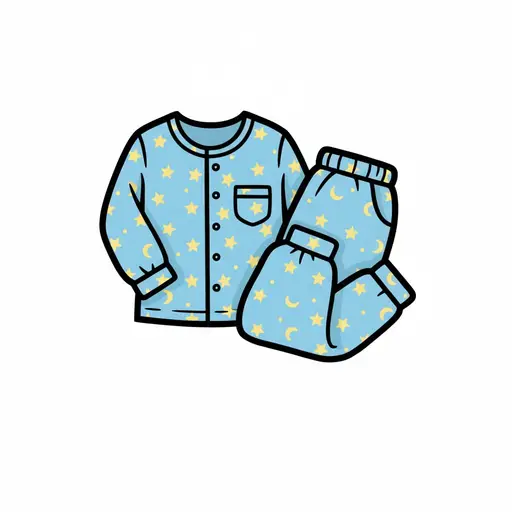
Change into night clothes
A folded light blue pajama set with yellow stars and crescent moons.
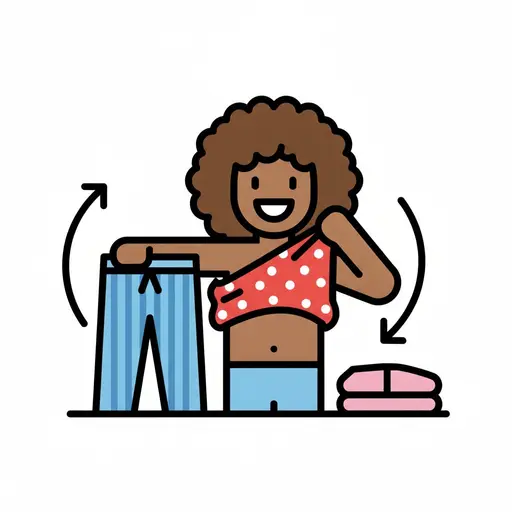
Change into pyjamas
A child pulls off a top next to a pair of pyjama trousers and a pile of clothes.
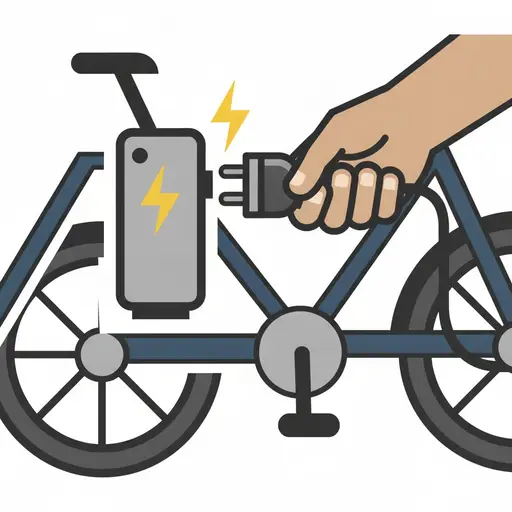
Charge device
A hand plugs a charger into an e-bike battery.
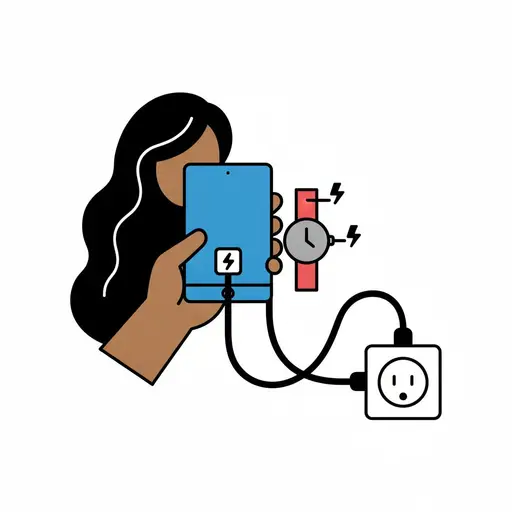
Charge tablet and watch
A hand holds a tablet that is charging, and next to it a watch charges from the ...
Take the visual supports with you
In Routined you build schedules from these pictures, add timers and voice instructions, and your child follows the day on their own.


* 14-day free trial, then $2.39 a month or $20.99 a year (US pricing). Cancel anytime.